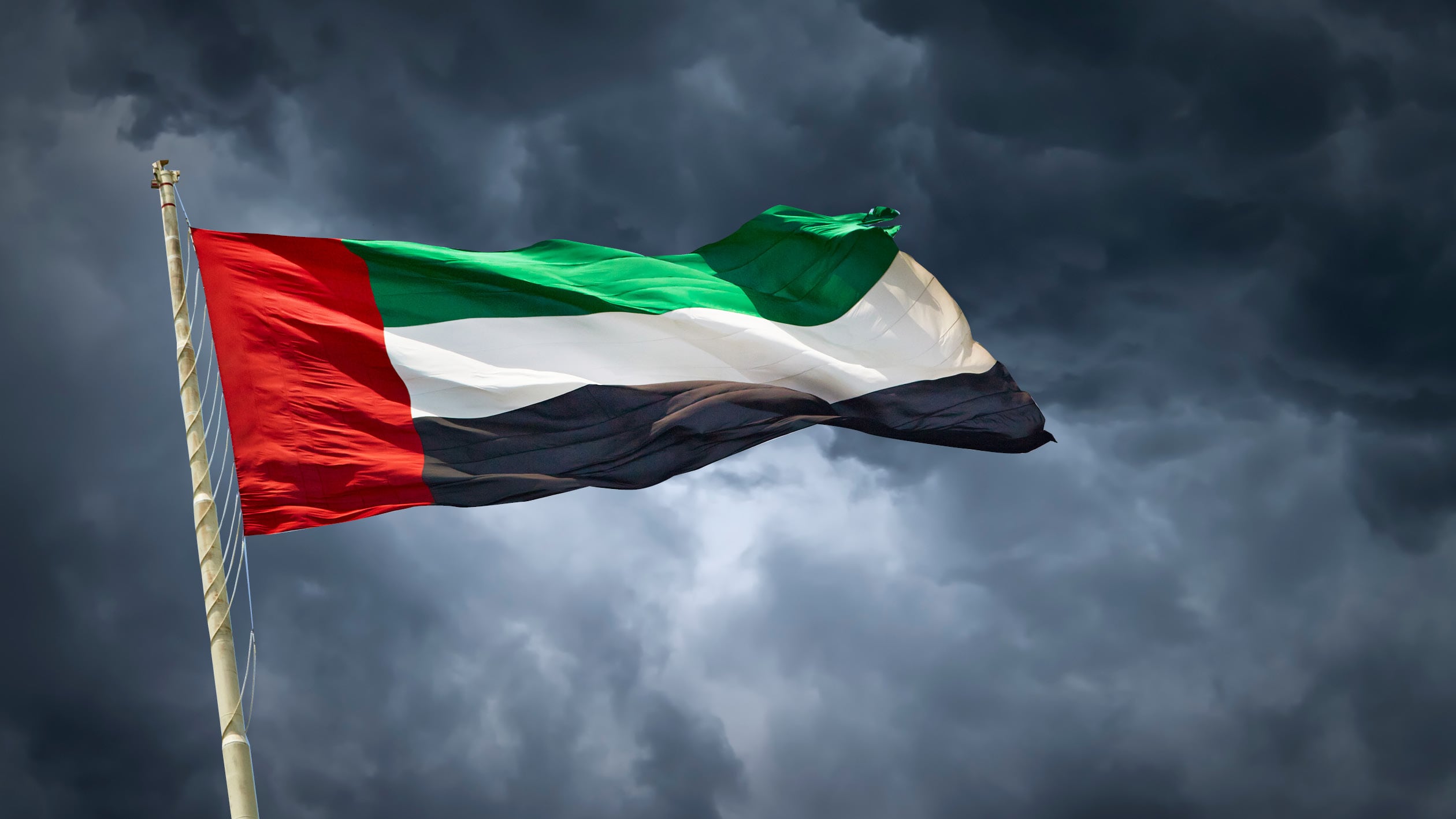

As they conducted business in Abu Dhabi or took in Dubai’s glittering skyline, visitors to the UAE could be forgiven for forgetting that they were in the Middle East. This was not a happy accident: it was a key plank of the Emirates’ grand strategy to market itself as a haven of stability in a turbulent region.
That illusion of calm, however, was shaken when drone and missile attacks reached the country for the first time. Flights were momentarily disrupted, an industrial zone burned and there were several civilian casualties. Global markets stuttered and analysts wondered whether the impact would shake the global image of the UAE.
But this was 2022, not 2026. Then, as now, Iran and its allies attacked the UAE. The UAE did not, however, concede or weaken; its economy remained robust and its global brand did not collapse. The challenges are more profound in 2026, yet so are the Emirates’ opportunities. The UAE is structurally better placed than many in the region to rapidly recover and project power. Again, this is by design; the product of prudent strategic planning that combines a vision of the UAE’s place in the region, with a roadmap of how to get there.
There is nothing like a crisis to stress-test a state’s vision and its national resilience. And indubitably, the entire Gulf finds itself in an unprecedented crisis. Almost every regional capital has been targeted. Worse still, although the GCC states are now bearing the brunt of Iran’s indiscriminate attacks, this is a war that none of them wanted and lobbied hard to stop.
Yet when it comes to stress testing, Abu Dhabi’s military investment is yielding an undeniable return. In the first 48 hours of the conflict, more than 50 per cent of all the Iranian drones and missiles fired at the Gulf region were directed at the UAE. Despite this challenge, the UAE boasts a greater interception rate – over 90 per cent – than any of its neighbours.
This is partly because Abu Dhabi has linked its foreign and defence policies to mutually benefit one another. The UAE’s anti-ordnance systems come from a diverse range of sources, including the US, South Korea and Russia. This makes Abu Dhabi a key strategic partner for each of these players. Equally, the UAE has the most export-orientated defence industry in the Gulf. It is the least reliant on international partners for resupply and training, a key consideration in a prolonged campaign. The UAE also spends more than 5 per cent of its gross domestic product on defence. Nato, by contrast, has set its members a 2 per cent target that many still struggle to meet.
The second and third barometers of resilience are the effects on the UAE’s soft power and economy. Iran’s attacks on airports, cultural landmarks and luxury hotels in the Palm belie Tehran’s claim that its targets are US-linked military assets. Instead, Iran’s targeting is deliberate and its strategy is clear: Tehran is seeking to cause maximum disruption by hitting the UAE and its neighbours where it hurts most to force a ceasefire.
While the war continues and its long-term impact on these fronts remains uncertain, the outlook could be rosier than footage of the ongoing strikes might suggest. Insecurity is often acutely felt but quickly dissipates. That the 2022 attacks left little discernible impact on the UAE’s reputation or economy is a positive omen. In 2026, meanwhile, the UAE’s leadership have acted quickly to mitigate superficial damage to its image among tourists, most notably by opening the state’s coffers to pay for the travel, hotel fees and meals of anyone stuck inside the country.
Economically, the UAE is more diverse and less reliant on oil than any other GCC state. From a risk-mitigation perspective, this means that the more diverse a country’s economic assets, the less they will be affected if one sector take a hit. Accordingly, Abu Dhabi is comparatively protected from both market shocks that result from the conflict and targeted Iranian attacks on one or more economic asset, such as the energy industry.
All this means that the UAE is well-placed to choose how it responds to Iran’s provocations. Decision-makers in Abu Dhabi are likely now considering whether to use not just the country’s defensive assets, but its offensive ones too. Previously, the UAE has faced questions from the US over its continued ties to Iran’s two most significant partners, China and Russia. Will the two countries compel Iran now to de-escalate? Given the UAE’s own extensive commercial ties to Moscow and Beijing, it is in neither state’s interest for Iran’s attacks on the UAE to continue; indeed, the attacks put Chinese and Russian civilians in the firing line.
-
The Philippines embassy is among the missions in the UAE offering support as Iranian launches attacks across the region. Victor Besa / The National -
Filipino residents visit their embassy in Abu Dhabi. Victor Besa / The National -
The Filipino embassy has called hailed the UAE for its 'mantle of protection' during the crisis. Victor Besa / The National -
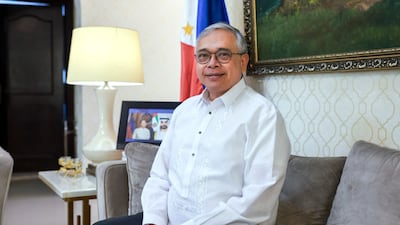
Philippines ambassador Alfonso Ver says residents will be given help. Victor Besa / The National -
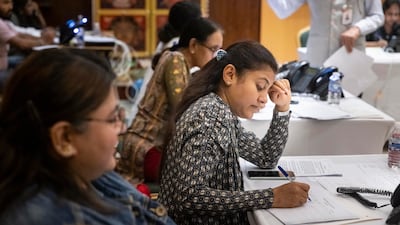
Volunteers work at a hotline centre at the Indian consulate in Dubai. Antonie Robertson / The National -
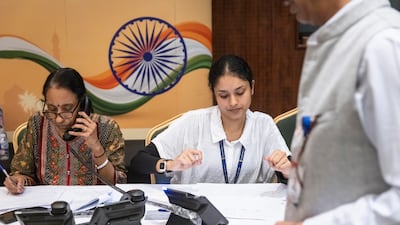
India's consulate is committed to supporting anxious residents and tourists. Antonie Robertson / The National -
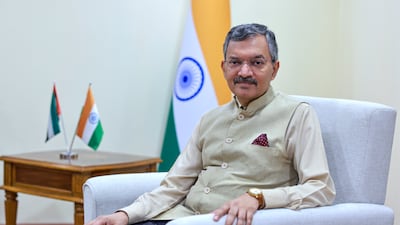
Indian ambassador Deepak Mittal has praised the efforts of the UAE authorities. Victor Besa / The National -
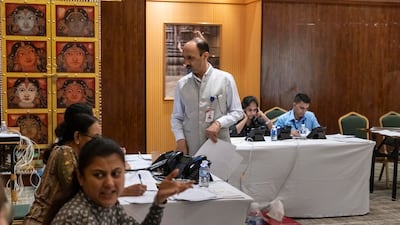
India's consulate is working to secure flights for people looking to return home. Antonie Robertson / The National -
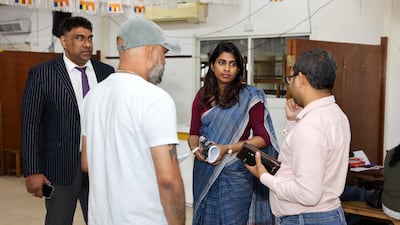
Alexi Gunasekera, Sri Lanka’s consul general, has asked citizens to stay in touch with the country's embassy and consulate. The National -
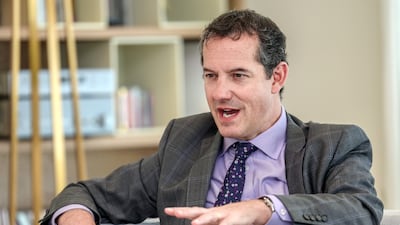
UK ambassador Edward Hobart has praised citizens for the 'sheer grit' shown since Iran launched its attacks. Victor Besa / The National


Most importantly, Abu Dhabi’s long-term strategic planning provides a template to bounce back once the dust settles and to be a pivotal actor in determining the region’s “day after”. Its military clout and diverse foreign policy ties will give it a seat at the table in a region still defined by power politics. There will inevitably be some damage to the Gulf’s reputation for safety and stability. The UAE has most to lose, but it also possesses the most robust foundations from which to recover; all other Gulf states lag far behind in their economic diversification, tourism and investment programmes.
Small states often seek to project larger-than-life power and influence. In this respect, the UAE is no different. But given their limited assets, small states often specialise in one form of statecraft or output. This creates a unique brand, though it makes them vulnerable. By contrast, by balancing hard and soft power, diversification with deterrence and diplomacy with defence, Abu Dhabi lacks this vulnerability.
The present crisis is profound, but it does not alter the structural advantages the UAE has painstakingly constructed. This is why any predictions of the demise of the UAE as a soft power hub and regional player will prove profoundly wrong.