



LIVE BLOG: Latest on Expo 2020 Dubai here
Planning a trip to the world's greatest show? Make sure you do not leave home without our handy Expo survival guide, with everything you need to know to make your trip a success.
When is the best time to visit Expo 2020?
Expo 2020 Dubai is open seven days a week, from 10am to midnight on weekdays (Sunday to Wednesday) and 10am to 2am on weekends (Thursday and Friday) and special days.
When the weather is hot, the best time to visit is after 4pm, when the temperature starts to cool.
Expo really comes alive at night, when the dome at Al Wasl Plaza pulses with waves of colour and the pavilions light up their facades.
India, Saudi Arabia, France and Peru look particularly beautiful after dark.
-
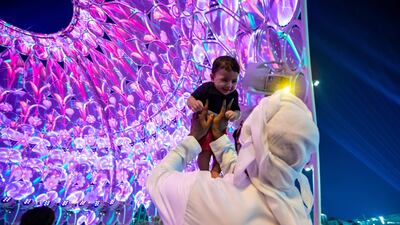
The ever-changing light show at the Al Wasl Plaza at Expo 2020 Dubai. Victor Besa / The National -
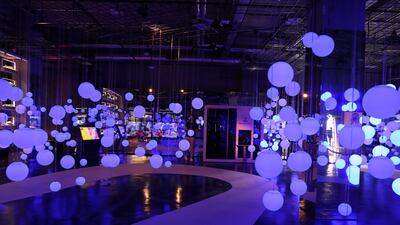
Colourful lights at the Estonia pavilion at Expo 2020 Dubai. Pawan Singh / The National. -

The Chinese pavilion at Expo 2020 Dubai is designed to look like a giant traditional lantern. -

The facade of India's pavilion lights up at night to show different kinetic images. -
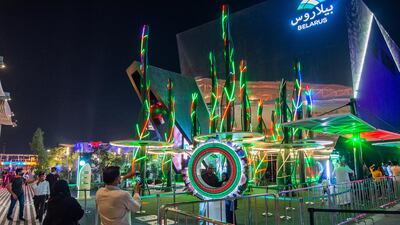
The Belarus Pavilion, Expo 2020 Dubai. Photo: Stuart Wilson/Expo 2020 Dubai -
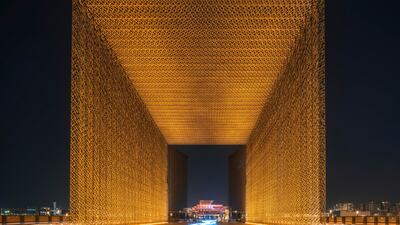
Night view of the Opportunity Portal at Expo 2020 Dubai. Photo: Dany Eid / Expo 2020 Dubai -

Night view of the France Pavilion, Expo 2020 Dubai. Photo: Dany Eid / Expo 2020 Dubai -
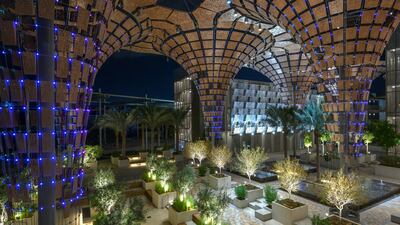
The Opportunity District at Expo 2020 Dubai after dark. Photo: Dany Eid / Expo 2020 Dubai -
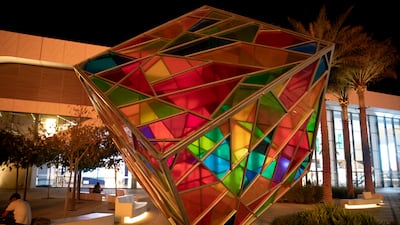
Kaleidoscope Light show at Expo 2020 Dubai. Photo: Steve Holland / Expo 2020 Dubai -
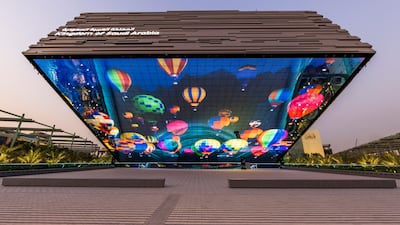
Luminescent exterior of the Kingdom of Saudi Arabia Pavilion at Expo 2020 Dubai. Photo: Suneesh Sudhakaran / Expo 2020 Dubai


Getting your bearings at Expo 2020 Dubai
Expo 2020 Dubai is shaped a bit like a flower, with the dome of Al Wasl Plaza in the middle, and the districts shaped like petals.
At the end of each petal is a large entrance portal and this is where visitors are dropped off if they arrive by taxi or one of the Expo People Mover buses that transport people from the car parks.
There are three main districts – Opportunity, Sustainability and Mobility. Each of these has its own signature pavilion.
There is also the Al Forsan Park area, and the Jubilee Park area, which have large grassed areas, playgrounds and stages for musical performances.

The pavilions and other attractions are located throughout the Expo site, carefully placed along wide pedestrianised walkways, many of which are shaded.
Make sure you download the Expo 2020 Dubai official app, which has a GPS-enabled map with directions on how to find each pavilion.
Alternatively, maps are available at the many Expo visitor centres.
How to get to Expo 2020 Dubai?
The easiest and cheapest way to get to Expo 2020 is by Dubai Metro, which has a station right at the gate.
Alternatively, you can drive, park and get a free shuttle bus from the car parks, which are outside each district.
There is limited valet parking, which costs Dh95 a day, and taxis and free RTA buses also serve the site.
What should I take to Expo 2020 Dubai?
You will need a ticket, a water bottle, sun protection, your smartphone to take pictures and an Expo 2020 Dubai passport, which costs Dh20 and can be bought at the gate.
Parents with young children will definitely need a pram for when little legs get tired.
Tickets can be bought online and downloaded and printed at home, or you can buy them at one of the entrances.
Day tickets are Dh95, while multi-day passes cost Dh195 and are valid for 30 consecutive days from the first day of use. The season pass lasts the full six months and costs Dh495.
Entry is free for many, including under 18s, anyone aged 60 and over, and people with disabilities, students with a valid ID card, plus nannies and drivers.
These people should still go to the ticket desk to pick up their free passes.
What to wear at Expo 2020 Dubai?

The Expo site is enormous – twice the size of Monaco or equivalent to 600 football fields, so comfortable footwear is a must. Trainers are probably best.
The weather is still very hot in the middle of the day and humid at sunset, so wear loose, flowing clothes.
The pavilions are lovely and cool, so dip inside whenever you start to feel overheated.
But if you spend a long time indoors, young children may get chilly, so be sure to bring a light wrap or jumper.
Where to get water at Expo 2020 Dubai?

There are special water dispensers all around the site, offering free water to visitors, so bring your own bottle and fill up as frequently as you like.
Cheap canned water is also available from street sellers around the site, and snacks, drinks and other essentials, such as nappies, can be picked up at the Zoom stores, which are located in some of the visitor centres.
Where are the toilets at Expo 2020 Dubai?
The toilets are in the visitor centres. There are nine in total, and they include lavatories for disabled people and baby-changing facilities.
Prayer rooms and medical services can also be found at the visitor centres, as well as dedicated quiet rooms for adults and children who need to decompress from the hustle and bustle of the Expo.
The quiet rooms can be found at visitor centres 1, 3, 4 and 6.
Do I need to be vaccinated to go to Expo 2020 Dubai?
Visitors aged 18 and above must present proof of any Covid-19 vaccine recognised by their national government or a negative PCR test taken within the previous 72 hours.
There is a PCR testing facility near the Expo site, but it is quite far away (at Expo World Parking K), and test results take four hours to come through, so it really is best to get tested in advance.
PCR tests are free if you show proof of your Expo ticket.
Must-see attractions at Expo 2020 Dubai?
-
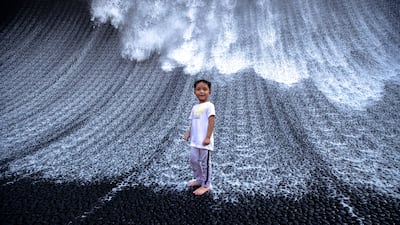
Time for a paddle in a giant water installation near the Al Wasl Plaza at Expo 2020 Dubai. Victor Besa / The National. -

But the stone walls can be tricky to climb. Victor Besa / The National. -
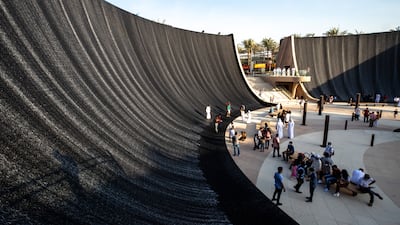
Visitors walk in the Expo 2020 Dubai Surreal waterfall area. Victor Besa / The National. -
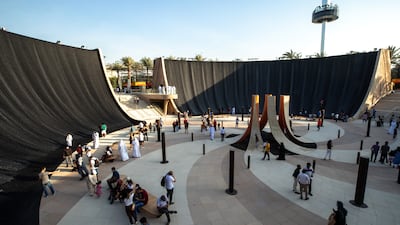
Visitors wait for walls of water to tumble from four storeys high at Surreal, an installation created for Expo 2020 Dubai. Victor Besa / The National. -
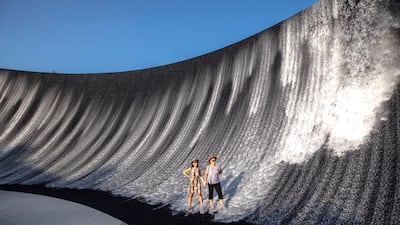
Surreal, a ring of waterfalls, has become a must-see feature of the world's fair. Victor Besa / The National. -
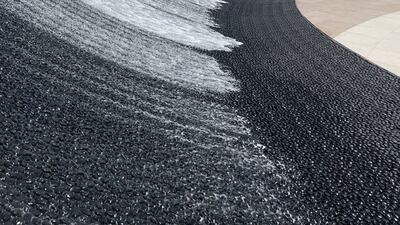
A water feature at Expo 2020 Dubai. Waves crashing down the walls in the circular arena can help to keep visitors cool. James Langton / The National -
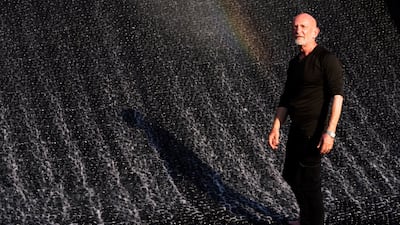
Mark Fuller, chief executive of Los Angeles firm WET, watches Surreal, a water feature designed by his company. AP Photo -
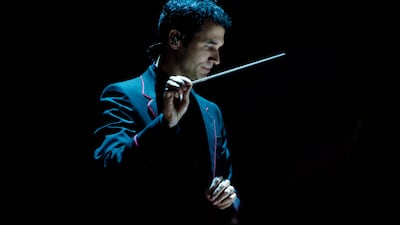
Composer Ramin Djawadi wrote an original score, Surreal, for the Expo 2020 Dubai water feature. It was recorded with a live orchestra in London. Photo: WET -

The music for the falls was created by Djawadi, a Game of Thrones composer and two-time Emmy award winner. Photo: WET -

Children enjoy the Expo 2020 Dubai water feature. Victor Besa / The National. -

The walls are streaked with colour at night. Photo: WET -
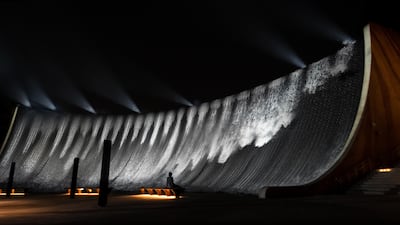
The movement of the waves is choreographed to orchestral music specially recorded for the Expo 2020 Dubai installation. Photo: WET -
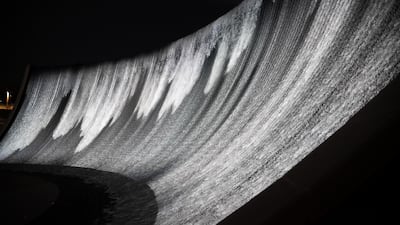
The falls were designed by WET, a Los Angeles company that created the Burj Khalifa fountains. Photo: WET -
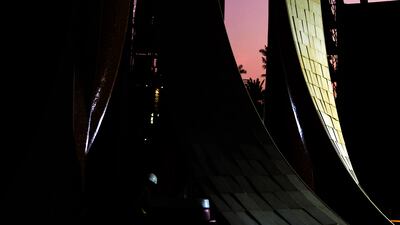
Stone spires at the centre of the water ring shoot flames out at night. Photo: WET -
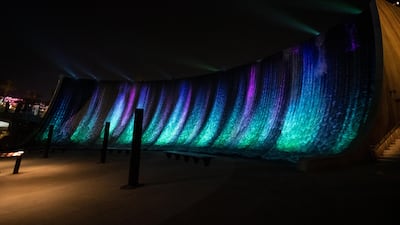
A view of the new water feature by night. Photo: WET -
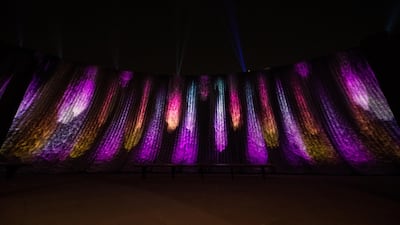
The walls are streaked with colour at night. Photo: WET -

Viewing platforms give spectators a sense of the waterfalls, which plunge four storeys. Photo: WET -
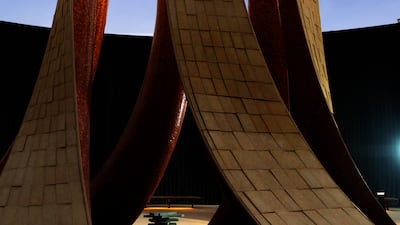
Water and fire are two elements at the heart of the Surreal installation at Expo 2020 Dubai. Photo: WET -

Early sketches show how the artists conceptualised the water installation at Expo 2020 Dubai. Photo: WET -

Full-size models were built from wood, much like in a movie set, at WET's testing laboratory in California. Photo: WET -

The models helped designers to tell which changes needed to be made to the structure. Photo: WET -

The wood frame of one model. Photo: WET


Do not miss the light and sound show at dusk at Al Wasl Plaza and the dramatic fire-spitting waterfall is a must-see.
Also, the three thematic pavilions have thought-provoking exhibits, while the ever-popular UAE pavilion tells the story of the Dreamers.
Palestine's pavilion entertains all five senses, while Saudi Arabia's facade and LED floor are a marvel, and the Philippines' pavilion includes incredible works of art both inside and outside the six-storey structure.
Remember to pop inside the smaller pavilions as well, they are all staffed with enthusiastic, knowledgeable people who can not wait to tell you all about the attractions their countries have to offer.

