


At almost exactly the moment Timo Werner was slotting in his hat-trick goal for RB Leipzig, Chelsea, who sold the striker last month, were throwing away a lead at Southampton.
Unfortunate coincidences like Tuesday’s tend to stalk the London club, a place where footballers move in and out frequently with a tendency to up their form after departing Stamford Bridge.
The list is long and notorious. It’s ten years this summer since Kevin de Bruyne was first shipped off the premises. It’s nine seasons since Mohamed Salah was signed, only to be marginalised and then let go.
Chelsea may not suffer the same enduring regret over Werner even if, two seasons on from joining Chelsea from Leipzig, he has made his return journey to east Germany look like a ticket to immediate contentment.
Werner has four goals from four matches since rejoining his former employer, although, admittedly, Tuesday’s three within 24 first-half minutes were in an 8-0 Cup win over fourth-tier Teutonia Ottensen.
Werner may come to miss the cut-and-thrust of the Premier League in time, although he will be relieved not to be part of the finger-pointing at Chelsea that starts with the manager Thomas Tuchel.
After Chelsea conceded a lead for the third time in five Premier League matches, losing 2-1 at Southampton, Tuchel repeatedly called the performance “soft”. He told the players, via a fiery post-match briefing after the second defeat of the short campaign so far: “Just toughen up. It’s too easy to push us off track.”
Yet plenty of hard cash has been invested by owners who only bought the club in May, a sanctions-driven purchase because of previous boss Roman Abramovich’s perceived links to Russia’s government.
-
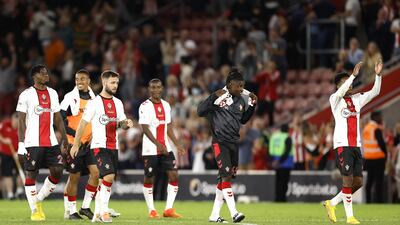
Southampton players celebrate after beating Chelsea 2-1 at St Mary's Stadium on August 30, 2022. PA -
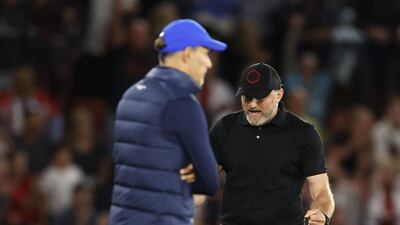
Southampton manager Ralph Hasenhuttl celebrates victory after the final whistle. PA -

Chelsea's Cesar Azpilicueta and Mason Mount applaud fans after the final whistle. PA -
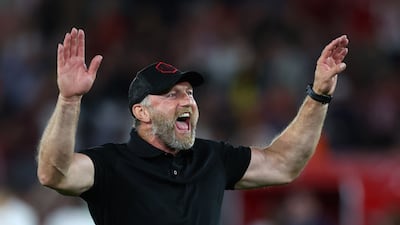
Southampton manager Ralph Hasenhuttl celebrates after the match. Reuters -
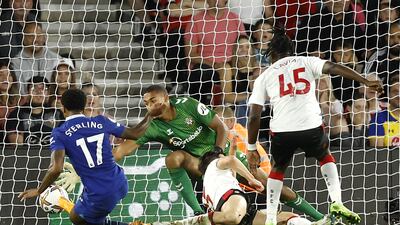
Chelsea's Raheem Sterling scores the opening goal. PA -

Raheem Sterling celebrates after scoring. Getty -
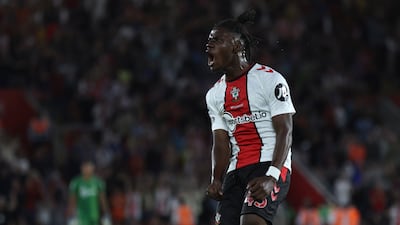
Southampton's Romeo Lavia celebrates after levelling at 1-1. AP -
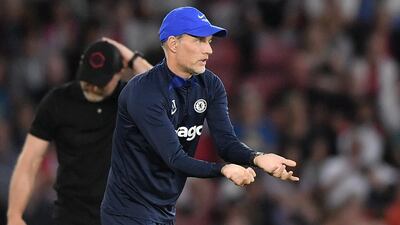
Chelsea manager Thomas Tuchel watches the action. EPA -
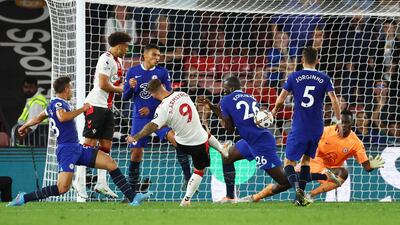
Southampton's Adam Armstrong scores their second goal. Reuters -
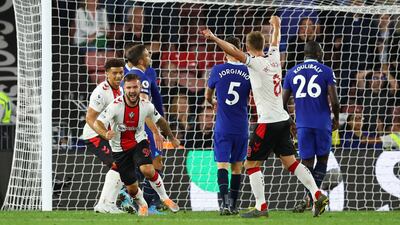
Adam Armstrong celebrates with Che Adams and James Ward-Prowse. Reuters


By the close of Thursday's transfer window, Chelsea may well end up showing the biggest overall spend of a summer market in which the Premier League will have set new records for total outgoing transfer fees.
Wesley Fofana was on Wednesday confirmed as another new Chelsea player, his £70 million move from Leicester City making him the fourth costliest defender in the game’s history and taking the club’s overall close-season spending over £250m.
Yet, over a turbulent summer, Chelsea have also been a soft touch. In the limbo between ownerships, Antonio Rudiger let his contract expire and joined European champions Real Madrid.
Andreas Christensen, another central defender, also left for free, to join Barcelona, who have been shaking up the market more than any club outside England and criss-crossing Chelsea’s path more often than Tuchel would have liked.
One of the preferred targets to fill the gaps left by Rudiger and Christensen’s departures had been Jules Kounde, but he chose to leave Sevilla for Camp Nou rather than for Stamford Bridge.
Marcos Alonso, the experienced left-back, was meanwhile being courted by Barca and, after a long saga of a proposed deal, is preparing to end his six-year stay in London to join Barcelona, where his father played in the 1980s.
150 summer transfers
-
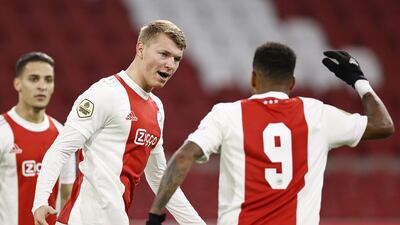
Perr Schuurs - Ajax to Torino (£8m). AFP -
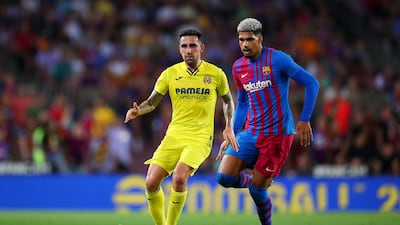
Paco Alcacer - Villarreal to Sharjah (loan). Getty Images -

Matheus Nunes - Sporting to Wolves (£38m). AFP -
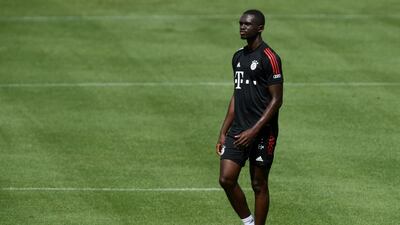
Tanguy Nianzou - Bayern Munich to Sevilla (£16.9m). AFP -
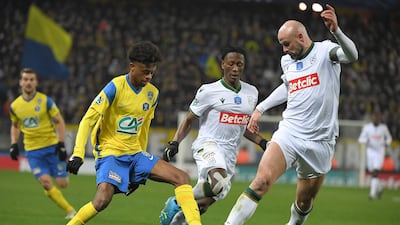
Alan Virginius - Sochaux to Lille (£3.8m). AFP -
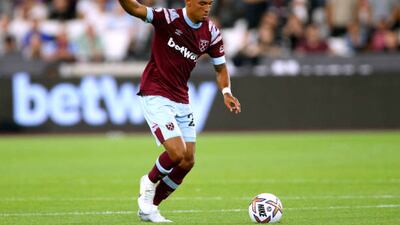
Thilo Kehrer - PSG to West Ham (£10.1m). Getty Images -
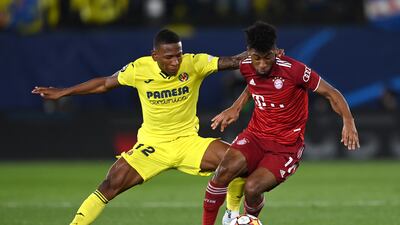
Pervis Estupinan - Villarreal to Brighton (£15.1m). Getty Images -
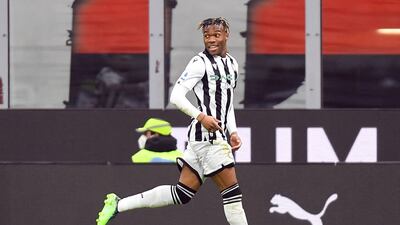
Destiny Udogie - Udinese to Tottenham (£15.1m). Loaned back to Udinese. Reuters -
Sergio Gomez - Anderlecht to Manchester City (£11m). Photo: Manchester City -

Alex Collado - Barcelona to Elche (loan). AFP -
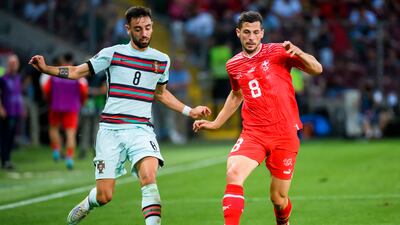
Remo Freuler - Atalanta to Nottingham Forest (£9m). AP -

Marc Bartra - Real Betis to Tranbzonspor (undisclosed fee). Getty Images -

Giovani Lo Celso - Tottenham to Villarreal (loan). Getty Images -
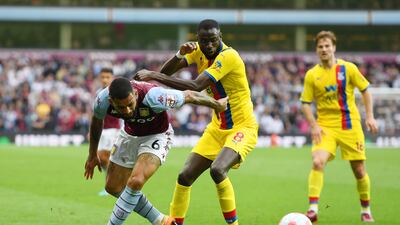
Cheikhou Kouyate - Crystal Palace to Nottingham Forest (free). Getty Images -
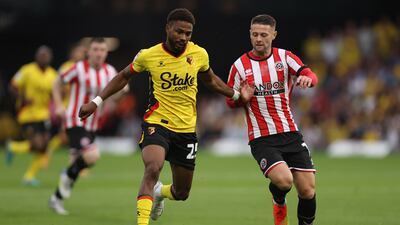
Emmanuel Dennis - Watford to Nottingham Forest (£20m). Getty Images -
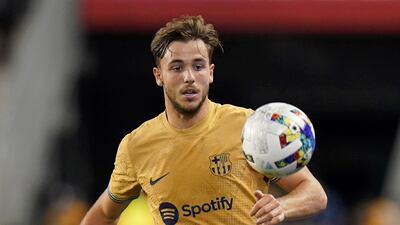
Nico González - Barcelona to Valencia (loan). AP Photo -

Luca Pellegrini - Juventus to Eintracht Frankfurt (loan). AFP -

Daniel Wass - Atletico Madrid to Brondby (£1.7m). EPA -
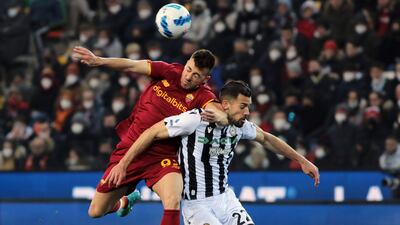
Pablo Marí - Arsenal to Monza (loan). AP -
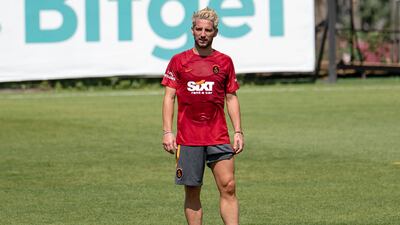
Dries Mertens - Napoli to Galatasaray (free). AFP -
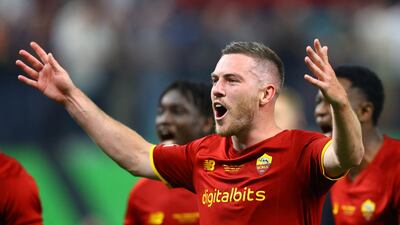
Jordan Veretout - Roma to Marseille (£9.3m). Reuters -
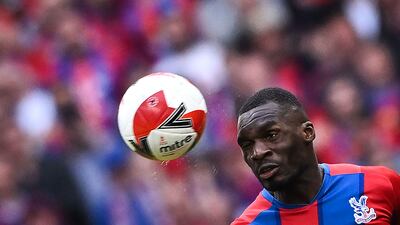
Christian Benteke - Crystal Palace to DC United (undisclosed fee). AFP -
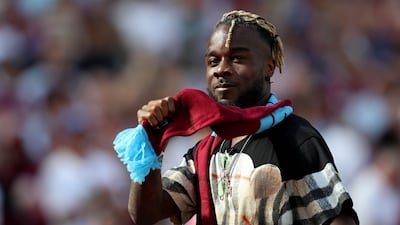
Maxwell Cornet - West Ham United to Burnley (£17.5m). PA -
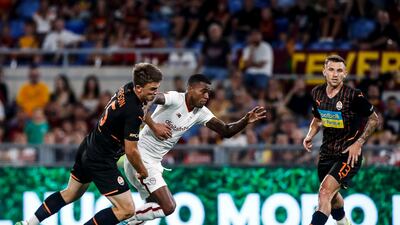
Georginio Wijnaldum - PSG to Roma (loan). AFP -
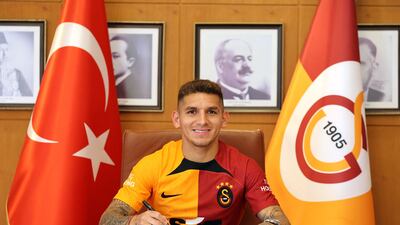
Lucas Torreira - Arsenal to Galatasaray (£5m). AFP -
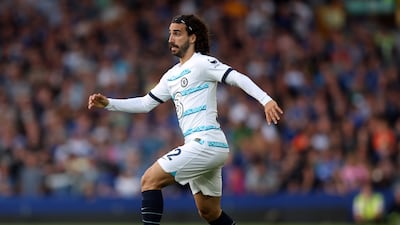
Marc Cucurella - Brighton to Chelsea (£55m). Getty Images -

Ademola Lookman - RB Leipzig to Atalanta (£12.6m). PA via AP -
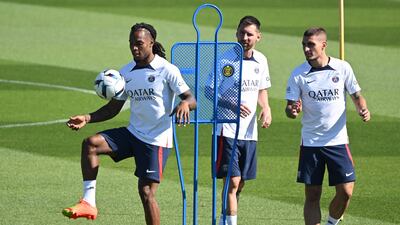
Renato Sanches - Lille to Paris Saint-Germain (£12.6m). AFP -

Riqui Puig - Barcelona to LA Galaxy (free). AP Photo -

Alex Telles - Manchester United to Sevilla (loan). AFP -

Carney Chukwuemeka - Aston Villa to Chelsea (£20m). Reuters -
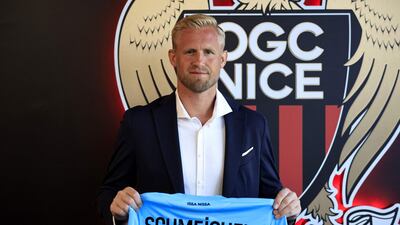
Kasper Schmeichel - Leicester City to Nice (£1m). AFP -
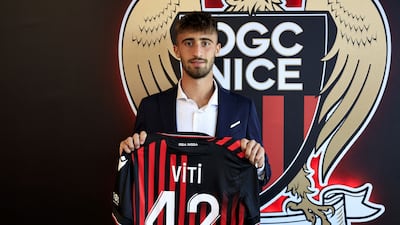
Mattia Viti - Empoli to Nice (£10.9m). AFP -
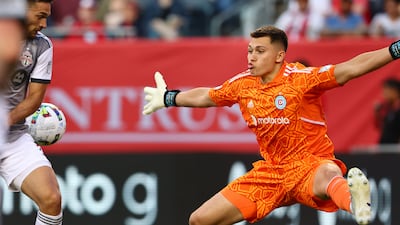
Gabriel Slonina - Chicago Fire to Chelsea (£8.3m). Reuters -
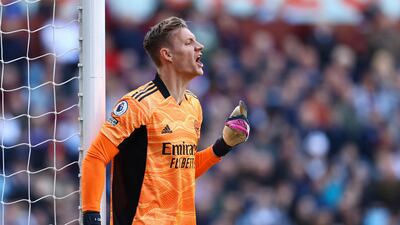
Bernd Leno - Arsenal to Fulham (£3m). AFP -
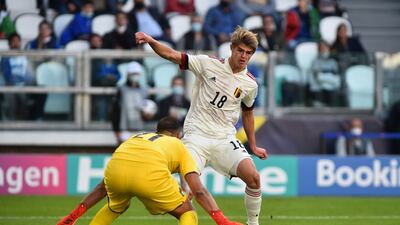
Charles De Ketelaere - Club Brugge to AC Milan (£26.8m). AFP -
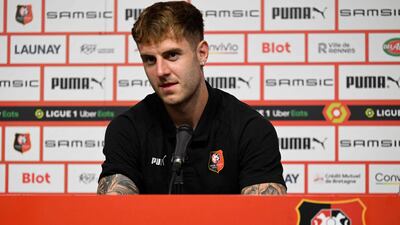
Joe Rodon - Tottenham to Stade Rennais (loan). AFP -

Borja Mayoral - Real Madrid to Getafe (£8.4m). EPA -

Cesc Fabregas - Monaco to Como (free). EPA -

Alexis Beka Beaka - Lokomotiv Moscow to Nice (£11.7m). AFP -
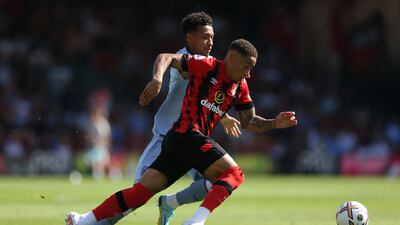
Marcus Tavernier -Middlesbrough to Bournemouth (£10m). Getty Images -

Aaron Ramsey - Juventus to Nice (free). AFP -
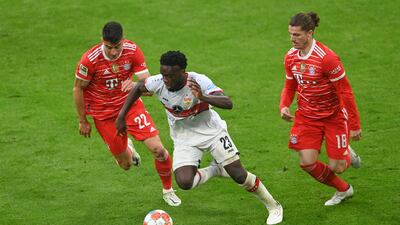
Orel Mangala - Stuttgart to Nottingham Forest (£12.7m). AFP -
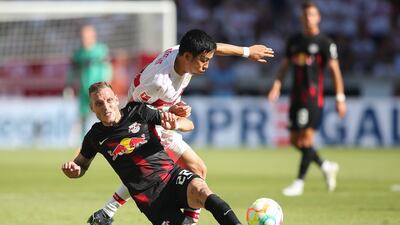
David Raum - Hoffenheim to RB Leipzig (£21.8m). Getty Images -
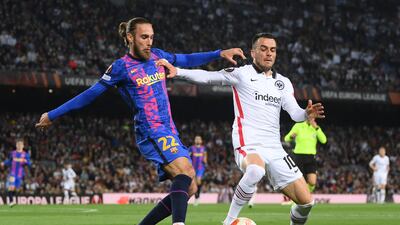
Oscar Mingueza - Barcelona to Celta Vigo (£2.5m). Getty Images -
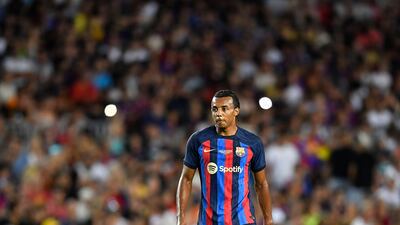
Jules Kounde - Sevilla to Barcelona (£45m). AFP -

Dwight McNeil - Burnley to Everton (£20m). Getty Images -
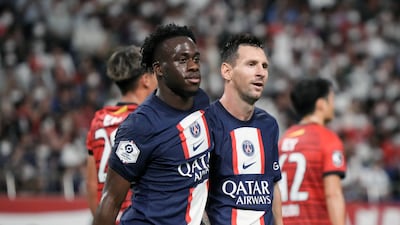
Arnaud Kalimuendo - PSG to Rennes (£21m). Getty Images -
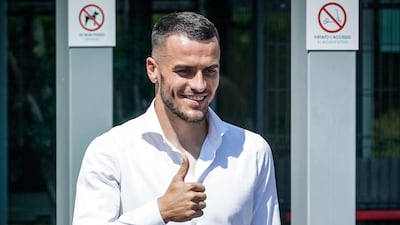
Filip Kostic - Eintracht Frankfurt to Juventus (£14.4m). EPA -
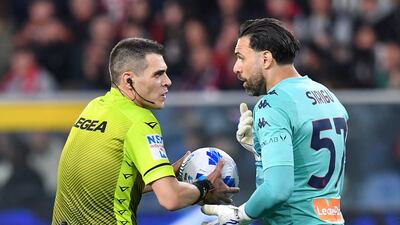
Salvatore Sirigu - Genoa to Napoli (free). Reuters -
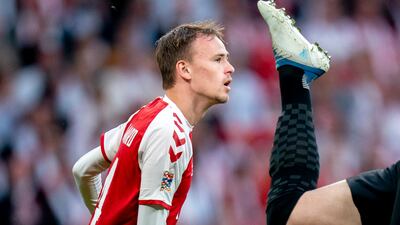
Mikkel Damsgaard - Sampdoria to Brentford (£12.7m). EPA -
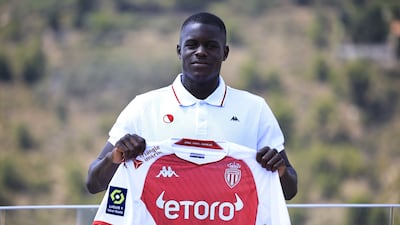
Malang Sarr - Chelsea to Monaco (loan). AFP -
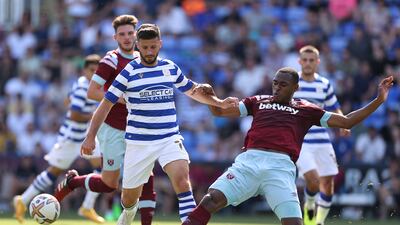
Issa Diop - West Ham United to Fulham (£15m). Getty Images -
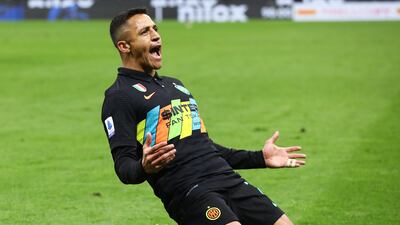
Alexis Sanchez - Internazionale to Marseille (free). Getty Images -
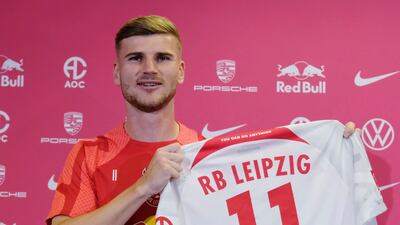
Timo Werner - Chelsea to RB Leipzig (£18m). AP -
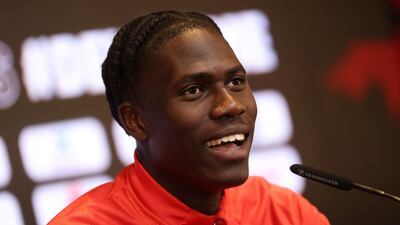
Amadou Onana - Llle to Everton (£33.8m). AFP -

Emirhan Ilkhan - Besiktas to Torino (£3.8m). PA -

Gonçalo Guedes - Valencia to Wolves (£27.5m). AP Photo -

Conor Coady - Wolves to Everton (loan). Getty Images -
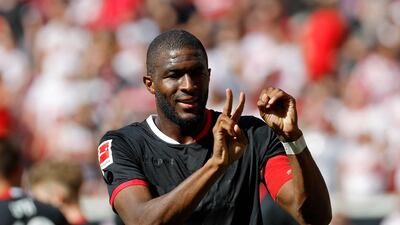
Anthony Modeste - Cologne to Borussia Dortmund (£3.8m). EPA -
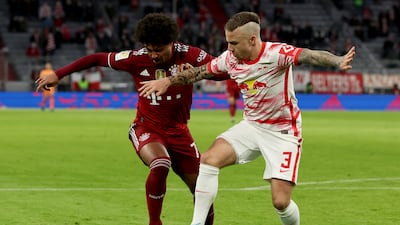
Angeliño - RB Leipzig to Hoffenheim (loan). Getty Images -
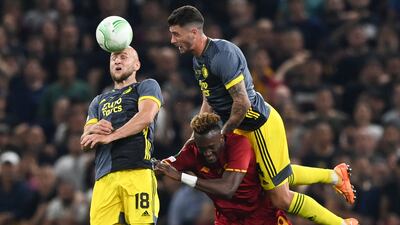
Marcos Senesi - Feyenoord to Bournemouth (£12.6m). AFP -

Isco - Real Madrid to Sevilla (free). EPA -
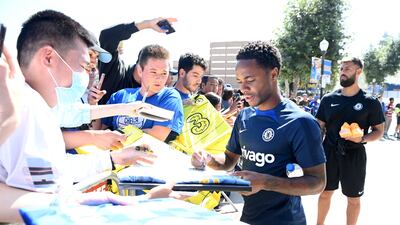
Raheem Sterling - Manchester City to Chelsea (£50m). Getty Images -
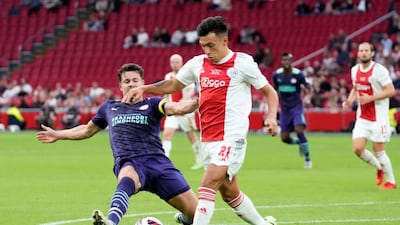
Lisandro Martinez - Ajax to Manchester United (£46m). Getty Images -
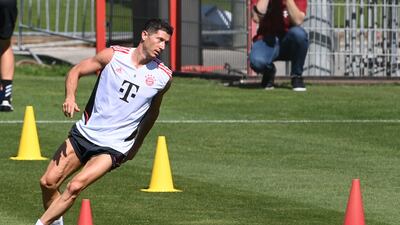
Robert Lewandowski - Bayern Munich to Barcelona (£38.3m). AFP -
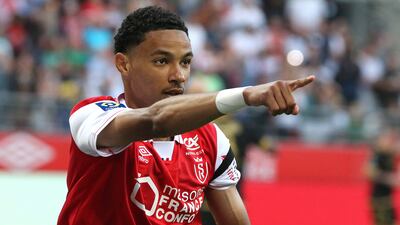
Hugo Ekitike - Reims to Paris Saint-Germain (loan). AFP -

Thomas Henry - Venezia to Verona (£3.8m). Getty Images -

Takefusa Kubo - Real Madrid to Real Sociedad (£5.2m). Getty Images -

Kalidou Koulibaly - Napoli to Chelsea (£33.8m). EPA -

Chancel Mbemba - Porto to Marseille (free). EPA -
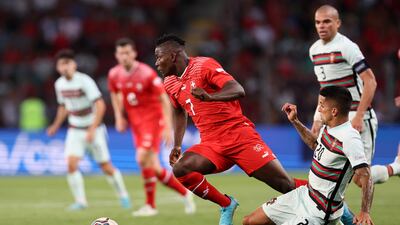
Breel Embolo - Borussa Monchengladbach to Monaco (£10.6m). EPA -
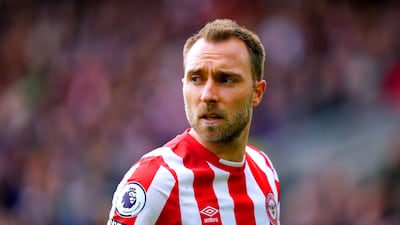
Christian Eriksen - Brentford to Manchester United (free). PA -
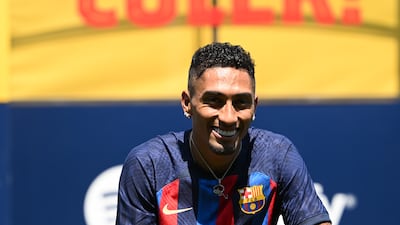
Raphinha - Leeds United to Barcelona (£49m). Getty Images -
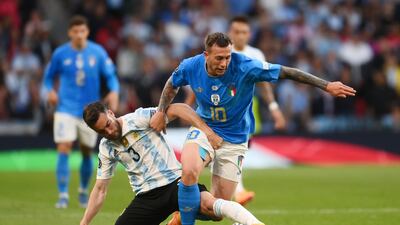
Federico Bernardeschi - Juventus to Toronto FC (free). Getty Images -

Andrea Cambiaso - Genoa to Juventus (£5.9m). Getty Images -
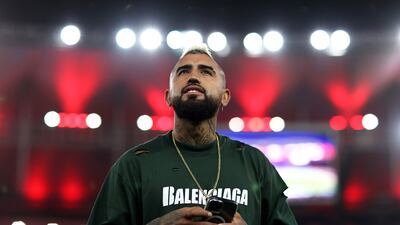
Arturo Vidal - Inter Milan to Flamengo (free). Getty Images -

Mohamed Bayo - Clermont to Lille (£11.8m). AFP -
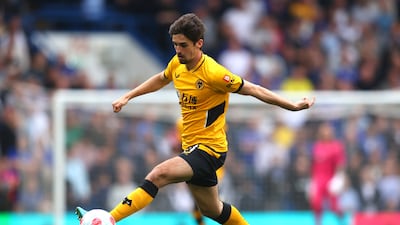
Francisco Trincao - Barcelona to Sporting (loan). Getty Images -
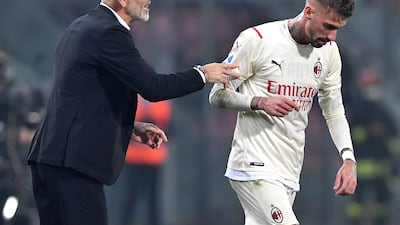
Samu Castillejo - AC Milan to Valencia (undisclosed fee). PA -

Lewis Ferguson - Aberdeen to Bologna (£3m). PA -

Keane Lewis-Potter - Hull City to Brentford (£16m). PA -
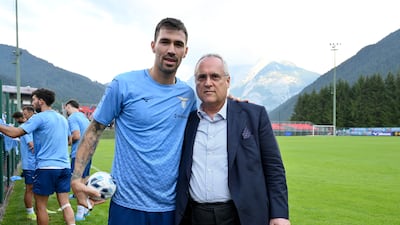
Alessio Romagnoli - AC Milan to Lazio (free). Getty Images -
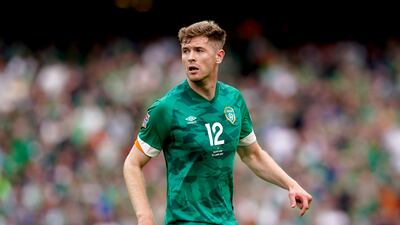
Nathan Collins - Burnley to Wolves (£20.5m). PA -
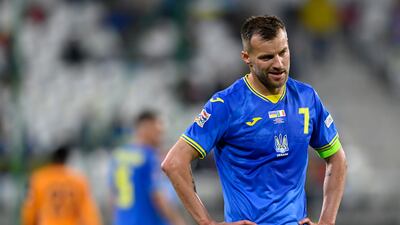
Andriy Yarmolenko - West Ham United to Al Ain (free). AP Photo -
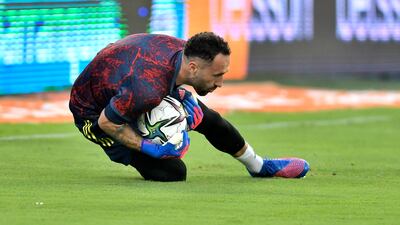
David Ospina - Napoli to Al Nassr (free). Getty Images -
Kristian Thorstvedt - Genk to Sassuolo (£8.4m). Reuters -
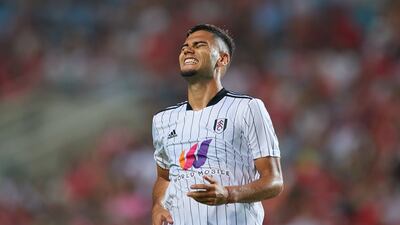
Andreas Pereira -Manchester United to Fulham ( £10m). Getty Images -
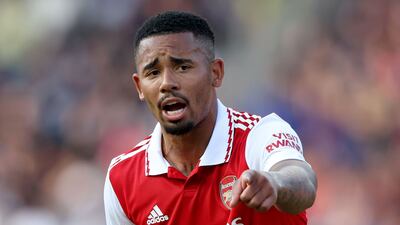
Gabriel Jesus - Manchester City to Arsenal (£45m). Getty Images -
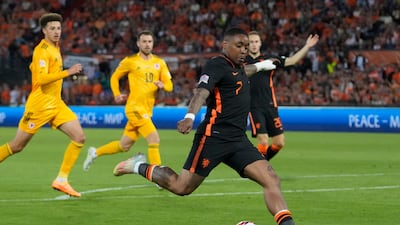
Steven Bergwijn - Tottenham Hotspur to Ajax (£26.5m). AP Photo -
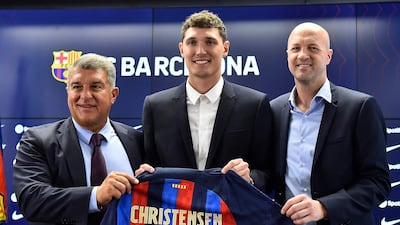
Andreas Christensen - Chelsea to Barcelona (free). AFP -
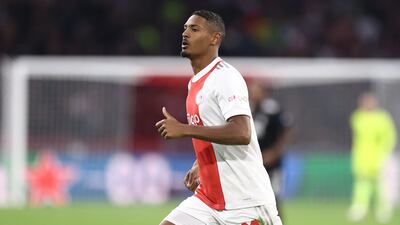
Sébastien Haller - Ajax to Borussia Dortmund (£30.8m). AFP -
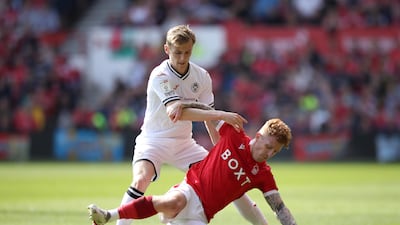
Flynn Downes - Swansea City to West Ham United (£12m). PA -
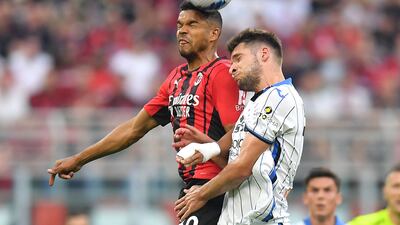
Junior Messias - Crotone to AC Milan (£3.8m). Reuters -
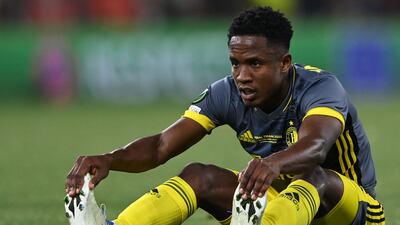
Luis Sinisterra - Feyenoord to Leeds United (£21.3m). AFP -

Brais Méndez - Celta Vigo to Real Sociedad (£12.8m). Getty Images -

Moussa Niakhaté - Mainz to Nottingham Forest (£8.7m). Getty Images -
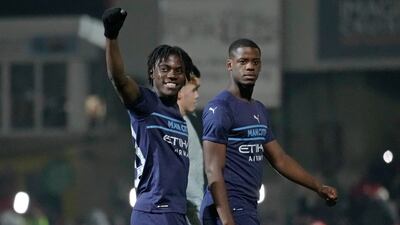
Romeo Lavia - Manchester City to Southmpton (£12m). AP Photo -
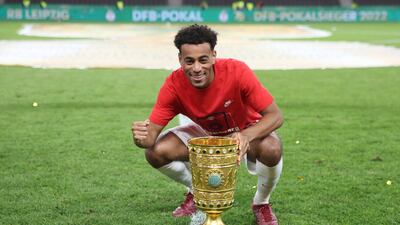
Tyler Adams - RB Leipzig to Leeds United (£20m). AP -
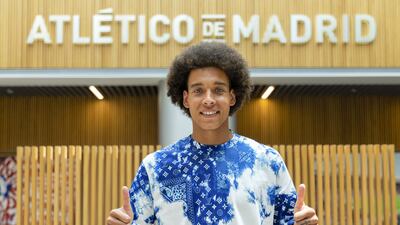
Axel Witsel - Borussia Dortmund to Atletico Madrid (free). EPA -

Maya Yoshida - Sampdoria to Schalke (free). AP Photo -
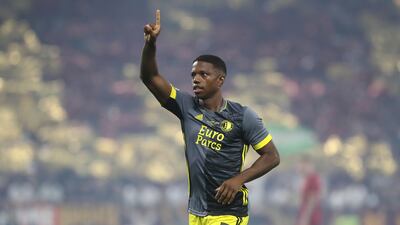
Tyrell Malacia - Feyenoord to Manchester United (£12.9m). AP Photo -
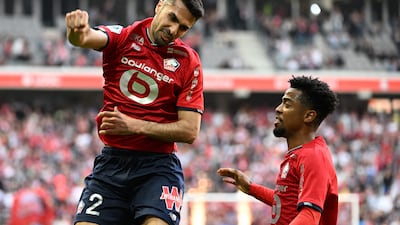
Zeki Celik - Lille to Roma (£6m). AFP -

Ritsu Doan - PSV Eindhoven to Freiburg (£6.5m). AFP -
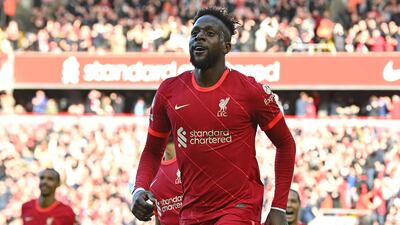
Divock Origi - Liverpool to AC Milan (free). AFP -
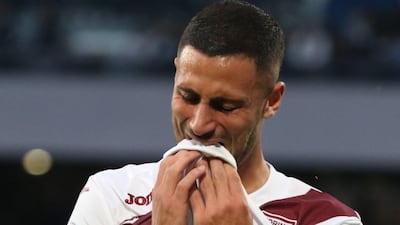
Rolando Mandragora - Torino to Fiorentina (£7m). EPA -
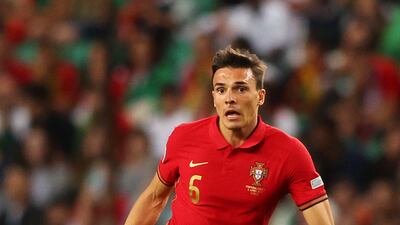
Joao Palhinha - Sporting to Fulham (£17m). Getty Images -
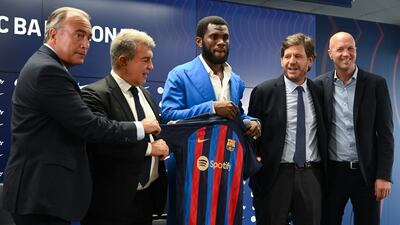
Franck Kessie - AC Milan to Barcelona (free). Getty Images -
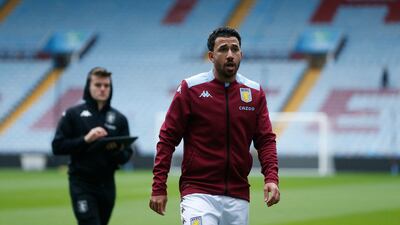
Trezeguet - Aston Villa to Trabzonspor (£3.4m). AFP -

Kalvin Phillips - Leeds United to Manchester City (£45m). Reuters -

Giulian Biancone - Troyes to Nottingham Forest (£5m). AFP -

Giuliano Simeone - Atletico Madrid to Real Zaragoza (loan). EPA -

Raoul Bellanova - Cagliari to Inter Milan (loan). Getty Images -
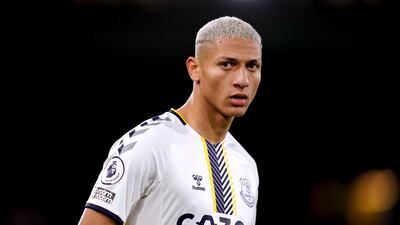
Richarlison - Everton to Tottenham (£50 million). PA -

Fabio Carvalho - Fulham to Liverpool (£5 million). PA -
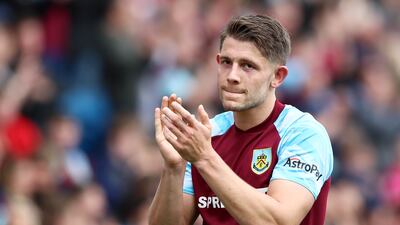
James Tarkowski Burnley to Everton (free). Getty Images -
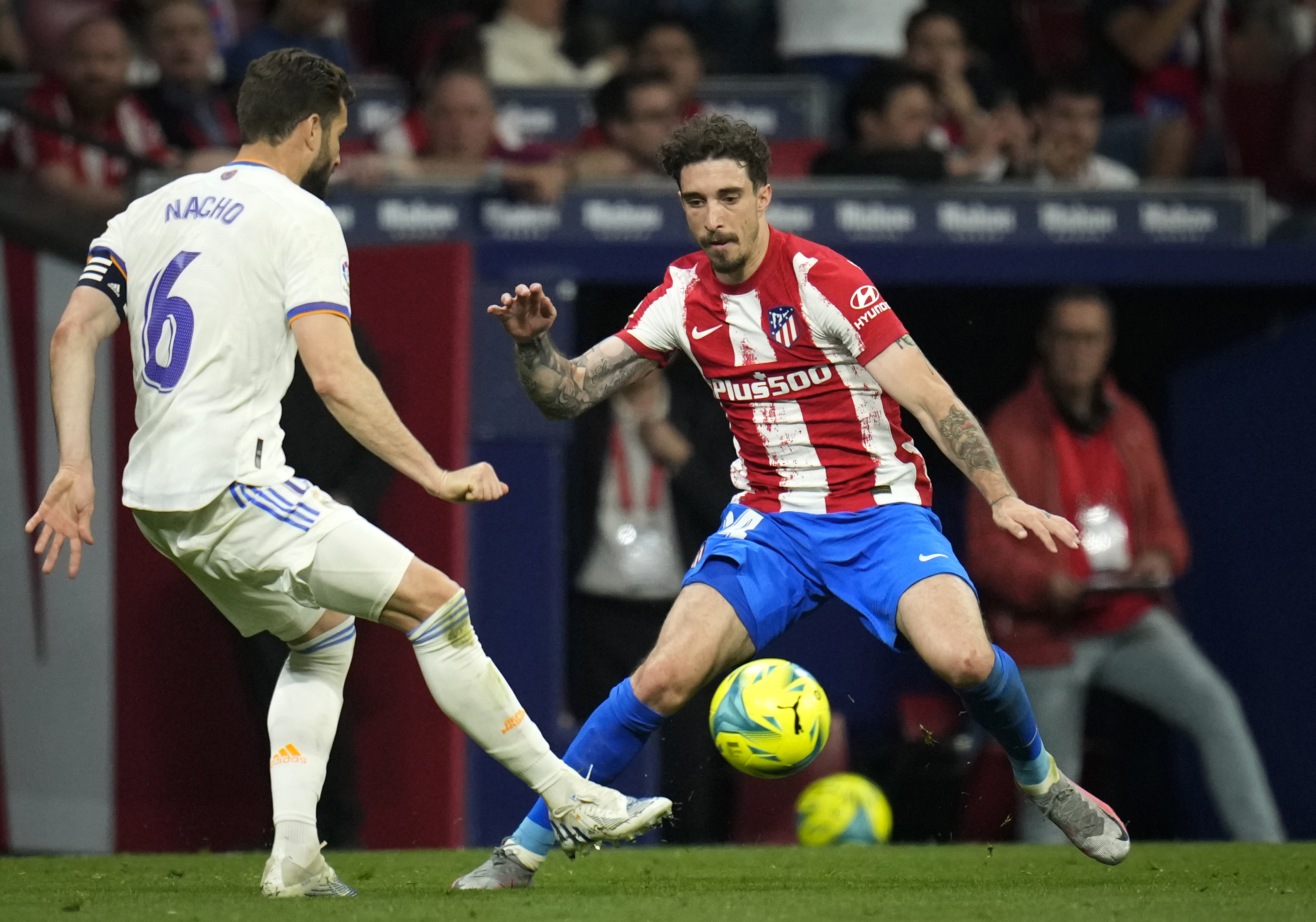
Sime Vrsaljko - Atletico Madrid to Olympiakos (free). AP Photo -
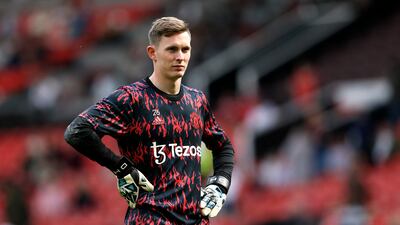
Dean Henderson - Manchester United to Nottingham Forest (loan). PA -

Luuk de Jong - Sevilla to PSV Eindhoven (£3.4m). AP Photo -
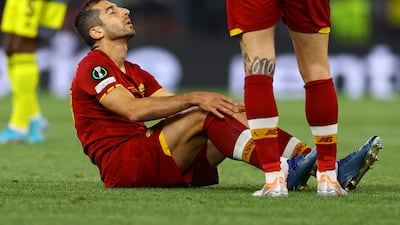
Henrikh Mkhitaryan - Roma to Inter Milan (free). Reuters -
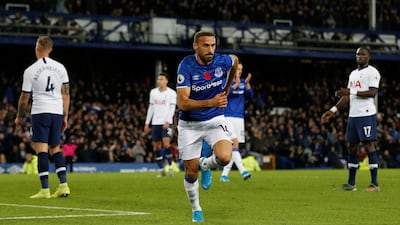
Cenk Tosun - Everton to Besiktas (free). Reuters -

Andre Onana - Ajax to Inter Milan (free). Getty -
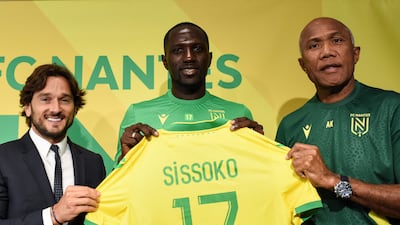
Moussa Sissoko - Watford to Nantes (£2m). AFP -
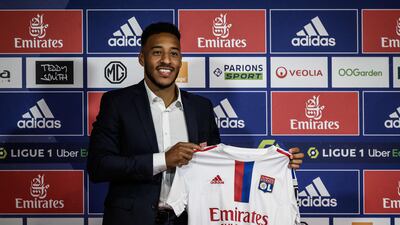
Corentin Tolisso - Bayern Munich to Lyon (free). AFP -

Vitinha - Porto to Paris Saint-Germain (£34m). AFP -
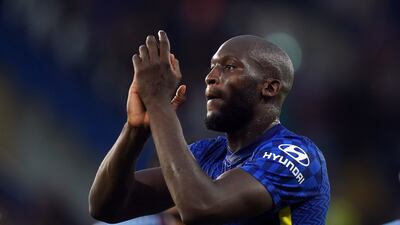
Romelu Lukaku - Chelsea to Inter Milan (loan). PA -
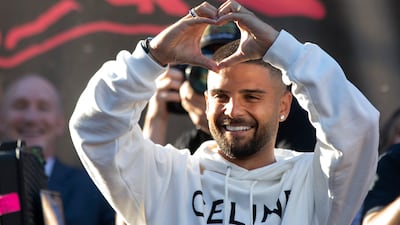
Lorenzo Insigne - Napoli to Toronto FC (free). AP -
Sven Botman - Lille to Newcastle United (£31.9m). AFP -

Takumi Minamino - Liverpool to Monaco (£15.5m). Getty Images -
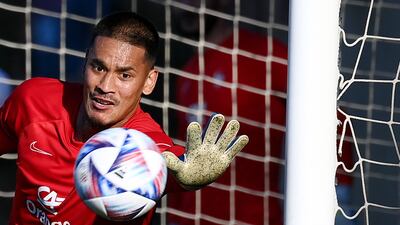
Alphonse Areola - Paris Saint-Germain to West Ham United (£7.8m). AFP -

Lucas Leiva - Lazio to Gremo (free). Getty Images -
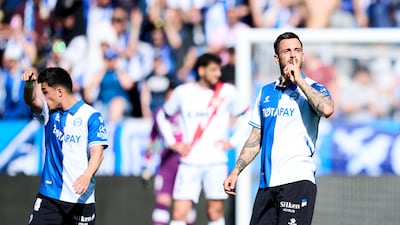
Joselu - Alaves to Espanyol (free). Getty Images -
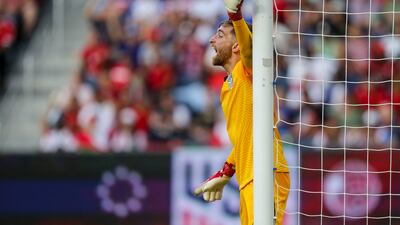
Matt Turner - New England Revolution to Arsenal (£4.7m). Reuters -

Fernandinho - Manchester City to Athletico Paranaense (free). PA -
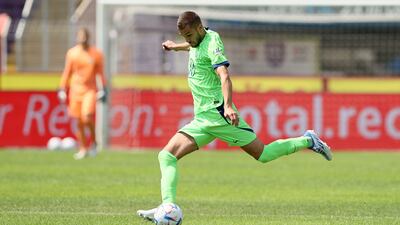
Bartol Franjic - Dinamo Zagreb to Wolfsburg (£6.9m). Getty Images -
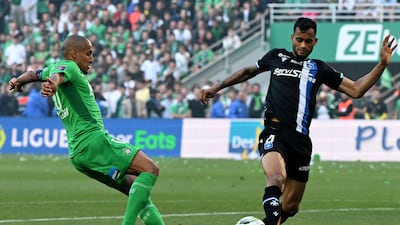
Wahbi Khazri - Saint-Etienne to Montpellier (free). AFP -

Tobias Figueiredo - Hull City to Nottingham Forest (free). PA -
Pietro Pellegri - Monaco to Tornio (£3.9m). Getty Images -
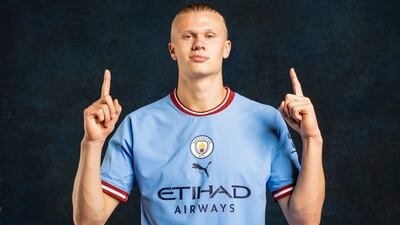
Erling Haaland - Borussia Dortmund to Manchester City. Getty Images -

Malcolm Ebiowei - Derby County to Crystal Palace (undisclosed). PA -
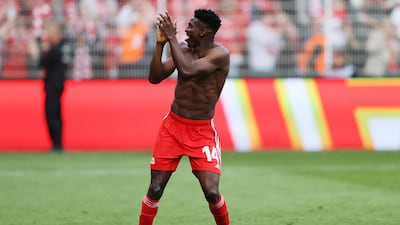
Taiwo Awoniyi - Union Berlin to Nottingham Forest (£17m). Getty Images -
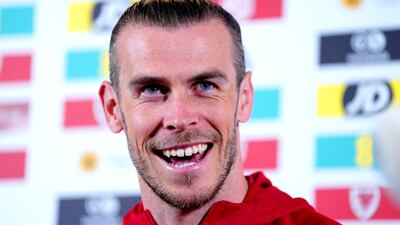
Gareth Bale - Real Madrid to Los Angeles FC (free). PA -
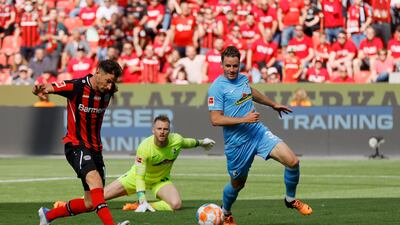
Lucas Alario - Bayer Leverkusen to Eintracht Frankfurt (£5.6m). PA -
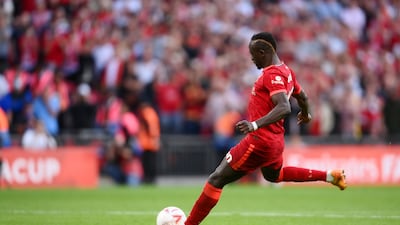
Sadio Mane - Liverpool to Bayern Munich (£28m). Getty Images -
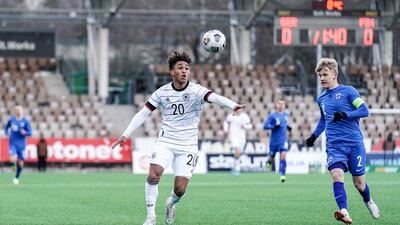
Armindo Sieb - Bayern Munich to Greuther Fürth (undisclosed fee). Getty Images -
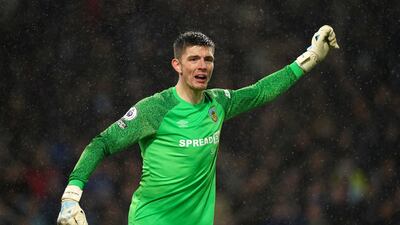
Nick Pope - Burnley to Newcastle (£10m). PA -
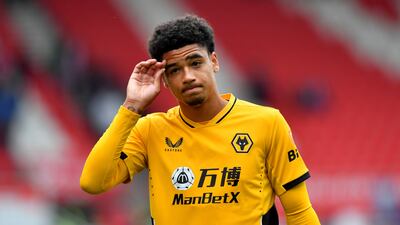
Ki-Jana Hoever - Wolves to PSV Eindhoven (loan). PA -
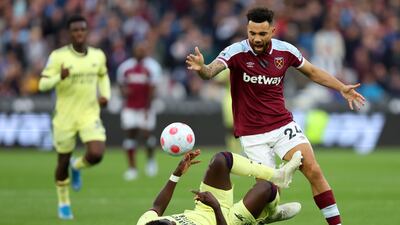
Ryan Fredericks - West Ham United to Bournemouth (free). Getty Images -
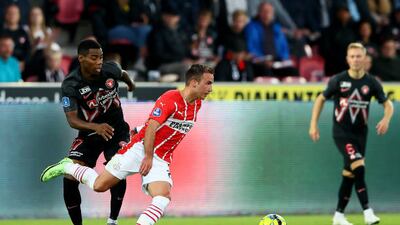
Mario Götze - PSV Eindhoven to Eintracht Frankfurt (£3.4m). Getty Images -

Fabio Vieira - Porto to Arsenal (£30m). EPA -
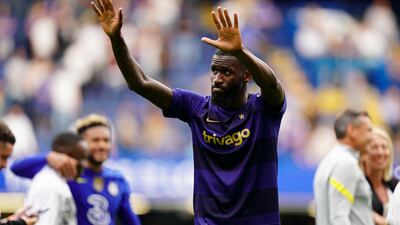
Antonio Rudiger - Chelsea to Real Madrid (free). PA -

Merih Demiral - Juventus to Atalanta (£17.2m). AFP -

Giovanni Simeone - Cagliari to Hellas Verona (£10.3m). AP -

Marc Roca - Bayern Munich to Leeds United (£10m). PA -
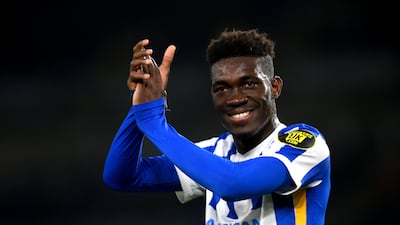
Yves Bissouma - Brighton to Tottenham (£25m). PA -
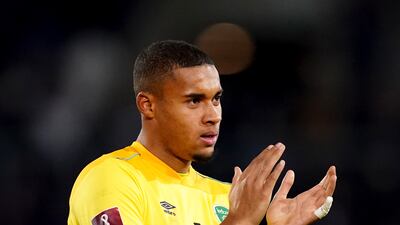
Gavin Bazunu - Manchester City to Southampton (£12m). PA -
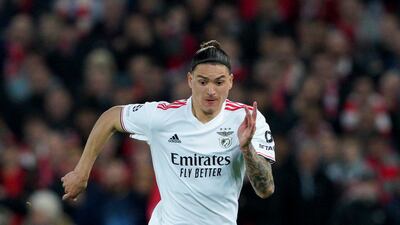
Darwin Nunez - Benfica to Liverpool (£64.3m). PA -
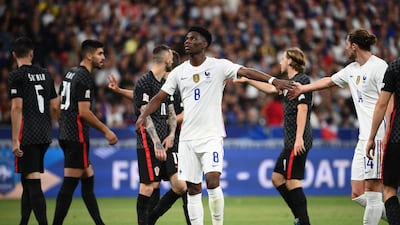
Aurelien Tchouameni - Monaco to Real Madrid (£85.3m). AFP -

Nemanja Matic - Manchester United to Roma (free). EPA -
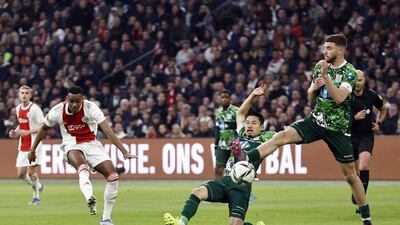
Ryan Gravenberch - Ajax to Bayern Munich (£20m). EPA -
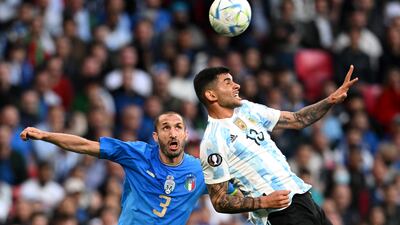
Giorgio Chiellini - Juventus to Los Angeles FC (released). Getty Images -
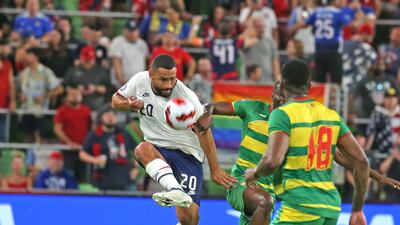
Cameron Carter-Vickers - Tottenham to Celtic (£6m). AFP -
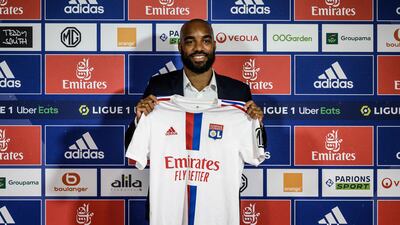
Alexandre Lacazette - Arsenal to Lyon (free transfer). AFP


Barcelona also chased Cesar Azpilicueta, the Chelsea captain finally committing to stay in London. Chelsea have been in advanced talks over Barca’s Pierre-Emerick Aubameyang and sounded out the Catalan club, where the transfer turnover has been hectic, about Frenkie de Jong.
The Aubameyang option found favour with Tuchel, who coached the striker at Borussia Dortmund, and with the player himself. But a deal has been complicated by factors including the length of contract – Aubameyang is 33 – the fee and whether or not a loan deal could be brokered, with Barcelona anxious to reduce their salary bill.
On Monday night, there was also a terrifying incident in Aubameyang’s family home just outside Barcelona. Burglars, apparently armed, broke in, threatening the player and his wife while their children were in the house. Aubameyang reportedly suffered a facial injury, which, quite apart from the shocking experience, will keep him out of action for several weeks.
Having sold Werner for less than half the €53m they paid for him in 2020, and loaned Lukaku back to Internazionale, from whom he was signed for almost €100m in 2021, Tuchel wants attacking reinforcements beyond Raheem Sterling, who signed from Manchester City in July and whose three goals so far are the only ones scored by a Chelsea forward this season.
“Raheem is just one player and as a team we are not strong enough at the moment,” said Tuchel, anticipating a busy last 24 hours before the transfer window shuts.
“We need to find solutions. What will help is the closing of the transfer window. We will know then who has full commitment, what we demand, what role everybody needs to fulfil. And then everybody, including myself, needs to step up to a new level of performance.”

