
Anticipation is growing as UAE residents dream of winning a life-changing Dh100 million jackpot in the country's first regulated national lottery, with its inaugural draw next week.
Tickets for the UAE Lottery are priced at Dh50 and can be purchased on its official website. The eagerly-awaited first draw on December 14 will also be broadcast live.
The authorised lottery has been more than a year in the making and is the result of a major government drive to overhaul the UAE's commercial gaming sector. The General Commercial Gaming Regulatory Authority was established in September last year with the aim to shape a “world-leading regulatory framework for a national lottery and commercial gaming”.
Independent lottery operators were directed to pause their activities in January, with the GCGRA awarding a licence for the national lottery in July to Game LLC under the banner of UAE Lottery.
Now Game LLC has unveiled its lottery draw format, introduced a range of scratch cards offering lucrative prizes and put tickets on sale for the big draw.
Here, The National explains how to play, the prizes you can win and just what are the odds of you landing the winning numbers.
How to watch the first UAE Lottery draw
The milestone draw will take place at 8.30pm on Saturday, December 14 and will be streamed on the UAE Lottery YouTube channel. Draws will then subsequently be held every other Saturday.
For those who do not catch the live drawing, results will be published on the official lottery website. Winners will be notified through their registered player account.
How to play the game?
The Lucky Day lottery draw follows a calendar format, with players asked to select six numbers from a possible 31 from a 'day' section of the online draw card and one number from 12 in the 'month' section. Players must register on the official lottery website to participate. There are 43 numbers in total to pick from.
Lottery hopefuls can either choose their own numbers each week or use the easy pick option on the website, which selects numbers at random.
What are the prizes?
Players who match all seven numbers – six from the 'day' section and the one number from the 'month' section are in line for the Dh100 million top prize. Should there be more than one winning ticket, the windfall will be shared equally.
A Dh1 million second prize is on offer for selecting all six 'day' numbers. A Dh100,000 prize is provided for getting five numbers, plus the 'month' number. Those who select five 'day' numbers or four 'day' numbers and the 'month' number will collect Dh1,000.
How to spend your winnings – in pictures
-
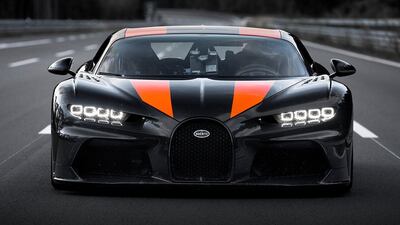
So how would you spend Dh100 million? To truly live life in the fast lane you need a luxury car in the garage. The limited edition Bugatti Chiron Super Sport 300+ is for the most passionate of petrolheads, retailing at more than Dh14 million -
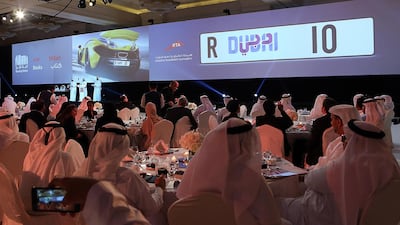
Once you have your flashy new set of wheels, it makes sense to get a personalised number plate. The V12 plate sold for a tidy Dh7.2 million at a previous RTA auction in Dubai. Satish Kumar / The National -

You are already feeling over the moon so why not fly to it? Commercial flights might be commonplace long in the future, but will be the preserve of the rich and famous in the short term at least as space entrepreneurs bid to corner the market -

Travel in style on board Etihad's The Residence. VIP flights come with a host of perks, including a comfy bed. -

When money is no object, why not splash out on a stay at a submarine hotel? This luxurious underwater establishment in St Lucia will set you back Dh1 million a night -

A boost to the bank balance affords one the opportunity to travel the world. How about a trip to Paris once you need a break from lazing around the mansion? -

For those looking to lay down roots in Dubai, there are plenty of spacious villas in Emirates Hills - dubbed the Beverly Hills of the UAE. One of the priciest properties in the area on the market is on sale for Dh14.5 million -
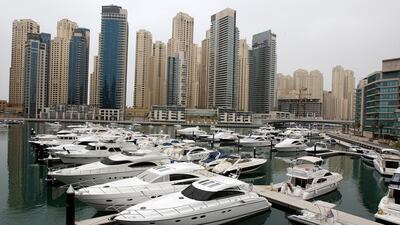
Any self-respecting millionaire has to have a yacht. While a super yacht might be out of the reach of even someone with Dh20 million, you can still pick up a top-of-the-line vessel and still have some change. Pawan Singh / The National -
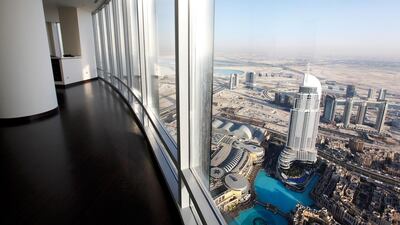
Live the high life with a plush apartment in the world's tallest building, Burj Khalifa. Lavish pads are available for under Dh5 million. Satish Kumar / The National


Players who pick three 'day' numbers and the 'month' number or two 'day' numbers and the 'month number will pick up Dh100.
It is not clear if the Dh100 million jackpot will rollover, meaning it would increase by Dh100 million each week if there is no winner. The UAE Lottery website makes no mention of a rollover, but says that the jackpot prize is set at Dh100 million.
Who is eligible?
Participants must be residents within the UAE who are at least 18. Some independent prize draws had allowed players to enter if based overseas.
Do I need to register?
Players must register an account on the UAE Lottery website to be in be in with a chance of winning big. Users must provide their name, Emirates ID – to prove residence in the country – their date of birth, mobile number, email and create a password.
What are the odds of winning?
As with any large lottery, the chances of winning the mega prize are slim but not impossible. The odds of matching all seven numbers for the Dh100 million jackpot are a daunting 8,835,372 to 1. Prospects increase as the cash prizes drop in value, with a one in 803,216 chance of securing the six balls needed for a cool Dh1 million. Winning the Dh100 prize is a mere one in 12 by comparison.
Lotteries around the world

Lottery fever has spread all over the world, with dozens of countries hosting their own draws with lucrative prizes up for grabs. The Powerball and Mega Millions draws in the US offer eye-watering sums each week.
The largest jackpot for a single ticket was a staggering $997 million (Dh3.6 billion) won in the Powerball draw on November 7, 2022.
The UK's National Lottery – established in 1994 – has made a host of millionaires over the years and has also contributed heavily to good causes through the funds it generates. A record £42 million jackpot was shared by three winning tickets back in 1996.
This cash haul has been exceeded a number of times by the EuroMillions – played in European countries including the UK – with its biggest payout standing at £195 million, won by one lucky ticketholder in the UK in 2022.
Italy's Supernalotto offered a jackpot of €371.1 million last year. One winning ticket was shared by a syndicate of 90 players.
What is commercial gaming?
According to the GCGRA's website, it is the only entity that can regulate, license and supervise commercial gaming activities and centres within the UAE, which include lottery, internet gaming, sports wagering and land-based integrated gaming centres or resorts.
“Commercial gaming” refers to “any game of chance, or combination of chance and skill, where an amount of money, in cash or cash equivalents, is wagered – placed as a bet – for the purpose of winning a sum of money or other valuable items”.

