


Related – UAE salary guide 2021: How much should you be earning?
Employers in the UAE plan to give their staff an average annual pay rise of 4 per cent next year as the labour market improves following pandemic-induced job redundancies and salary cuts, according to new research.
This compares with a 3 per cent salary increase offered, on average, to employees in the UAE this year, the survey by global adviser Willis Towers Watson found.
The company polled 316 companies in the UAE in June about salary budgets and recruitment.
The share of UAE businesses expected to freeze salaries is estimated to fall from 15 per cent this year to 0.6 per cent next year, the survey found.
-
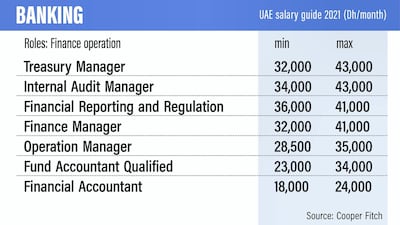
UAE Salary Guide 2021 -
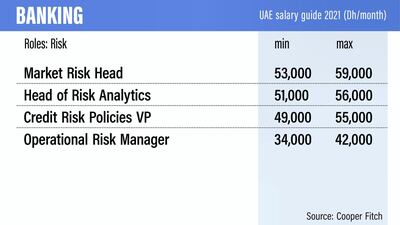
Banking -
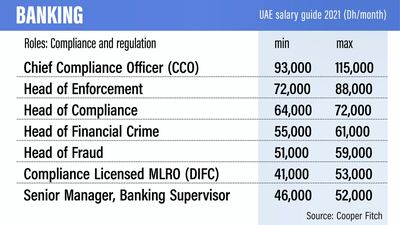
Banking -
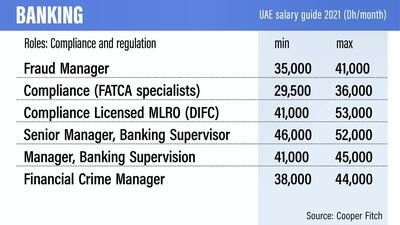
Banking -
Banking -
Banking -
Banking -
Banking -
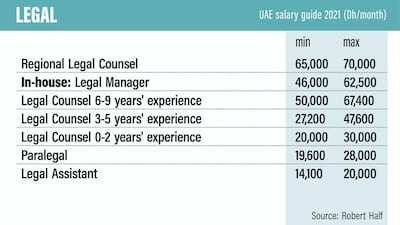
Legal -
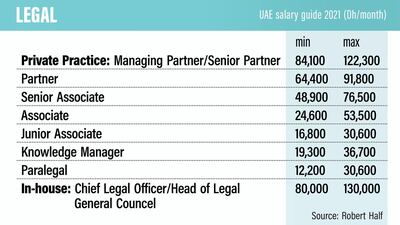
Legal -
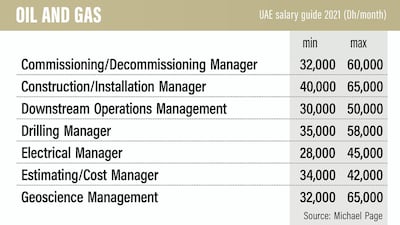
Oil and Gas -
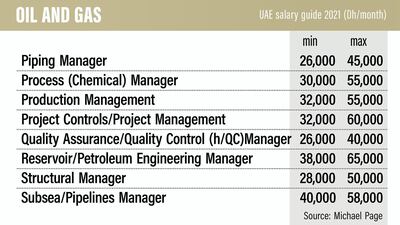
Oil and Gas -
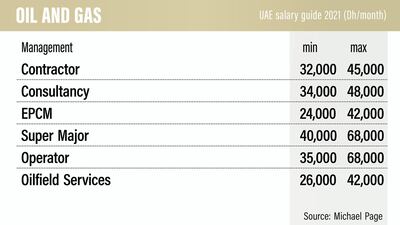
Oil and Gas -
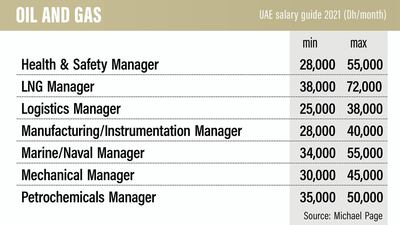
Oil and Gas -
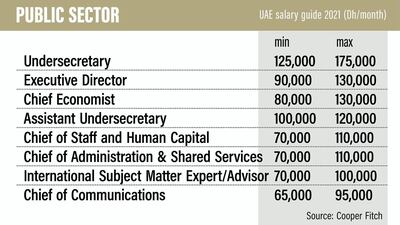
Public sector -
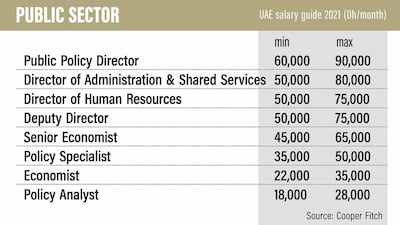
Public sector -
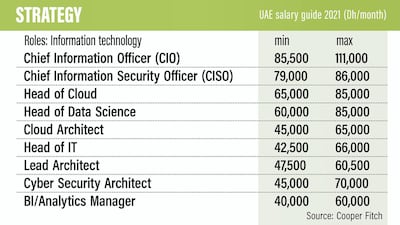
Strategy -

Strategy -
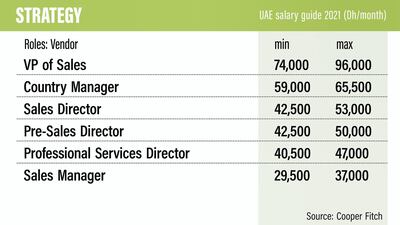
Strategy -
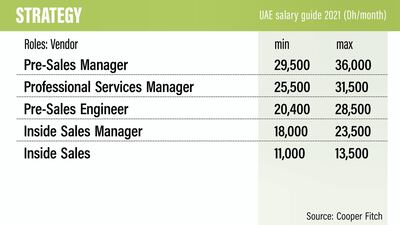
Strategy -
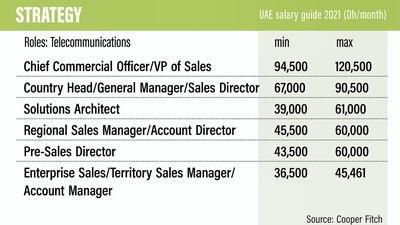
Strategy -
Strategy -
Strategy -
Strategy -
Strategy -
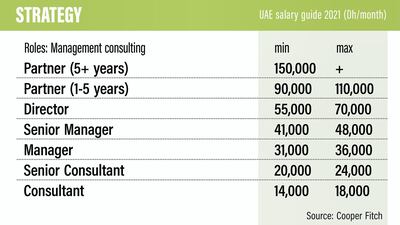
Strategy -
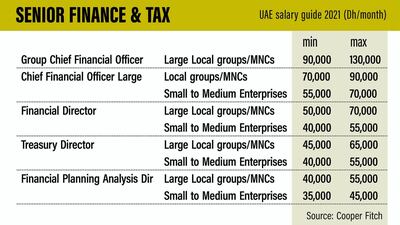
Senior finance and tax -

Senior finance and tax -

Senior finance and tax -
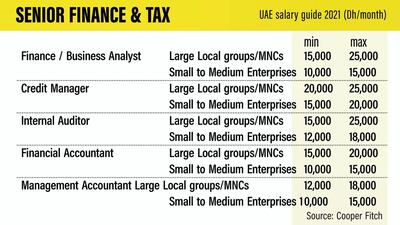
Senior finance and tax -
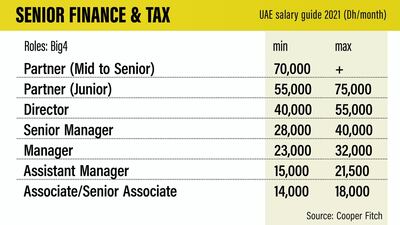
Senior finance and tax -

Senior finance and tax -
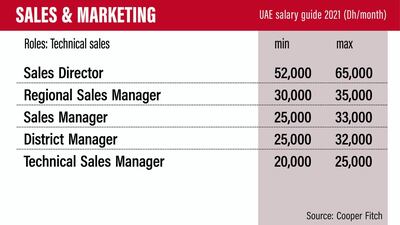
Sales and marketing -
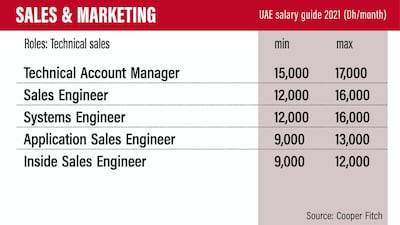
Sales and marketing -
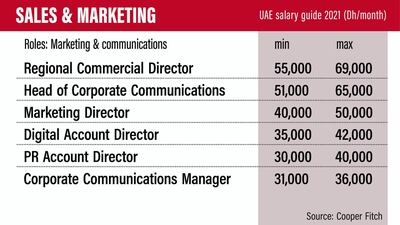
Sales and marketing -
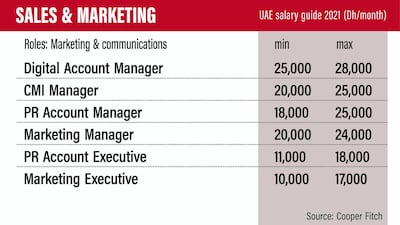
Sales and marketing -
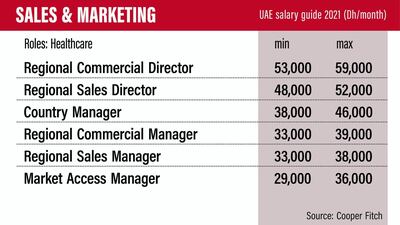
Sales and marketing -
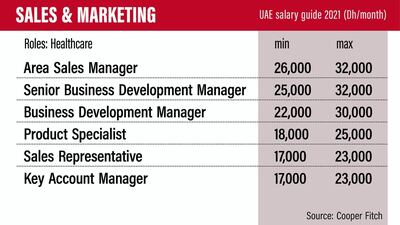
Sales and marketing -
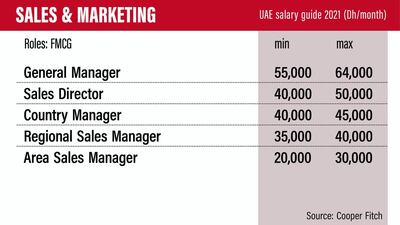
Sales and marketing -
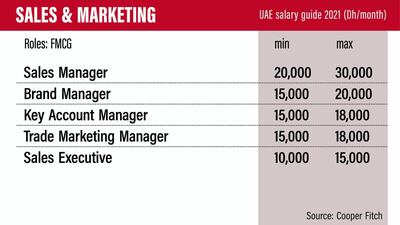
Sales and marketing -
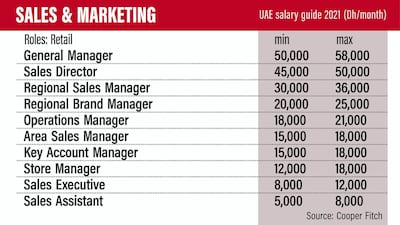
Sales and marketing -
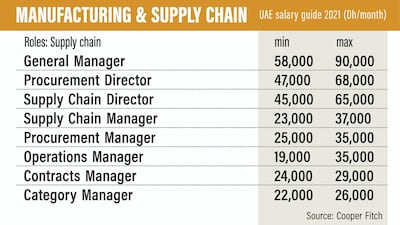
Manufacturing -
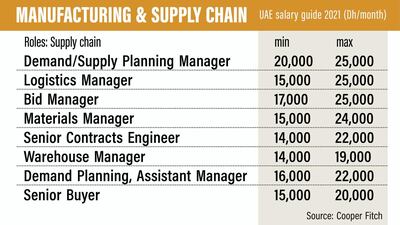
Manufacturing -
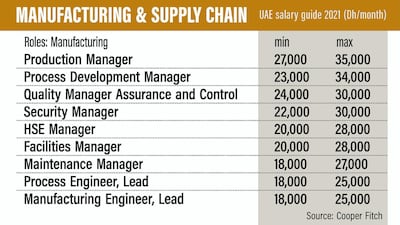
Manufacturing -
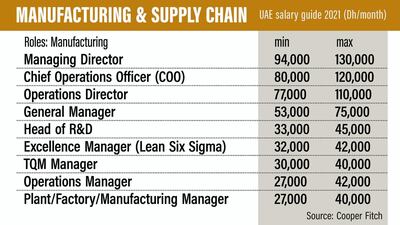
Manufacturing -
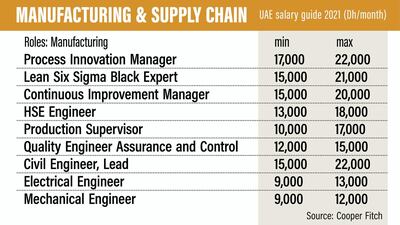
Manufacturing -
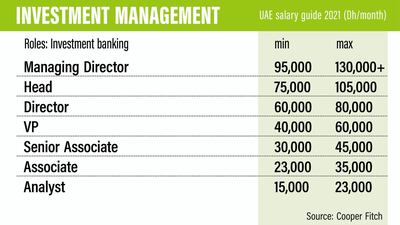
Investment management -
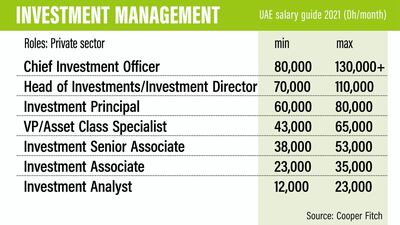
Investment management -

Investment management -
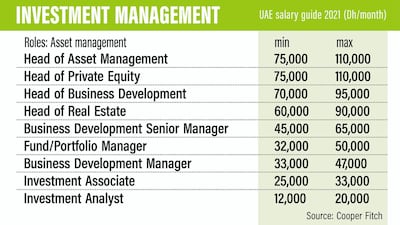
Investment management -
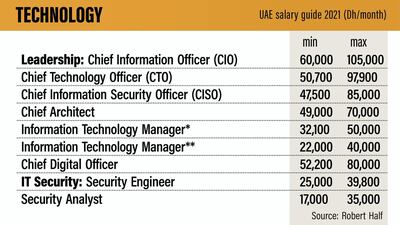
Technology -
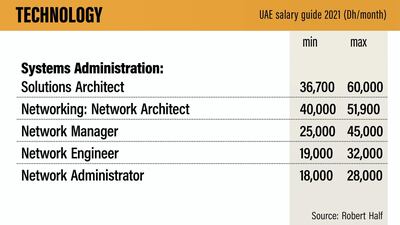
Technology -
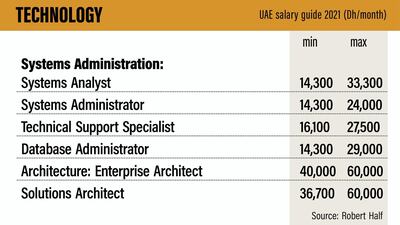
Technology -
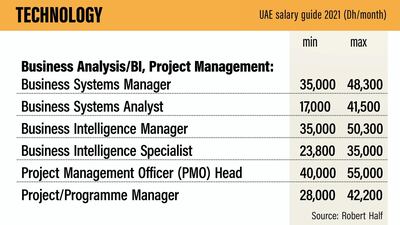
Technology -
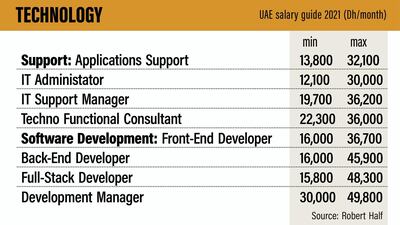
Technology -
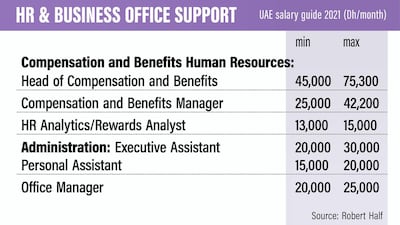
HR and office support -
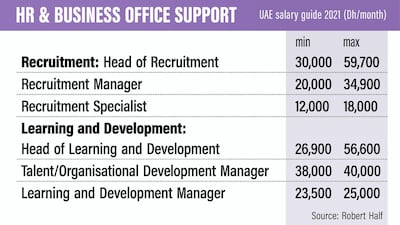
HR and office support -
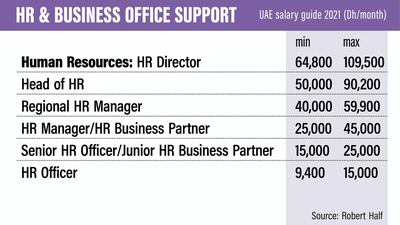
HR and office support -
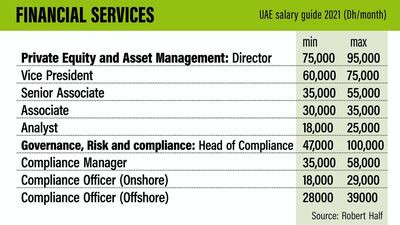
Financial services -
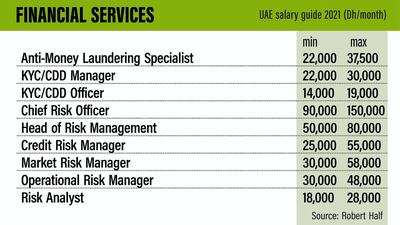
Financial services -
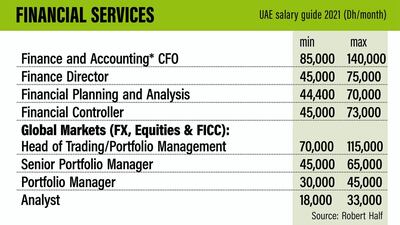
Financial services -
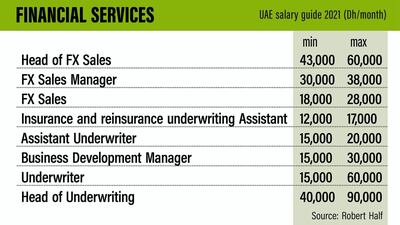
Financial services -
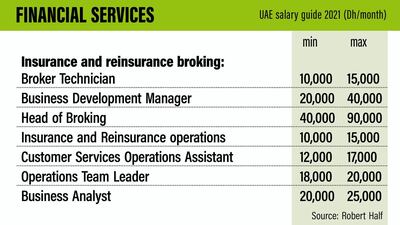
Financial services -
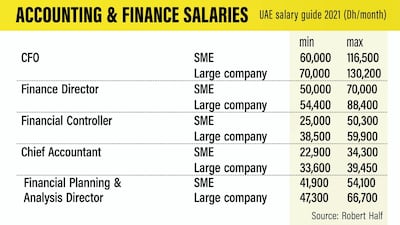
Accounting -
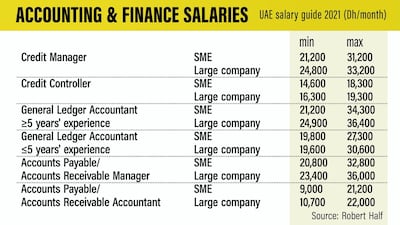
Accounting -
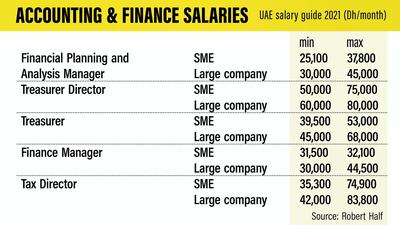
Accounting -
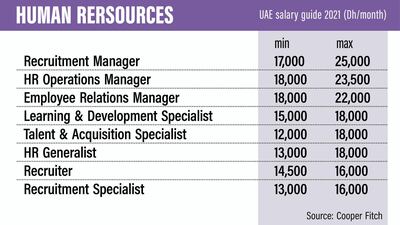
Human Resources -
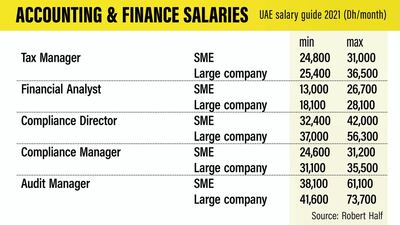
Accounting and finance salaries -
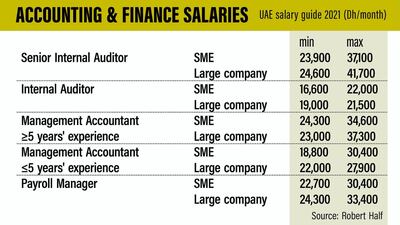
Accounting and finance salaries -

Property and construction -
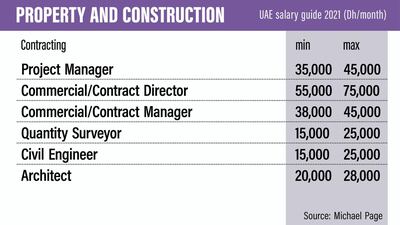
Property and construction -
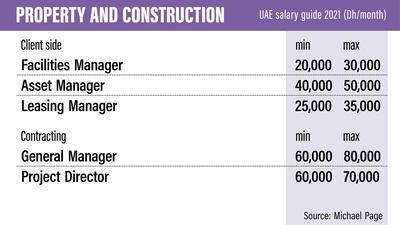
Property and construction -
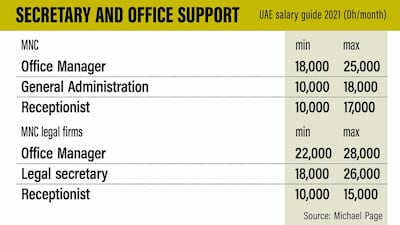
Secretary and office support -
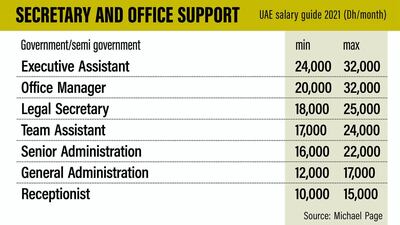
Secretary and office support -
Secretary and office support -
Secretary and office support -
Digital -
Digital -
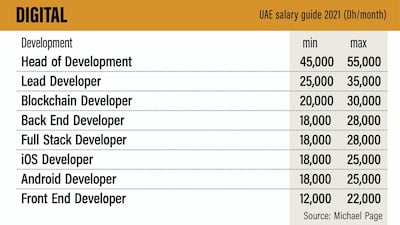
Digital -
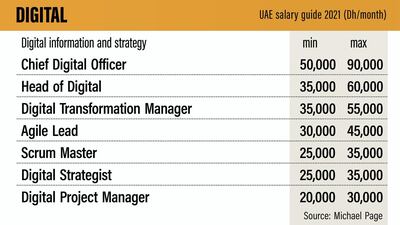
Digital -
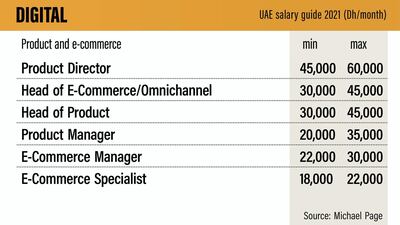
Digital -

Digital -
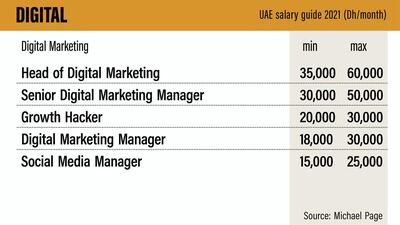
Digital -
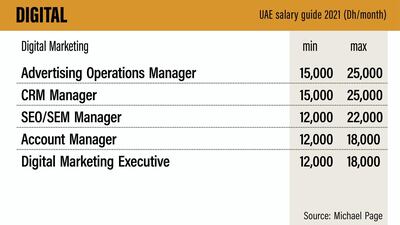
Digital


“Pay budgets have not yet returned to pre-pandemic levels, but employers are showing clear signs of growing optimism and they are reflecting that in their plans for higher pay rises,” Laurent Leclère, senior reward leader for the Middle East at Willis Towers Watson, said.
“In recent months, our conversations with human resource leaders and clients have revealed a more upbeat sense of recovery and growth. These are positive signals in a labour market that has come under heavy stress during the global pandemic.”
The global jobs market, which was badly affected during the pandemic, is showing signs of recovery as economies reopen. Job listings in the UAE have also increased following an economic rebound and as Dubai gears up to host Expo 2020.
A separate report released by recruitment agency Cooper Fitch last year found a majority of companies in the UAE were unlikely to give their employees a pay rise in 2021.
The Cooper Fitch UAE Salary Guide 2021, which polled 200 firms in the UAE, found 45 per cent of companies had not yet decided whether to implement pay rises for staff in 2021.
Average salary increases next year are projected to be higher in the medical technology sector with a 4.4 per cent hike expected, followed by pharmaceuticals and manufacturing with 4.3 per cent each, according to Willis Towers Watson research.
Employees in insurance could expect a 3.2 per cent salary increase in 2022, followed by business consulting with a 3.2 per cent rise, and energy and natural resources at 3.3 per cent, the survey found.
Meanwhile, UAE businesses tried to retain their top performers this year by giving them a pay rise that was 2.7 times greater than for employees on average performance ratings, the survey revealed.
More than half of UAE companies polled said their business outlook is “ahead” or “well ahead” of where they thought it would be, while only 3 per cent said it was below expectations.
About 26 per cent of UAE employers plan to recruit more staff next year, while 64 per cent said they would maintain their current number of employees and 10 per cent expect to cut headcounts, according to the Willis Towers Watson data.
More than half of employers who are recruiting in the UAE said they are trying to fill roles in sales, while 43 per cent are seeking employees for technical skilled trades, 30 per cent are looking to fill engineering positions and 27 per cent are actively hiring in the information technology sector.
The least active recruitment areas are in human resources (3 per cent), finance (4 per cent) and marketing (20 per cent), the survey found.
Demand for software engineers, physicians, network administrators, business operations managers and biomedical engineers is likely to increase in the future, according to a survey conducted by jobs site Bayt.com and market research agency YouGov.
Other roles that will be in demand include systems administrators, designers, data analysts, chemical engineers, nurses and electrical engineers, according to the Bayt.com survey.

“It’s significant that, across many different industry sectors, there has been a real focus on attracting and retaining digital roles,” Mr Leclère said.
“This is largely driven by changes in consumer behaviour since the pandemic started. Digital roles will keep commanding enhanced pay packages as we expect trends that started during Covid to continue or even accelerate.”

