


Two new mosques are opening this month and will be ready to welcome worshippers during the holy month.
Aldar Properties' new mosque in Yas Acres is scheduled to open for prayers on Friday, while another mosque at World Trade Centre Abu Dhabi will be prepared to accept worshippers on April 30.
The Yas Acres mosque will have the capacity for 2,450 people and covers 3,300 square metres, serving not just local residents but surrounding communities as well.
It will have separate facilities for men and women and will also feature a library and a classroom for teaching of the Quran.
The World Trade Centre Abu Dhabi mosque will have capacity for more than 900 worshippers and cover more than 1,950 square metres. Male and female worshippers will be welcome at the facility, which is designed over three floors.
Aldar also plan to build Reem Central Park mosque, scheduled to open later this year, which will bring the number of Aldar mosques to nine. The facility will be able to cater to 2,000 worshippers.
As with all of Aldar's mosques, each of the three new facilities will be Pearl 2 rated – the second highest sustainability rating in Abu Dhabi's Estidama Pearl Rating System.
“Across each of our communities, we prioritise the creation of prayer and worship spaces to cater to the needs of our residents and those living in surrounding neighbourhoods," said Fahad Al Mahmood, chief ventures officer at Aldar Development.
"Our mosques at Yas Acres and World Trade Centre Abu Dhabi have been designed in a contemporary style to provide an uplifting and spiritual experience for worshippers, while adhering to high standards of green building guidelines.
"These new mosques will bring the local community together at a most fitting time, to celebrate the holy month of Ramadan.”
The company has previously built mosques at Ansam, West Yas, Al Ghadeer, Al Falah, Golf Gardens and Watani.
Ramadan 2021 begins around the world – in pictures
-
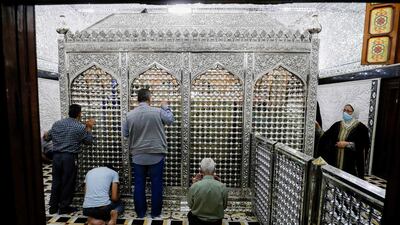
Iraqi men pray at the shrine of Abdel Kader Gilani in central Baghdad, during the month of Ramadan. AFP -
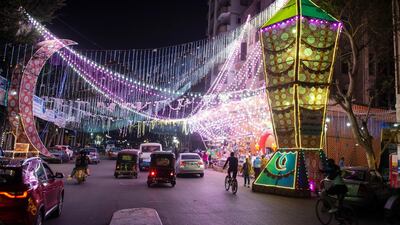
A view of a 20-metre fanous (lantern) in Shoubra district, Cairo, Egypt, made by a Coptic man, in celebration of Ramadan. EPA -
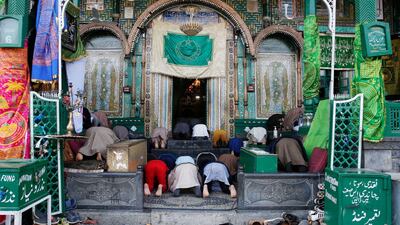
Men offer prayers outside a shrine in Srinagar, the summer capital of Indian Kashmir. EPA -
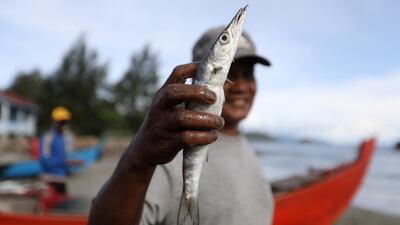
A man shows his catch after fishing in the sea, during a Ramadan morning, in Banda Aceh, Indonesia. EPA -
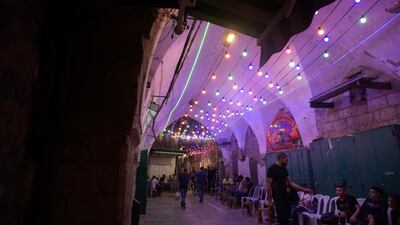
Colorful lights are strung above a cafe where Palestinians smoke water pipes in the Old City of Jerusalem, during the month of Ramadan. AP Photo -
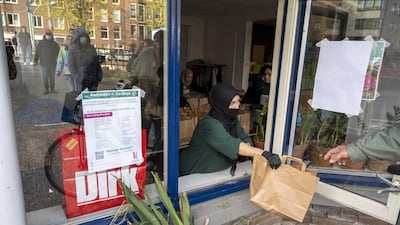
A volunteer from the Samen Sterk Vrouwen West foundation hands out a meal in Amsterdam, The Netherlands. EPA -
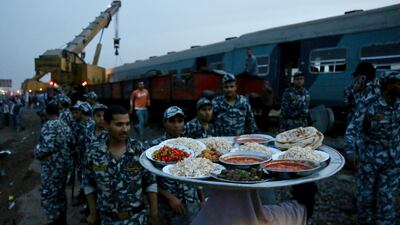
A woman takes food for security forces to break their fast during Ramadan at the site of a passenger train accident near Banha, Qalyubia province, Egypt. AP -
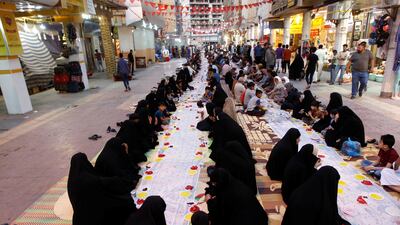
Muslims gather to break their fast on a street in Najaf, Iraq. Reuters -
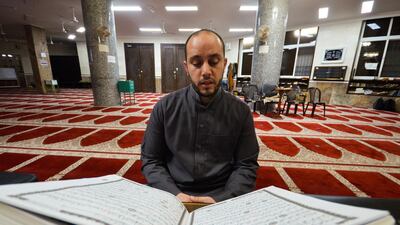
Jordanian imam Eyyas Hajibi reads the Quran inside a mosque in Amman, Jordan. Reuters -
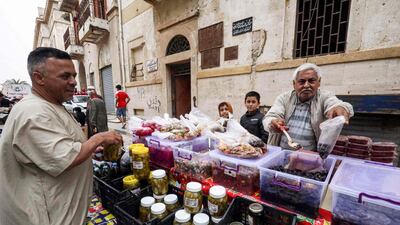
A pickle seller packs merchandise for a customer at his stall at the Souq Al Hout (Whale Market) district of Libya's eastern city of Benghazi during Ramadan. AFP -
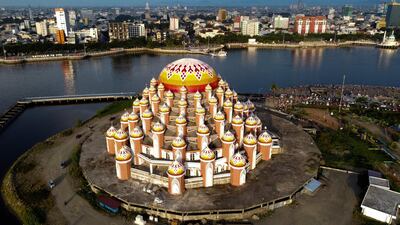
A view of the 99 Domes Mosque in Makassar, Indonesia, during Ramadan. AFP -
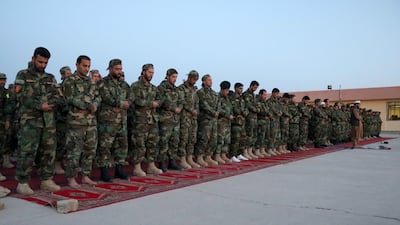
Soldiers of the Afghan National Army pray after ending their fast in Herat, Afghanistan. EPA -
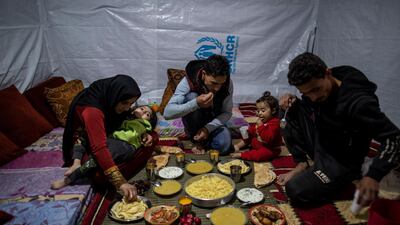
Syrian refugees - Raed Mattar, 24, centre, his wife Ayesha Al Abed, 21, and daughters Rahaf, 6, Rayan, 18 months, and a friend - end their fast at a refugee camp in Tripoli, Lebanon. AP -
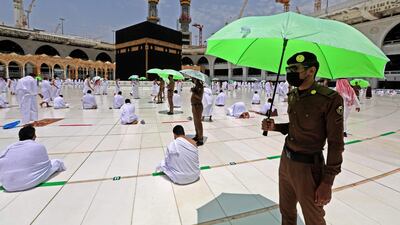
Members of the Saudi security forces with parasols stand guard as worshippers pray around the Kaaba in Makkah. AFP -
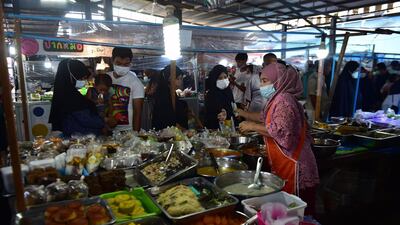
People shop at a market during Ramadan in Thailand's southern province of Narathiwat. AFP -
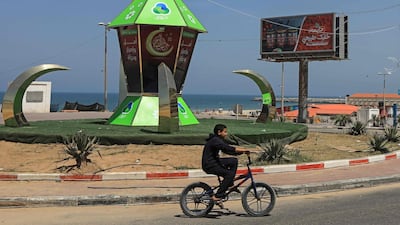
A Palestinian boy rides past a giant traditional lantern known as fanous in Gaza city. AFP -
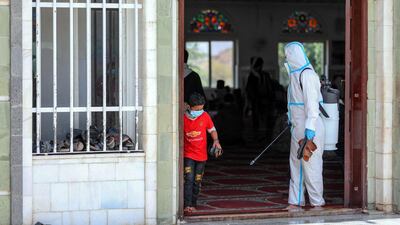
A worker sprays disinfectant as people gather for noon prayers inside a mosque in the Yemeni city of Taez. AFP -
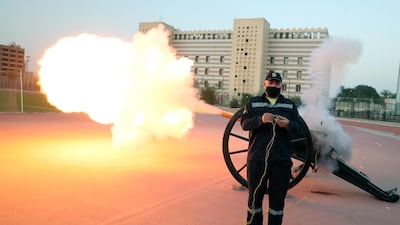
Egyptian policeman Mohamed Nasser fires a Ramadan cannon, traditionally used to announce the time to break fast, in Cairo, Egypt. EPA -
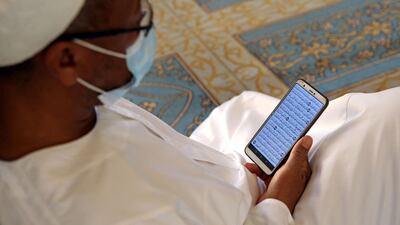
A man reads the Quran on his mobile phone during afternoon prayers at Abu Bakr Al Siddiq Mosque in Oman's capital, Muscat. EPA -
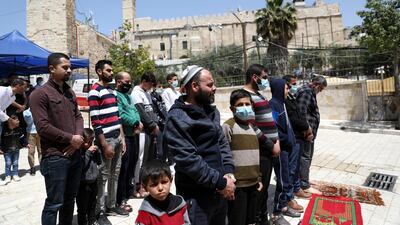
Palestinians attend Friday prayers during Ramadan outside the Ibrahimi Mosque in the West Bank city of Hebron. EPA -
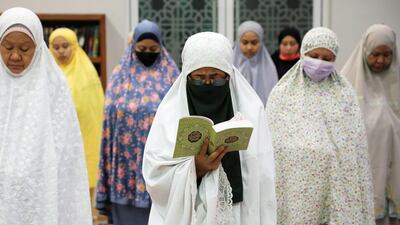
Women at prayer in Kuala Lumpur, Malaysia. Reuters -
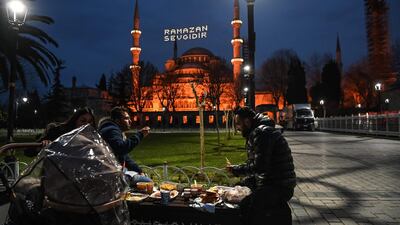
Iftar on the first evening of Ramadan in Istanbul's Sultanahmet Square, with the Blue Mosque in the background. AFP -
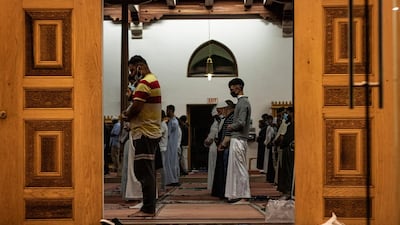
Worshippers offer taraweeh prayers at a mosque in Johannesburg, South Africa. AP Photo -
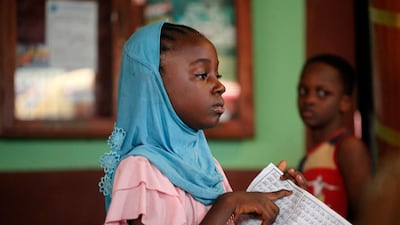
A girl at a prayer meeting at Wasimi Central Mosque in the Oyingbo district of Lagos, Nigeria. EPA -
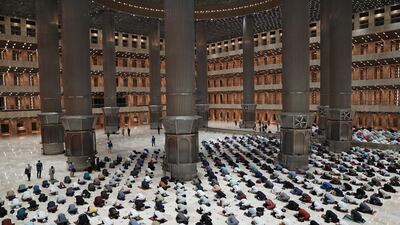
Worshippers perform taraweeh prayers while complying with physical-distancing rules at the Istiqlal Mosque in Jakarta, Indonesia. Bloomberg -
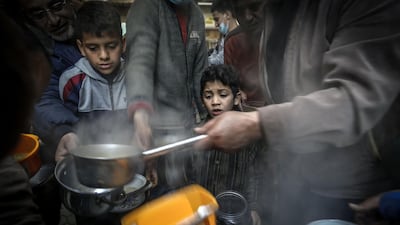
A boy waits as Palestinian Walid Al Hattab, right, distributes soup to people in need during Ramadan in Gaza city. AFP -
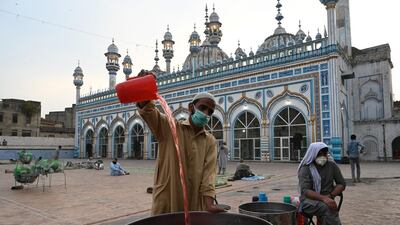
A volunteer prepares sweet drinks for devotees before they break their fast at the Jamia Mosque in Rawalpindi, Pakistan. AFP -
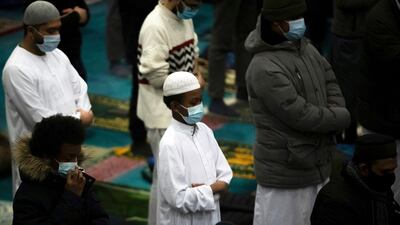
People pray at the East London Mosque Muslim Centre, UK. AP Photo -
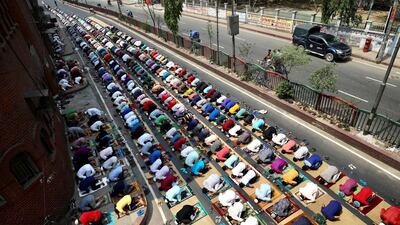
Muslims pray on the street in front of a mosque in Dhaka, Bangladesh. Reuters -
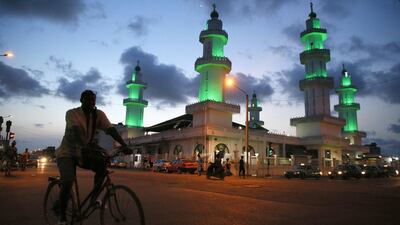
A cyclist passes the Great Koumassi Mosque in Abidjan, Ivory Coast. EPA



