



Temperatures will approach 50°C in Abu Dhabi this week with humidity remaining high across the country.
The National Centre of Meteorology forecasts largely dry and sunny weather in the days ahead as summer kicks in.
But the weather centre said there was a prospect of fog and rainfall later in the week.
Temperatures are set to reach 46°C in the capital on Tuesday and 43°C in Dubai.
The mercury is expected to rise to 48°C in the capital on Wednesday and 45°C in Dubai on the same day.
The NCM said humidity could reach 93 per cent in Dubai and 81 per cent in Abu Dhabi on Friday.
That follows on from last weekend, when humidity levels were forecast to hit 100 per cent in parts of the country.
Soaring temperatures and extreme humidity are nothing new to the UAE.
In 2021 temperatures in Sweihan peaked at 51.8°C in June, the highest temperature recorded on the planet that day.
The said in its five-day bulletin there was a chance of mist and fog from Wednesday onwards, particularly in western areas.
There could be rain in eastern and southern areas of the country and windy conditions may lead to dust storms on Thursday and Friday, the NCM said.
Best indoor attractions this summer: in pictures
-

Take a sushi-making masterclass at SushiSamba in Dubai. Photo: SushiSamba -

Roxy Cinemas is opening at Dubai Hills Mall this summer. Photo: Roxy Cinemas -
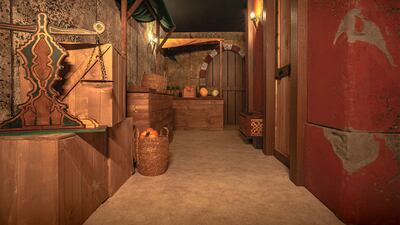
Nakheel Mall has opened a VR-powered escape rooms venue with a board game cafe. Photo: Nakheel -
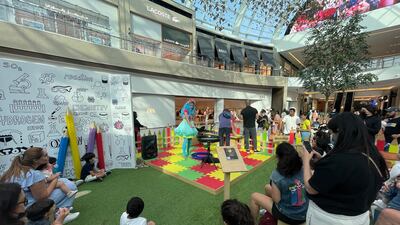
Back-to-school activities are ongoing at Dubai Hills Mall, pictured, The Dubai Mall and Dubai Marina Mall. Photo: Dubai Hills Mall -
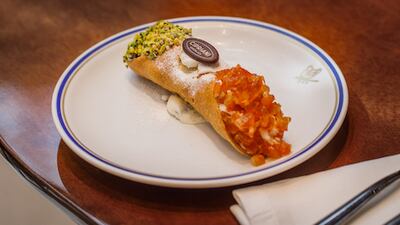
Try the cannoli from Cipriani Dolci at Abu Dhabi's Marina Mall. Photo: Cipriani -

Anyone aged 5 and upwards can join in the Yas Mall Indoor Run this summer. Photo: Yas Mall -
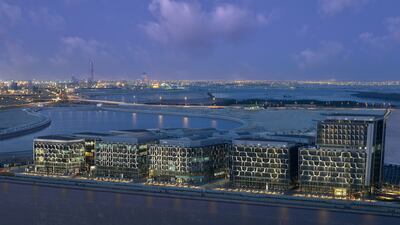
Dubai Design District is hosting its Rethink Summer programme until August 26. Photo: Dubai Design District -
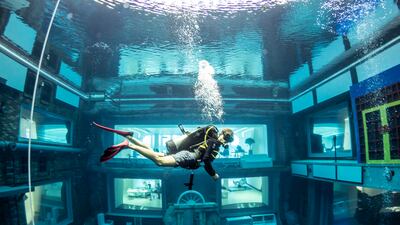
Deep Dive Dubai turned one in July. -
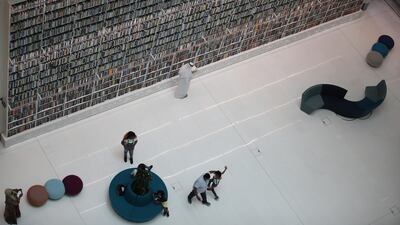
The Mohammed bin Rashid Library spans seven storeys. EPA -

Adnec's Abu Dhabi Summer Sports is the biggest event of its kind in the Middle East. Photo: Abu Dhabi Summer Sports / Instagram -
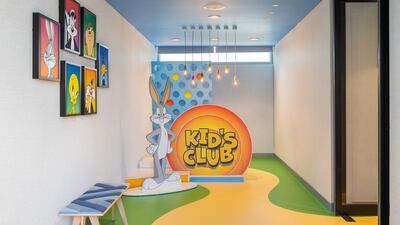
A summer camp will be held indoors at the WB Abu Dhabi hotel. -

Ice Bar at The London Project on Bluewaters, Dubai. Chris Whiteoak / The National -

Splatter Rooms in Abu Dhabi offers freewheeling art sessions for children and adults. Photo: Splatter Rooms -
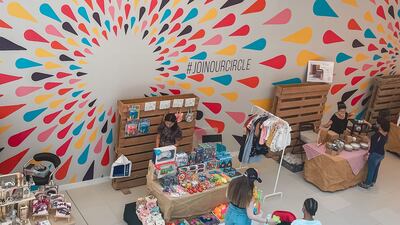
Ripe Market will be held indoors at Golden Mile Galleria and Circle Mall in Dubai this summer. -
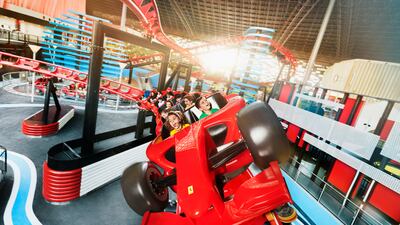
Yas Island has a Kids Go Free offer this summer, which includes accommodation, food and access to its theme parks for children under 12. Photo: Ferrari World -
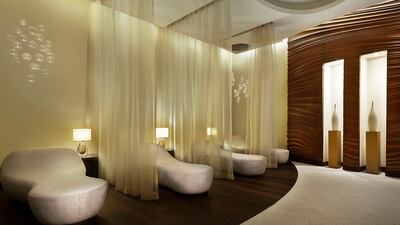
Saray spa at Marriott Al Forsan Abu Dhabi has discounts of up to 50 per cent this summer. -
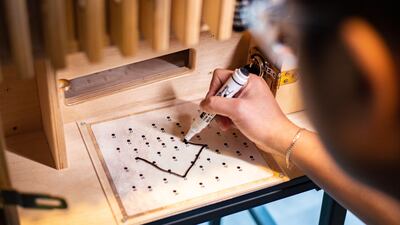
Abu Dhabi Mall's Boxed In - Think In is the latest escape room to open in the capital. Photo: Boxed In - Think In -
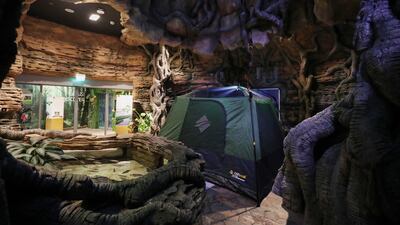
The Green Planet, Dubai, has an overnight camping experience. Chris Whiteoak / The National -

The National Aquarium in Al Qana, Abu Dhabi, is home to 46,000 creatures and 300 species. Khushnum Bhandari / The National -
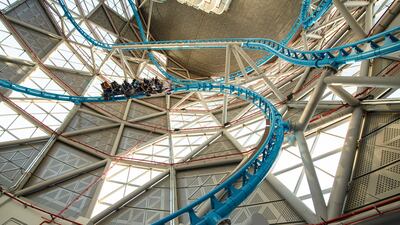
The Storm Coaster in Dubai Hills Mall is the fastest indoor roller coaster in the world. Photo: Emaar -

Museum of the Future in Dubai requires visitors to book tickets well in advance. Chris Whiteoak / The National -
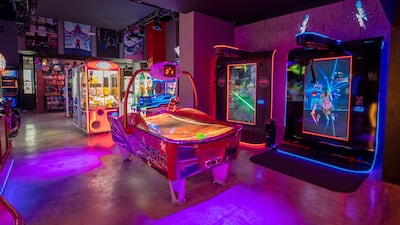
Central Yas Bay in Abu Dhabi has arcade games and bowling alleys. Victor Besa / The National -

Dubai Sports World offers indoor courts for padel, a popular sport in the UAE. Chris Whiteoak / The National -
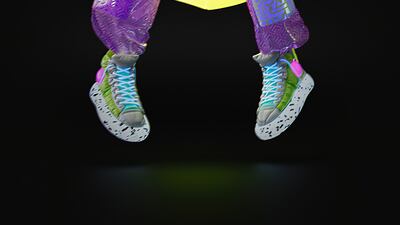
Theatre of Digital Art in Dubai is hosting a Digital Extravaganza exhibition led by Synti, a 3D holographic figure. Photo: Theatre of Digital Art -
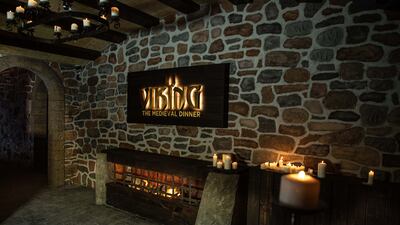
Viking restaurant in Ajman is a cool new spot that will take you back in time. Photo: Viking -
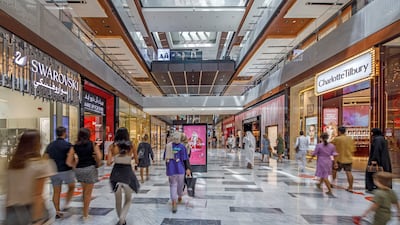
The Galleria Al Maryah Island is hosting a new Let's Walk fitness programme. Photo: The Galleria Al Maryah Island -

Dubai Summer Surprises: a number of malls will hold sales from July 1 to September 4. Photo: DFRE -

RAK Animal Welfare Centre in Ras Al Khaimah is looking for people to meet, play with and adopt pets. Chris Whiteoak / The National -

Motiongate Dubai has launched its Coolest Summer promotion. Dubai Parks and Resorts. -
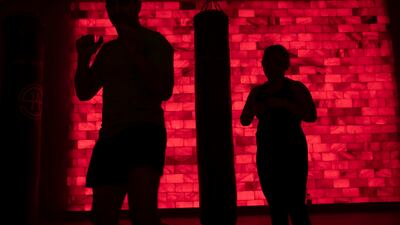
Studio 14 in Dubai has a Himalayan salt wall, which is beneficial when you're working out indoors in close proximity with others. Antonie Robertson / The National -
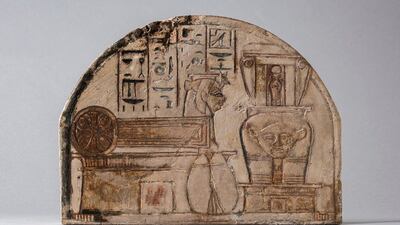
An object discovered at Deir el-Medina by the Egyptian Museum of Turin. The museum, along with Sharjah Museum Authority, has put together an interactive exhibition targeted at school children called Deir el Medina: Village of the Pharaohs’ Artists. Photo: museoegizio / Instagram -
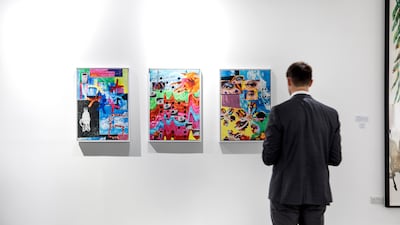
Alserkal Avenue in Dubai is hosting the Eyes Wide Shut exhibition. Photo: Alserkal Avenue -
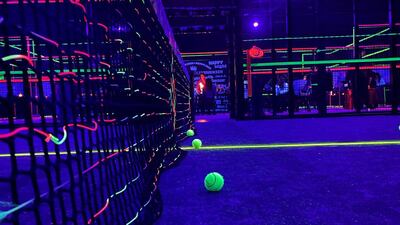
The Alley DXB is a glow-in-the-dark padel court in Dubai. Photo: @thealleydxb / Instagram -

Thunder Road restaurant in Umm Al Quwain has an indoor retail store selling speciality Italian products, from olive oil to truffle everything. Photo: Pixabay -

Indoor golf and entertainment lounge MyGolf Dubai is open during the summer. Photo: MyGolf Dubai



