


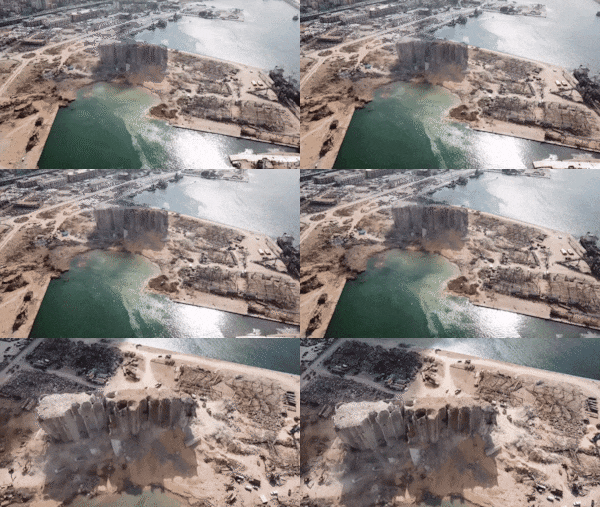
On this day five years ago, Lebanon experienced a traumatic event that arguably became the defining moment for an entire generation. Although the country is no stranger to tragedy, the detonation of nearly 3,000 tonnes of improperly stored ammonium nitrate at Beirut port continues to cast a shadow over Lebanon and its people.
The blast, which killed more than 220, injured thousands more and flattened large parts of the capital, continues to stir up painful feelings and visceral reactions among many Lebanese and those who love Lebanon. Although the country has gone through the anguish of foreign occupation, Israeli bombardment and civil war, the explosion of August 4, 2020, remains unique in its significance.
This is because it sums up so much of the Lebanese experience in recent times: chronic mismanagement; a lack of transparency; poor governance; a cavalier attitude to citizens’ well-being as well as attempts to achieve accountability being hampered by obfuscation and delay. Five years on from one of the largest non-nuclear explosions in history, no high-ranking officials have been convicted in connection with the blast.
The failure to prosecute those responsible for such a catastrophe has repercussions that reach far beyond the frustration of the victims’ families. A pervasive sense that the country is on the wrong path led many young Lebanese to reluctantly pack their bags and leave for opportunities abroad. One of them, architect Grace Dergham, recently told The National how, when she left in July 2021, she did so to support her parents because she was “starting to lose hope in the country”.
This is not to overlook the efforts currently under way to put the country on the right path. On Friday, The National reported that tighter regulations concerning the shipping, handling and storage of goods have been introduced in Lebanon to prevent such a tragedy from happening again. That the country now has a functioning presidency and parliament is also an important step forward. And despite many setbacks – including political interference, legal challenges and the removal of lead investigators – a judicial investigation into the blast is continuing.
Nevertheless, much remains to be done. Beirut port, which suffered extensive damage, has not resumed full operations. Housing, transport and cultural assets, including many religious and archaeological sites and national monuments, remain badly affected. And other issues have emerged to compound these challenges, such as the overspill from the Gaza war and a persistent financial crisis. But there are also faint signs that things may be slowly improving; a World Bank report released on June 19 found that Lebanon’s real gross domestic product was projected to grow by 4.7 per cent this year “supported by anticipated reform progress, a recovery in tourism and consumption and limited capital inflows”.
What shines through is the spirit of the Lebanese people, who have demonstrated resilience and determination despite the physical and emotional hurt stemming from the blast and its aftermath. But they should not have to be so resilient. What they want – a better future and a fair, functioning country – is right and just. Therefore, it is the job of the government, the judiciary as well as Lebanon’s political and business classes to draw a line under the devastating 2020 explosion by achieving accountability and rebuilding trust in the country’s institutions. A failure to do so will dog Lebanon’s leaders for years to come and take away the opportunity to meet its people's aspirations.

