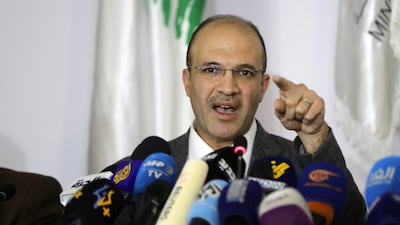

Lebanon’s health minister sparked outrage on Monday after saying that victims of the massive explosion that shook Beirut in August could not escape their fate while those dying from Covid-19 were responsible for their own death.
Hamad Hassan made his remarks in a televised interview after the talk show host asked him who bore responsibility for the rising Covid-19 infections and death toll.
Rising infection rates have placed Lebanon’s healthcare sector, which is suffering from shortages in medical supplies, under increasing pressure with 95 per cent of the country’s intensive care units currently full. The government is expected to impose a three-week lockdown later this week.
“We can say that the explosion [at the port] and those killed is [a matter of] fate and destiny whereas those dying of the coronavirus or those being infected are in my opinion responsible, whether they wanted to or not,” Mr Hassan said.
The explosion on August 4, last year, killed more than 200 people and injured 6,000 when tonnes of ammonium nitrate stored at Beirut port for more than six years exploded.
-
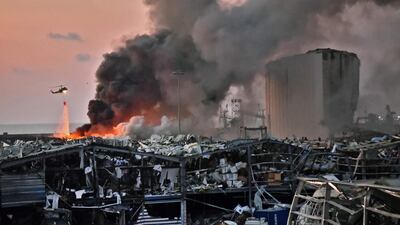
A helicopter puts out a fire at the scene of the explosion at the port of Lebanon's capital Beirut on August 4, 2020. AFP -
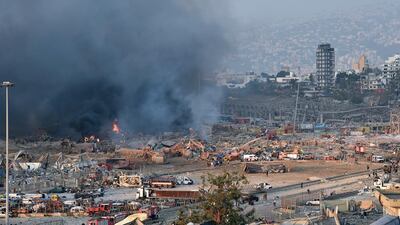
Smoke billows from an area of a large explosion that rocked the harbour area of Beirut, Lebanon. EPA -

The aftermath of blast in Beirut. Sunniva Rose / The National -
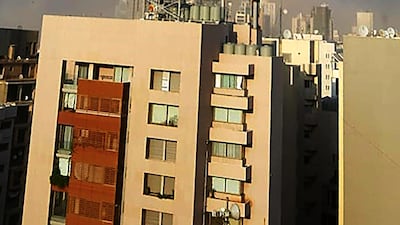
The scene of the explosion that rocked Beirut. AFP -
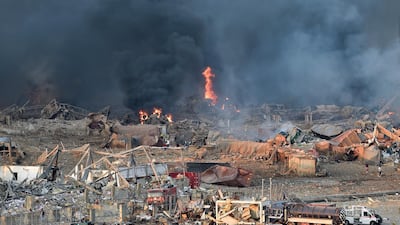
The harbour area with smoke billowing from an area of the explosion, Beirut, Lebanon. EPA -
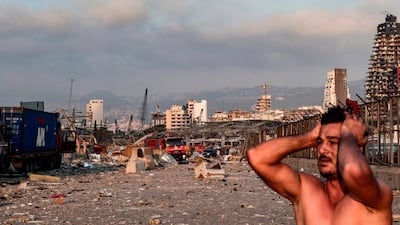
A man reacts at the scene of an explosion at the port in Lebanon's capital Beirut. AFP -
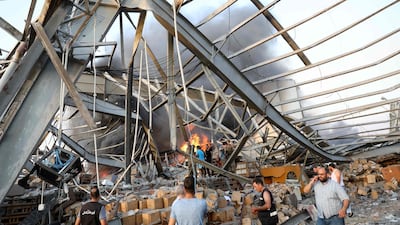
The scene of the explosion at the port in Beirut. AFP -
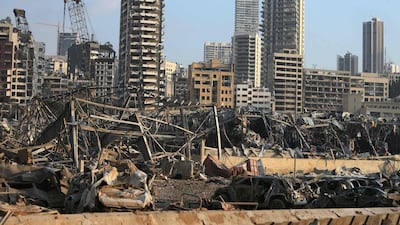
The scene of the explosion at the port in Beirut. AFP -

The scene of the explosion in Beirut. AFP -
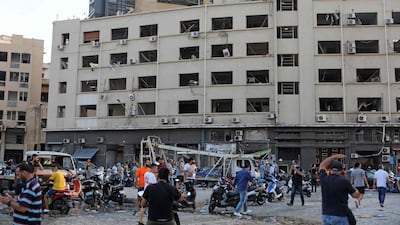
People gather near the scene of the explosion in Beirut. AFP -
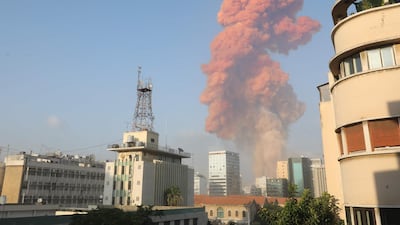
The scene of the blast in Beirut. AFP -
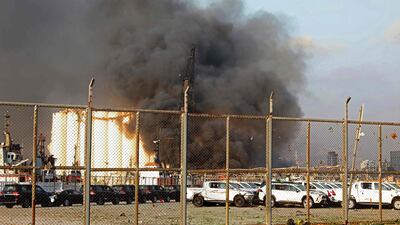
The scene of the explosion in Beirut. AFP -
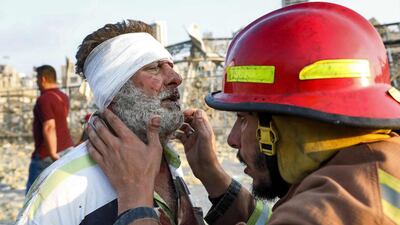
A wounded man is checked by a fireman near the scene of the explosion in Beirut. AFP -
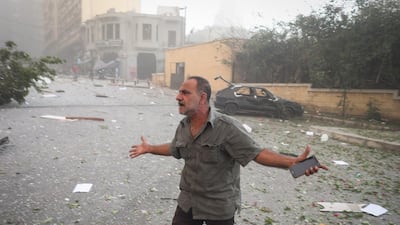
A resident stands in the street by a destroyed car, following the explosion near by at the port of Beirut. Bloomberg -
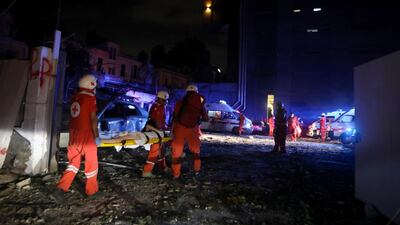
Lebanese Red Cross officers carry an injured woman following an explosion at the port of Beirut on August 4, 2020. AFP -
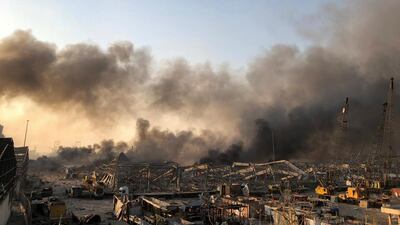
Smoke rises after the explosion was heard in Beirut. Reuters -
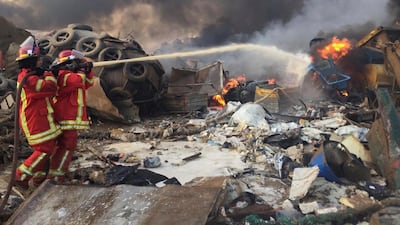
Firefighters spray water at a blaze after the explosion in Beirut. Reuters -
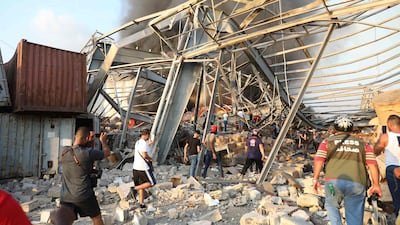
People walk at scene of the explosion in Beirut. AFP -

The blast at Beirut port. Twitter/ @borzou -

Army personnel around entrance to port. -

The aftermath of the blast in Beirut. Sunniva Rose / The National -

The aftermath of the blast in Beirut. Sunniva Rose / The National -
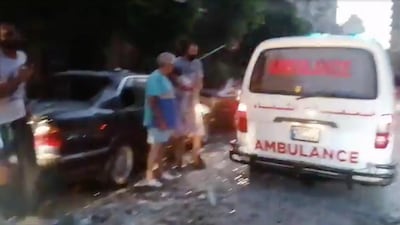
The aftermath of the blast in Beirut. Sunniva Rose / The National -
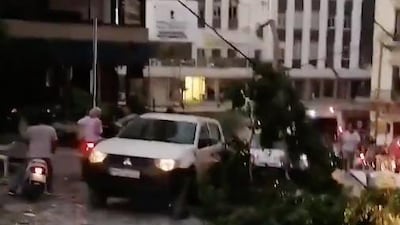
The aftermath of blast in Beirut. Sunniva Rose / The National -
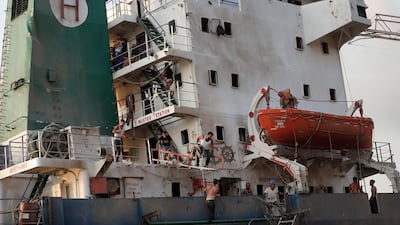
Sailors leave their damaged ship near the explosion in Beirut. AP Photo -
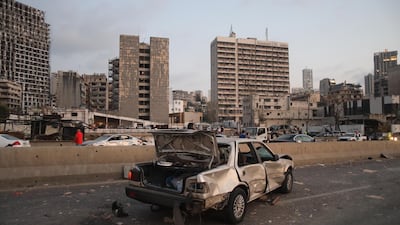
A vehicle stands damaged on a road following a large explosion at the port area of Beirut. Bloomberg -
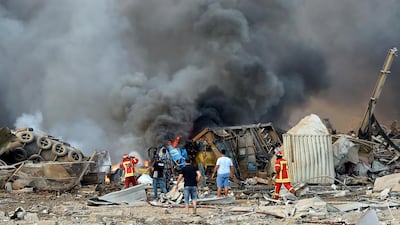
Firefighters try to extinguish flames after a large explosion rocked the harbour area of Beirut. EPA -
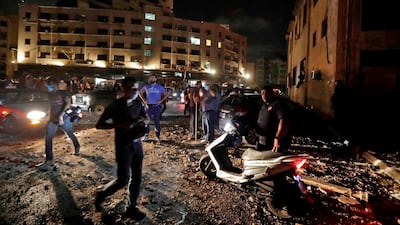
People and journalists gather at the scene of an explosion at the port of Lebanon's capital Beirut. AFP -

An injured man sits outside American University of Beirut medical centre on August 5, 2020. Reuters -
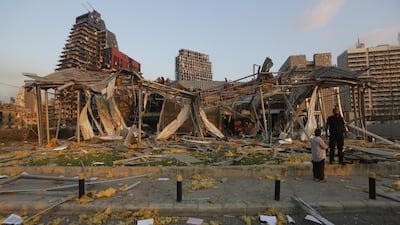
Men stand before wrecked buildings near the port. Getty Images -
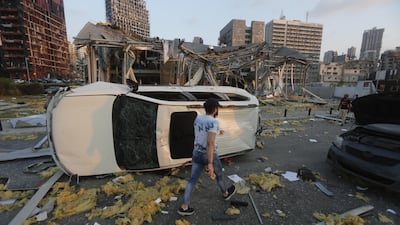
A man walks by an overturned car and destroyed buildings. Getty Images -
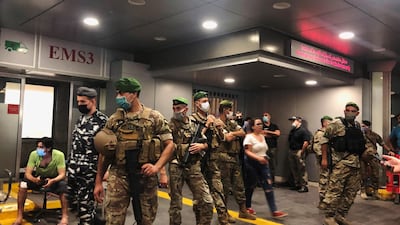
Lebanese soldiers stand outside American University of Beirut medical centre. Reuters -
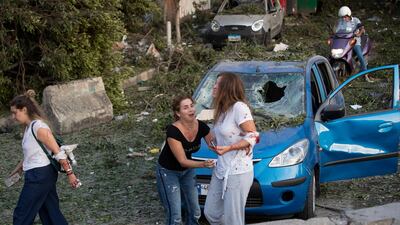
Injured people stand after the explosion. AP Photo -
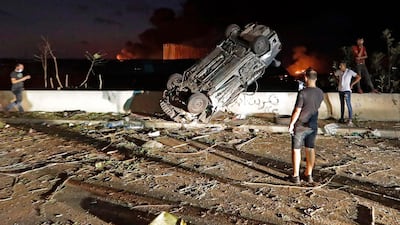
People gather by cars destroyed following an explosion at the port of Lebanon's capital Beirut. AFP -
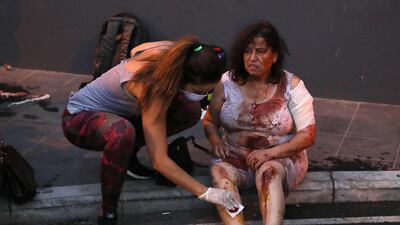
Wounded people wait to receive treatment outside a hospital following an explosion near the Beirut port. AFP


Mr Hassan's comments drew criticism on social media. Lucien Bourjeily, an award-winning Lebanese writer and film director, asked in a tweet, “If our officials are not responsible… why are they still in a position of authority?”
Other Twitter users blamed Mr Hassan and the government for their "failure" to enforce the necessary measures to contain the virus and for their "negligence and corruption" that led to the port explosion.
The investigation into the explosion was suspended last month after two of four indicted senior officials asked the Supreme Court in Beirut to transfer the case to another judge.
The investigation has been marred by controversies and political tension after the judge leading the inquiry indicted caretaker Prime Minister Hassan Diab with criminal negligence.
Mr Diab, who previously said the blast involved the explosion of 2,700 tonnes of ammonium nitrate, cast further doubt over the investigation when he said last week the FBI had found that less than a quarter of the chemicals claimed to have been responsible for the explosion at the port actually exploded.
He later backtracked on his comment saying it was based on unofficial reports.
The political tension clouding the investigation has complicated talks between President Michel Aoun and Prime Minister-designate Saad Hariri over the formation of a Cabinet, leaving Lebanon without a fully functioning government since the explosion forced Mr Diab's resignation five months ago.
Mr Hariri has called the indictment an "attack" on the post of premier, a position reserved for Sunni Muslims under Lebanon's power-sharing system.

