

The Kremlin on Friday introduced harsh new penalties for people who evade military call-up, adding to fears that the government is planning another mass mobilisation as the invasion of Ukraine drags into its second year.
President Vladimir Putin signed the law, which was rushed through parliament earlier this week in 24 hours, according to the Tass state news service.
Under the new rules, the authorities can deliver military call-up notices both for conscripts and mobilised reservists online, and almost immediately bar the recipients from leaving the country. Those who ignore the summons within 20 days would have limited rights.
Previously, all such notices had to be hand-delivered and signed for by the recipient to be legal.
Former Kremlin adviser Sergei Markov described the changes as a “big shock for Russia,” with even those who have left the country not spared as they’ll also receive the summons electronically and will face the same restrictions as people living inside Russia.
“This is a new world,” he said on Telegram.
The measures create a new national online system for tracking the tens of millions of Russians potentially eligible to be called to serve.
The Kremlin says there are no plans currently to mobilise more people to fight in Ukraine. But Russia is digging in for a fight that may last years as Kyiv prepares to launch a counteroffensive using new weapons supplied by its allies in the US and Europe.
-
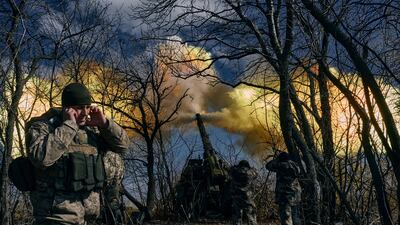
Ukrainian soldiers fire a howitzer towards Russian positions, near Bakhmut in Ukraine. AP -
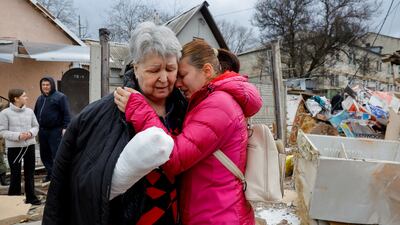
Resident Svetlana Boiko, 66, who was wounded in recent shelling, is comforted near her destroyed house in Donetsk. Reuters -
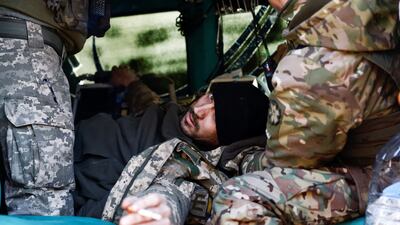
A wounded Ukrainian soldier is treated in a front-line stabilisation ambulance, near Kreminna. Reuters -
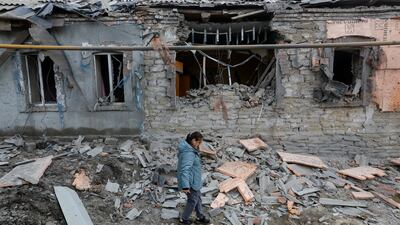
A house in Donetsk destroyed in recent shelling. Reuters -
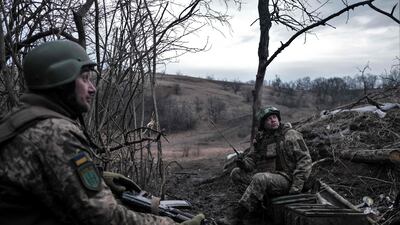
Ukrainian volunteer soldiers hold their positions at the front line near Bakhmut. AFP -
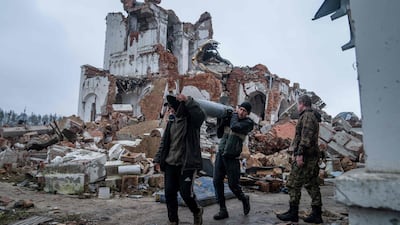
Volunteers carry the remains of a Uragan rocket as they clear the area around the Sviatohirsk Cave Monastery in Dolyna. AFP -
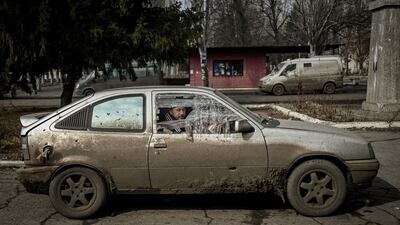
A man sits inside a damaged car in the village of Chasiv Yar. AFP -
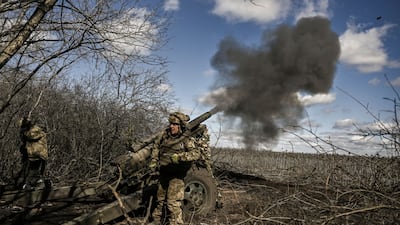
Ukrainian servicemen fire at Russian positions in the region of Donbas. AFP -
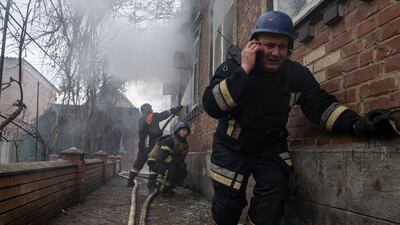
Rescue workers put out a fire in a house shelled by Russian forces in Kostiantynivka. AP -
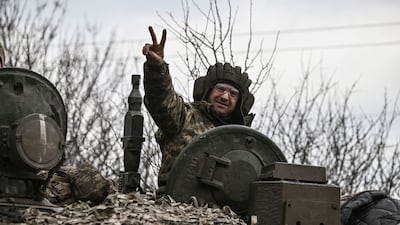
A Ukrainian serviceman moves towards the frontline city of Bakhmut. AFP -
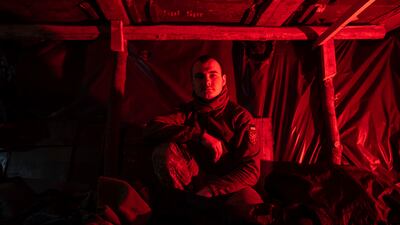
Vladyslav, a Ukrainian paratrooper of the 80 Air Assault brigade, rests in a dugout at the front line near Bakhmut. AP -
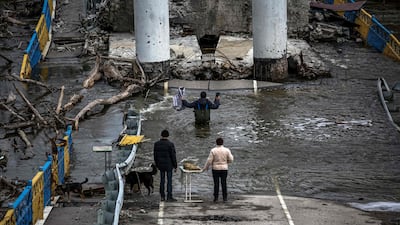
Residents of the village of Bohorodychne cross the Seversky Donets river to retrieve bread from the other bank. AFP


Last year’s call-up of 300,000 reservists provoked public panic that prompted up to a million Russians to flee the country. Mr Putin later ordered officials to streamline and automate a mobilisation system that hadn’t been updated in decades.
This year, the Kremlin has so far taken a gentler approach, seeking to recruit as many as 400,000 contract troops in the hope of avoiding the outcry a new mass call-up would cause. Officials and military experts say that goal is likely to prove ambitious given a shortage of recruits.
Western estimates say up to 200,000 Russian soldiers were killed or wounded in the first year of fighting.
Defence Minister Sergei Shoigu said in September that Russia has at its disposal 25 million reservists, though it initially called up only just above 1 per cent of them.
“The most logical thing to do is never to come back until the end of the Putin regime,” said Anastasia Burakova, founder of the Ark, an association helping Russians to leave for other countries.
In a rare dissenting voice, Senator Lyudmilla Narusova said the legislation violated basic rights.
Bloomberg contributed to this report

