
Acting President Ranil Wickremesinghe was elected Sri Lanka’s new head of state by MPs on Wednesday, replacing ousted leader Gotabaya Rajapaksa.
Mr Wickremesinghe, 73, beat Dullas Alahapperuma, a candidate who had the support of a faction within the ruling party, and left-leaning lawmaker Anura Kumara Dissanayake from the opposition Janatha Vimukthi Peramuna party.
The new president secured 134 of the votes cast in the 225-seat Sri Lanka Parliament.
Mr Wickremesinghe described the victory as an honour and a privilege when he addressed Parliament.
"Our divisions are now over," Mr Wickremesinghe said, inviting Mr Alahapperuma "to join me and work together to bring the country out of the crisis we are facing".
-
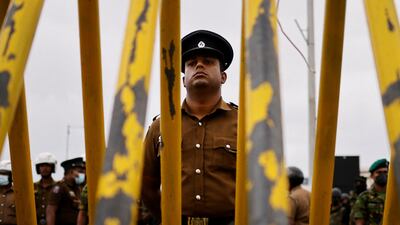
Security personnel stand guard after a raid on an anti-government protest camp in Colombo early on Friday, amid Sri Lanka's economic crisis. Reuters -
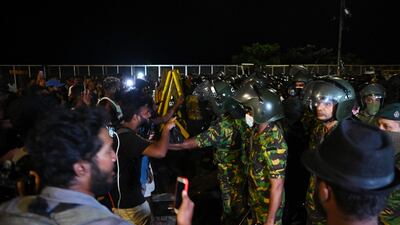
Anti-government protesters speak with members of Sri Lankan security forces. AFP -
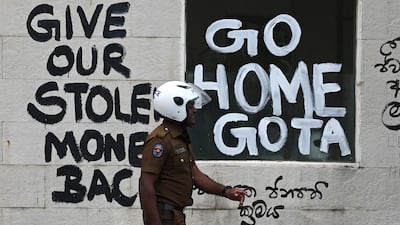
A policeman walks past slogans against the newly elected Sri Lankan President Ranil Wickramasinghe in Colombo. AFP -
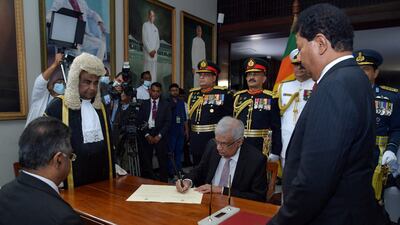
Ranil Wickremesinghe is sworn in as the new president of Sri Lanka by Chief Justice Jayantha Jayasuriya. Reuters -
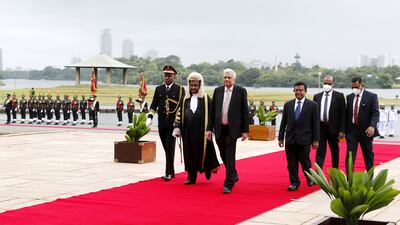
Mr Wickremesinghe, centre, arrives at his swearing-in ceremony in Colombo. EPA -

Ranil Wickremesinghe leaves a Buddhist temple in Colombo after he was named as Sri Lanka's eighth executive president. Reuters -
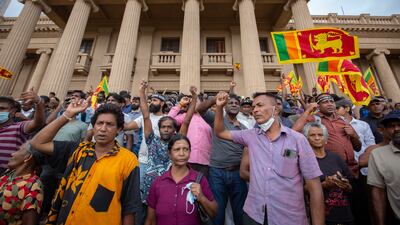
Sri Lankans protest after Mr Wickremesinghe defeated Dullas Alahapperuma, a member of the breakaway faction of the ruling Sri Lanka Podujana Peramuna party, by 134 votes to 82 in a parliamentary vote to pick the next president. Getty -
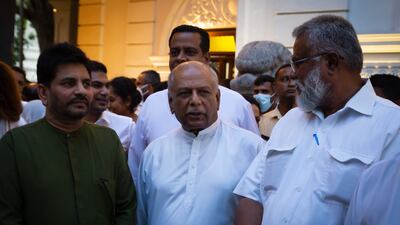
Dinesh Gunawardena, centre, leader of the House of Parliament, arrives at Gangaramaya Temple in Colombo. Getty -
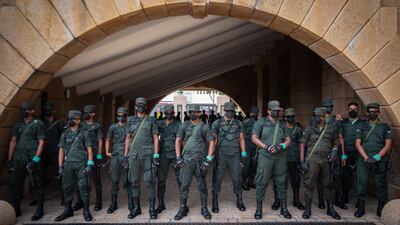
Soldiers stand guard at the Presidential Secretariat after Mr Wickremesinghe was announced as Sri Lanka's new president. Getty -
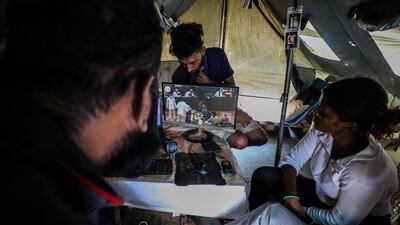
Protesters watch a live broadcast of the parliamentary vote to pick Sri Lanka's new president. EPA -
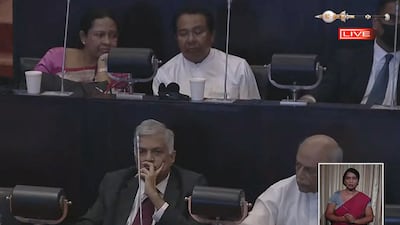
A screen grab of Mr Wickremesinghe, bottom left, during the vote count announcement in Sri Lanka's Parliament. AFP -
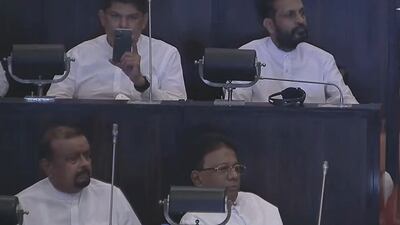
Mr Alahapperuma, bottom right, during the parliamentary vote in Colombo. AFP -
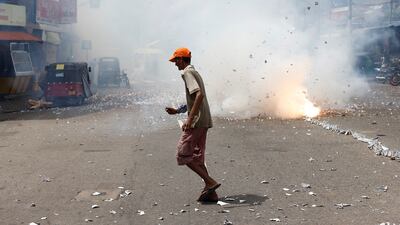
A supporter celebrates in Colombo after Mr Wickremesinghe was elected as president. Reuters -

Mr Wickremesinghe's supporters celebrate in the capital after his election as Sri Lankan president. Getty -
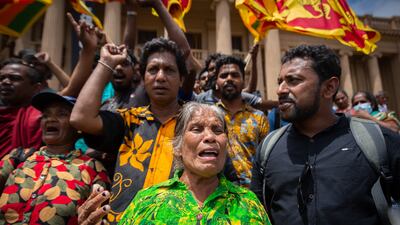
Sri Lankans protest after the announcement of Mr Wickremesinghe as president. Getty -
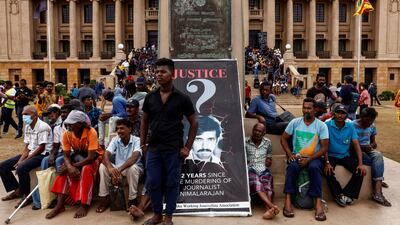
Demonstrators watch a public screen as voting begins in Sri Lanka's Parliament. Reuters -
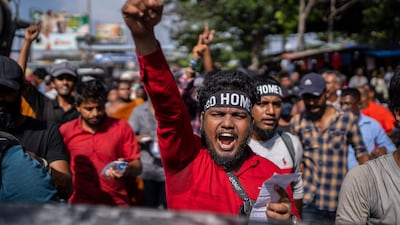
Protesters in Colombo demand Mr Wickremesinghe's resignation as prime minister and acting president before the parliamentary vote. AP -
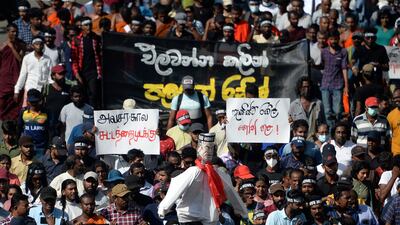
Demonstrators carry an effigy of Mr Wickremesinghe. AFP -
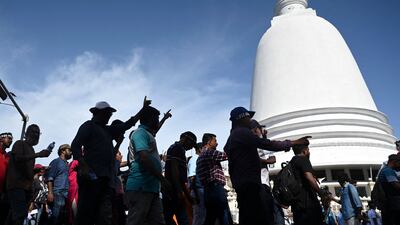
Demonstrators take part in a procession against Mr Wickremesinghe. AFP -
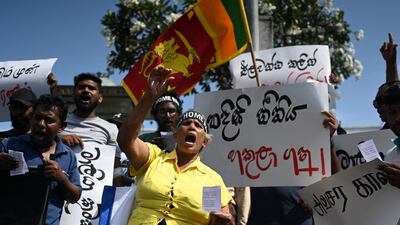
Demonstrators shout slogans. AFP -
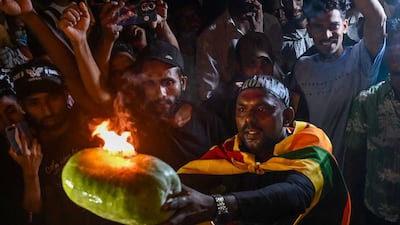
Sri Lankan demonstrators take part in a celebration in Colombo to mark the 100th day of protests. AFP -
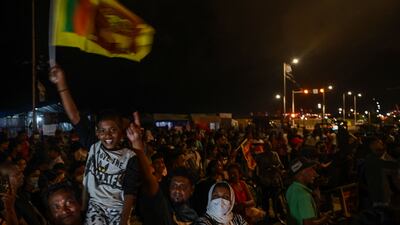
After months of street protests, Sri Lanka’s parliament will elect a new president to replace Gotabaya Rajapaksa on Wednesday. AFP -
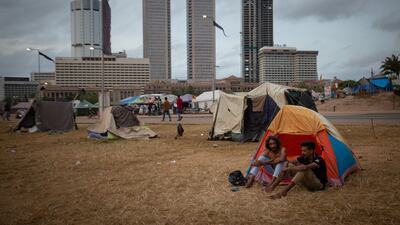
The country faces its worst economic crisis in decades due to the lack of foreign reserves, resulting in severe shortages of food, fuel, medicines and imported goods. Getty -
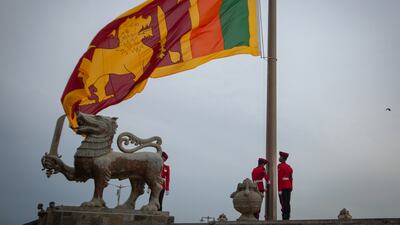
Soldiers lower the national flag at Galle Face Green in Colombo. Getty -

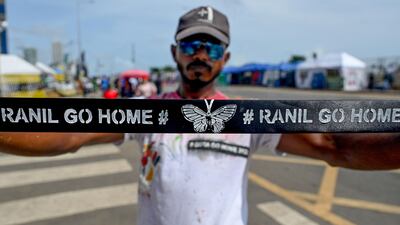
A demonstrator writes a slogan against acting president Ranil Wickremesinghe. AFP -
Mr Wickremesinghe is a top contender in the race to succeed Mr Rajapaksa. AFP -
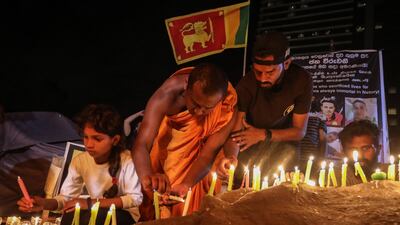
People light candles in the capital in memory of protesters killed or wounded since the demonstrations began. EPA -
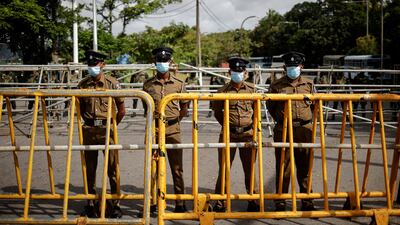
Police officers stand guard outside Parliament in Colombo. Reuters -
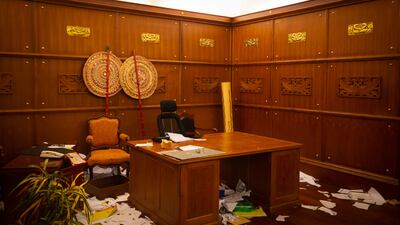
The vandalised office of the Sri Lankan president inside his official residence in the capital. Getty -
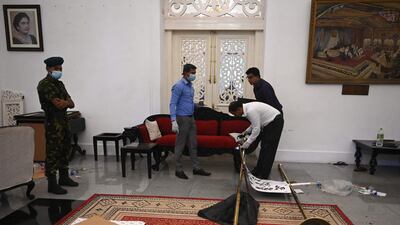
Police officials gather evidence at the president’s official residence after it was overrun by anti-government protesters on July 9. AFP -
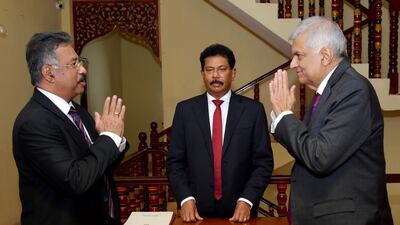
Sri Lankan Prime Minister Ranil Wickremesinghe, right, is sworn in as acting president by Chief Justice Jayantha Jayasuriya in Colombo. EPA -

Parliamentary Speaker Mahinda Yapa Abeywardena addresses the media in Colombo. AFP -
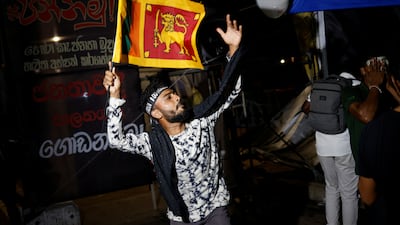
People dance in Colombo as they celebrate the resignation of Mr Rajapaksa amid the country’s economic crisis. Reuters -
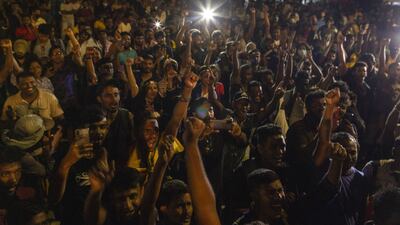
Demonstrators cheer after hearing news that Mr Rajapaksa had emailed his letter of resignation after fleeing months of anti-government protests. Bloomberg -
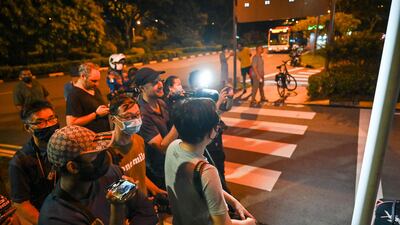
Members of the media wait outside the VIP complex of Changi International Airport in Singapore for the arrival of Mr Rajapaksa, his wife and two bodyguards. Sri Lanka's president left the Maldives on July 14 aboard a Saudia Airlines plane bound for Singapore. AFP -
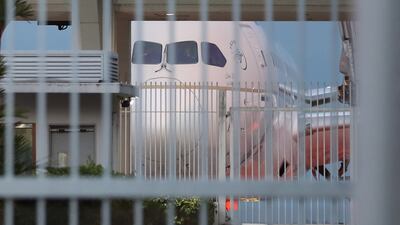
A Saudia Airlines plane believed to be carrying Mr Rajapaksa arrives on the tarmac at Changi Airport in Singapore. EPA -
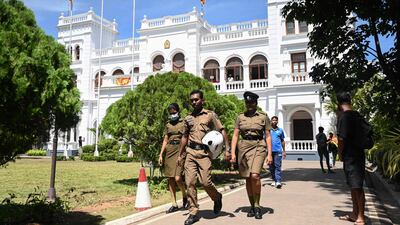
Police officers walk outside Sri Lankan Prime Minister Ranil Wickremesinghe's office, a day after thousands of anti-government protesters stormed the building, when he was named acting president. AFP -
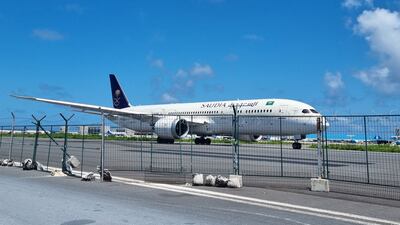
A Saudia airline Boeing 787 Dreamliner bound for Singapore and carrying Sri Lanka's fleeing president Gotabaya Rajapaksa, his wife and bodyguards prepares to take off at the Velana International airport, in the Maldives. AFP -
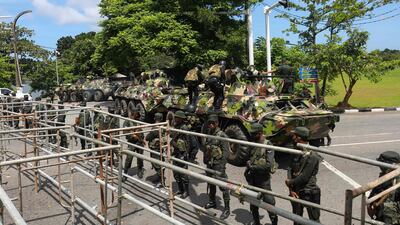
Sri Lankan soldiers stand guard near the parliament building in Colombo, a day after thousands of anti-government protesters stormed the prime minister's office. AFP -
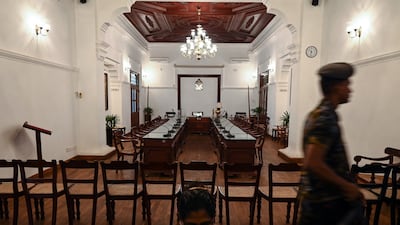
A soldier walks past a demonstrator sitting in a meeting room, at the prime minister's offices. AFP -

Soldiers patrol the buildings of the prime minister's office. AFP -

Troops make their way to an anti-government protest at the prime minister's office in Colombo, Sri Lanka. Bloomberg -

Demonstrators takes pictures inside the complex housing the Sri Lankan prime minister's offices. AFP -
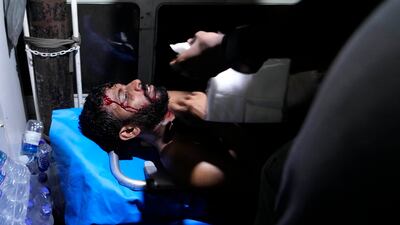
An injured protester lies in an ambulance after clashes with police near parliament in Colombo. AP -
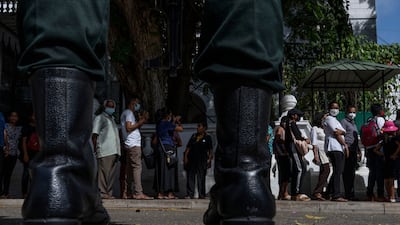
People wait to enter the presidential palace in Colombo, Sri Lanka. AP -
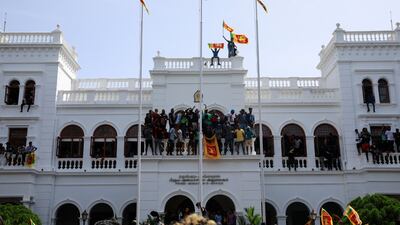
Protesters in Colombo hold Sri Lankan flags as they stand on top of the office of acting Prime Minister Ranil Wickremesinghe, amid the country's economic crisis. Reuters -
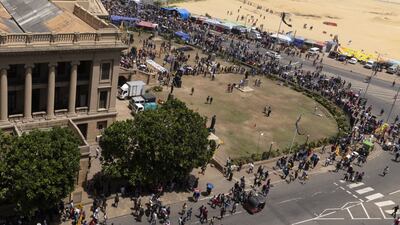
Protesters demand the resignation of Mr Wickremasinghe. Bloomberg -
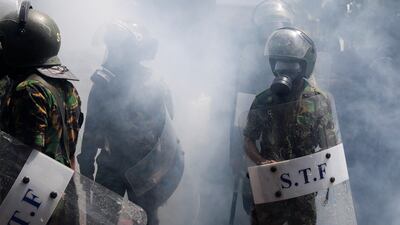
Police officers stand guard in Colombo. Reuters -
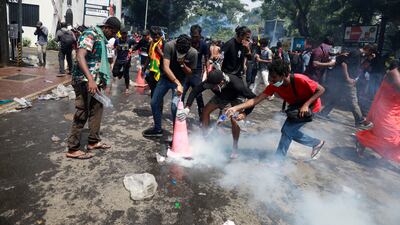
Police fire tear gas to control the crowds. Reuters -
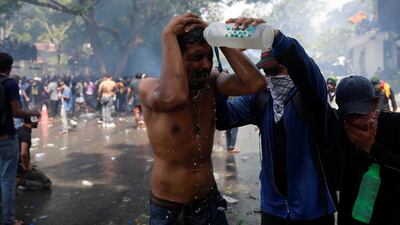
A protester pours water on a man as tensions soar. Reuters -
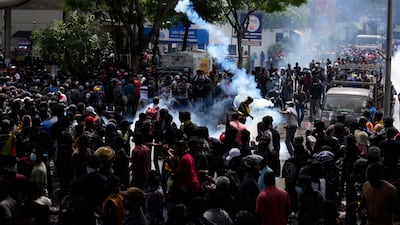
Protesters throw teargas shells. AP Photo -

Protesters storm Prime Minister Ranil Wickremesinghe's office in Colombo, Sri Lanka and demand his resignation, after President Gotabaya Rajapaksa fled the economic and political crisis for the Maldives. AP -
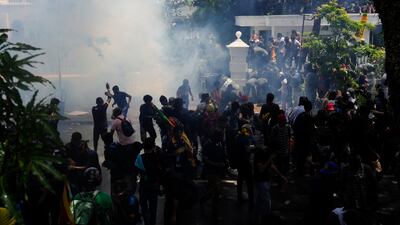
Police use tear gas to disperse Sri Lankan protesters outside the prime minister's office. AP -
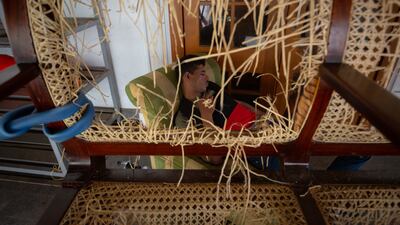
A protester sleeps on vandalised furniture inside the presidential palace in Colombo, which has been occupied by demonstrators for days. Getty Images -

A satellite image shows people gathered outside Sri Lanka's Parliament building in Colombo amid the country's economic and political crisis. AFP -

Youths play carrom inside the Sri Lankan prime minister's official residence, which was stormed by protesters at the weekend. Reuters -
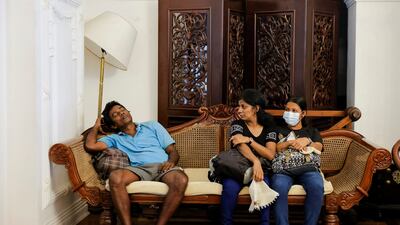
People sit on a couch inside the prime minister's official residence. The protests against the government have simmered since May, but erupted again last Saturday. Reuters -
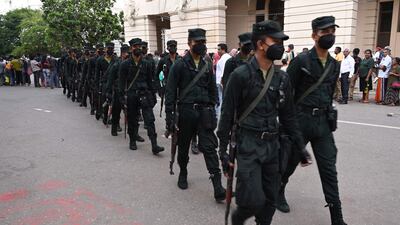
Army cadets march past people queuing to get inside Sri Lankan President Gotabaya Rajapaksa's official residence in Colombo. AFP -
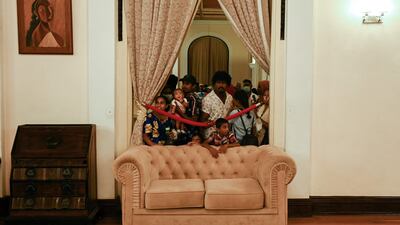
People visit Mr Rajapaksa's official residence in Colombo. It was reported on Wednesday that he had fled the country for the Maldives. AFP -
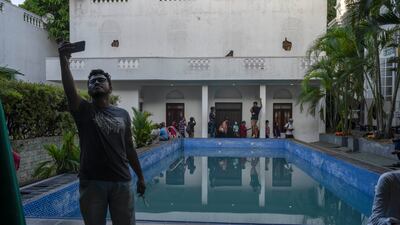
A man takes a selfie at the presidential palace. AP -
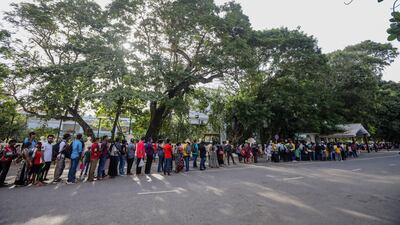
Sri Lankans line up to take a look inside the presidential palace in Colombo. EPA -
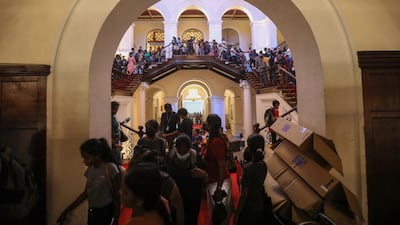
Crowds flock to take in the presidential palace. EPA -
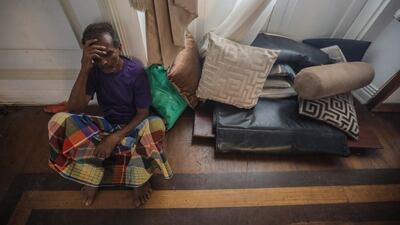
A man takes a rest inside the prime minister's official residence in Colombo. EPA -
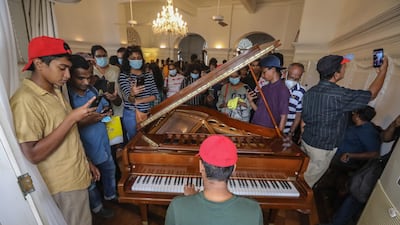
People sing songs inside the prime minister's official residence. EPA -
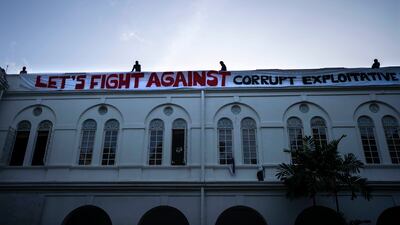
Protesters erect a banner on the presidential palace three days after it was stormed by anti-government demonstrators in Colombo. AP -

People wait in a queue to collect gas at a distribution point in Colombo. AFP -
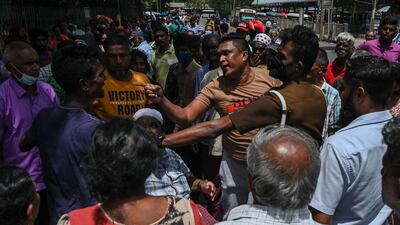
Sri Lankans quarrel as they wait for gas at a distribution point. AFP -

A driver of an autorickshaw sleeps inside his vehicle while waiting in a queue to buy petrol at a fuel station in Colombo. AP


Sri Lankan authorities ringed the Parliament building with heavy security as MPs prepared to choose from the three candidates, hoping the new leader can pull the island out of an economic and political crisis.
The response of protesters was broadly muted, with just about 100 people gathered on the steps of the presidential secretariat, but some vowed to turn their focus to dislodging Wickremesinghe.
"We're shocked. He's a person handling things in a very cunning way," protester Damitha Abeyrathne said of the leader. "He will start controlling us in a different way. As protesters, we will start our struggle again."
“If Ranil comes [into power], we cannot have stability,” Duminda Nagamuwa, who organised protests in Colombo after the nominations were finalised, said before the vote.
Other protesters have said he is an ally of the powerful Rajapaksa family, who they blame for the economic crisis. The Rajapaksas' Sri Lanka Podujana Peramuna (SLPP) party, the largest in parliament, backed Wickremesinghe for the presidency.
Mr Wickremesinghe, a six-time prime minister, became acting president last week, after Mr Rajapaksa fled to Singapore.
Hundreds of thousands of people had come out on to the streets to protest against his administration and occupied his official residence and office in Colombo.
Protesters also burnt down Mr Wickremesinghe's home and stormed his office.
Mr Wickremesinghe has pledged to crack down hard if protesters take to the streets and hundreds of heavily armed troops and police stood guard outside the parliament, but there were no signs of demonstrators.
As acting president, Mr Wickremesinghe extended a state of emergency that gives police and security forces sweeping powers, and last week ordered troops to evict protesters from state buildings they had occupied.
On Wednesday he vowed to take tough action against anyone resorting to what he called the undemocratic means that led to his predecessor's ouster.
"If you try to topple the government, occupy the president's office and the prime minister's office, that is not democracy and we will deal with them firmly," Mr Wickremesinghe said hours after he was elected.
Opposition MP Dharmalingam Sithadthan said ahead of the vote that Mr Wickremesinghe's hardline stance against demonstrators had gone down well with MPs who had been at the receiving end of mob violence, describing him as the "law-and-order candidate".
Political analyst Kusal Perera said he had "regained the acceptance of the urban middle classes by restoring some of the supplies like gas and he has already cleared government buildings showing his firmness".
Outside the presidential secretariat, where protesters camped for months to demand Rajapaksa step down, civil enginer Nuzly Hameem said he was "disappointed" by the result.
"We expected more from our parliamentarians," he told AFP.
The protests would "obviously" continue, he said, but added "We are burnt out. It's been four months."
Born into a wealthy, politically active family whose fortune was made in timber and the media, Mr Wickremesinghe has served as a lawmaker for 45 years. His reputation suffered during a previous stint as prime minister in a difficult power-sharing arrangement with then-President Maithripala Sirisena. A communication breakdown between them was blamed for intelligence lapses that led to a terror attack in 2019 that devastated tourism even before the catastrophic blow from the pandemic.
He earned a law degree from the University of Colombo and practiced as a lawyer before entering politics in 1977, becoming the youngest lawmaker at the time. He was first appointed prime minister in 1993 and also was an opposition leader for more than a decade.
Wickremesinghe has generally kept details of his private life under wraps. He is married to Maitree Wickremesinghe, a professor and expert on gender and women’s studies.

