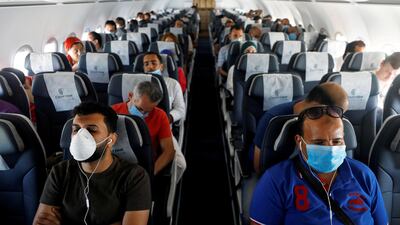
Boarding passengers seated at the back of the aircraft first – a Covid-era change introduced by airlines including Delta – actually increases the chance of catching the virus by 50 per cent, a study showed.
Back-to-front boarding is also twice as risky as letting passengers on at random, even though it does reduce exposure between seated passengers and those walking down the plane, according to the study published on Wednesday in the Royal Society Open Science journal.
Instead, the higher risk comes from closer contact between passengers in the same rows clustering in the aisle as they stow their luggage.
-
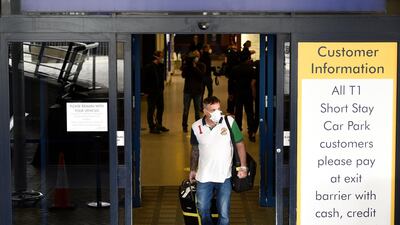
A passenger wearing a face mask as a precautionary measure against Covid-19, arrives at Terminal 1 of Manchester Airport in northern England. AFP -
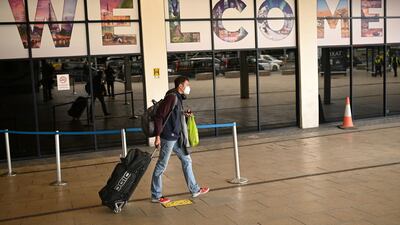
A passenger pulls their luggage after arriving at Terminal 1 of Manchester Airport. AFP -
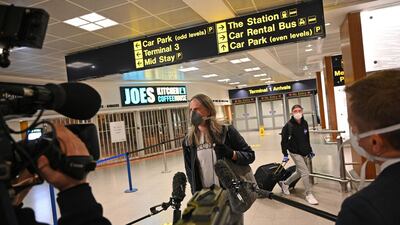
A passenger arrives at Terminal 1 of Manchester Airport. AFP -
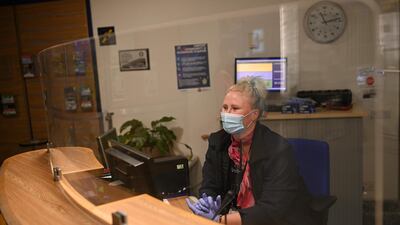
An employee sits behind a perspex safety screen at an information desk in Manchester Airport. AFP -
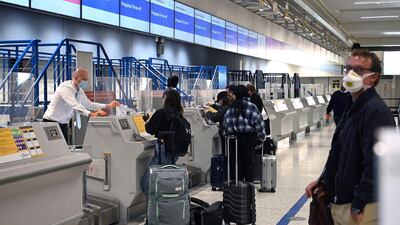
A passenger waits at a check-in desk at Manchester Airport. AFP -
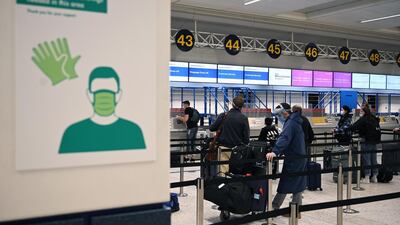
Passengers queue at a check-in desk at Manchester Airport. AFP -
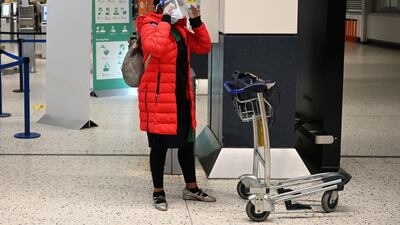
A passenger adjusts their face mask and a full face visor in the departure hall of Manchester Airport. AFP -
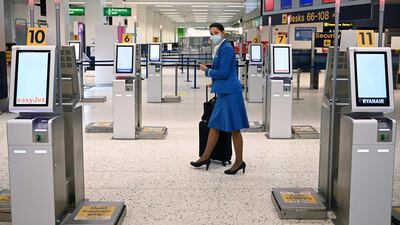
A KLM cabin crew member walks through the departures hall of Manchester Airport. AFP -
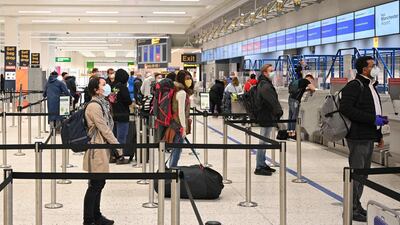
Passengers socially distance as they queue at a check-in desk at Manchester Airport. AFP -

A co-pilot queues at a check-in desk at Manchester Airport. AFP -
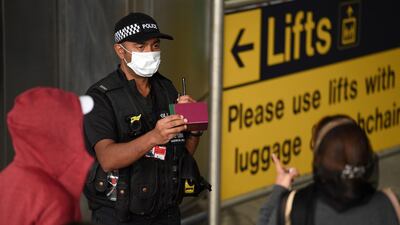
A police officer talks to passengers at Manchester Airport. AFP -
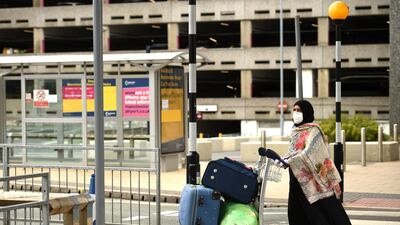
A passenger pushes her luggage after arriving at Manchester Airport. AFP -
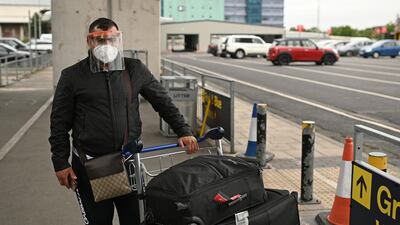
A passenger pushes his luggage after arriving at Manchester Airport. AFP -
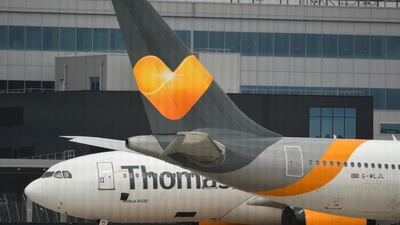
Thomas Cook Airline planes are pictured at the apron at Manchester Airport. AFP -

Planes are pictured on the tarmac at Manchester Airport. AFP


The US airline Delta, for example, adopted back-to-front boarding to "minimise contact with other customers", although the airline boards only 10 passengers at a time. The change was among several across the industry – including blocking out middle seats – to persuade passengers it is safe to get back on a plane.
Scientists from institutions including the University of West Florida and Florida State University simulated 16,000 possible passenger movements for the study. “The new policies do not improve on the old ones in any situation,” they said. Delta’s media office did not reply to a request for comment
The risk could be reduced, however, by stopping people using overhead storage bins and by boarding passengers in window seats before those in aisle seats, according to the study.
Airlines across the world are still grappling with the pandemic and trying to encourage more people back on board.
Some airlines, such as Etihad, are trialling the International Air Transport Association's "Travel Pass".
This allows users to upload pre-departure Covid-19 test results through a smartphone app.

