
When King Artaxerxes I of Persia issued the first known passport in the fifth century BC – in the form of a letter requesting safe passage – to one of his officials travelling to what is now Palestine, he did so to assure the rulers of the lands in between that his man posed no threat to them or their nations. The world was a suspicious place and borders were a natural way to ensure that foreign dangers were kept out.
International travel has become a much less fraught affair over the last 2,500 years. But the coronavirus pandemic has reminded us what borders have always been: both an expression of countries' fears and a tool to allay them. The virus, as many public figures have taken to pointing out, knows no borders. But in the past 10 months, with nations either shuttering or significantly tightening their borders, people have got to know them very well.
The fortunes of the international travel and aviation sectors are inextricable from the permeability of borders, and so in the current climate the consequences for them have been dire. That has rippled into other corners of the global economy, too, from tourism to manufacturing.
-

Latvia's Air Baltic scored 7 out of 7 for its Covid-19 compliance rating by airlineratings.com. AAFP -

Air New Zealand also ranked in the top 20. AFP -

Alaska Airlines also took the top rating for Covid-19 compliance. Image courtesy Tomas Del Coro -

Japan's All Nippon Airways made the cut. Reuters -
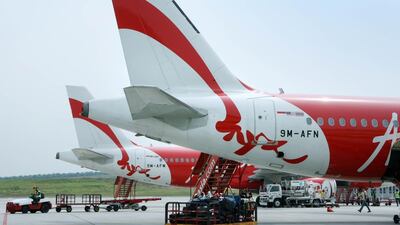
Low-cost airline Air Asia is one of few budget airlines in the top 20. Bloomberg -
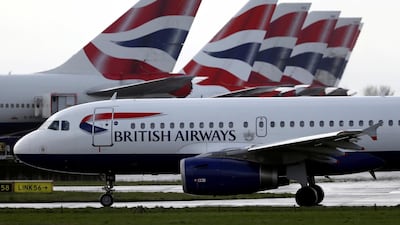
British Airways scored big for its Covid-19 compliance. Airlines are scored out of seven categories by airlineratings.com. Reuters -

Hong Kong's Cathay Pacific also ranked in the top 20. Reuters -
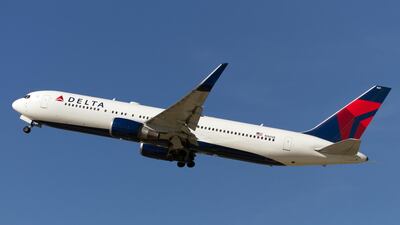
Delta Air Lines ranks as one of the top 20 airlines for Covid-19 compliance. Getty Images -

Emirates scored 7 out of 7 for its Covid-19 compliance. Getty Images -

Etihad Airways also took the highest score. Courtesy Etihad -

Taiwan's Eva Air was noted for its Covid-19 regulations. AFP -

Japan Airlines ranked in the top 20 Covid-safe airlines. -

JetBlue's Covid-19 policies held up to scrutiny. James Darcy / Airbus -

The Netherlands' KLM also led the way in Covid-19 compliance. Courtesy KLM -

Korean Air scoreed seven stars for implementing Covid-19 policies. Courtesy Wikimedia Commons -
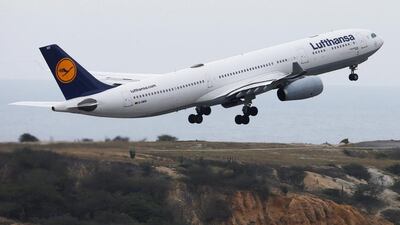
Germany's Lufthansa also ranked high for its policies to protect travellers against the coronavirus. Reuters -
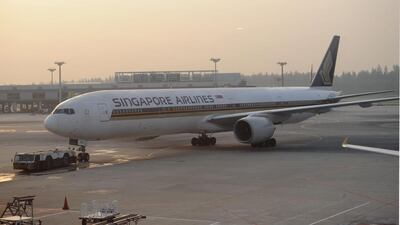
Singapore Airlines was listed in the top 20. AFP -
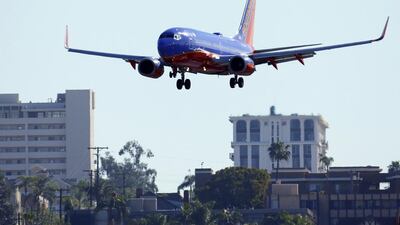
Southwest Airlines from the US also made the cut. Reuters -
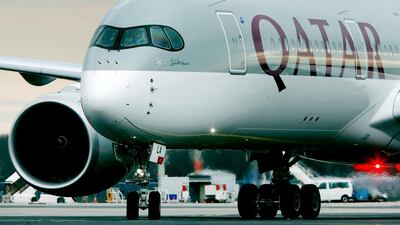
Qatar Airways ranked in the top 20 airlines for Covid-19 compliance. AP -

Westjet rounds out the top 20 airlines leading the way for Covid-19 compliance. Getty Images


It has been clear since the early days of the pandemic that diagnosing those who were infected quickly and efficiently, through mass testing, is critical. The development and distribution of vaccines would come next.
All of these steps have materialised in some form, albeit imperfectly and unevenly, across much of the world. Most countries have some form of testing, though the technologies deployed vary widely. And most have formulated some kind of vaccination plan, though the ability to realise them varies, too.
So long as the success of all of these efforts remains a work in progress, however, any return to “normality” remains frozen by the necessity of intermittent lockdowns and quarantines for travellers. So when can we get the world moving again?
The simple answer is, when every country's path – or at least a plurality of them – out of the pandemic begins to converge through a concerted, global effort. The variations in progress must minimise in favour of a unified approach trusted by everyone.
In a bid to save its sector, the International Air Transport Association, a global aviation trade body, is rolling out a "travel pass". Iata envisions it as a "digital passport" – a mobile phone app linking the information from a traveller's physical passport with records of their coronavirus tests and vaccinations.
Crucially, the app will cross-reference the records with the testing and vaccination requirements of departure and destination countries, reassuring border officials that the person is safe to travel. Iata will also work with the World Health Organisation and other international bodies to ascertain what testing and vaccine regimes will form the basis for a comprehensible global standard.
Iata has already announced plans to trial the travel pass with Abu Dhabi's Etihad Airways and Dubai's Emirates, two airlines that, thanks to the UAE's ability to roll out testing and vaccinations quickly, have been spared the worst of the pandemic's havoc on the sector.
The digital passport, Iata hopes, will eventually "re-open borders without quarantine" so that governments can be "confident that they are effectively mitigating the risk of importing Covid-19". For most of the world, that confidence is probably still a long way off. But global standards for dealing with the pandemic are the right goal for which countries should aim. They will be integral in restoring trust. And trust, as travellers since the time of Artaxerxes have known, is the only way to ensure safe passage.

