• Beautiful decorations for Ramadan and Eid Al Fitr at Mall of the Emirates in Dubai. Pawan Singh / The National
    Beautiful decorations for Ramadan and Eid Al Fitr at Mall of the Emirates in Dubai. Pawan Singh / The National
  • Tailors at a garment shop in Satwa prepare and finish sowing Eid clothes for the upcoming end of the Holy Month of Ramadan. Antonie Robertson / The National
    Tailors at a garment shop in Satwa prepare and finish sowing Eid clothes for the upcoming end of the Holy Month of Ramadan. Antonie Robertson / The National
  • Tailors at a garment shop in Satwa prepare and finish sowing Eid clothes for the upcoming end of the Holy Month of Ramadan. Antonie Robertson / The National
    Tailors at a garment shop in Satwa prepare and finish sowing Eid clothes for the upcoming end of the Holy Month of Ramadan. Antonie Robertson / The National
  • Beautiful decorations for Ramadan and Eid Al Fitr at Mall of the Emirates in Dubai. Pawan Singh / The National
    Beautiful decorations for Ramadan and Eid Al Fitr at Mall of the Emirates in Dubai. Pawan Singh / The National
  • Beautiful decorations for Ramadan and Eid Al Fitr at Mall of the Emirates in Dubai. Pawan Singh / The National
    Beautiful decorations for Ramadan and Eid Al Fitr at Mall of the Emirates in Dubai. Pawan Singh / The National
  • People shopping at Carrefour Hypermarket at Mall of the Emirates in Dubai ahead of Eid Al Fitr. Pawan Singh / The National
    People shopping at Carrefour Hypermarket at Mall of the Emirates in Dubai ahead of Eid Al Fitr. Pawan Singh / The National
  • Tailors at a garment shop in Satwa prepare and finish sowing Eid clothes for the upcoming end of the Holy Month of Ramadan. Antonie Robertson / The National
    Tailors at a garment shop in Satwa prepare and finish sowing Eid clothes for the upcoming end of the Holy Month of Ramadan. Antonie Robertson / The National
  • Tailors at a garment shop in Satwa prepare and finish sowing Eid clothes for the upcoming end of the Holy Month of Ramadan. Antonie Robertson / The National
    Tailors at a garment shop in Satwa prepare and finish sowing Eid clothes for the upcoming end of the Holy Month of Ramadan. Antonie Robertson / The National
  • Tailors at a garment shop in Satwa prepare and finish sowing Eid clothes for the upcoming end of the Holy Month of Ramadan. Antonie Robertson / The National
    Tailors at a garment shop in Satwa prepare and finish sowing Eid clothes for the upcoming end of the Holy Month of Ramadan. Antonie Robertson / The National
  • Tailors at a garment shop in Satwa prepare and finish sowing Eid clothes for the upcoming end of the Holy Month of Ramadan. Antonie Robertson / The National
    Tailors at a garment shop in Satwa prepare and finish sowing Eid clothes for the upcoming end of the Holy Month of Ramadan. Antonie Robertson / The National
  • Tailors at a garment shop in Satwa prepare and finish sowing Eid clothes for the upcoming end of the Holy Month of Ramadan. Antonie Robertson / The National
    Tailors at a garment shop in Satwa prepare and finish sowing Eid clothes for the upcoming end of the Holy Month of Ramadan. Antonie Robertson / The National

Eid Al Fitr holiday announced for UAE private-sector workers


  • English
  • Arabic

The UAE announced Eid Al Fitr holiday dates for the private sector on Thursday.

Workers will enjoy a public holiday from Ramadan 29 – Saturday, April 30 – until Shawwal 3.

It will be a paid holiday for all private sector workers on the occasion of Eid Al Fitr.

This means the holiday will be from Saturday, April 30, and last until Tuesday, May 3 or Wednesday, May 4, depending on the start date of Eid.

The decision was made by the Ministry of Human Resources and Emiratisation.

Eid is expected to fall on Monday, May 2, according to the International Astronomical Centre, but will be confirmed by the UAE’s moon-sighting committee.

Eid Al Fitr marks the end of Ramadan but the exact date depends on the sighting of the Moon. The holy month lasts for 29 or 30 days, depending on when the new crescent is sighted.

Emirates Astronomical Society had forecast that the last day of Ramadan would be on May 1, making the month 30 days.

Earlier, the Eid break for government staff was revealed. The Federal Authority for Government Human Resources said this would also run from Ramadan 29 to Shawwal 3.

What is Eid Al Fitr?

At the end of Ramadan, Eid Al Fitr is the holiday that marks the completion of the month-long fasting.

Practices vary around the world, but commonly include morning prayers, public holidays, visiting family and friends, new clothing and henna, gifts and charity donations.

Top travel destinations this Eid Al Fitr - in pictures

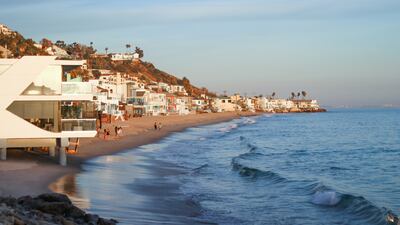
The US is the most popular destination for travellers from the Middle East and Africa, according to the latest data from digital travel marketing company Sojern.

  • 1. The US is the most popular destination for travel this Eid, according to new data from Sojern. Unsplash / Carlos Bastias
    1. The US is the most popular destination for travel this Eid, according to new data from Sojern. Unsplash / Carlos Bastias
  • 2. Lake Como, Italy. Unsplash
    2. Lake Como, Italy. Unsplash
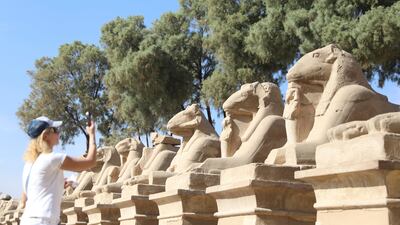
  • 3. The Karnak Temple in Luxor, Egypt. AP Photo
    3. The Karnak Temple in Luxor, Egypt. AP Photo
  • 4. Kerala, India. AFP
    4. Kerala, India. AFP
  • 5. The Scottish Highlands in the UK.
    5. The Scottish Highlands in the UK.
  • 6. Marseilles, France. Atlantide Phototravel / Corbis
    6. Marseilles, France. Atlantide Phototravel / Corbis
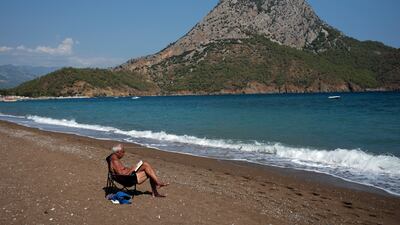
  • 7. Antalya, Turkey. AP Photo
    7. Antalya, Turkey. AP Photo
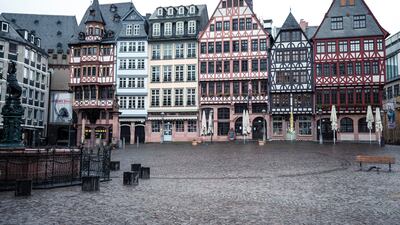
  • 8. Frankfurt, Germany. Unsplash / Marcus Spiske
    8. Frankfurt, Germany. Unsplash / Marcus Spiske
  • 9. Palawan, the Philippines. Photo: Explorar Hotels & Resorts
    9. Palawan, the Philippines. Photo: Explorar Hotels & Resorts
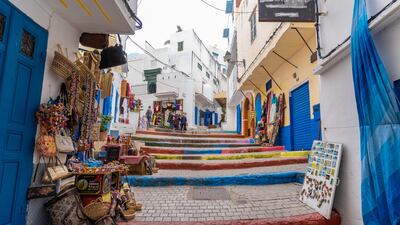
  • 10. Tangier, Morocco. Getty Images
    10. Tangier, Morocco. Getty Images
Ten tax points to be aware of in 2026

1. Domestic VAT refund amendments: request your refund within five years

If a business does not apply for the refund on time, they lose their credit.

2. E-invoicing in the UAE

Businesses should continue preparing for the implementation of e-invoicing in the UAE, with 2026 a preparation and transition period ahead of phased mandatory adoption. 

3. More tax audits

Tax authorities are increasingly using data already available across multiple filings to identify audit risks. 

4. More beneficial VAT and excise tax penalty regime

Tax disputes are expected to become more frequent and more structured, with clearer administrative objection and appeal processes. The UAE has adopted a new penalty regime for VAT and excise disputes, which now mirrors the penalty regime for corporate tax.

5. Greater emphasis on statutory audit

There is a greater need for the accuracy of financial statements. The International Financial Reporting Standards standards need to be strictly adhered to and, as a result, the quality of the audits will need to increase.

6. Further transfer pricing enforcement

Transfer pricing enforcement, which refers to the practice of establishing prices for internal transactions between related entities, is expected to broaden in scope. The UAE will shortly open the possibility to negotiate advance pricing agreements, or essentially rulings for transfer pricing purposes. 

7. Limited time periods for audits

Recent amendments also introduce a default five-year limitation period for tax audits and assessments, subject to specific statutory exceptions. While the standard audit and assessment period is five years, this may be extended to up to 15 years in cases involving fraud or tax evasion. 

8. Pillar 2 implementation 

Many multinational groups will begin to feel the practical effect of the Domestic Minimum Top-Up Tax (DMTT), the UAE's implementation of the OECD’s global minimum tax under Pillar 2. While the rules apply for financial years starting on or after January 1, 2025, it is 2026 that marks the transition to an operational phase.

9. Reduced compliance obligations for imported goods and services

Businesses that apply the reverse-charge mechanism for VAT purposes in the UAE may benefit from reduced compliance obligations. 

10. Substance and CbC reporting focus

Tax authorities are expected to continue strengthening the enforcement of economic substance and Country-by-Country (CbC) reporting frameworks. In the UAE, these regimes are increasingly being used as risk-assessment tools, providing tax authorities with a comprehensive view of multinational groups’ global footprints and enabling them to assess whether profits are aligned with real economic activity. 

Contributed by Thomas Vanhee and Hend Rashwan, Aurifer

What vitamins do we know are beneficial for living in the UAE

Vitamin D: Highly relevant in the UAE due to limited sun exposure; supports bone health, immunity and mood.Vitamin B12: Important for nerve health and energy production, especially for vegetarians, vegans and individuals with absorption issues.Iron: Useful only when deficiency or anaemia is confirmed; helps reduce fatigue and support immunity.Omega-3 (EPA/DHA): Supports heart health and reduces inflammation, especially for those who consume little fish.

Updated: April 22, 2022, 4:55 AM