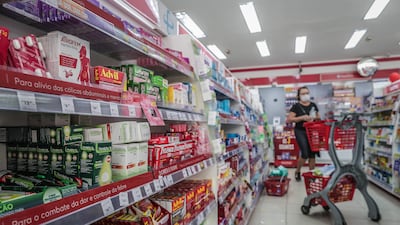
The UAE's drug regulator has banned social media influencers from promoting medical products, as part of updates to advertising rules.
The Emirates Drug Establishment outlined the changes at a customer council at Emirates Towers in Dubai, which brought together partners, consumers and industry representatives to discuss compliance with updated promotional regulations.
A key update is the introduction of regulated advertising for prescription-only medicines, news agency Wam reported. Discussions also covered modes of advertising including print, audio, outdoor screens, websites, social media platforms and other digital channels.

The EDE reiterated that all advertising must receive its approval before publication or circulation and must comply with the rules on advertising claims and promotional practices. These include the prohibition on advertising, promoting or endorsing medical products through social media influencers.
Content must be accurate, clear, free from misleading claims and consistent with approved product information. Promotional material must also clearly disclose any relevant risks or side effects, and include disclaimers based on the product type and target audience. Crucially, adverts must not encourage self-diagnosis or self-prescription without supervision from a healthcare professional.
The council also addressed enforcement, including mechanisms for handling non-compliant content and co-ordination with authorities to remove material that breaches regulations; the application process for different types of adverts and channels; and the application review process and requirements for completing submissions.
Customers shared feedback on the application process, with discussions focusing on ways to simplify procedures and improve service delivery.
The EDE said the council was part of its drive to expand communication with stakeholders, support compliant advertising and promote the safe use of medical products across the UAE.
This comes after the Dubai Health Authority reinforced regulations to protect patients from unrealistic promises and misleading medical claims, requiring aesthetic clinics and healthcare providers to review how they promote treatments on social media.
In August, the authority issued a circular to private healthcare facilities and medical professionals, reminding them to comply with updated standards for medical advertising on social media and warning that violations could result in disciplinary action.
The move is expected to significantly affect Dubai's competitive aesthetics sector, where Instagram, TikTok and other digital platforms have become key channels for attracting patients seeking cosmetic procedures.
Influencers have often been used to promote aesthetic treatments, alongside before-and-after photographs and claims of guaranteed results. However, these promotional practices are now likely to face greater scrutiny and change.

