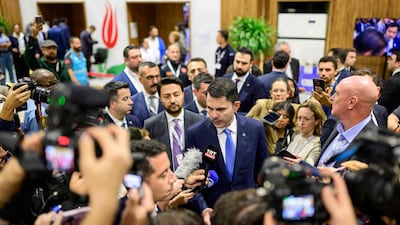
Climate talks in Turkey collapsed without a deal on Sunday as the countries of the world failed to unite on reducing fossil fuel use or putting up money for a greener planet.
The Cop31 summit ran two days beyond its original deadline as negotiators made a last-ditch push for a deal.
But the final text unveiled on Sunday afternoon proved too feeble for a host of nations, including European countries and the Pacific islands threatened by climate change.

The result is the first UN climate summit to end without a headline deal since an infamous occasion in Copenhagen in 2009. UN Secretary General Antonio Guterres said he was "deeply disappointed".
"Temperatures keep shattering records. Climate extremes keep intensifying. Emissions remain far too high. And every delay makes our task harder and more costly," he said.
The mood was bitter as delegates made clear their objections. Cop31 President Murat Kurum was accused of disrespect by African negotiators and at one point shooed away UN climate chief Simon Stiell as he tried to take the floor.
Mr Kurum said some countries had "got hung up on a single word or phrase" and raised irrelevant issues. "There is nothing more to be done. We did everything in our power. The decision belongs to 196 countries. Therefore, we will respect their decision," he said.
Disappointed negotiators said the deal lacked ambition at a time when many fear an “overshoot” – temperatures rising by more than the 1.5°C limit that has been the key global target for a decade. The draft text did not mention fossil fuel use or offer any specifics about money.
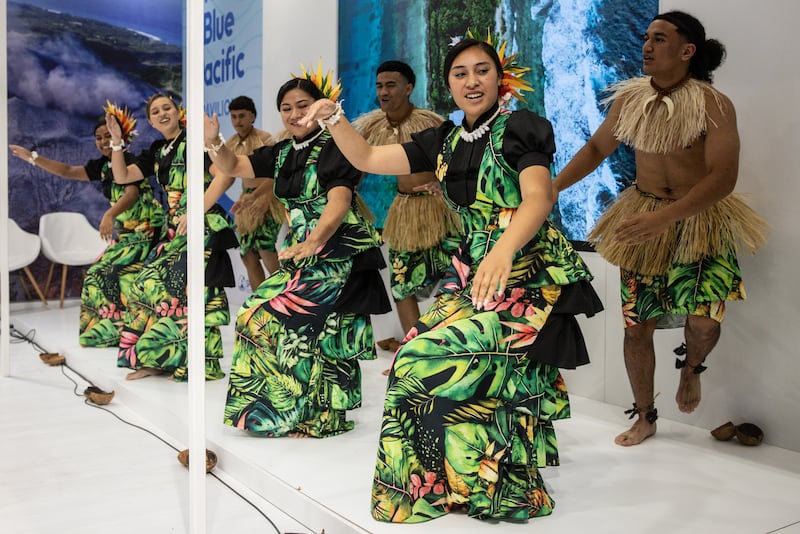
Tuvalu, a small Pacific island nation, said the two weeks of meetings at Cop31 had been “challenging due to the lack of engagement and transparency” in trying to reach a decision.
“Listening to parties who diminish the credibility of signs of climate change is disappointing,” said Maina Vakafua Talia, Tuvalu’s Minister for Home Affairs, Climate Change and Environment.
Egyptian negotiator Wael Aboulmagd was one of many to say his country could not accept the text. “We will carry the lessons of this session forward and, as always, will work constructively … to rebuild momentum and deliver what the most vulnerable are owed,” he said.
It is normal for Cop summits to extend into overtime and Mr Kurum had said earlier on Sunday he was still hopeful, with “minor requests” to change the text. But hours later that hope appeared to be in vain as the talks collapsed.
Cop summits take place once a year and are intended to drive forward action on climate change. But the cause has been beset by problems such as the US withdrawal from climate treaties under President Donald Trump and an energy crunch caused by the Iran war.
Some negotiators felt this year's talks were taking steps backwards. The Cop28 summit in the UAE three years ago ended with a first agreement to “transition away” from fossil fuels, language not repeated in the draft text this time.
Ani Dasgupta, president of the World Resources Institute and a former World Bank official, said the “hollow outcome” reflected a “failure of political leadership” at the talks.
“People on the front lines of the climate crisis cannot afford for governments to spend more than two weeks with almost nothing to show for it,” he said.

