


Israel's Defence Minister Yoav Gallant on Monday called for calm as he visited the site of a deadly attack by Israeli settlers on Palestinians in the West Bank town of Hawara, as some members of the government expressed support for the violence.
Hundreds of settlers attacked shops, cars and homes owned by Palestinians in the town, leaving one dead and more than 100 injured in an attack condemned by the international community. The raid came after the killing of two Israelis by a Palestinian gunman.
"I call on everyone to restore calm," said Mr Gallant. "It is neither legitimate nor possible to operate individually."
However, in stark contrast to Mr Gallant's remarks, National Security Committee head Zvika Fogel said Israel needed to "take the gloves off".
"I want to restore security for the residents of the state of Israel," he said. "How do we do that? We stop using the word ‘proportionality’. We stop with our objection to collective punishment.
“Yesterday, a terrorist came from Hawara. A closed, burnt Hawara. That’s what I want to see. That’s the only way to achieve deterrence ... we need burning villages when the [military] doesn’t act.”
The US has called for an immediate de-escalation.
US State Department spokesman Ned Price said: “We condemn today’s violence in the West Bank, including the terrorist attack that killed two Israelis and settler violence, which resulted in the killing of one Palestinian, injuries to over 100 others and the destruction of extensive property.
“These developments underscore the imperative to immediately de-escalate tensions in words and deeds. The United States will continue to work with Israelis and Palestinians and our regional partners towards restoring calm.”
The divide between the appeal for calm by Mr Gallant and Mr Fogel's call to arms highlights a split within the administration of Prime Minister Benjamin Netanyahu, one of the most right-wing governments in Israeli history.
-
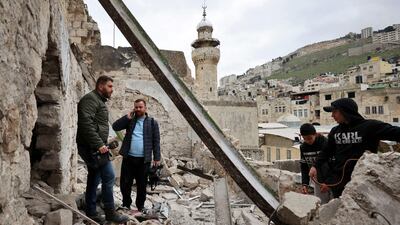
Palestinian men check a house that was demolished during an Israeli army raid in the Old City of Nablus the previous day. AFP -
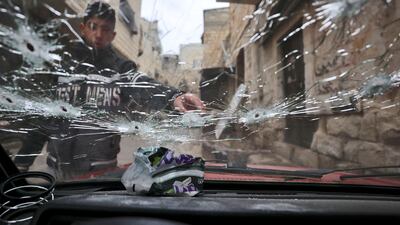
A bullet-riddled windshield outside a house that was targeted in the raid. AFP -
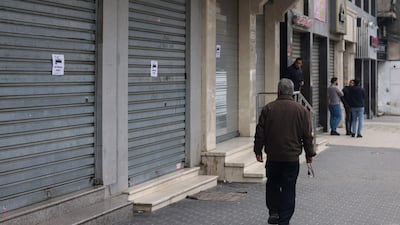
Shuttered shops in Gaza city during a general strike called to protest against the Israeli army raid in Nablus the previous day. AFP -
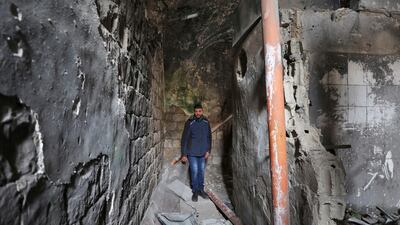
A Palestinian house that was demolished in the Israeli army raid -
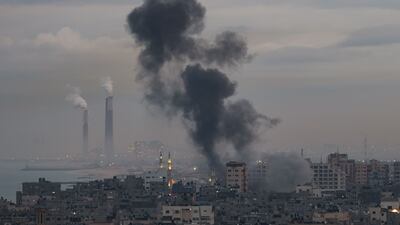
Smoke rises above buildings in Gaza city as Israel launches air strikes on the Palestinian enclave. AFP -
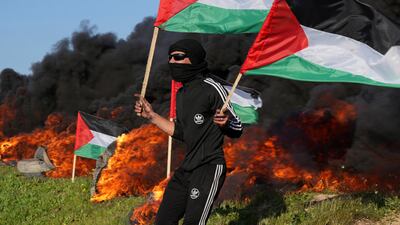
A Palestinian protesting after the military raid in the West Bank city of Nablus. AP -
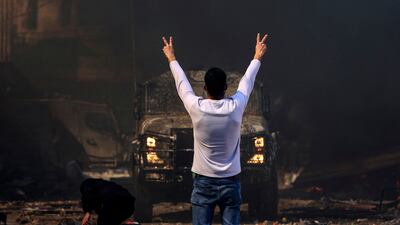
A defiant Palestinian fronts up to an Israeli military vehicle during the raid. AFP -
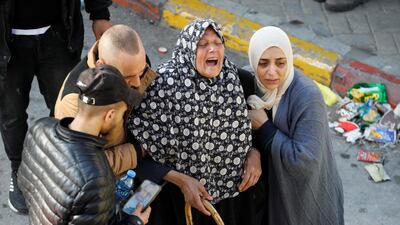
Grief at a funeral of 10 Palestinians, including gunmen, in Nablus. Reuters -
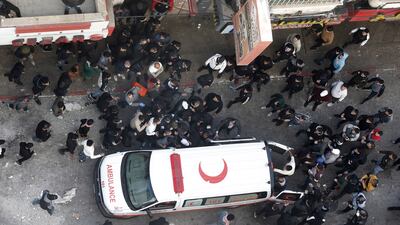
Palestinians carry a man wounded in the Israeli operation. EPA -
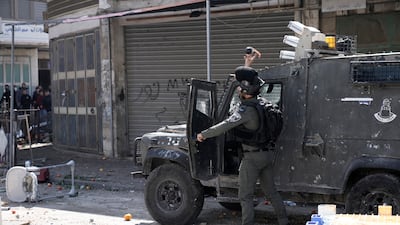
An Israeli officer throws teargas at Palestinians in Nablus. AP -
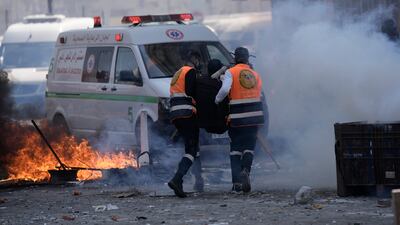
Medics carry a wounded Palestinian to receive treatment. AP -
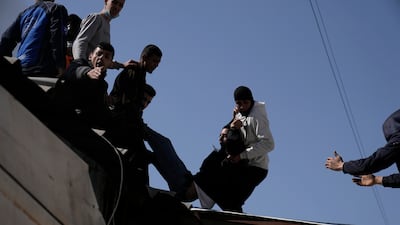
The city is known as a militant stronghold and the Israeli army frequently operates there. AP -
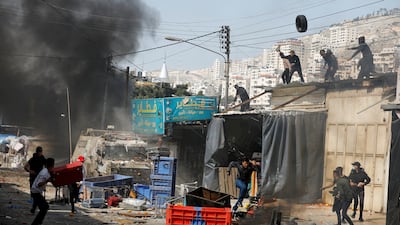
Palestinians clash with Israeli forces in Nablus. Reuters -
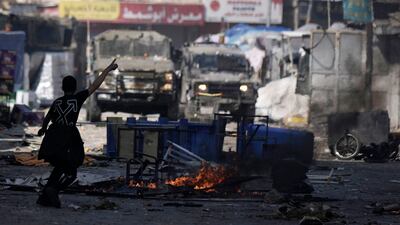
A Palestinian confronts Israeli military vehicles. AP -

Relatives outside a hospital mourn the death of a Palestinian killed in the Israeli raid. AFP -

Palestinians clash with Israeli forces during the raid in Nablus. Reuters -

Bystanders help a Palestinian woman wounded in the raid. AFP -
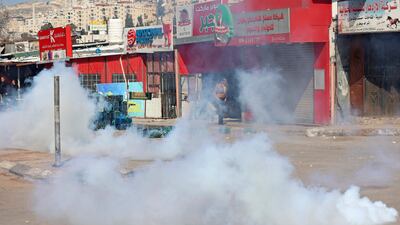
Teargas fills a street in Nablus during the Israeli raid. AFP -
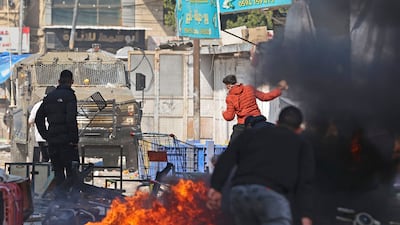
Palestinians confront Israeli forces. AFP -
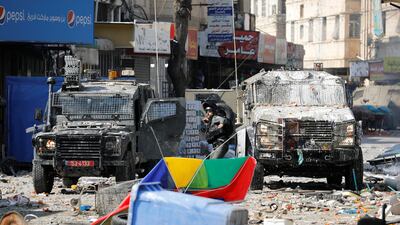
Israeli security forces during the raid. Reuters -
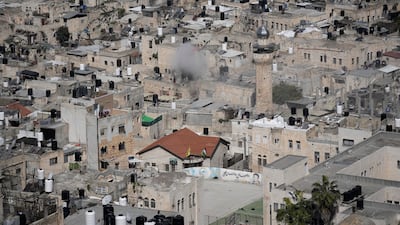
Smoke above a Nablus neighbourhood as Palestinians clash with Israeli forces. AP


It also indicates an emerging rift between the country's security establishment and elements of the government.
This month, Israeli media quoted an unnamed senior government source slapping down National Security Minister Itamar Ben-Gvir's call for a major operation in East Jerusalem. “Decisions of such a scale are not made in statements by one minister or another on a sidewalk at the scene of an attack,” they cited him as saying.
Sunday's events also raise fears within Israel that radical fringes of the country's society are becoming increasingly emboldened by the new government and its confrontational agenda.
On Monday, security forces began dispersing people from the West Bank's Evyatar outpost after hundreds of settlers occupied it overnight, in response to the killing of the two Israeli brothers.
Visiting the scene of the shooting, Mr Gallant on Monday said the country was facing "difficult days ahead".
On Sunday, Palestinian, Israeli and other foreign leaders met in Jordan in a desperate bid by regional and international powers to calm rising tensions after an Israeli raid on Thursday on the city of Nablus, which killed 11 Palestinians and injured more than 100 in one of the bloodiest Israeli operations in years.
After what was labelled the Aqaba summit, a joint communique said Israel had pledged to "stop authorisation of any outposts for six months". But confusion followed after some government members, including the Prime Minister, vowed afterwards that there would be no pause to the authorisation of settlements.
The Israeli military has said it will “reinforce” the West Bank with “two additional battalions” and expand “security checks on routes leading in and out of [Nablus]".
The occupied West Bank is home to about 2.9 million Palestinians, as well as an estimated 475,000 Jewish settlers, who live in colonies considered illegal under international law.

