



Follow the latest on the earthquake in Turkey
Ancient heritage sites have been destroyed by the earthquake that shook Turkey and Syria on Monday morning.
Many buildings in both countries, which host a wealth of archaeological, cultural and historical treasures, have sustained severe damage.
Concerns are growing that a far greater extent of destruction will become visible once rescue parties access cut-off areas.
Turkey's Roman-era Gaziantep Castle was one of the first monuments to be photographed after the earthquake. Initial images showed rubble strewn across the ramparts with a large section of the outer wall destroyed.
Gaziantep is 80km from Kahramanmaras, the earthquake's epicentre. Many parts of the city, which has a population of two million, were levelled by the quake, which has killed more than 5,000 people.
Subsequent images showed most of the complex still standing.
State news agency Anadolu reported damage to the ancient structure's eastern and southern bastions.
The site was used as an observation station in the Hittite Empire, then later built upon by the Romans in the second and third centuries. Byzantine emperor Justinian I expanded the fortifications and built a dry moat.
The building now hosts the Gaziantep Defence and Heroism Panoramic Museum.
The nearby 17th-century Sirvani Mosque also sustained considerable damage, with its dome and eastern wall partially collapsing.
Aftershocks were impeding rescue and conservation attempts.
Yeni Cami Mosque in the centre of Malatya was severely damaged. The mosque was built on the site of the Haciyusuf Mosque, which was destroyed by an earthquake in 1984, the Daily Sabah reported.
It was restored and reopened last year.
Unesco, the UN's cultural agency, said several buildings had collapsed at the Diyarbakir Fortress and Hevsel Gardens Cultural Landscape, a World Heritage site the organisation has described as “an important centre of the Roman, Sassanid, Byzantine, Islamic and Ottoman periods”.
Other places on the World Heritage List not far from the epicentre could also be affected, such as Gobekli Tepe, Nemrut Dag and Tell of Arslantepe.
“Unesco is mobilising its experts to establish a precise inventory of the damage with the aim of rapidly securing and stabilising these sites,” the organisation said.
One ray of hope amid the devastation may be the coming together of international organisations to rebuild and protect cultural heritage, as happened after the 2020 Beirut blast and during the ongoing Ukraine war, Stephen Stenning, the British Council's Global Director of Culture in Action, told The National.
“This natural disaster will create a whole new level of need to look at the intangible cultural heritage of the peoples affected by the earthquake and also the sites and tangible heritage around it. There is more international co-operation on the area of cultural protection than there has been in the past, but there is the need for a lot more in the future.
“Things like this really draw attention and in a way help with that mission of a collective focus on the need to protect cultural heritage.”
Endangered Syrian sites hit again
In Syria, still more destruction.
Unesco said it was “particularly concerned” about the ancient city of Aleppo, which was already on the List of World Heritage in Danger.
Aleppo's Directorate of Archaeology was inspecting the damage to its citadel and other sites in the city. Photos show a wide crack on one of the citadel's towers.
Parts of the building have collapsed and artefacts inside have been damaged. The National Museum has cracks on its outer face.
Parts of the dome of the minaret of the Ayyubid mosque inside the citadel fell away, while the entrance to the fort has been damaged, including the entrance to the Mamluk tower, the Directorate General of Antiquities and Museums said on Facebook.
Aleppo was Syria's prewar commercial centre and considered one of the world's longest continuously inhabited cities, with markets, mosques, caravanserais and public baths, but a brutal siege imposed on rebels left it disfigured.
Even before the earthquake, buildings in Aleppo often collapsed due to poor infrastructure after more than a decade of civil war and little oversight to ensure the safety of new construction projects.
Information was still filtering out of some Syrian governorates, where communications infrastructure was damaged. In Homs, the government said it was aware of the ancient city of Palmyra and damage to the minarets of Qusayr's grand mosque.
In Hama, the historic facades in ancient neighbourhoods such as Bashoura collapsed. Shmemis Castle, site of the building and rebuilding of fortifications since the first century, has also sustained damage.
The original structure was built on top of an extinct volcano. It was first destroyed by an earthquake, then again by Mongol and Tatar forces in 1260 and 1401, respectively. The current site resembles little more than ruins with partially preserved walls, but even these were damaged by Monday's disaster.
Many of the buildings that collapsed or were damaged in the quake had largely survived 12 years of war in Syria.
Turkey and Syria reel from earthquake — in pictures
-
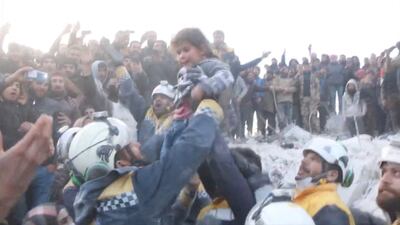
A child being rescued from the rubble in this screengrab obtained from social media, in Bisnia in Syria. Reuters -

A rescued boy is given water in a bottle cap in Hatay, Turkey. Reuters -
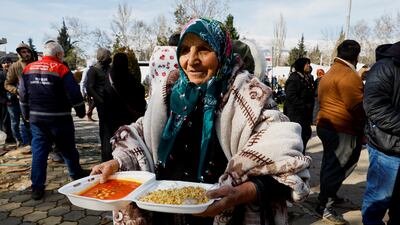
A woman carries a box of food in Kahramanmaras, Turkey. Reuters -
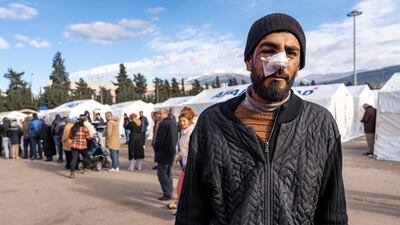
'We were screaming for help until people came to help us and they took us to the hospital', said Hamid from Homs who was injured in a building collapse. Matt Kynaston / The National -
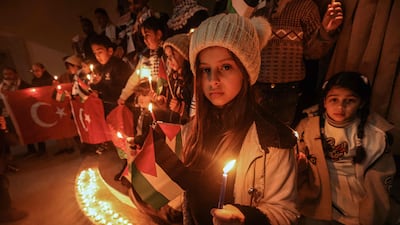
Palestinians attend a vigil to exress solidarity with the people of Turkey and Syria in Khan Yunius in the southern Gaza Strip. AFP -
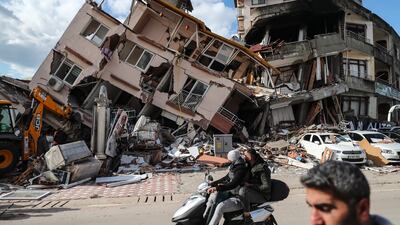
A collapsed building in Hatay, Turkey after a major earthquake struck southern Turkey and northern Syria on February 6. EPA -
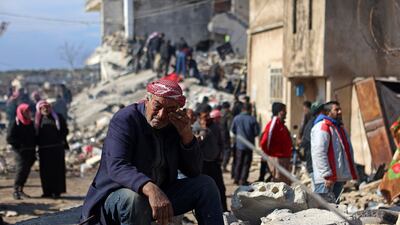
A Syrian man cries as he sits on the rubble of a collapsed building in the rebel-held town of Jindayris. AFP -
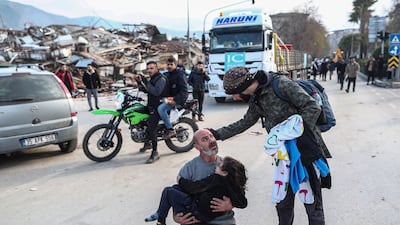
A man carries a girl who was rescued from the rubble of a collapsed building in Hatay. EPA -
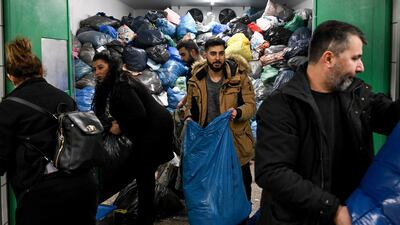
Members of the Turkish community in Berlin gather humanitarian aid. EPA -
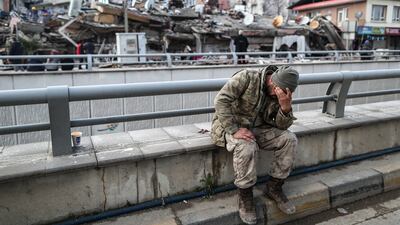
A Turkish soldier in front of a collapsed building in Hatay. EPA -
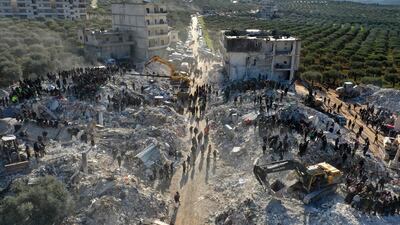
The rubble of buildings in the village of Besnaya in Syria's Idlib province. AFP -
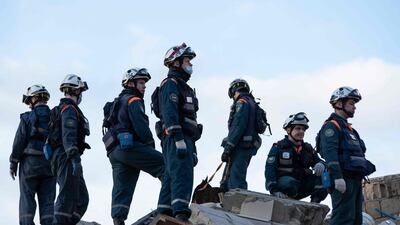
Russian rescuers search for survivors in the town of Jableh in Syria's Latakia province. AFP -
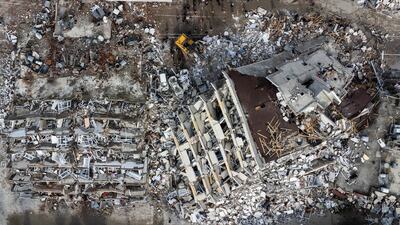
A photo taken with a drone shows an aerial view over collapsed buildings after an earthquake in Hatay, Turkey. EPA -
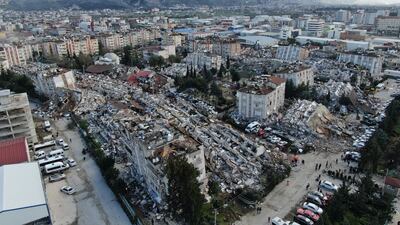
Destruction in Hatay city centre. AP -
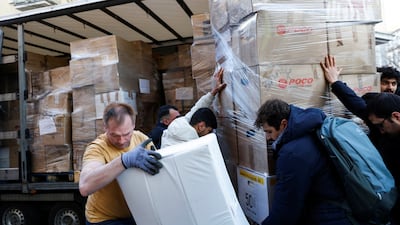
Members of the Turkish community in Berlin collect aid to support victims. Reuters -
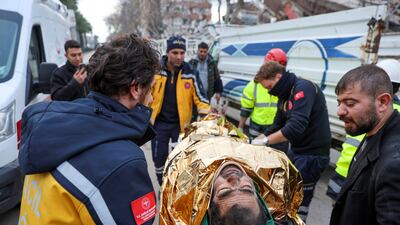
An injured man is carried to an ambulance after being rescued from the rubble in Hatay. Reuters -
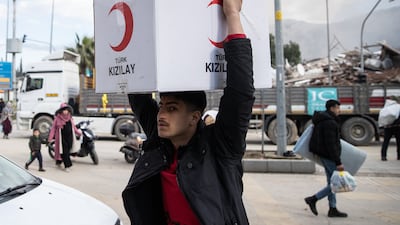
A man carries an aid box in Hatay. Getty -
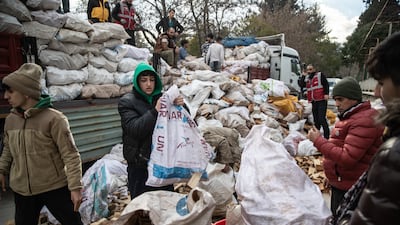
Bags of wood for fires are distributed in Hatay Turkey. Getty -
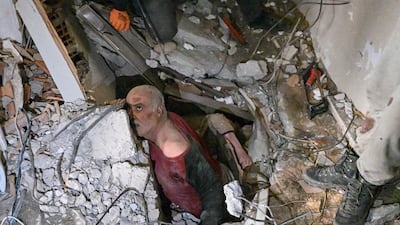
A man trapped in rubble waits while debris is removed in Hatay. AFP -
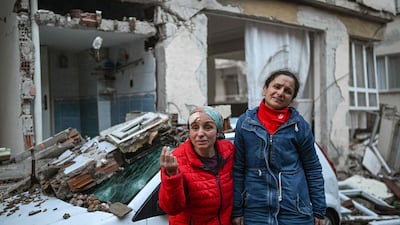
Residents look for their relatives in Hatay. AFP -
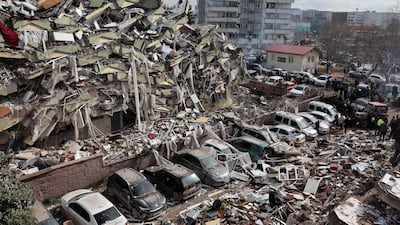
Rescuers look for survivors under the rubble of collapsed buildings in Kahramanmaras, close to the quake's epicentre. AFP -
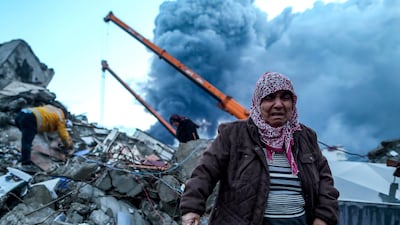
Emergency personnel search for victims at the site of a collapsed building in the city of Iskenderun. EPA -
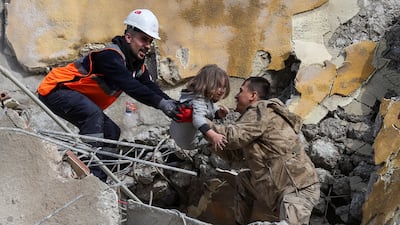
Muhammet Ruzgar, five, is carried by rescuers from the site of a damaged building in Hatay. Reuters -

A newborn found attached by her umbilical cord to her mother and pulled alive from the rubble of a home in northern Syria receives care at a clinic in Afrin. AFP -
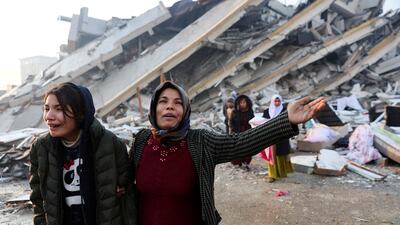
Women grieve in Hatay, Turkey. Reuters -
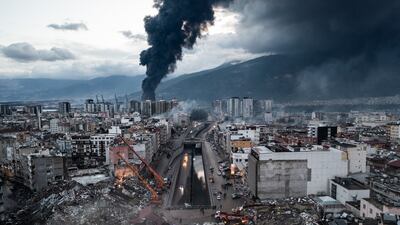
Smoke billows at the site of a collapsed building in Iskenderun, Turkey. Getty -
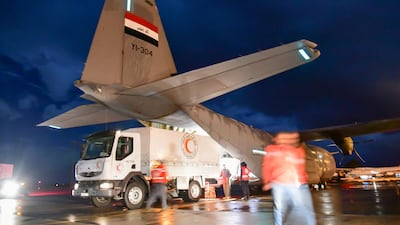
An Iraqi plane offloads aid at Damascus airport in Syria. Reuters -

Two people cry near rubble in Turkey's Hatay province. Reuters -
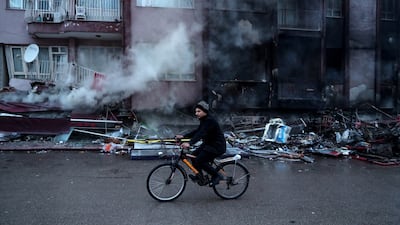
A damaged building in Iskenderun. EPA -
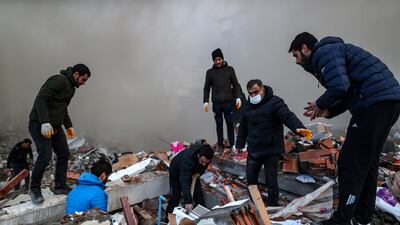
Rescuers search for survivors at the site of a collapsed building in Iskenderun. EPA -
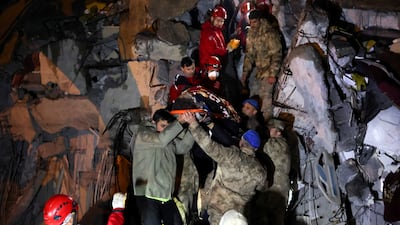
Cennet Sucu is rescued from beneath the rubble of collapsed hospital in Iskenderun. Reuters -
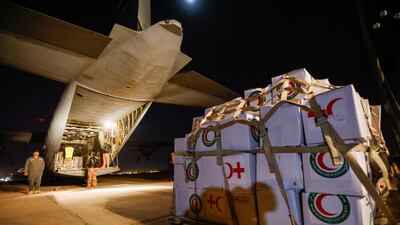
Security forces load Red Crescent aid on to a plane destined for Syria at a military base in Baghdad, Iraq. Reuters -
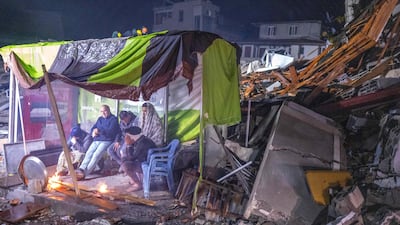
People rest next to fire amid the rubble in Hatay, after a 7. 8-magnitude earthquake struck Turkey's south-east. AFP -
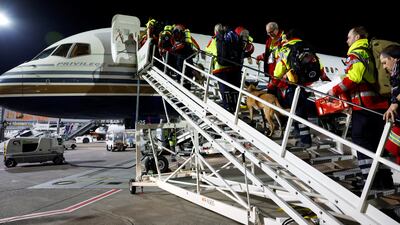
Rescuers board a charter plane in Cologne, Germany, as they head to Turkey to assist in the search for find survivors of the quake. Reuters -
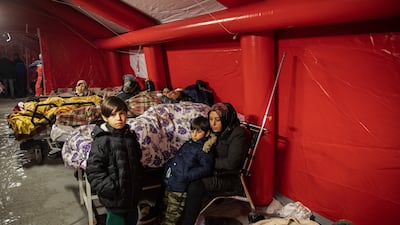
Injured survivors wait to be treated at a field hospital in Iskenderun,Turkey. Getty -
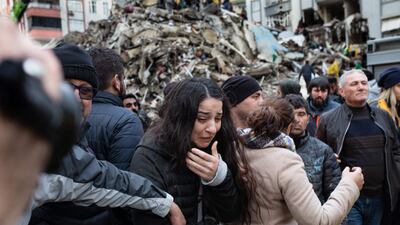
Residents of Turkish city Adana gather at the scene of a collapsed building. The death toll in Turkey and Syria has risen to more than 2,000 after the region's strongest quake in nearly a century. AFP -
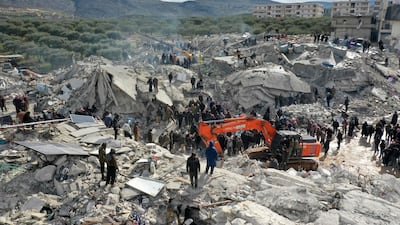
Residents search for survivors amid the rubble of collapsed buildings in the village of Besnia, in Syria's north-western Idlib province. AFP -
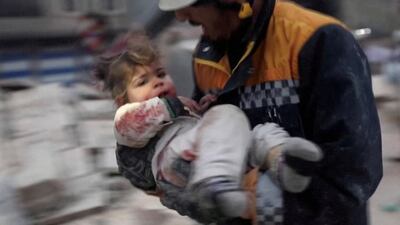
A rescuer carries a Syrian toddler, Raghad Ismail, away from the rubble of a building. Reuters -
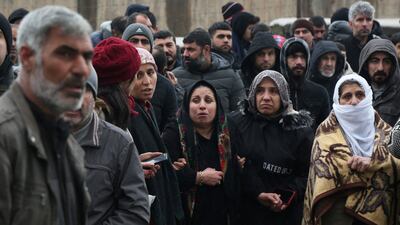
Residents wait anxiously as rescue operations take place in Diyarbakir, Turkey. Reuters -
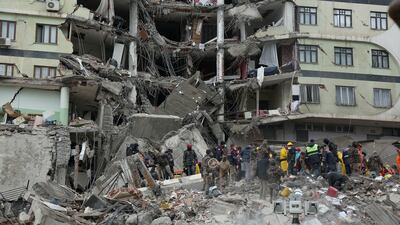
Rescue workers search for survivors under the rubble in Diyarbakir. Reuters -
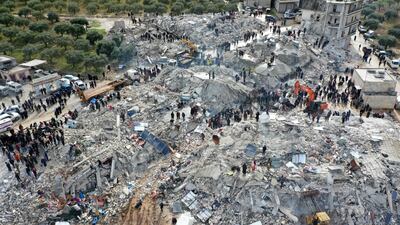
Residents search for survivors in Besnia, Syria. AFP -
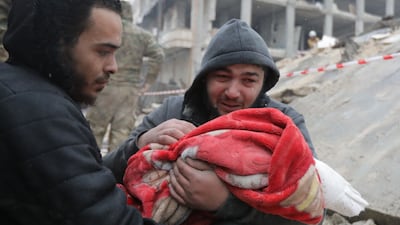
A Syrian man weeps as he carries the body of his son who was killed in an earthquake in the town of Jandaris. AFP -
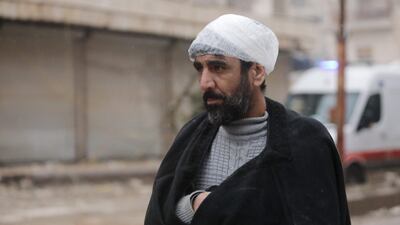
A wounded man in Jandaris. AFP -
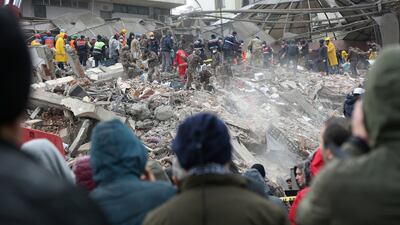
Rescue workers search for survivors in Diyarbakir, Turkey. Reuters -
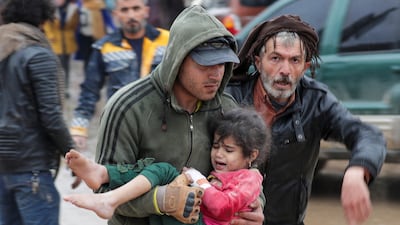
A man carries a girl to safety following the earthquake, in Jandaris, Syria. Reuters -
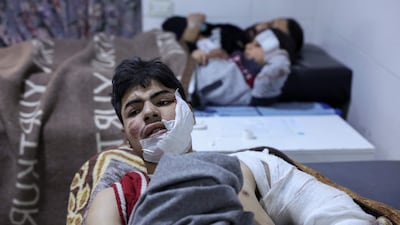
People receive treatment at Al Rahma hospital in the Syrian town of Darkush. AFP -
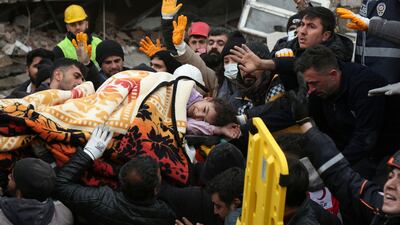
Rescuers carry a girl from a collapsed building, in Diyarbakir, Turkey. Reuters -
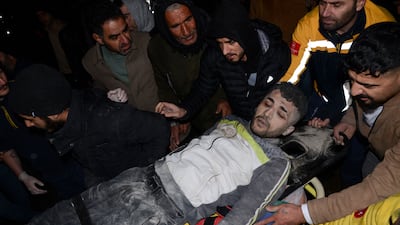
A survivor is extracted from the rubble in Diyarbakir. AFP -
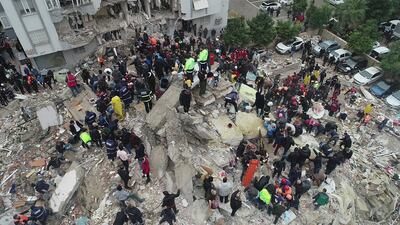
The aftermath of the 7.8-magnitude earthquake on February 6 in Adana, Turkey. Reuters -
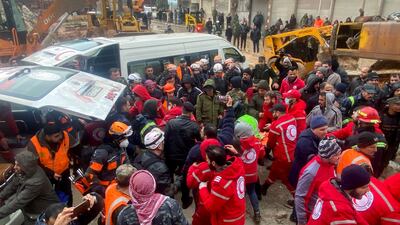
Rescuers work near the site of a collapsed building in Hama, Syria. Reuters -

Turkish sweet vendors at Dubai Waterfront Market watch earthquake updates on a phone. Victor Besa / The National -
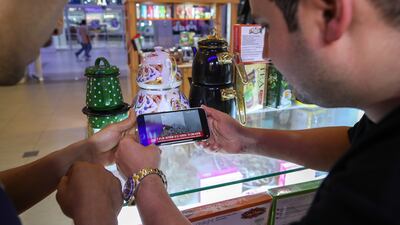
Hayri Aggül and Ismet Guven watch the latest news on the disaster. Victor Besa / The National -

Syrian President Bashar Al Assad (C) leads an emergency cabinet meeting in the capital, Damascus. EPA -

Hundreds of people were killed as they slept. Abd Almajed Alkarh for The National -
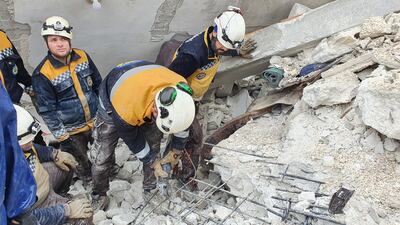
Rescue teams search for survivors in Idlib, Syria. Abd Almajed Alkarh for The National -
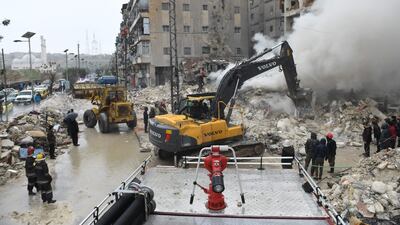
Rescue teams look for survivors under the rubble of a collapsed building in the northern Syrian city of Aleppo. AFP -
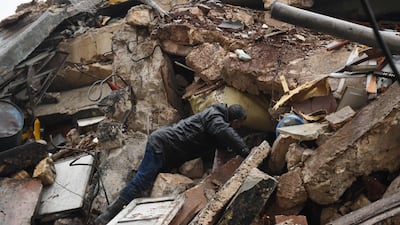
A desperate search for survivors in Aleppo. AFP -
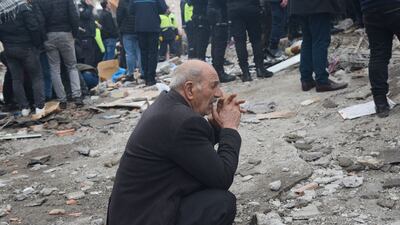
Despair in Diyarbakir, south-eastern Turkey. AFP -
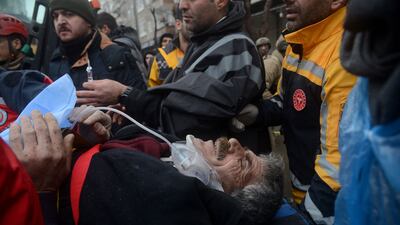
An injured survivor is pulled from the rubble in Diyarbakir. AFP -
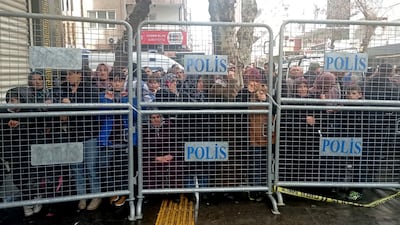
Relatives face an anxious wait as emergency teams search for survivors in Diyarbakir. EPA -
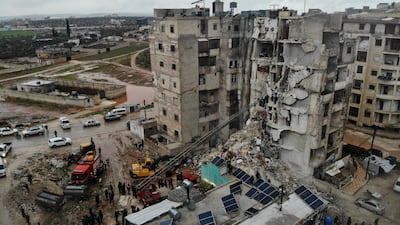
Damage caused by the earthquake in Idlib, north-western Syria. Moawia Atrash for The National -
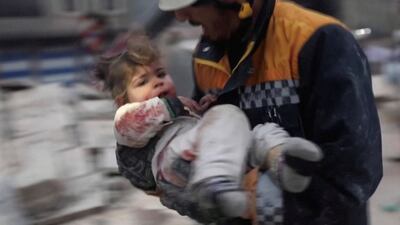
An injured child is plucked from the rubble of a building following the earthquake in rebel-held Azaz, Syria. Reuters -
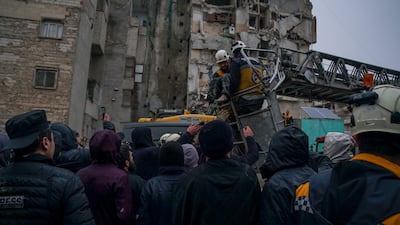
A Syrian Civil Defence team recovering victims of the earthquake in Idlib. Moawia Atrash for The National -
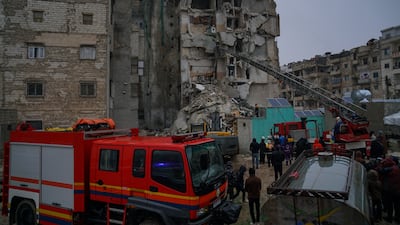
Tremors were felt as far away as Cyprus, Egypt and Iraq. Moawia Atrash for The National -
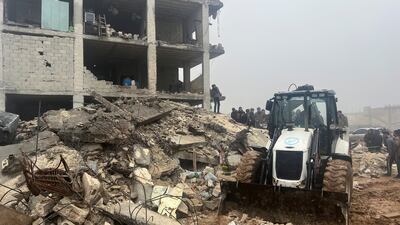
Destruction in the rebel-held town of Jandaris, Syria. Reuters -
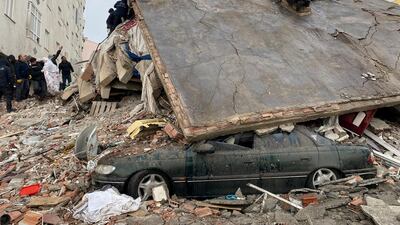
People search through rubble in Diyarbakir, Turkey. Reuters -
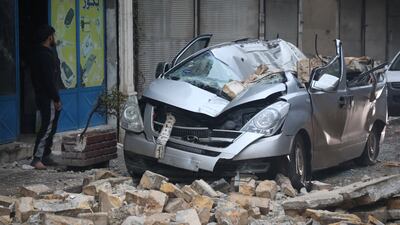
A car is smashed up by fallen debris in Azaz. Reuters -
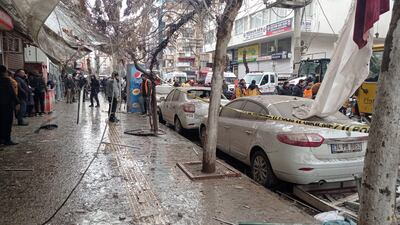
Damaged vehicles after the powerful earthquake in Diyarbakir. EPA -
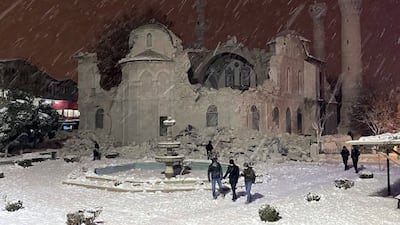
Severe damage to a mosque in Malatya, Turkey. AP -
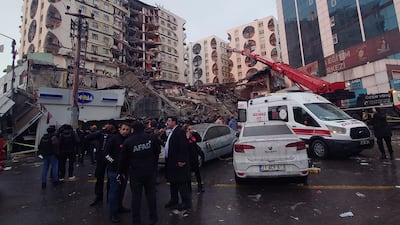
Several buildings collapsed, trapping many people underneath the rubble. AP -
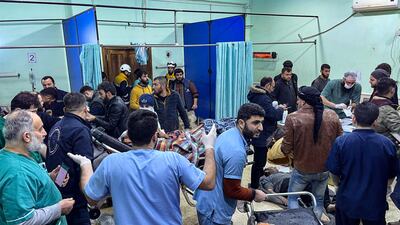
Hospitals in north-eastern Syria were full of injured people. AFP -

An injured man waits for treatment at Bab Al Hawa hospital in Syria's Idlib province. AFP -

A car is buried underneath the rubble of a collapsed building in Azmarin, a town in Syria's Idlib province. AP -
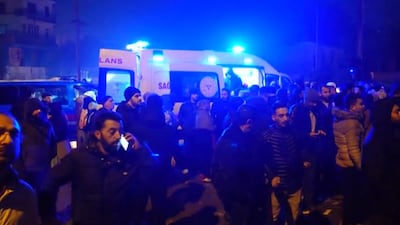
Rescuers search for victims as an ambulance waits. AFP -
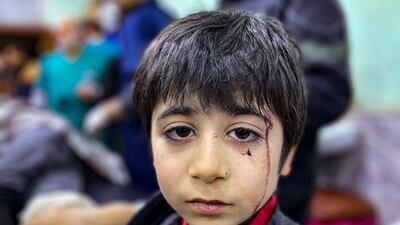
An injured child awaits treatment at Bab Al Hawa hospital. AFP -
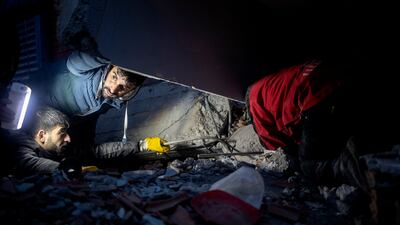
Rescuers search through the rubble for survivors. EPA -
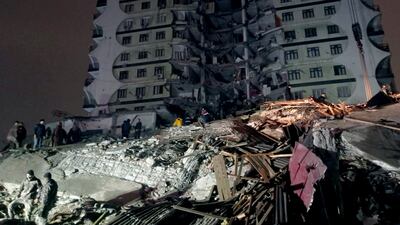
The US Geological Survey said the quake began at 4.17am local time. EPA -
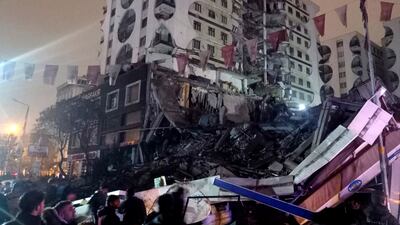
People at the site of a collapsed building. EPA -
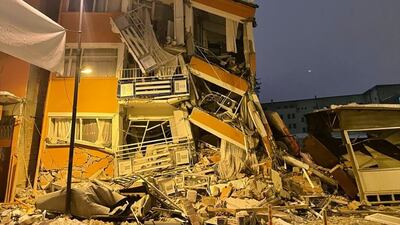
The earthquake in Turkey caused widespread destruction. AP -
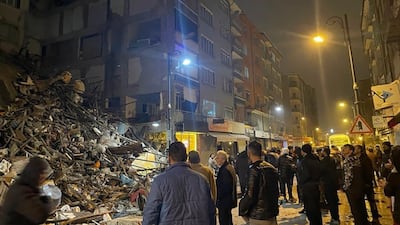
People gather around a collapsed building in Pazarcik, in Turkey's Kahramanmaras province. AP -
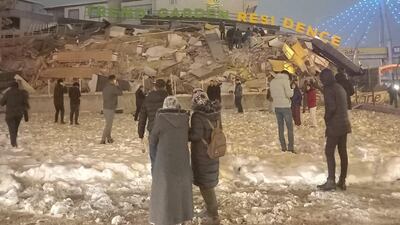
At least 130 buildings collapsed in the Turkish city of Malatya. Reuters -
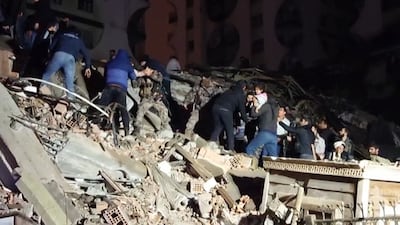
Rescuers search for victims in Diyarbakir. AFP -
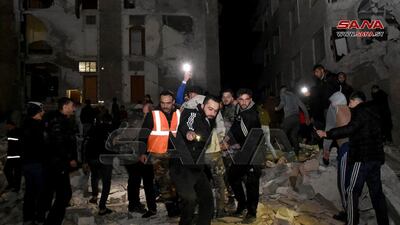
Rescuers carry a victim at the site of a collapsed building in Hama, Syria. AFP -
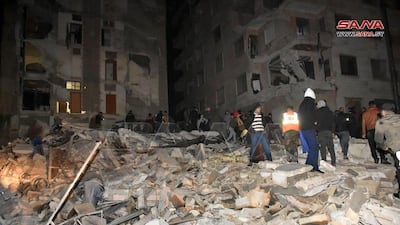
Rescuers search for survivors in Hama. AFP -
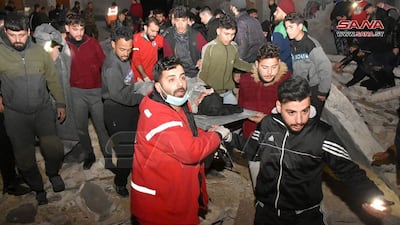
Rescuers carry a victim pulled out from under the rubble of an eight-storey building. AFP -

Damaged buildings in Hama. The aftershocks of the quake were felt in Syria and other neighbouring countries. Reuters -

A Syrian Civil Defence representative said the situation in the city was catastrophic. Reuters -

The death toll is expected to rise in Turkey and Syria. Reuters



