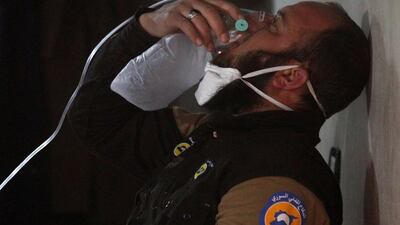
On Tuesday, US President Joe Biden repeated the claim that Russia might resort to using chemical weapons to overcome strong Ukrainian resistance to its invasion.
Russia denies possessing chemical weapons and poisoning Russian dissidents in the UK with chemical nerve agents, charges made by the US, UK and Europe.
White House press secretary Jen Psaki had previously suggested Russia could stage a “false flag attack” or spread conspiracy theories to blame Ukraine.
"We should all be on the lookout for Russia to possibly use chemical or biological weapons in Ukraine, or to create a false flag operation using them – it's a clear pattern," Ms Pskai said on Twitter.
But what are chemical weapons, why are they controversial and what advantages might they have on the battlefield?
When were chemical weapons developed?
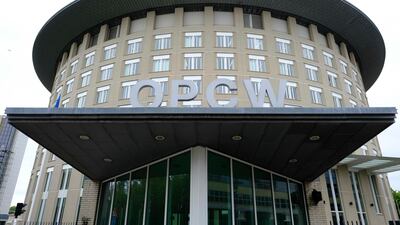
The Organisation for the Prohibition of Chemical Weapons (OPCW) describes them as "munitions, devices and other equipment specifically designed to weaponise toxic chemicals".
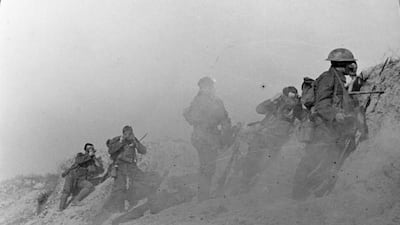
First used at the battle of Ypres in the First World War in 1915, they are banned under the 1993 Chemical Weapons Convention, which has been signed by 193 countries including several that have declared possessing them (the US, Iran) and countries accused of using them in wartime (Syria).
The weapons have been seen by many as a red line in modern warfare because they kill indiscriminately and horrifically.
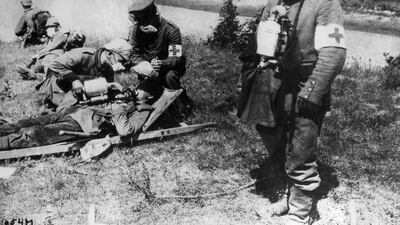
Victims suffer muscle failure and paralysis, suffocating as their lungs fail, may lose bodily control, vomiting before death or suffer gruesome injuries including severe blistering to the skin, or blindness.
They were used to devastating effect when German forces used canisters filled with mustard gas at a 6-kilometre French and British defensive line at Ypres, Belgium, also overwhelming allied Algerian soldiers.
The scale of the attack is vital in understanding how deadly these weapons of mass destruction can be: at least 1,000 soldiers died from chlorine asphyxiation on the front line.
There are three broad categories of chemical weapons. Nerve agents such as Tabun block an enzyme in the body that controls the muscles, causing cramping that stops the lungs and other organs from functioning. Blood agents, such as cyanide, stop cells from functioning properly, eventually causing death.
Then there are blistering agents, such as the mustard gas commonly used in the First World War. Unlike nerve and blood agents, some of which can kill people in seconds in tiny doses, blistering agents are much less likely to kill but cause lung and skin damage and even blindness.
Are they illegal?
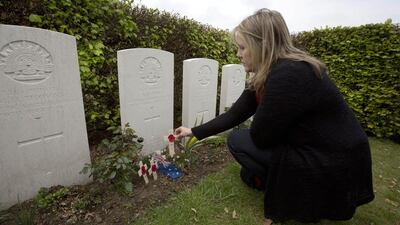
Chemical attacks became common during the First World War and are thought to have killed 90,000 soldiers on all sides but the 1925 Geneva Protocol prohibited their use.
When the Second World War broke out, rival armies refrained from using lethal gas – by this point, the Germans had developed nerve gas, a deadly substance that stops nerve signals and cell function in the body.
While the Geneva Protocol sought to stop their use in wartime, further treaties attempted to prevent development of the weapons during the tension of the Cold War, when the US and former Soviet Union were developing terrifying weapons, including nuclear missiles and biological weapons that kill through disease.
The 1972 Biological and Toxin Weapons Convention sought to stop countries possessing any toxic chemical that could have no peacetime use – but did not allow for international monitoring.
That changed in 1993 when the Organisation for the Prohibition of Chemical Weapons was set up to monitor the destruction of chemical weapons stockpiles among signatories of the CWC.
Have chemical weapons been used in recent years?
It wasn’t until 1984 that a large-scale chemical weapons attack would happen again, when Iraqi forces dropped sulfur mustard and nerve gas agents such as Tabun on Iranian troops around Majnoon near the border with Iran.
The US State Department believed Iraq had used chemical weapons even before then, reporting in 1983 that Baghdad had developed the weapons "with the essential assistance of foreign firms”.
Washington initially condemned the use of the weapons but continued to support Iraq throughout the conflict with Iran, along with European and Russian companies which supplied chemicals and delivery systems.
Iraq would go on to use chemical weapons most infamously at Halabja in the Kurdish region of Iraq in 1988, killing between 3,000 and 5,000 civilians.
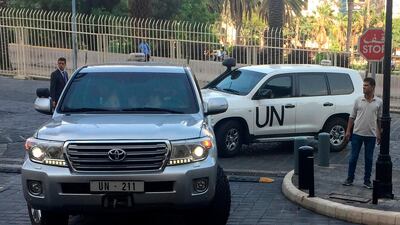
After the invasion of Kuwait in 1991, Iraq said it had destroyed its chemical weapons arsenal, despite insistence by the US and UK that some had been retained. That was one of the reasons given for the 2003 US-led invasion, sparking a bitter rift with UN inspectors.
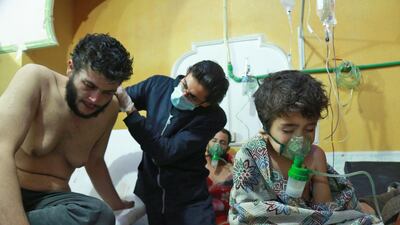
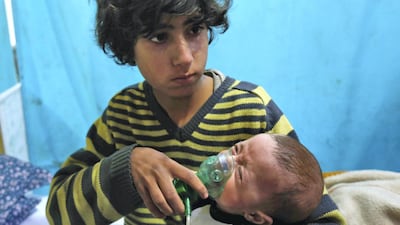
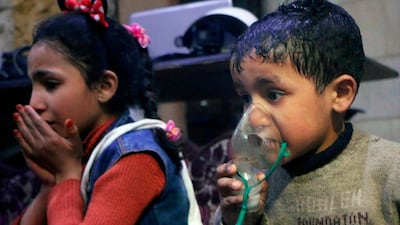
Chemical weapons made headlines again in August 2013, when Bashar Al Assad used them against rebel forces in the Syrian civil war. At Ghouta, hundreds of – and perhaps up to 2,000 – civilians died in a Syrian government chemical attack.
Further use of the weapons by Assad led to the UK, US and France bombing Syrian research centres in April 2018.

RESULTS
6.30pm: Handicap (TB) $68,000 (Dirt) 1,600m
Winner: Hypothetical, Mickael Barzalona (jockey), Salem bin Ghadayer (trainer)
7.05pm: Meydan Sprint – Group 2 (TB) $163,000 (Turf) 1,000m
Winner: Equilateral, Andrea Atzeni, Charles Hills
7.40pm: Curlin Stakes – Listed Handicap (TB) $88,000 (D) 2,200m
Winner: New Trails, Fernando Jara, Ahmad bin Harmash
8.15pm: UAE Oaks – Group 3 (TB) $125,000 (D) 1,900m
Winner: Mnasek, Pat Dobbs, Doug Watson
8.50pm: Zabeel Mile – Group 2 (TB) $163,000 (T) 1,600m
Winner: D’bai, William Buick, Charlie Appleby
9.25pm: Balanchine – Group 2 (TB) $163,000 (T) 1,800m
Winner: Summer Romance, James Doyle, Charlie Appleby
10pm: Al Shindagha Sprint – Group 3 (TB) $130,000 (D) 1,200m
Winner: Al Tariq, Pat Dobbs, Doug Watson
%20Ramez%20Gab%20Min%20El%20Akher
%3Cp%3E%3Cstrong%3ECreator%3A%3C%2Fstrong%3E%20Ramez%20Galal%3C%2Fp%3E%0A%3Cp%3E%3Cstrong%3EStarring%3A%3C%2Fstrong%3E%20Ramez%20Galal%3C%2Fp%3E%0A%3Cp%3E%3Cstrong%3EStreaming%20on%3A%20%3C%2Fstrong%3EMBC%20Shahid%3C%2Fp%3E%0A%3Cp%3E%3Cstrong%3ERating%3A%20%3C%2Fstrong%3E2.5%2F5%3C%2Fp%3E%0A
Lexus LX700h specs
Engine: 3.4-litre twin-turbo V6 plus supplementary electric motor
Power: 464hp at 5,200rpm
Torque: 790Nm from 2,000-3,600rpm
Transmission: 10-speed auto
Fuel consumption: 11.7L/100km
On sale: Now
Price: From Dh590,000
Heavily-sugared soft drinks slip through the tax net
Some popular drinks with high levels of sugar and caffeine have slipped through the fizz drink tax loophole, as they are not carbonated or classed as an energy drink.
Arizona Iced Tea with lemon is one of those beverages, with one 240 millilitre serving offering up 23 grams of sugar - about six teaspoons.
A 680ml can of Arizona Iced Tea costs just Dh6.
Most sports drinks sold in supermarkets were found to contain, on average, five teaspoons of sugar in a 500ml bottle.
War
Director: Siddharth Anand
Cast: Hrithik Roshan, Tiger Shroff, Ashutosh Rana, Vaani Kapoor
Rating: Two out of five stars
UAE%20medallists%20at%20Asian%20Games%202023
%3Cp%3E%3Cstrong%3EGold%3C%2Fstrong%3E%0D%3Cbr%3EMagomedomar%20Magomedomarov%20%E2%80%93%20Judo%20%E2%80%93%20Men%E2%80%99s%20%2B100kg%0D%3Cbr%3EKhaled%20Al%20Shehi%20%E2%80%93%20Jiu-jitsu%20%E2%80%93%20Men%E2%80%99s%20-62kg%0D%3Cbr%3EFaisal%20Al%20Ketbi%20%E2%80%93%20Jiu-jitsu%20%E2%80%93%20Men%E2%80%99s%20-85kg%0D%3Cbr%3EAsma%20Al%20Hosani%20%E2%80%93%20Jiu-jitsu%20%E2%80%93%20Women%E2%80%99s%20-52kg%0D%3Cbr%3EShamma%20Al%20Kalbani%20%E2%80%93%20Jiu-jitsu%20%E2%80%93%20Women%E2%80%99s%20-63kg%0D%3Cbr%3E%3Cstrong%3ESilver%3C%2Fstrong%3E%0D%3Cbr%3EOmar%20Al%20Marzooqi%20%E2%80%93%20Equestrian%20%E2%80%93%20Individual%20showjumping%0D%3Cbr%3EBishrelt%20Khorloodoi%20%E2%80%93%20Judo%20%E2%80%93%20Women%E2%80%99s%20-52kg%0D%3Cbr%3EKhalid%20Al%20Blooshi%20%E2%80%93%20Jiu-jitsu%20%E2%80%93%20Men%E2%80%99s%20-62kg%0D%3Cbr%3EMohamed%20Al%20Suwaidi%20%E2%80%93%20Jiu-jitsu%20%E2%80%93%20Men%E2%80%99s%20-69kg%0D%3Cbr%3EBalqees%20Abdulla%20%E2%80%93%20Jiu-jitsu%20%E2%80%93%20Women%E2%80%99s%20-48kg%0D%3Cbr%3E%3Cstrong%3EBronze%3C%2Fstrong%3E%0D%3Cbr%3EHawraa%20Alajmi%20%E2%80%93%20Karate%20%E2%80%93%20Women%E2%80%99s%20kumite%20-50kg%0D%3Cbr%3EAhmed%20Al%20Mansoori%20%E2%80%93%20Cycling%20%E2%80%93%20Men%E2%80%99s%20omnium%0D%3Cbr%3EAbdullah%20Al%20Marri%20%E2%80%93%20Equestrian%20%E2%80%93%20Individual%20showjumping%0D%3Cbr%3ETeam%20UAE%20%E2%80%93%20Equestrian%20%E2%80%93%20Team%20showjumping%0D%3Cbr%3EDzhafar%20Kostoev%20%E2%80%93%20Judo%20%E2%80%93%20Men%E2%80%99s%20-100kg%0D%3Cbr%3ENarmandakh%20Bayanmunkh%20%E2%80%93%20Judo%20%E2%80%93%20Men%E2%80%99s%20-66kg%0D%3Cbr%3EGrigorian%20Aram%20%E2%80%93%20Judo%20%E2%80%93%20Men%E2%80%99s%20-90kg%0D%3Cbr%3EMahdi%20Al%20Awlaqi%20%E2%80%93%20Jiu-jitsu%20%E2%80%93%20Men%E2%80%99s%20-77kg%0D%3Cbr%3ESaeed%20Al%20Kubaisi%20%E2%80%93%20Jiu-jitsu%20%E2%80%93%20Men%E2%80%99s%20-85kg%0D%3Cbr%3EShamsa%20Al%20Ameri%20%E2%80%93%20Jiu-jitsu%20%E2%80%93%20Women%E2%80%99s%20-57kg%0D%3C%2Fp%3E%0A
Student Of The Year 2
Director: Punit Malhotra
Stars: Tiger Shroff, Tara Sutaria, Ananya Pandey, Aditya Seal
1.5 stars
Company%20profile
%3Cp%3EName%3A%20Tabby%3Cbr%3EFounded%3A%20August%202019%3B%20platform%20went%20live%20in%20February%202020%3Cbr%3EFounder%2FCEO%3A%20Hosam%20Arab%2C%20co-founder%3A%20Daniil%20Barkalov%3Cbr%3EBased%3A%20Dubai%2C%20UAE%3Cbr%3ESector%3A%20Payments%3Cbr%3ESize%3A%2040-50%20employees%3Cbr%3EStage%3A%20Series%20A%3Cbr%3EInvestors%3A%20Arbor%20Ventures%2C%20Mubadala%20Capital%2C%20Wamda%20Capital%2C%20STV%2C%20Raed%20Ventures%2C%20Global%20Founders%20Capital%2C%20JIMCO%2C%20Global%20Ventures%2C%20Venture%20Souq%2C%20Outliers%20VC%2C%20MSA%20Capital%2C%20HOF%20and%20AB%20Accelerator.%3Cbr%3E%3C%2Fp%3E%0A
EXPATS
%3Cp%3E%3Cstrong%3EDirector%3A%3C%2Fstrong%3E%20Lulu%20Wang%26nbsp%3B%3C%2Fp%3E%0A%3Cp%3E%3Cstrong%3EStars%3A%3C%2Fstrong%3E%20Nicole%20Kidman%2C%20Sarayu%20Blue%2C%20Ji-young%20Yoo%2C%20Brian%20Tee%2C%20Jack%20Huston%3C%2Fp%3E%0A%3Cp%3E%3Cstrong%3ERating%3A%3C%2Fstrong%3E%204%2F5%3C%2Fp%3E%0A
RESULTS
Men – semi-finals
57kg – Tak Chuen Suen (MAC) beat Phuong Xuan Nguyen (VIE) 29-28; Almaz Sarsembekov (KAZ) beat Zakaria Eljamari (UAE) by points 30-27.
67kg – Mohammed Mardi (UAE) beat Huong The Nguyen (VIE) by points 30-27; Narin Wonglakhon (THA) v Mojtaba Taravati Aram (IRI) by points 29-28.
60kg – Yerkanat Ospan (KAZ) beat Amir Hosein Kaviani (IRI) 30-27; Long Doan Nguyen (VIE) beat Ibrahim Bilal (UAE) 29-28
63.5kg – Abil Galiyev (KAZ) beat Truong Cao Phat (VIE) 30-27; Nouredine Samir (UAE) beat Norapat Khundam (THA) RSC round 3.
71kg – Shaker Al Tekreeti (IRQ) beat Fawzi Baltagi (LBN) 30-27; Amine El Moatassime (UAE) beat Man Kongsib (THA) 29-28
81kg – Ilyass Hbibali (UAE) beat Alexandr Tsarikov (KAZ) 29-28; Khaled Tarraf (LBN) beat Mustafa Al Tekreeti (IRQ) 30-27
86kg – Ali Takaloo (IRI) beat Mohammed Al Qahtani (KSA) RSC round 1; Emil Umayev (KAZ) beat Ahmad Bahman (UAE) TKO round
Day 4, Abu Dhabi Test: At a glance
Moment of the day Not much was expected – on Sunday or ever – of Hasan Ali as a batsman. And yet he lit up the late overs of the Pakistan innings with a happy cameo of 29 from 25 balls. The highlight was when he launched a six right on top of the netting above the Pakistan players’ viewing area. He was out next ball.
Stat of the day – 1,358 There were 1,358 days between Haris Sohail’s previous first-class match and his Test debut for Pakistan. The lack of practice in the multi-day format did not show, though, as the left-hander made an assured half-century to guide his side through a potentially damaging collapse.
The verdict As is the fashion of Test matches in this country, the draw feels like a dead-cert, before a clatter of wickets on the fourth afternoon puts either side on red alert. With Yasir Shah finding prodigious turn now, Pakistan will be confident of bowling Sri Lanka out. Whether they have enough time to do so and chase the runs required remains to be seen.
Fixtures and results:
Wed, Aug 29:
- Malaysia bt Hong Kong by 3 wickets
- Oman bt Nepal by 7 wickets
- UAE bt Singapore by 215 runs
Thu, Aug 30: UAE v Nepal; Hong Kong v Singapore; Malaysia v Oman
Sat, Sep 1: UAE v Hong Kong; Oman v Singapore; Malaysia v Nepal
Sun, Sep 2: Hong Kong v Oman; Malaysia v UAE; Nepal v Singapore
Tue, Sep 4: Malaysia v Singapore; UAE v Oman; Nepal v Hong Kong
Thu, Sep 6: Final
In numbers: China in Dubai
The number of Chinese people living in Dubai: An estimated 200,000
Number of Chinese people in International City: Almost 50,000
Daily visitors to Dragon Mart in 2018/19: 120,000
Daily visitors to Dragon Mart in 2010: 20,000
Percentage increase in visitors in eight years: 500 per cent
Abu Dhabi Sustainability Week
What is blockchain?
Blockchain is a form of distributed ledger technology, a digital system in which data is recorded across multiple places at the same time. Unlike traditional databases, DLTs have no central administrator or centralised data storage. They are transparent because the data is visible and, because they are automatically replicated and impossible to be tampered with, they are secure.
The main difference between blockchain and other forms of DLT is the way data is stored as ‘blocks’ – new transactions are added to the existing ‘chain’ of past transactions, hence the name ‘blockchain’. It is impossible to delete or modify information on the chain due to the replication of blocks across various locations.
Blockchain is mostly associated with cryptocurrency Bitcoin. Due to the inability to tamper with transactions, advocates say this makes the currency more secure and safer than traditional systems. It is maintained by a network of people referred to as ‘miners’, who receive rewards for solving complex mathematical equations that enable transactions to go through.
However, one of the major problems that has come to light has been the presence of illicit material buried in the Bitcoin blockchain, linking it to the dark web.
Other blockchain platforms can offer things like smart contracts, which are automatically implemented when specific conditions from all interested parties are reached, cutting the time involved and the risk of mistakes. Another use could be storing medical records, as patients can be confident their information cannot be changed. The technology can also be used in supply chains, voting and has the potential to used for storing property records.
The specs
Engine: 3.5-litre V6
Power: 272hp at 6,400rpm
Torque: 331Nm from 5,000rpm
Transmission: 8-speed auto
Fuel consumption: 9.7L/100km
On sale: now
Price: Dh149,000
MATCH INFO
Uefa Champions League semi-final, second leg result:
Ajax 2-3 Tottenham
Tottenham advance on away goals rule after tie ends 3-3 on aggregate
Final: June 1, Madrid
The Bio
Favourite vegetable: “I really like the taste of the beetroot, the potatoes and the eggplant we are producing.”
Holiday destination: “I like Paris very much, it’s a city very close to my heart.”
Book: “Das Kapital, by Karl Marx. I am not a communist, but there are a lot of lessons for the capitalist system, if you let it get out of control, and humanity.”
Musician: “I like very much Fairuz, the Lebanese singer, and the other is Umm Kulthum. Fairuz is for listening to in the morning, Umm Kulthum for the night.”
More from Neighbourhood Watch:
THE SPECS
Engine: 2.0-litre four-cylinder turbo
Transmission: eight-speed automatic
Power: 258hp at 5,000-6,500rpm
Torque: 400Nm from 1,550-4,400rpm
Fuel economy, combined: 6.4L/100km
Price, base: from D215,000 (Dh230,000 as tested)
On sale: now
Company profile
Date started: 2015
Founder: John Tsioris and Ioanna Angelidaki
Based: Dubai
Sector: Online grocery delivery
Staff: 200
Funding: Undisclosed, but investors include the Jabbar Internet Group and Venture Friends