


RELATED: UAE salary guide 2022: how much should you be earning?
Emirati professionals are increasingly turning to the private sector for career progression, driven by government efforts to further develop the UAE labour market for citizens, according to a report by recruitment consultancy Michael Page.
Initiatives such as the Emirati HR Development Council, launched by Sheikh Mohammed bin Rashid, Vice President and Ruler of Dubai, in July last year are helping to boost Emirati interest in the private sector, Michael Page's 2022 Emiratisation salary and hiring insights guide found.
Michael Page polled more than 1,400 Emirati professionals last year as it prepared the guide.
In the fourth quarter of 2021, “we saw a huge shift in the market with strong, qualified UAE national candidates receiving multiple offers — this is the busiest the Emiratisation job market has been”, said Samantha Wright, managing consultant for Emiratisation at Michael Page.
“Emiratis are not only looking for attractive salaries and financial benefits when joining a company; they are also looking for learning and career progression and how their work can directly impact business growth.”
The jobs market in the UAE, the second-largest Arab economy, has made a strong recovery from the coronavirus-induced slowdown on the back of the government’s fiscal and monetary measures.
About 76 per cent of UAE employers plan to expand their workforce in 2022, according to a survey in February by jobs portal Bayt.com and market research company YouGov.
What is the salary and employment outlook for Emirati private sector jobseekers this year? Read on to find out.
Are private sector Emirati professionals expecting a salary rise in 2022?
Last month, a survey by recruitment company Hays found that a majority of private sector Emirati employees expect their salaries to increase over the next 12 months (see our slideshow above) as business confidence and hiring activity return to pre-coronavirus levels.
Half of all Emiratis surveyed said they expect an increase in salary, compared with 43 per cent in 2021, while 48 per cent expect their wage to remain the same and 2 per cent expect a decrease, according to the Hays Emiratisation Salary Guide, which polled more than 180 Emiratis in the fourth quarter of 2021.
“This is the first time since running our annual salary survey that we have seen expectations for salary increases outweigh those expecting their salary to remain the same year on year within the Emirati community,” said Grace Eldridge, business manager of Emiratisation at Hays.
“Confidence in the market is at a three-year high, with business activity generally above and beyond pre-pandemic levels in the UAE. As a result, we expect a higher number of salary increases to be awarded this year than in the past two years.”
-
UAE salary guide 2022 -
UAE salary guide 2022 -
UAE salary guide 2022 -
UAE salary guide 2022 -
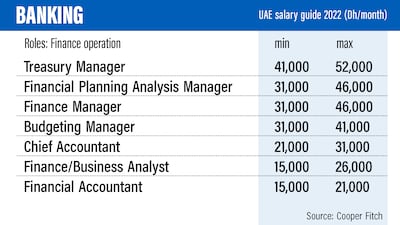
UAE salary guide 2022 -
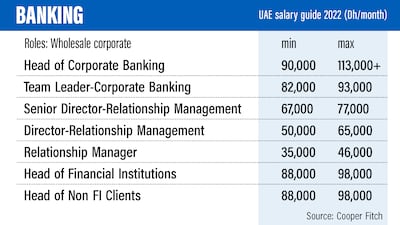
UAE salary guide 2022 -
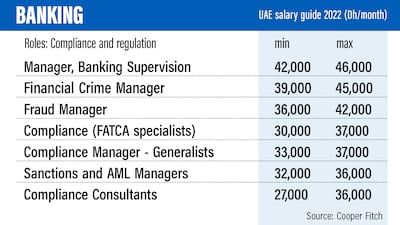
UAE salary guide 2022 -
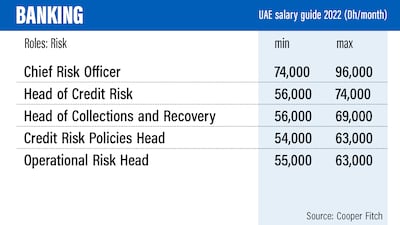
UAE salary guide 2022 -
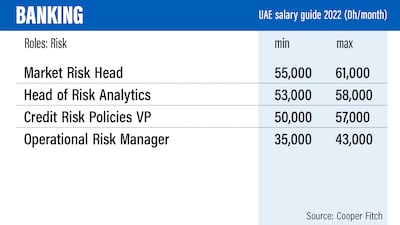
UAE salary guide 2022 -
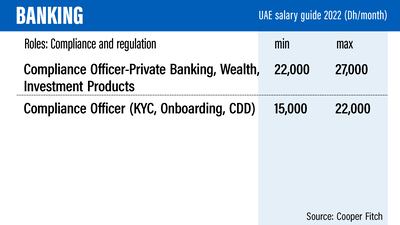
UAE salary guide 2022 -
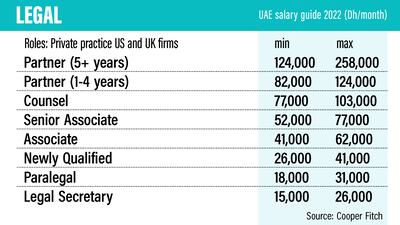
UAE salary guide 2022 -
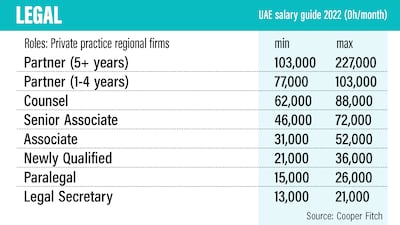
UAE salary guide 2022 -
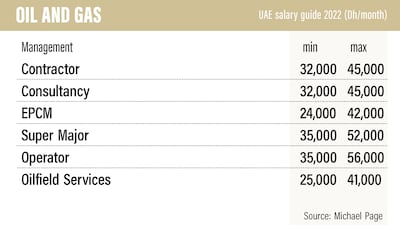
UAE Salary guide 2022 -
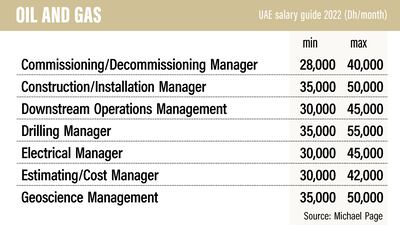
UAE Salary guide 2022 -
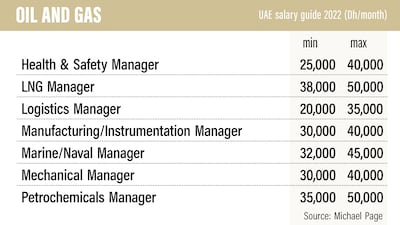
UAE Salary guide 2022 -
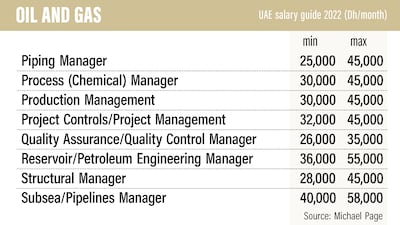
UAE Salary guide 2022 -
UAE salary guide 2022 -
UAE salary guide 2022 -
UAE salary guide 2022 -
UAE salary guide 2022 -
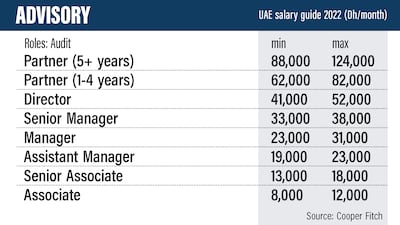
UAE salary guide 2022 -
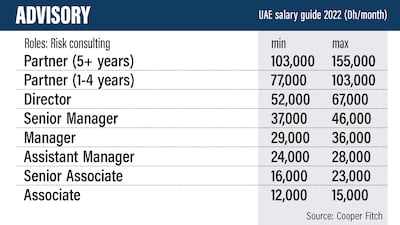
UAE salary guide 2022 -
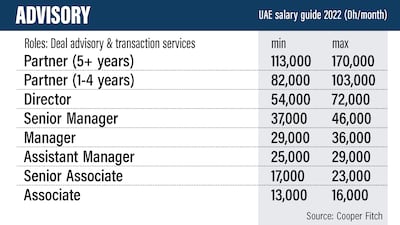
UAE salary guide 2022 -
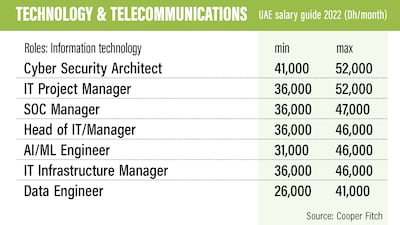
UAE salary guide 2022 -
UAE salary guide 2022 -

UAE salary guide 2022 -
UAE salary guide 2022 -
UAE salary guide 2022 -
UAE salary guide 2022 -
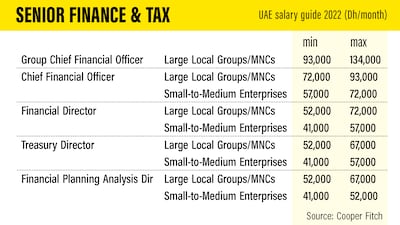
UAE salary guide 2022 -
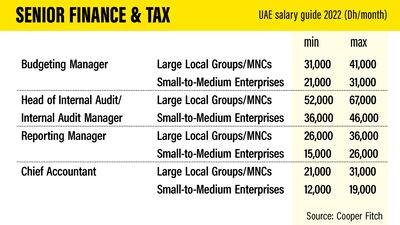
UAE salary guide 2022 -
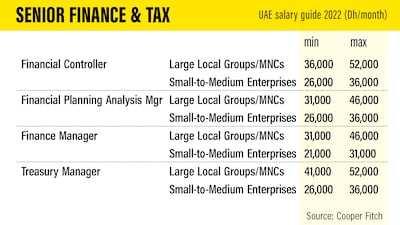
UAE salary guide 2022 -
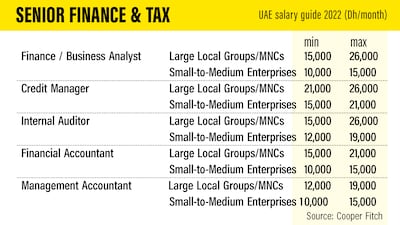
UAE salary guide 2022 -
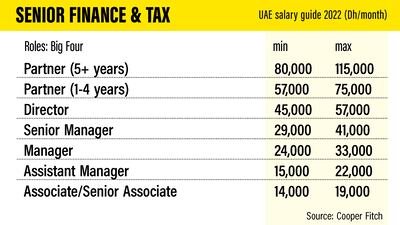
UAE salary guide 2022 -
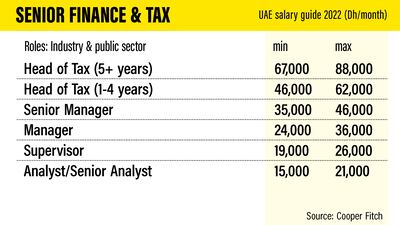
UAE salary guide 2022 -
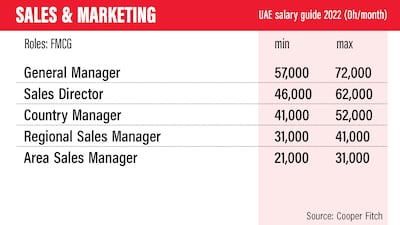
UAE salary guide 2022 -
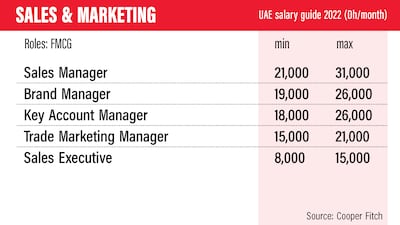
UAE salary guide 2022 -

UAE salary guide 2022 -

UAE salary guide 2022 -
UAE salary guide 2022 -
UAE salary guide 2022 -
UAE salary guide 2022 -

UAE salary guide 2022 -

UAE salary guide 2022 -
UAE salary guide 2022 -
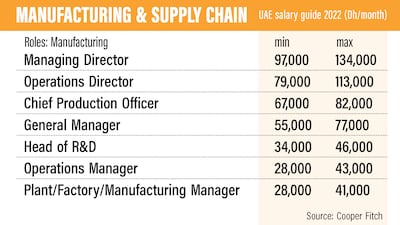
UAE salary guide 2022 -
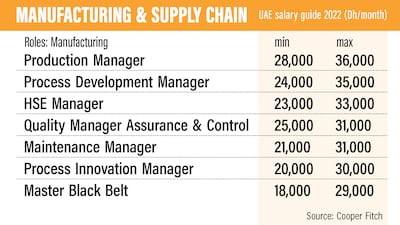
UAE salary guide 2022 -
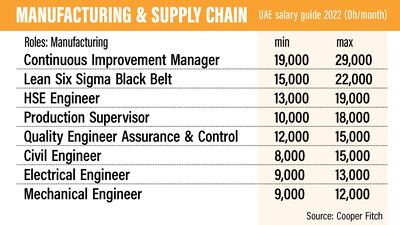
UAE salary guide 2022 -
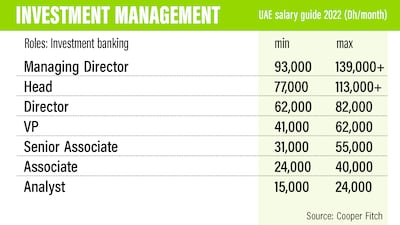
UAE salary guide 2022 -
UAE salary guide 2022 -
UAE salary guide 2022 -
UAE salary guide 2022 -
UAE salary guide 2022 -
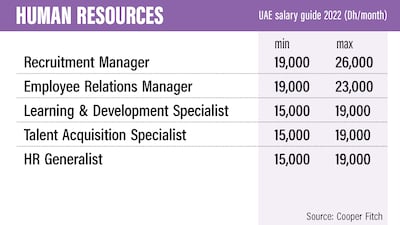
UAE salary guide 2022 -
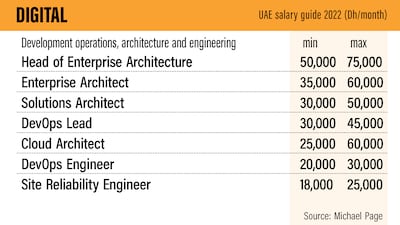
UAE Salary guide 2022 -
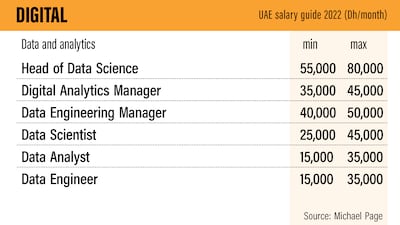
UAE Salary guide 2022 -
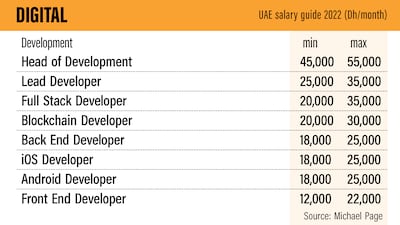
UAE Salary guide 2022 -

UAE Salary guide 2022 -
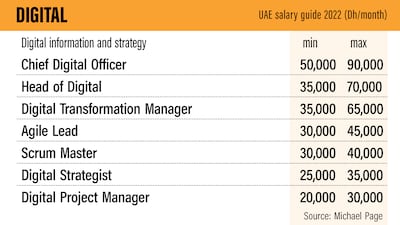
UAE Salary guide 2022 -
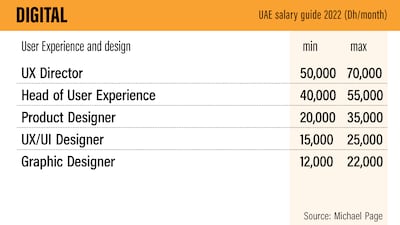
UAE Salary guide 2022 -
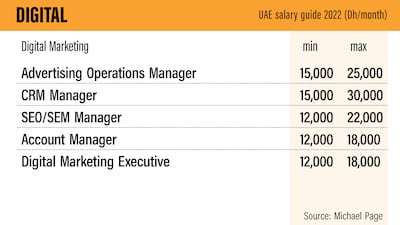
UAE Salary guide 2022 -
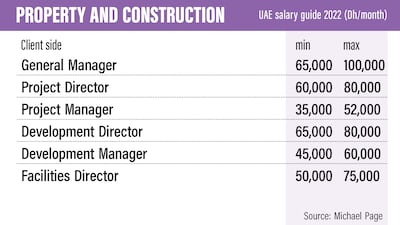
UAE Salary guide 2022 -
UAE Salary guide 2022 -
UAE Salary guide 2022 -

UAE Salary guide 2022 -
UAE Salary guide 2022 -
UAE Salary guide 2022 -
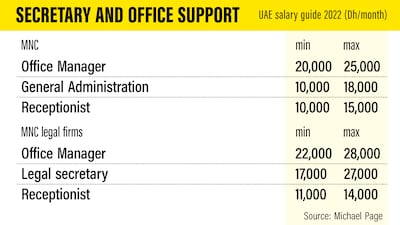
UAE Salary guide 2022 -
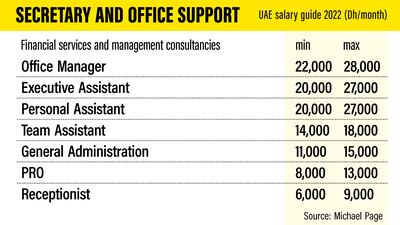
UAE Salary guide 2022 -
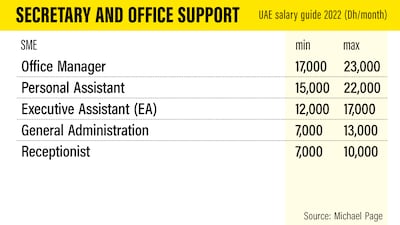
UAE Salary guide 2022 -
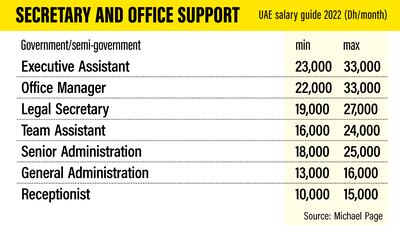
UAE Salary guide 2022 -
UAE Salary guide 2022 -
UAE Salary guide 2022 -
UAE Salary guide 2022 -
UAE Salary guide 2022 -
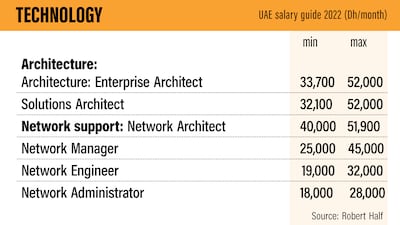
UAE Salary guide 2022 -
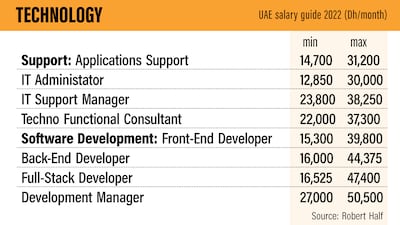
UAE Salary guide 2022 -
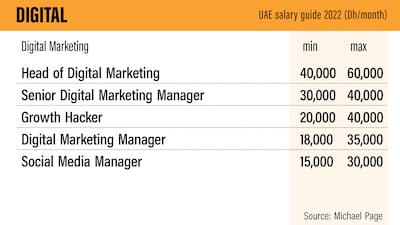
UAE Salary guide 2022 -
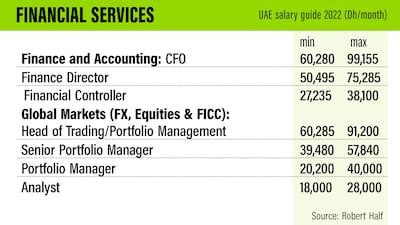
UAE Salary guide 2022 -
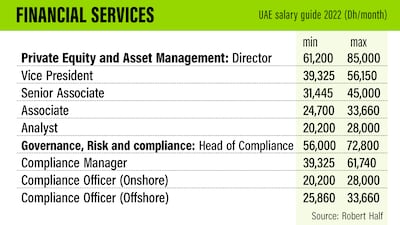
UAE Salary guide 2022 -
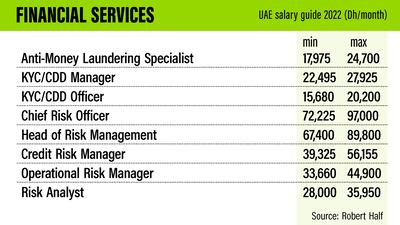
UAE Salary guide 2022 -
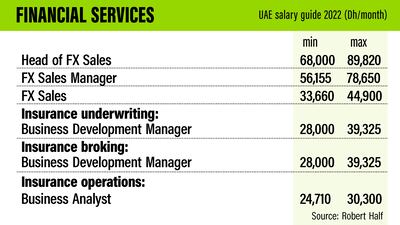
UAE Salary guide 2022 -
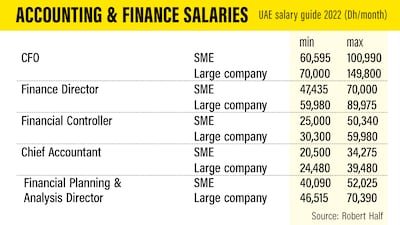
UAE Salary guide 2022 -
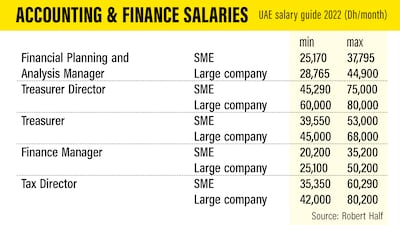
UAE Salary guide 2022 -
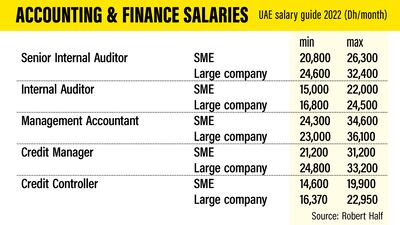
UAE Salary guide 2022 -
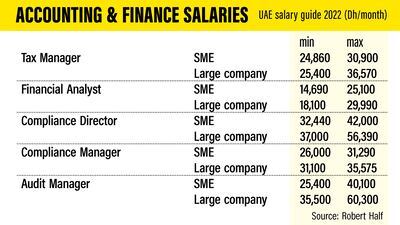
UAE Salary guide 2022 -

UAE Salary guide 2022


Will private sector employers increase salaries in 2022?
About 74 per cent of employers in the UAE plan to increase salaries in 2022, compared with 36 per cent in 2021, the Hays report found.
Seventy-nine per cent of UAE employers are positive about the outlook for business in 2022 and 74 per cent expect business activity to increase, up from 54 per cent and 63 per cent last year, respectively, Hays found.
Meanwhile, 32 per cent of Emiratis received a salary increase in 2021. The average increase in pay was between 5 per cent and 10 per cent, according to the Hays salary guide.
Among Emiratis who expect a pay rise this year, the majority expect an increase of 5 per cent to 10 per cent.
“When we refer to pay rises and trends, these are not typically awarded on a companywide basis,” Ms Eldridge said.
business manager of the Emiratisation division at Hays
“Instead, pay rises are more commonly offered on an individual basis as a result of a professional either starting a new job with a new company or an individual performance-related pay increase, and we expect the same again this year.”
Benefits packages, salary and career development are the top three factors that attract Emiratis to organisations, according to Hays.
However, 59 per cent of Emiratis said salary was the main reason for switching jobs in 2022.
Work-life balance and time with family are also important to Emiratis, with flexible working options high on their agenda when considering an employer.
Emiratis are likely to stay with the same organisation for more than five years if they receive career development opportunities and a competitive salary, the report said.
What are the most in-demand sectors?
The most sought-after Emirati candidates in the job market are those with industry qualifications and years of experience in both local and international markets, Hays found.
Technology continues to be the most sought-after profession among Emiratis, particularly for roles relating to data science, product development, software development and cyber security, according to Hays.
managing consultant for Emiratisation at Michael Page
There is also high demand for corporate strategy and leadership roles as organisations look to re-establish and realign their budgets and growth objectives after the pandemic, requiring Emirati candidates with strong commercial and decision-making skills, the consultancy said.
Private sector companies are also looking to hire or gain knowledge about hiring Emirati talent in 2022, Ms Wright of Michael Page said.
“It is not surprising that we have seen an increase in interest from private sector entities looking to hire or gain knowledge around hiring Emirati talent, the noticeable sectors being IT, technology, HR, finance and investment,” she said.
“Emiratisation is one of the key discussions we are having with private sector clients in the UAE, especially within the banking sector, given the increased Emiratisation quota in this sector, initiated early in 2021.”
What are the highest paying jobs for Emiratis in the private sector?
- Human resources: chief human resources officer — Dh70,000-Dh105,000 (Abu Dhabi); Dh60,000-Dh95,000 (Dubai) per month
- Marketing: chief marketing officer — Dh65,000-Dh95,000 (Abu Dhabi); Dh58,000-Dh92,000 (Dubai)
- Procurement: chief procurement officer — Dh105,000-Dh125,000 (Abu Dhabi); Dh90,000-Dh105,000 (Dubai)
- Legal: chief legal counsel — Dh80,000-Dh120,000 (Abu Dhabi); Dh72,000-Dh112,000 (Dubai)
- Office support: office manager — Dh25,000-Dh40,000 (Abu Dhabi); Dh20,000-Dh35,000 (Dubai)
- Technology: chief technology officer — Dh75,000-Dh150,000 (Abu Dhabi); Dh70,000-Dh140,000 (Dubai)
What are the highest paying jobs for Emiratis in the public sector?
- Human resources: chief human resources officer — Dh92,000-Dh170,000 (Abu Dhabi); Dh70,000-Dh105,000 (Dubai) per month
- Marketing: chief marketing officer — Dh95,000-Dh145,000 (Abu Dhabi); Dh70,000-Dh105,000 (Dubai)
- Procurement: chief procurement officer — Dh120,000-Dh140,000 (Abu Dhabi); Dh110,000-Dh120,000 (Dubai)
- Legal: chief legal counsel — Dh85,000-Dh145,000 (Abu Dhabi); Dh75,000-Dh95,000 (Dubai)
- Office support: office manager — Dh30,000-Dh65,000 (Abu Dhabi); Dh27,000-Dh37,000 (Dubai)
- Technology: chief technology officer — Dh75,000-Dh150,000 (Abu Dhabi); Dh70,000-Dh140,000 (Dubai)

