


Faouzia is experiencing the flip side of living the dream.
The acclaimed Moroccan-Canadian singer is in the midst of her first world tour, having so far played Europe, and is now experiencing the rigours of life on the road.
Speaking exclusively to The National ahead of her Sunday show at The Agenda, Dubai Media City, Faouzia admits to feeling rundown.
“I have definitely been surprised by the physical demands of touring,” she says. “A lot of people say it’s very difficult and you don't really know how unless you are doing it.
“So, I am trying to find that balance of keeping myself healthy and having fun onstage. I think it will eventually even out in the end.”
A star is born
At 22, Faouzia — full name Faouzia Ouihya — has plenty of time to perfect her approach, with the tour branching off into North America and Canada before concluding in November.
However, the fact she's already amassed such global appeal so early on in her career, is testament to both the material released and industry support.
After gaining attention with appearances in David Guetta single Battle (2018) and Kelly Clarkson’s bilingual track I Dare You (2020), Faouzia is touted as a “rising pop star” by industry publication Billboard.
Her status was further cemented with the launch of new EP Citizens at the Grammy Museum, Los Angeles, in May, as part of its Spotlight concert series to highlight on-trend artists.
Previous acts showcased as part of the initiative include British singer Dua Lipa in 2018 and American hip-hop duo Macklemore and Ryan Lewis in 2013.
Faouzia is poised to follow the success of those acts by bringing something fresh to the pop music table.
While all eight tracks are sung in English, Citizens is firmly rooted in the region.
Lead single RIP, Love, with more than 30 million YouTube streams, and the bubbly SoLie neatly meld breezy dance beats with the evocative harmonies and vocal trilling of Arabic pop.
The power ballad Don’t Tell Me I’m Pretty features gentle Arabic percussion and handclaps over ominous keyboards.
Faouzia, who has been writing songs since the age of 14, believes one of the reasons why Arabic harmonies rarely gel with western pop music is the lack of conviction by artists.
She points to the success of Colombian singer Shakira, who helped usher in the new wave of Latin pop currently sweeping the charts, as an example of the pioneering attitude needed to push out a new sound to the masses.
“You really need to be authentic and passionate about it,” Faouzia says. “That was how Shakira managed to infiltrate her roots into pop music, because she was genuine and people really connected with that.
“I am also seeing that same connection with the crowds when I play RIP, Love and SoLie, and that is beautiful to see.”
Complex world view
Faouzia credits her parents for maintaining her love for heritage.
Born in Casablanca, the family moved to Canada when Faouzia was 1 and set up in the rural town of Carman in the central Canadian province of Manitoba.
“It was a very Moroccan household. We would speak Arabic and French, and we would eat Moroccan food; the culture was strong at home. But as soon as I walked outside, I was experiencing Canadian culture and lifestyle, which was all new to me,” she says.
“However, I am glad it was that way and that is something I want to do when I, hopefully, have my own children. I want them to understand they have more than one culture. It will shape them to have a more complex understanding of the world and make them open to and appreciative of other cultures and ethnicities.”
One musician appreciating her attitude is Clarkson. The American musician's aforementioned single I Dare You was recorded in six languages, with Faouzia featuring in the Arabic version, Kantahadak.
In The National's review of the track, Clarkson was praised for an impressive verse sung in Arabic: “The pronunciation and diction is clear, and none of the words chosen is convoluted enough to jeopardise her powerful vocals.”
Faouzia confirms she was coaching Clarkson in the studio before that winning take. “She was so sweet and attentive, and would always ask about the correct pronunciation of the Arabic words,” she says. “She was adamant about getting things right.
“To be chosen to work with her is just so cool.”
The future of Arabic pop
Faouzia points to the need for more Arabic artists to look beyond the region and aim to reach a global audience.
“We do need more representation when it comes to pop music because I feel there is a curiosity and opportunity when it comes to our sound,” she says.
“Just like the growth of Latin American pop and K-pop, which are making a big impact on the world right now, Arabic pop can achieve the same.
“We just have to get more involved and build it for the present and future generations.”
Faouzia performs at The Agenda, Dubai Media City, on Sunday. Tickets begin from Dh195 at dubai.platinumlist.net
26 concerts and events coming to Dubai, from Travis to 2Cellos
-
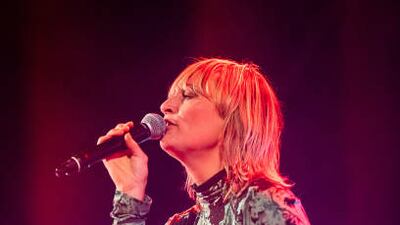
The trio Hooverphonic, led by singer Geike Arnaert, will perform in Dubai in December. Getty Images -
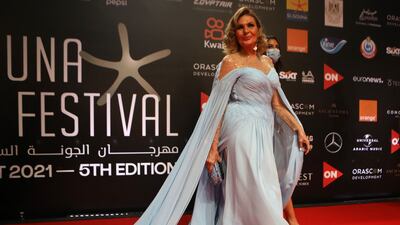
Egyptian actress Yousra will appear in the stage production 'King Farouk' at Dubai Opera. AFP -
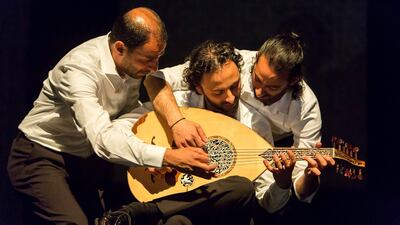
Le Trio Joubran, from left, Samir, Wissam and Adnan Joubran. Courtesy: Youness Hamiddine -
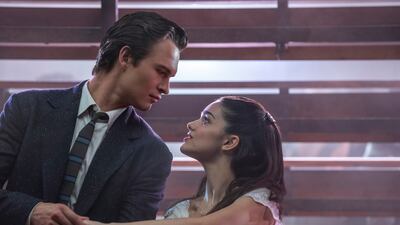
Ansel Elgort and Rachel Zegler in the 2021 film adaptation of the musical 'West Side Story'. The stage show will be performed in Dubai Opera in April. AP -
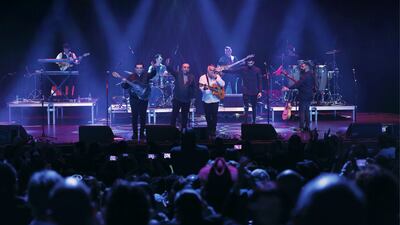
The Gipsy Kings shot to fame back in the 1980s with their eponymous album. Courtesy Dubai Opera -
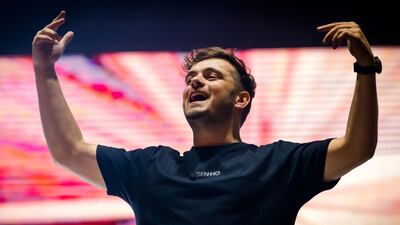
Martin Garrix has been named 2022'S world's number one DJ by industry publication 'DJ Mag'. AFP -
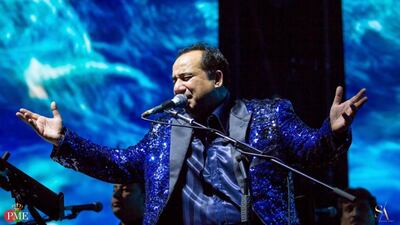
Pakistani singer Rahat Fateh Ali Khan will perform his hits at the Coca-Cola Arena. Courtesy Coca-Cola Arena -
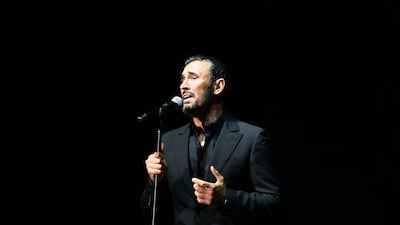
Iraqi singer Kadim Al Sahir will perform an intimate show at Dubai Opera. Khushnum Bhandari / The National -

Canadian DJ deadmau5 will play at the Coca-Cola Arena in December. Getty Images -
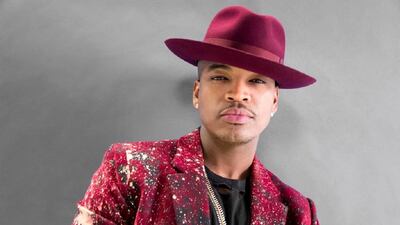
Singer Ne-Yo returns to Dubai in December. AFP -
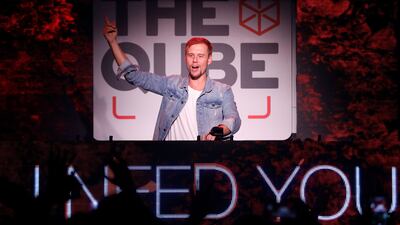
Dutch DJ Armin van Buuren is one EDM's most celebrated artists. AFP -
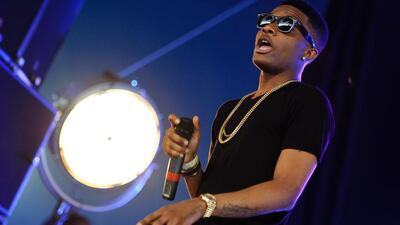
Nigerian singer Wizkid is one of a new generation of African artists making inroads into the western charts. Getty Images -
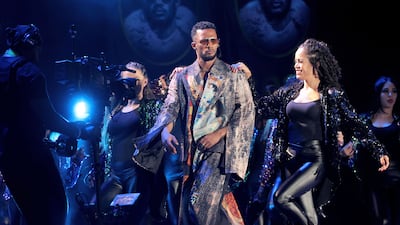
Mohamed Ramadan will perform post-match concerts as part of the inaugural World Tennis League tournament. AFP -
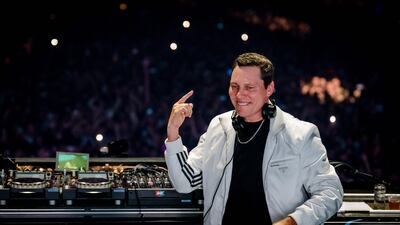
Tiesto will bring his hits to the Coca-Cola Arena in Dubai. AFP -
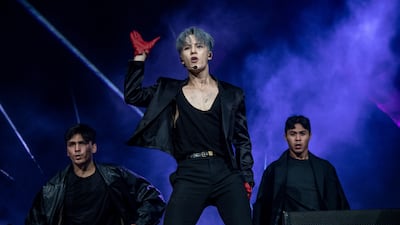
Jackson Wang will perform on February 4 in Dubai as part of his Magic Man world tour. AP -

Irish comedienne Joanne McNally performs on April 29 at The Agenda. Photo: GME Events -
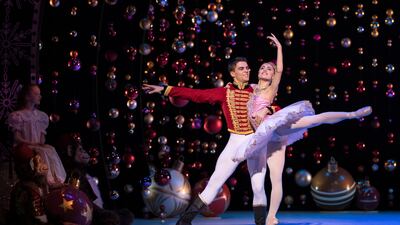
The Nutcracker ballet is an annual Christmas favourite. Photo: Andy Ross -
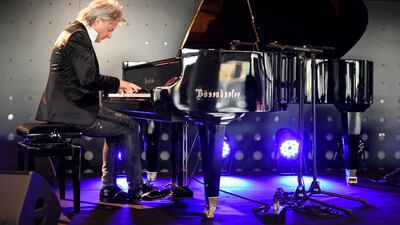
Hungarian pianist and composer Balazs Havasi will play at Dubai Opera in 2023. EPA -
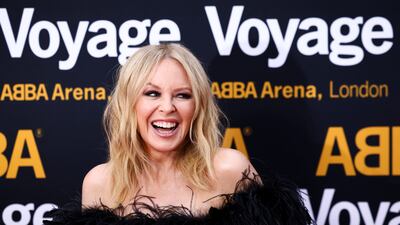
The Australian singer Kylie Minogue will ring in the new year in Dubai. Reuters -
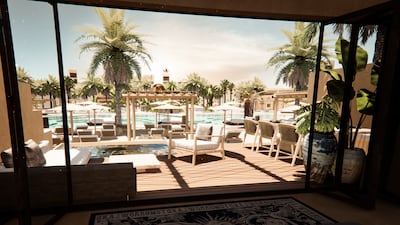
Tomorrowland's Terra Sollis features VIP rooms with sun decks, resort views and a private plunge pool. Photo: Terra Solis -
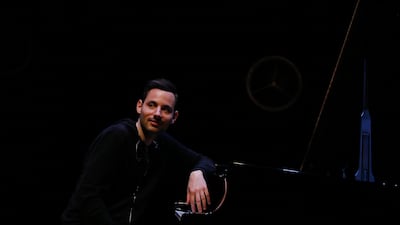
Peter Bence, the former Guinness World Record holder for fastest piano player, performs at Dubai Opera on November 11. Getty Images -
See French crooner Enrico Macias on November 12 at Coca-Cola Arena. Photo: Wikicommons -
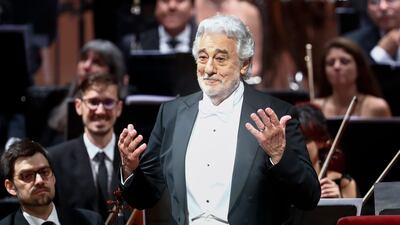
Spanish opera star Placido Domingo will headline the lavish Dresden Opera Ball gala evening at Dubai Opera. Getty Images -
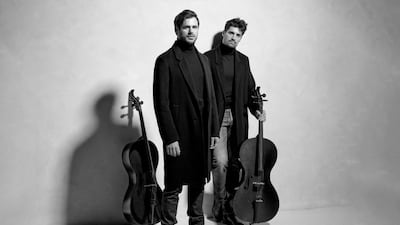
Croation classic group 2Cellos are coming to Dubai in November. Courtesy: MBC -
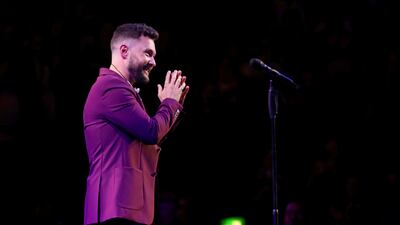
Watch British singer-songwriter Calum Scott live at Hard Rock Cafe in November. Getty Images -
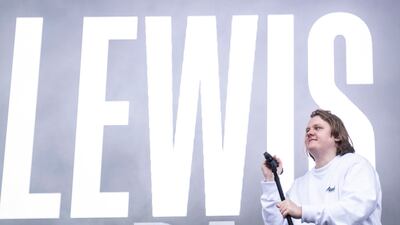
Scottish singer-songwriter Lewis Capaldi is returning to the UAE for a concert at the Coca-Cola Arena on November 24. EPA -
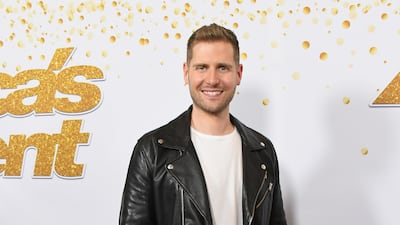
Illusionist Rob Lake is performing 'The Magic of Rob Lake' at Dubai Opera from November 25 to 27. Photo: FilmMagic -
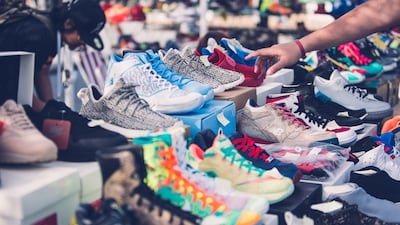
Music and street culture festival Sole DXB is back for 2022 in December. Photo: Sole DXB -

The Dubai Shopping Festival, starting in December, features concerts, family activities and plenty of shopping deals. Photo: Dubai Shopping Festival -
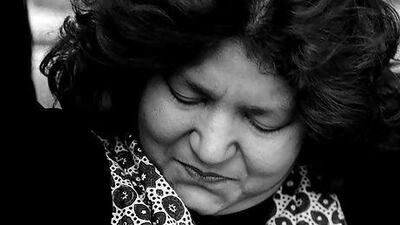
Pakistani singer Abida Parveen returns to Dubai at the Coca-Cola Arena on December 9. Photo: Catherine de Clippel



