

Nazanin Zaghari-Ratcliffe is to write a memoir with her husband Richard Ratcliffe about her experience of being held in prison for six years in Iran.
The currently untitled book will tell the full story of Ms Zaghari-Ratcliffe’s imprisonment in Iran and her husband’s campaign for her release.
Ms Zaghari-Ratcliffe was visiting her parents in Iran when she was arrested in 2016. She was separated from her daughter as she was about to board a flight home from Tehran.
Iranian authorities accused her of being a spy, an accusation she denied.
After her arrest and imprisonment, her husband Richard organised a long-running campaign to free her, which included a 21-day hunger strike outside the Foreign Office.
Ms Zaghari-Ratcliffe returned home to the UK in March due to successful negotiations between the British and Iranian governments.
The government said it had advised her that the Iranians would not allow her to leave the country unless she did so, but that it had not forced her to sign the letter.
Nazanin Zaghari-Ratcliffe and Anoosheh Ashoori released – in pictures
-
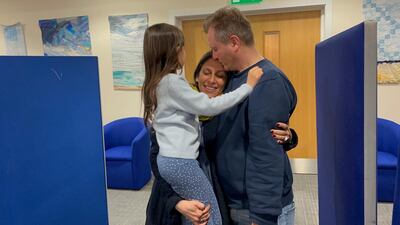
Nazanin Zaghari-Ratcliffe reunited with her husband, Richard Ratcliffe, and their daughter, Gabriella, after being held for six years in Iran. Photo: @TulipSiddiq via Twitter -
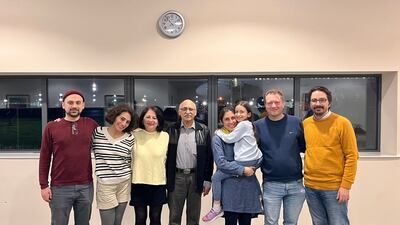
Ms Zaghari-Ratcliffe and Anoosheh Ashoori, centre, with their families. Photo: @lilika49 via Twitter -
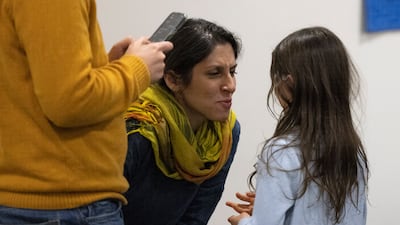
Nazanin Zaghari-Ratcliffe with her daughter at RAF Brize Norton airbase. EPA -
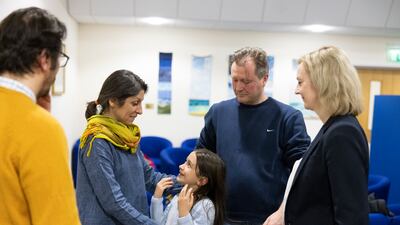
Nazanin Zaghari-Ratcliffe with her daughter Gabriella, husband Richard and British Foreign Secretary Liz Truss at RAF Brize Norton. EPA -
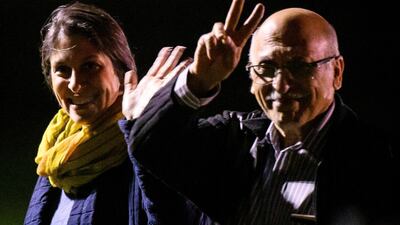
Nazanin Zaghari-Ratcliffe and Anoosheh Ashoori were released in March 2022. Reuters -
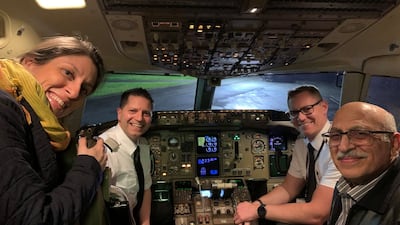
Ms Zaghari-Ratcliffe and Mr Ashoori with the cabin crew in Brize Norton. Reuters -
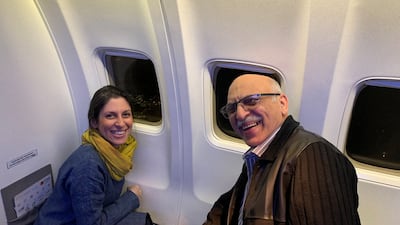
Ms Zaghari-Ratcliffe and Mr Ashoori as their plane flies over London. Reuters -
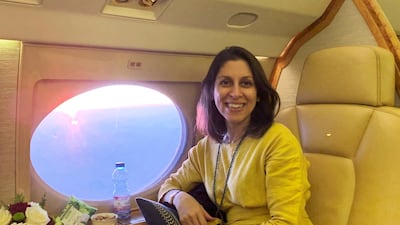
Ms Zaghari-Ratcliffe sits in a plane en route to London after taking off from Teheran. Reuters -
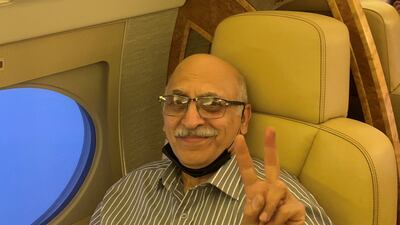
Mr Ashoori gestures as he sits in the plane heading to London. Reuters -
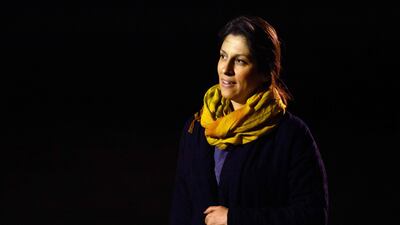
Ms Zaghari-Ratcliffe was arrested in Tehran in April 2016 as she prepared to fly back to the UK, having taken her daughter Gabriella to see relatives. AFP -
She was accused of plotting to overthrow the Iranian government and sentenced to five years in jail, spending four years in Tehran’s Evin Prison and one under house arrest. Photo: Tulip Siddiq / Twitter -
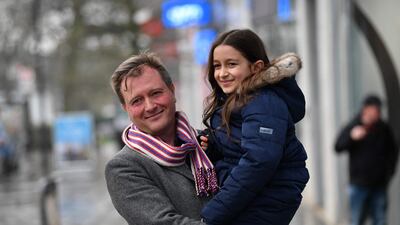
Richard Ratcliffe with daughter Gabriella outside their house in London on Wednesday. AFP -
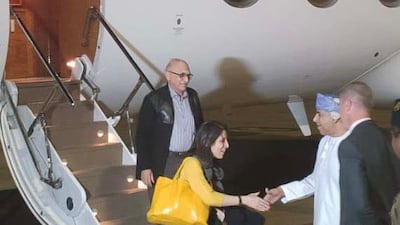
Ms Zaghari-Ratcliffe and Mr Ashoori arrive in Oman en route to the UK. Photo: @badralbusaidi / Twitter -
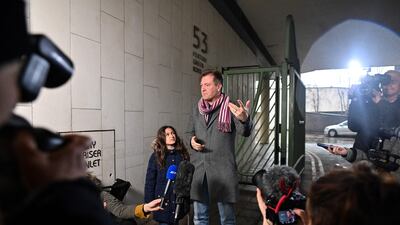
Mr Ratcliffe went on a hunger strike in October 2021 in protest at the UK government’s failure to secure his wife's release. AFP -
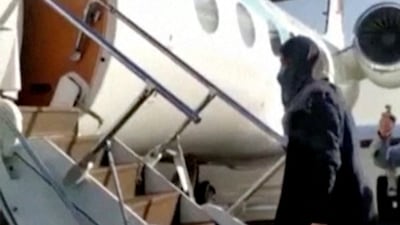
Ms Zaghari-Ratcliffe boards a plane as she prepares to leave Tehran. Reuters -
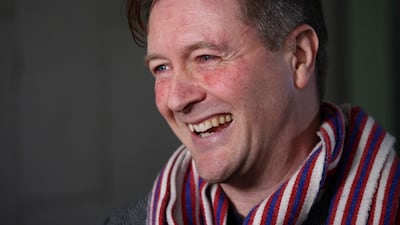
Mr Ratcliffe told the media that the family plan to find solace elsewhere for a few days. Reuters -
Gabriella was not yet two when her mother was arrested. Photo: Tulip Siddiq / Twitter


Her memoir will be released in the autumn of 2023 by Penguin Random House.
Ms Zaghari-Ratcliffe said her “story as a hostage is unique, but it is also the story of many other women in Iran in prison who are unknown but have helped me enormously to go through this journey and come out of it stronger”.
“My story is a story of my own uncertainty, fear, faith, survival, hope and love, but also the story of unity and solidarity from so many others,” she said . “Their struggles continue today.”
Nazanin Zaghari-Ratcliffe claims she signed false confession 'under duress' - video
Parts of the couple’s story were “always on television, but some of the most important parts got missed”, Mr Ratcliffe said.
“Six years on, our story feels like a discovery of the darker sides of governments and of the kinder sides of people, but also across all the twists and turns simply how we survived,” he said.
“It took a village to get Nazanin home. I am really glad we have a happy ending to share.”
Nazanin Zaghari-Ratcliffe speaks for first time since release from Iran - video
Becky Hardie, deputy publishing director at Penguin Random House’s Chatto & Windus imprint, said the book was “about the power of love, the strength to resist and Nazanin’s long journey home to her family”.
“It is so human, so moving and so immediate, readers will be gripped from the start. But it brings with it important messages about our politics, and our roles as individuals in society," Ms Hardie said.
"This is a book that will change how we understand ourselves and our world. It will be a landmark piece of publishing that will live on for decades to come.”

