


Chancellor Nadhim Zahawi has reportedly drawn up plans that would cut gas and electricity bills by an extra £400 in January amid increasing worries over the cost of living crisis after the energy cap is lifted in October.
Treasury officials are not proposing to stop the lifting of the current price cap in the autumn, which is expected to increase annual bills to almost £3,600 ($4,367).
Instead a new lending scheme for energy providers is being proposed that would reduce bills in January, the Sunday Times reported.
Under the new proposals, Ofgem, the UK’s energy regulator which determines the level at which the cap should be set, would remove an allowance that suppliers can charge consumers which would instead be paid for via financing facilitated by the Treasury and Bank of England.
The energy price cap works by setting a limit on the maximum amount suppliers can charge for each unit of gas and electricity.
According to the Sunday Times, the total liability could hit £9 billion but the relief package would only come into effect at the start of the new year when energy prices are expected to surpass £4,000 a year.
The Chancellor’s reported proposals come as Labour joined the Liberal Democrats in calling for the energy price cap to be frozen in October.
-
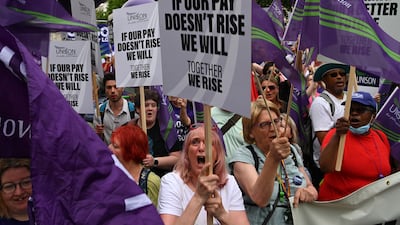
People demonstrate in central London against the rising cost of living. EPA -
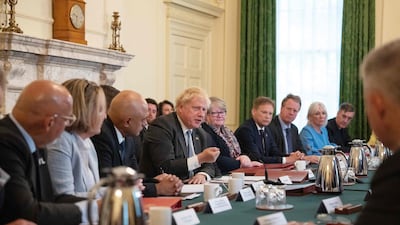
Former British prime minister Boris Johnson said workers should accept a pay cut to avoid spiralling inflation. AFP -
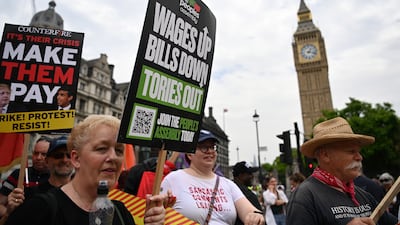
Inflation in the UK hit an annual rate of 9.1 per cent in May. EPA -

The British government told workers they cannot expect pay rises to keep up with the increasing cost of living. EPA -
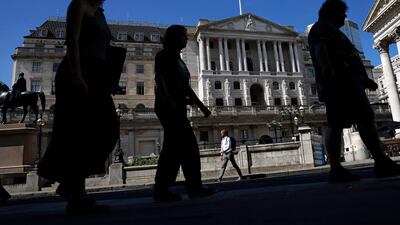
The Bank of England, which says it can do nothing to stop the sharp increase in prices, is raising rates at an unprecedented rate. AFP -

The UK was also brought to standstill by the biggest rail strike in 30 years this week, with 40,000 RMT union members walking out in a row over a below-inflation pay offer. PA -
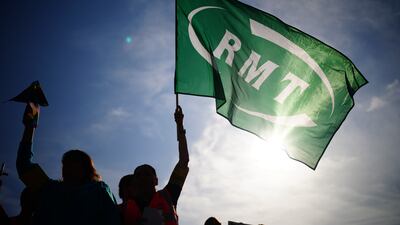
The RMT picket line outside Bristol Temple Meads station. PA -
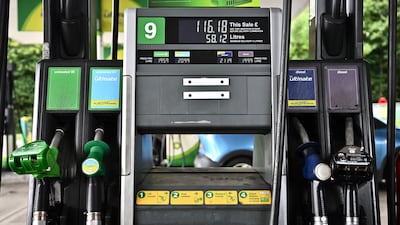
The cost of petrol continues to rise. AFP -
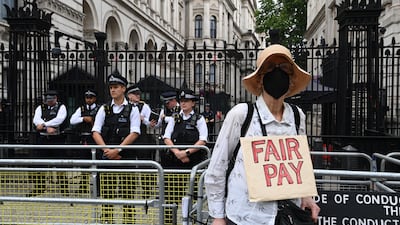
A protester demonstrates outside Downing Street. EPA -

Volunteers in Bradford, northern England, prepare food parcels at the Bradford Central Foodbank. More and more people are visiting the centre. AFP


Both Conservative party leader candidates — Liz Truss and Rishi Sunak — have ruled out the move, and it remains unknown whether they would take Mr Zahawi’s measures on board when one of them is announced as the next prime minister on September 5.
The UK’s departing Prime Minister Boris Johnson and Chancellor Nadhim Zahawi led emergency talks with energy companies to discuss how they plan to spend their bumper profits and explore ways to help customers struggling with the soaring cost of living.
The conference with utilities bosses — including those from Centrica, Drax Group and RWE — came after market analysts at Cornwall Insight predicted annual bills were going to rise to about £3,582 ($4,380) in October, from £1,971 previously, before rising even further in the new year.
The meeting failed to produce any immediate, concrete help for consumers but Keith Anderson, the chief executive of Scottish Power, proposed that bills should be frozen at their present level of £1,971 for two years and that suppliers would cover the gap with wholesale price by borrowing from a “deficit fund” supported by commercial banks.
Mr Anderson’s idea, which could reportedly cost up to £50 billion to implement and repay over 10-15 years through taxation and consumer bills, had been floated in April but was reportedly rejected by former chancellor Rishi Sunak in favour of a £15bn payout to households.
More than 29 million households will be eligible for a £400 discount on their energy bills. Energy suppliers have been instructed to pay households the discount in six instalments, beginning in October.

