



A weeping Amber Heard said on Thursday that she had received death threats all throughout the "painful" defamation trial brought by her former husband, actor Johnny Depp.
"I am harassed, humiliated, threatened every single day," the Aquaman star said on the final day of witness testimony in the sometimes excruciating trial, which is in its sixth and final week.
"I receive hundreds of death threats regularly, if not daily, thousands since this trial has started, people mocking my testimony about being assaulted."
-

A mutual friend said that Johnny Depp and his wife Amber Heard were very in love yet often 'vicious' towards one another. -
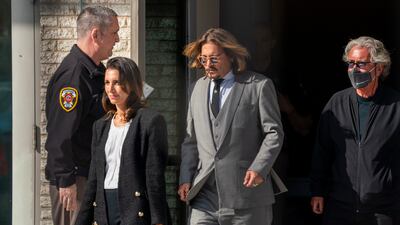
Johnny Depp leaves court after jury selection in his $50 million defamation lawsuit against former wife Heard. EPA -
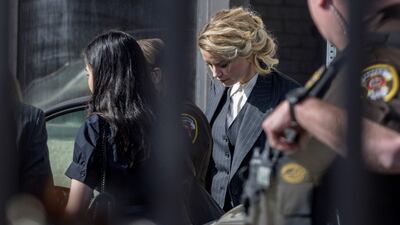
US actress Amber Heard leaves the Fairfax County Circuit Court in Virginia on April 11. AFP -
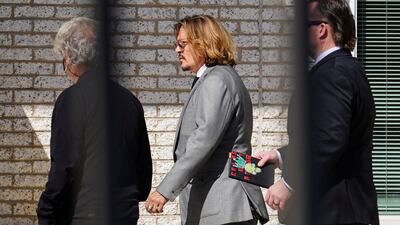
Depp filed a defamation lawsuit against Amber Heard, after she wrote an opinion piece in 'The Washington Post' in 2018 that, without naming him, accused him of domestic abuse. Reuters -
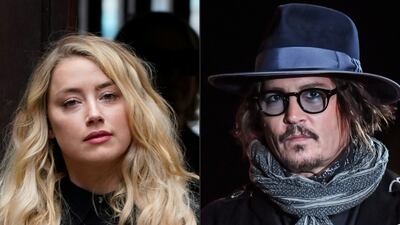
Jury selection began on April 11 in the defamation case involving allegations of spousal abuse between Depp and Heard. AFP -
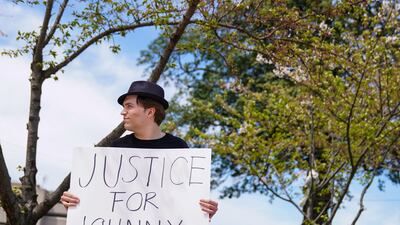
Depp fan David Laman holds a poster outside the Fairfax County Circuit Courthouse as jury selection progressed. Reuters -
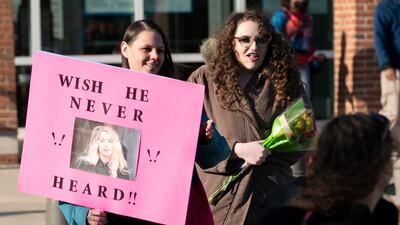
Tiffany Lunn, a supporter of Depp, outside the court in Fairfax, Virginia. AP -
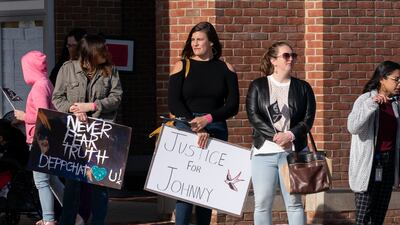
Johnny Depp fans at the courthouse. AP -
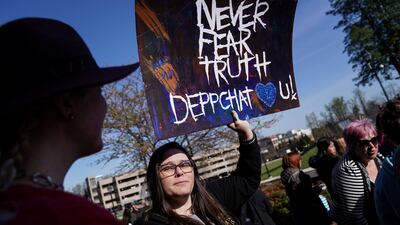
The defamation case brought by Depp against former wife Heard is expected to last between five and six week. Reuters -
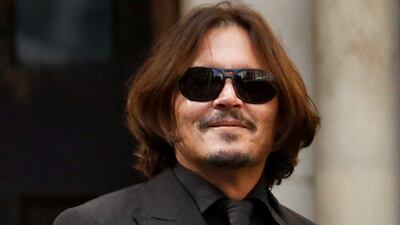
Depp leaves the High Court in London, England, on July 22, 2020, during the libel case there. Reuters -
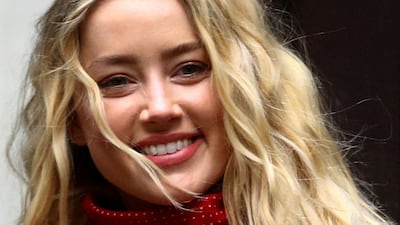
Heard arrives at the High Court in London. Reuters -
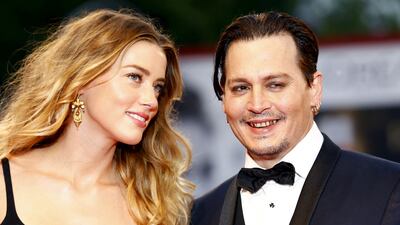
Depp and Heard at the 72nd Venice Film Festival in northern Italy, 2015. Reuters


Depp filed the $50 million suit against Heard after she wrote an opinion piece for The Washington Post in which she called herself “a public figure representing domestic abuse”, although she never named him.
In spite of losing a similar case in the UK, where it is significantly easier to win defamation cases, he chose to file a second case against her.
The trial is being held in Fairfax, Virginia, even though both stars live in Los Angeles, California.
Depp claims he filed there because it is the home base to the newspaper but chose not to sue the publisher, which he did in his former losing effort.
He may have thought he would get an advantage there because of the weaknesses in Virginia’s anti-SLAPP law, which is supposed to protect free speech.
SLAPP stands for Strategic Lawsuits Against Public Participation and 32 states and the District of Columbia have laws against them.
Using the law, Depp’s lawyers made a motion to have Heard’s $100m counter-claim against the actor tossed out.
-
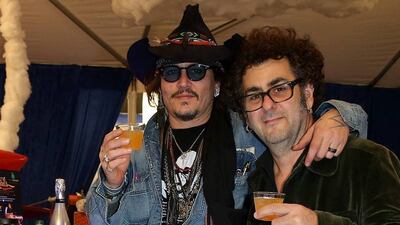
Johnny Depp's former friend Bruce Witkin testified that the actor tried to get sober while filming 'The Lone Ranger', but never really seemed that serious about it. -
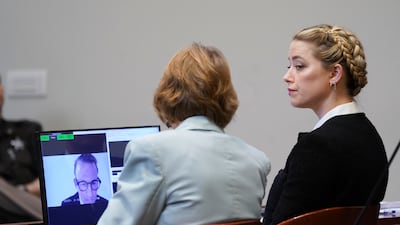
Amber Heard listens as Depp's former lawyer Adam Waldman appears on a monitor. AP -
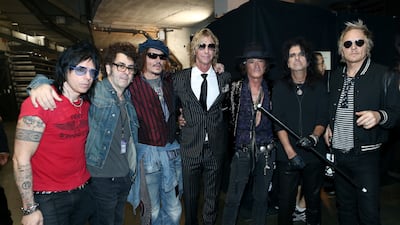
Musicians Tommy Henriksen, Witkin, Depp, Duff McKagan, Joe Perry, Alice Cooper and Matt Sorum of the Hollywood Vampires backstage at The 58th Grammy Awards in Los Angeles, California. Getty -
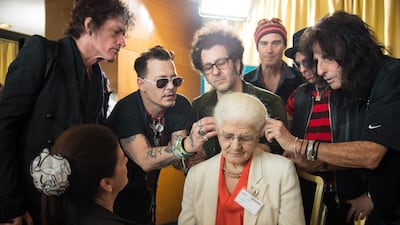
Perry, Depp, Witkin, Robert DeLeo, Henriksen and Cooper of the Hollywood Vampires install a hearing aid on a patient of the Starkey Hearing Foundation. Getty / Starkey Hearing Foundation -

Heard speaks to a member of her legal team. EPA -
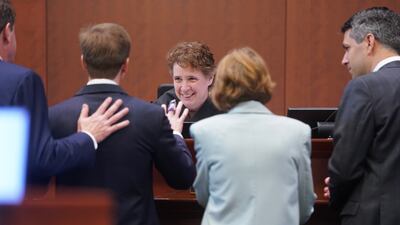
Judge Penney Azcarate speaks to lawyers during the $50m Depp-Heard defamation trial. EPA -
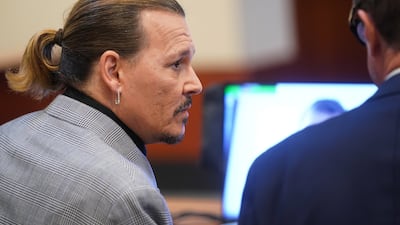
Depp speaks to a member of his legal team on Thursday. EPA -
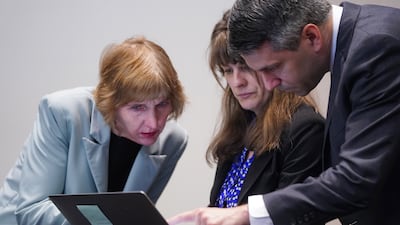
Heard's lawyers prepare to present evidence on Thursday. EPA -

Judge Penney Azcarate speaks to lawyers. EPA -
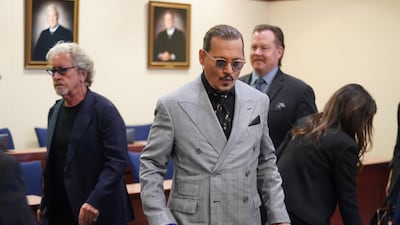
A mystery gray-haired man has been lurking behind Depp during his defamation trial. EPA -
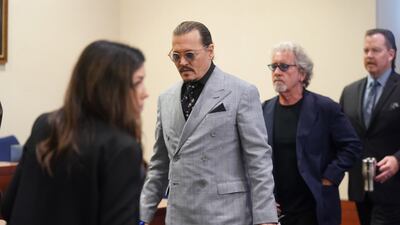
Depp leaves for lunch. EPA -

Heard returns to court from a break. EPA -
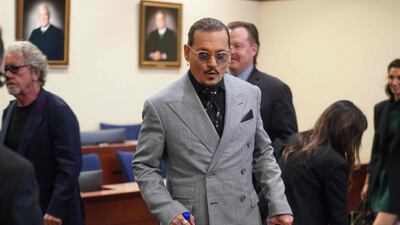
Depp has often been seen carrying a sketch book in the courtroom. AFP -
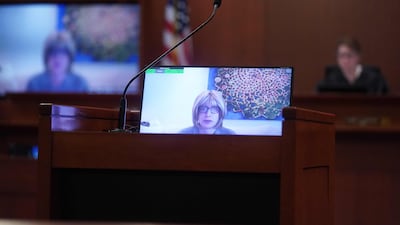
Depp's former talent agent Tracey Jacobs represented the actor for 30 years. AFP -

Jacobs giving a recorded testimony. AFP -
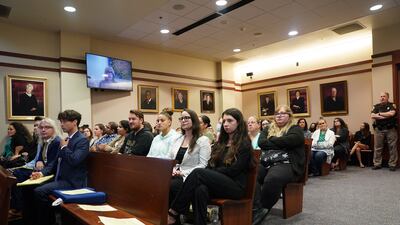
Spectators in the courtroom watch as Jacobs testifies. EPA -
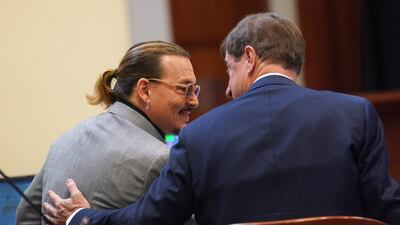
Depp talks to his lawyer Ben Chew. EPA -
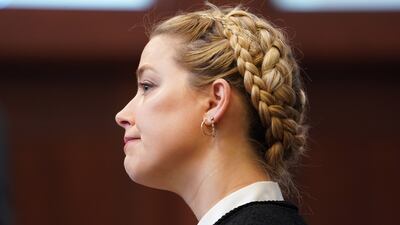
Heard in the courtroom on Thursday. EPA -
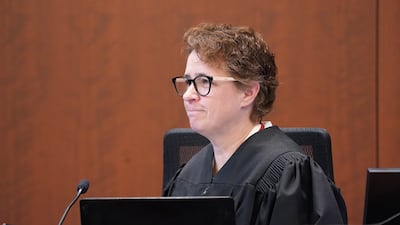
Ms Azcarate has been patient throughout the entire proceedings. EPA -
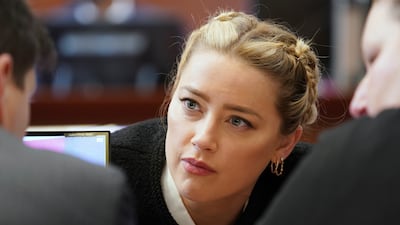
Heard listens to members of her legal team. AP -
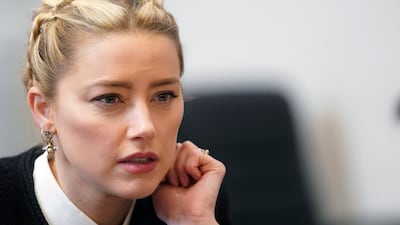
Heard speaks with a member of her legal team. AP -
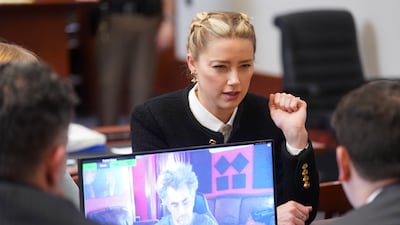
Heard speaks with a member of her legal team as Witkin testifies. AP -

Depp talks to his lawyer as Witkin testifies. AP -
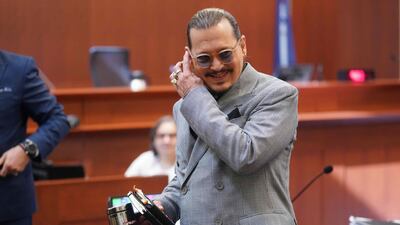
Depp is suing former wife Heard for libel. AFP -
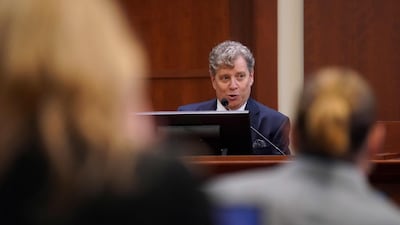
Social media forensic expert Ron Schnell testifies in the trial. AFP -
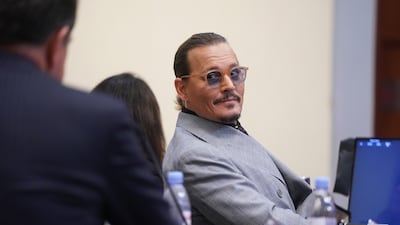
Depp at the Fairfax County Circuit Court in Virginia on Thursday. EPA -

Depp returns to court from a break. AP -

Heard and her lawyer watch a recorded deposition by Depp's former lawyer Adam Waldman. Reuters -
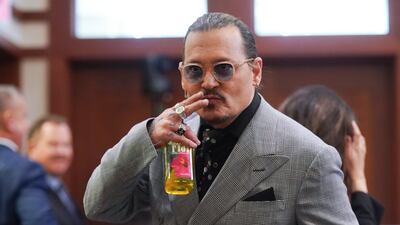
Depp appears in court after a break. AP


The counter-suit claims his then-lawyer, Adam Waldman, defamed the actress when he called her abuse allegations “a hoax”.
Judge Penney Azcarate rejected the motion.
Defence witnesses supported Heard’s claims that she has been the target of a years-long hateful social media campaign by millions of fans of the Ed Wood star.
"I just want Johnny to leave me alone,” Heard said for the second time since the trial began.
Earlier in his testimony, Depp admitted to writing in a 2016 text that Heard was "begging for total global humiliation" and "she's gonna get it”.
He said it was written in anger when he learnt she was alleging that he physically abused her.
-

James Franco and Amber Heard at the premiere of 'The Adderall Diaries' at the 2015 Tribeca Film Festival. Heard said her ex-husband, Johnny Depp, 'hated' Franco. Photo: FilmMagic -
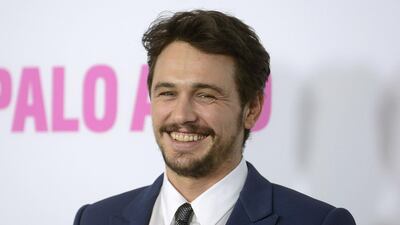
Heard said that being cast with Franco caused her ex-husband to become violent. Reuters -
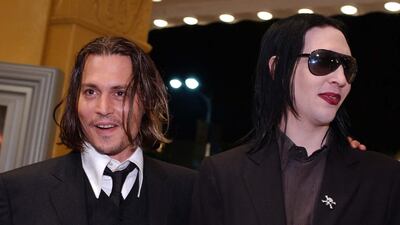
Depp with his friend, rock singer Marilyn Manson in 2001 in Los Angeles, California. AFP -
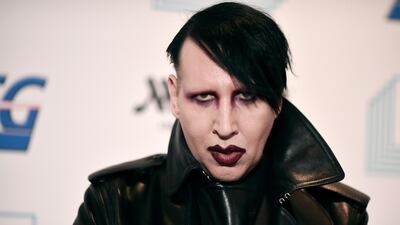
Manson was dropped by his record label after his ex-fiance, actress Evan Rachel Wood, accused him of sexual and other physical abuse. AP -
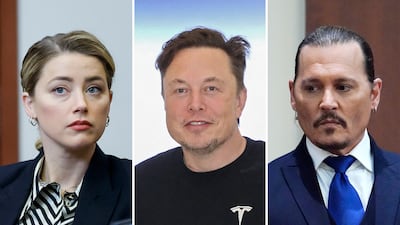
Heard dated Elon Musk after her divorce from Depp. AFP -
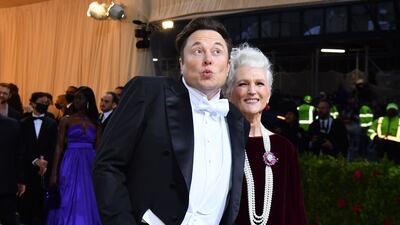
Heard said that she met Musk and his mother, supermodel Maye Musk, at the Met Gala in New York in 2015. AFP -
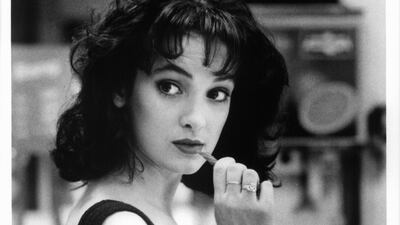
Actress Winona Ryder began dating Depp when she was only 17 years old. Depp once had a tattoo that read: Winona Forever. New World Pictures / Getty Images -
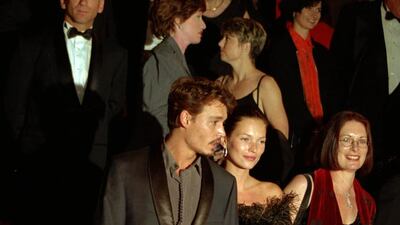
Moss and then-boyfriend Johnny Depp at the premier of 'Fear and Loathing in Las Vegas' in 1998. EPA -
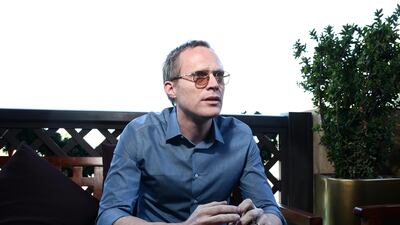
Heard said that actor Paul Bettany witnessed her ex-husband passed out while working together. Sarah Dea / The National -
Heard said that she thought Depp might 'accidentally' kill her. AP -
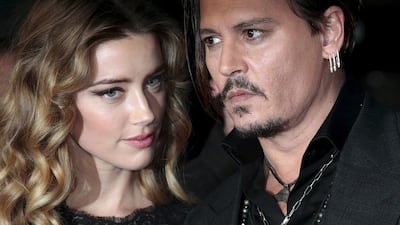
Heard said that she has lost work because of Depp's lawsuit. Reuters -

Heard said that she only wanted to go on with her life and wished that Depp would, too. Getty Images -
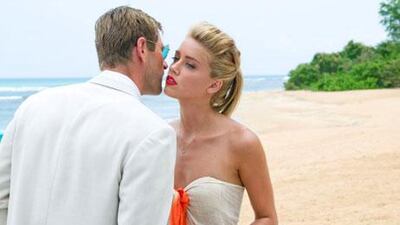
Aaron Eckhart and Heard star in 'The Rum Diary', an adaptation of the book by Hunter S Thompson. She met Depp on set. Photo: FilmDistrict -

Heard, seen here at the Met Gala, said that Depp was supposed to attend with her and failed to show up. Reuters -
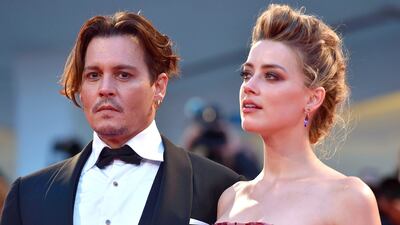
Heard filed a restraining order against Depp and then for divorce. EPA


Depp also texted his friend, actor Paul Bettany, “Let’s burn Amber!!!”
Bettany wrote back: "I'm not sure we should burn Amber. She is delightful company and pleasing on the eye.
"We could, of course, do the English course of action and perform a drowning test. Thoughts? You have a swimming pool."
Depp replied: "Let's drown her before we burn her!"
Then Bettany replied: "My thoughts entirely! Lets be certain before we pronounce her a witch."
Bettany was not called by Heard’s attorneys although the text exchange was read in court.
A parade of the couple's mutual friends testified that Depp could be "loving and generous" but that he could also become "a monster" when intoxicated or under the influence.

"Alcohol would bring out a very ugly side of him”, which Depp acknowledged, and though he said it was “exhausting” to get sober, he had vowed to do so for Heard, testified iO Tillet Wright, a friend of the couple.
“But he resented it — he didn’t want to be,” Wright said.
The only friend to come out for Depp was supermodel Kate Moss, who dated Depp in the 1990s.
Speaking for less than two minutes, Moss dispelled accusations that Depp pushed her down a staircase while on holiday at Jamaica's Golden Eye resort.
"It was raining and I slipped," Moss said by video link.
In his final plea to the jury, Depp said it had been "unimaginably brutal" to listen to the "heinous" and "outlandish" accusations that he could ever be violent.
"No human being is perfect, certainly not, none of us, but I have never in my life committed sexual battery, physical abuse," he said.
Depp said he brought legal action because he needed to address "what I've been carrying on my back, reluctantly, for six years."
The trial began on April 11, with closing arguments scheduled for tomorrow, May 27.
-
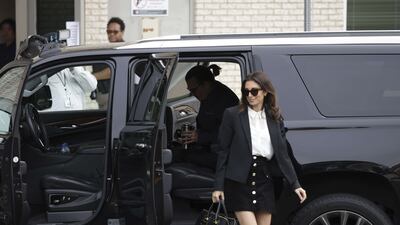
Depp arrives at the Fairfax County Courthouse in Fairfax, Virginia. Getty Images / AFP -
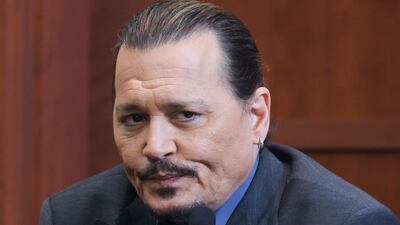
Depp gives evidence in the courtroom on Wednesday. AP -
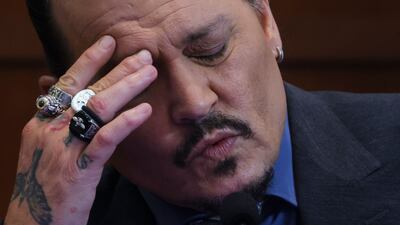
Depp reacts as he gives evidence in the courtroom. AFP -
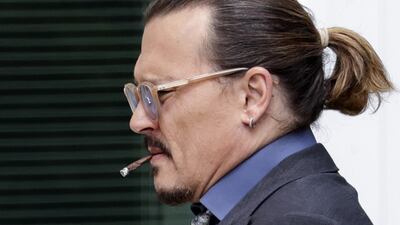
Depp on a smoke break in Fairfax, Virginia. Getty Images / AFP -
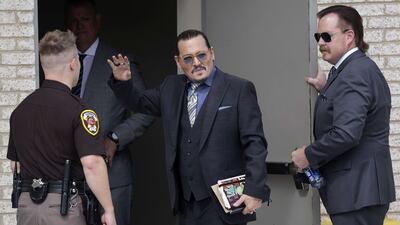
Depp and his support team take a break. Getty Images / AFP -
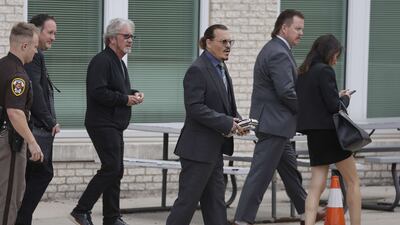
Depp and his team take a break during the trial at the Fairfax County Courthouse. Getty Images / AFP -
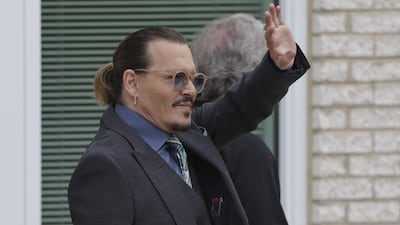
Depp waves to a fan during a break in Fairfax, Virginia. Getty Images / AFP -
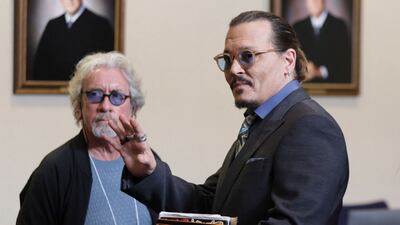
Depp leaves the courtroom at the end of day. AFP -
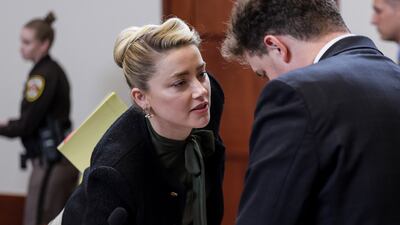
Heard speaks to her legal team as she leaves the courtroom for a break. AP -
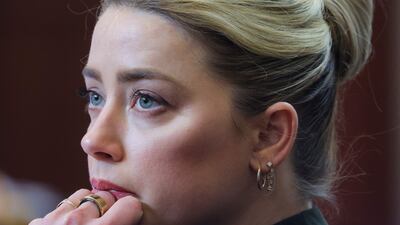
Heard listens to her ex-husband giving evidence. AFP -
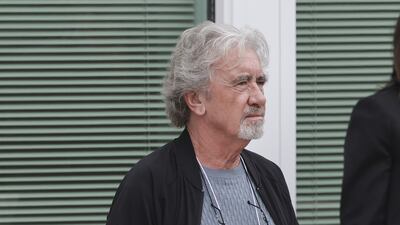
Celebrity therapist Beechy Colclough lost his license to practise after a patient's complaint. Getty Images / AFP -
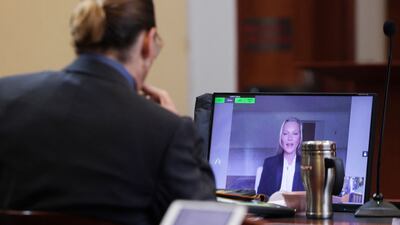
Depp listens as his former girlfriend Kate Moss gives evidence via video link. AFP -

Judge Penney Azcarate speaks with lawyers in a sidebar. AFP -
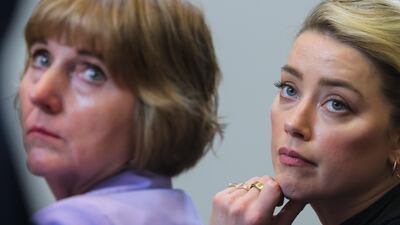
Heard and her lawyer, Elaine Bredehoft, listen to Depp's evidence. EPA -

Whitney Henriquez, Heard's sister, sits in the courtroom. AP -
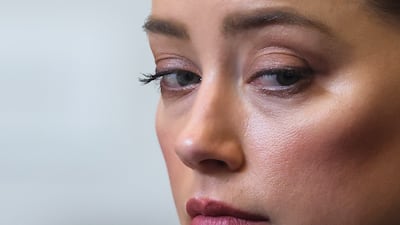
Heard appears in court as ex-husband Depp's defamation case against her continues. EPA -
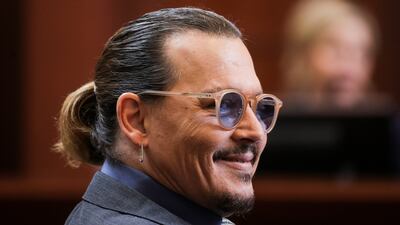
Depp reacts while clinical and forensic psychologist Dr Shannon Curry gives evidence. Reuters -
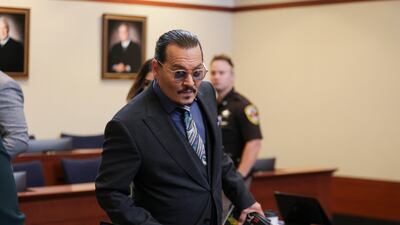
Depp in the courtroom. EPA



