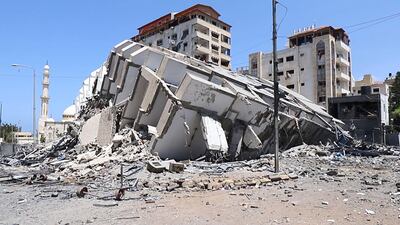
Despite last year’s UN call for global ceasefires to tackle the Covid-19 pandemic, many conflicts never stopped including in Syria, Yemen and Congo and new ones erupted making it more difficult to control the spread of the virus and care for infected people in many countries, the UN humanitarian chief said on Tuesday.
Mark Lowcock stressed the link between conflict, Covid-19, and healthcare at a virtual Security Council meeting on civilians caught in conflict.
In March 2020, as the pandemic was starting to circle the globe, UN Secretary-General Antonio Guterres called for global action “to put armed conflict on lockdown and focus together on the true fight of our lives” against “a common enemy – Covid-19.”
While there were some positive responses, Mr Lowcock said deadly conflicts continued and emerged or got worse including in Ethiopia, Mozambique and between Armenia and Azerbaijan, contributing to a rise in the number of people forcibly displaced in 2020.
“At the same time, insecurity, sanctions, counter-terrorism measures and administrative hurdles hindered humanitarian operations,” he said, and the pandemic made aid deliveries more difficult because of suspended flights, border closures, quarantine measures and lockdowns.
Mr Lowcock noted “multiple reports of atrocities” against civilians caught in conflicts during the pandemic.
He singled out the dozens of schoolgirls and civilians killed and injured in an attack on a high school in Afghanistan earlier this month, reports of mass rapes and killings in Ethiopia’s Tigray region, and the just ended conflict between Israel and Gaza’s Hamas rulers that saw over 200 deaths, mainly Palestinians.
During the pandemic last year, he said, the threat of famine re-emerged including in northeast Nigeria, parts of Africa’s sub-Sahara region, South Sudan and Yemen – all conflict areas.
“By the end of 2020, nearly 100 million people faced crisis or worse levels of acute food insecurity as a result of conflict,” he said. “That was up from 77 million the year before.”
-
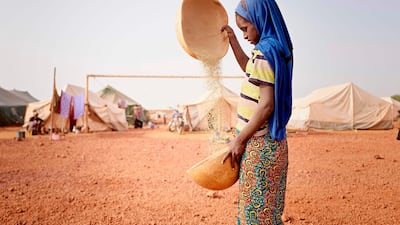
A little girl is seen while she's sifting the mile with two bowls in a camp in the town of Sevare for internally displaced people from the ongoing conflict in Mali, on February 28, 2020. In total 151 households and 712 individuals have fled their villages in central Mali and found a shelter in the camp. AFP -
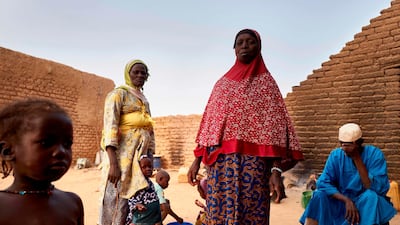
A displaced family stands in a courtyard in Sevare where they found a shelter after fleeing their village of Guerri in central Mali, on February 27, 2020. AFP -
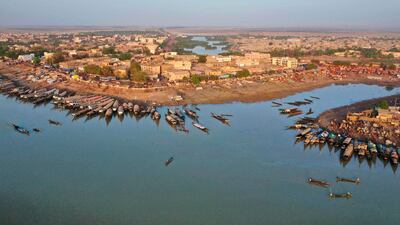
An aerial view shows the harbor of Mopti in central Mali on February 29, 2020. Two months earlier 400 Dogon people fled their village of Toou finding a shelter in a school in Sevare. AFP -
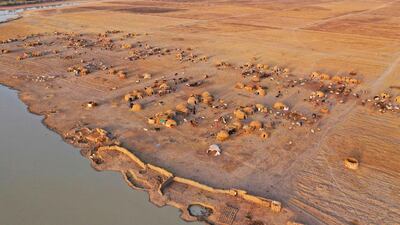
An aerial view shows a village of cattle breeders in the outskirts of Mopti in central Mali, on February 29, 2020. AFP -
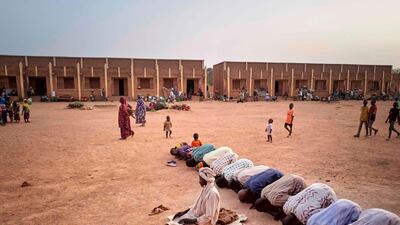
Displaced men worship in a courtyard in Sevare in central Mali, on February 26, 2020. Two months earlier 400 Dogon people fled their village of Toou finding a shelter in a school of Sevare. AFP -
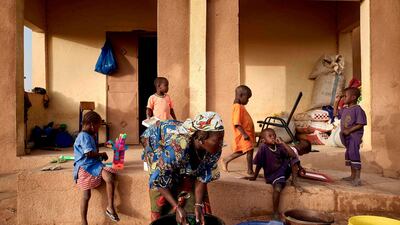
A displaced woman does the laundry while a group of children is playing behind here, in Sevare in central Mali on February 26, 2020. AFP -
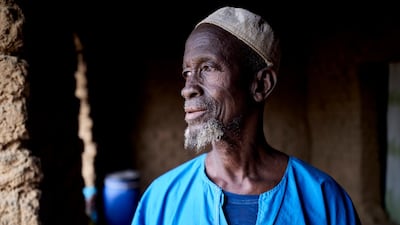
Amadou Diakite, 75, poses in a courtyard of Sevare after fleeing his village of Guerri in central Mali, on February 27, 2020. In January 2019 Jihadists broke in the village, setting fire on it, killing 3 villagers, and stealing all the livestock. AFP -
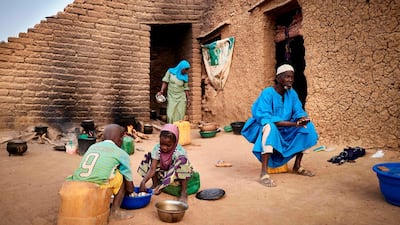
A displaced family is seen in a courtyard of Sevare where they found a shelter after fleeing their village of Guerri in central Mali, on February 27, 2020. In January 2019 Jihadists broke in the village, setting fire on it, killing 3 villagers, and stealing all the livestock. AFP -
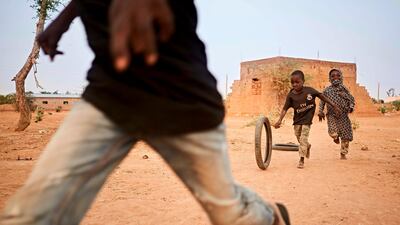
Displaced children play with old tires in a courtyard in Sevare in central Mali, on February 26, 2020. AFP


Mr Lowcock also cited the impact of conflicts on civilians in urban areas from explosive devices, on farmers from the destruction of agricultural land, and on entire populations from attacks on medical care.
“Last year, attacks on health care across 22 conflict-affected countries killed 182 health workers,” with the highest numbers losing their lives in Burkina Faso, Congo, Somalia and Syria, he said.
In a two-month period this year, Mr Lowcock said, 109 violent incidents against health care were documented in Myanmar, where a military coup took place on February 1, “accelerating the collapse in the public healthcare system when many people needed it most.”
And in Mozambique’s Cabo Delgado province, which has faced attacks from Islamic extremist rebels, over a third of health facilities were damaged or destroyed when hostilities worsened and health workers fled, leaving thousands of people without a nurse or a doctor, he said.
Peter Maurer, president of the International Committee of the Red Cross, cited its recent report “showing the impacts of Covid-19 on communities shouldering the double burden of war and disease.”
“While the need for robust healthcare systems has perhaps never been greater, paradoxically, healthcare is under attack,” he said.
Mr Maurer told the council that five years after its members adopted a resolution demanding an end to impunity for attacks on health care “our observations in 40 countries affected by conflict show that attacks on health care have gone unabated,” and cyber attacks on healthcare facilities have increased.
Both Mr Maurer and Mr Lowcock urged the Security Council and the broader international community to focus their energy on changing the way combatants behave in conflicts.
“We need political solidarity, investment in basic infrastructure and services,” Mr Maurer said. “We need better protection for civilians and more substantive and broader support for humanitarian action.”

