


Boris Johnson will cease to be the British prime minister on September 5, it was confirmed on Monday evening, and the rules for the forthcoming Conservative Party leadership election were agreed upon following a meeting of the 1922 Committee.
A large number of contenders for the position could be knocked out very early on.
The first round of voting will take place on Wednesday after nominations close on Tuesday at 6pm BST, with candidates requiring at least 20 supporters to proceed in the first ballot, the committee has confirmed.
This could mean that Suella Braverman, Rehman Chishti, Grant Shapps and even Sajid Javid could be knocked out even before the first round.
When The National saw Mr Javid, a former chancellor, in Westminster on Monday evening, he looked downhearted, potentially dealing with the knowledge he had not secured sufficient votes to continue in the contest.
The rules also established that nominees for the second round on Thursday will require 30 nominations, suggesting that the field of candidates will be quickly narrowed down.
Sir Graham Brady, the chairman of the committee, told the media that there could be only two candidates remaining by next Monday.
There is some discontent in the party that the process is moving too fast, without enough time for candidates to undergo the scrutiny of colleagues and the media.
But the rules will be signed off on later on Monday by the Conservative Board, which will make any challenge to the timetable impossible.
-

Conservative Party members will chose between Liz Truss and Rishi Sunak in the race to become Britain's next prime minister, after Penny Mordaunt was eliminated. PA -
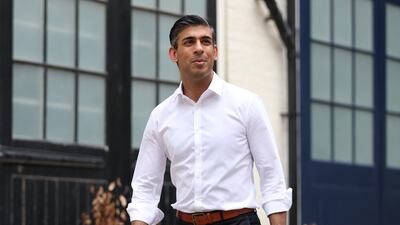
Rishi Sunak — former chancellor who resigned from his position last week. In a slick campaign video he said the government could not afford to fool voters about the difficulties ahead with ‘comforting fairy tales’. Getty Images -
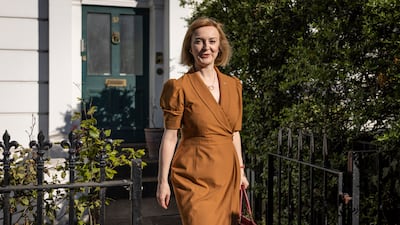
Liz Truss — the UK’s Foreign Secretary has pledged to start cutting taxes 'from day one' if she becomes prime minister, to tackle the cost-of-living crisis. She has also vowed to ‘take the vital steps necessary’ to protect the Good Friday Agreement. Getty Images -
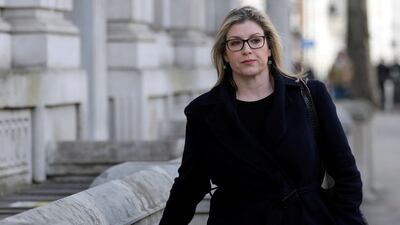
OUT OF THE RACE: Penny Mordaunt — Brexit-backing Trade Minister has insisted the Conservative Party was elected to ‘deliver a manifesto’. She played a prominent role in the Leave campaign in the 2016 referendum. Reuters -
OUT OF THE RACE: Kemi Badenoch — former equalities minister has promised 'limited government' and 'a focus on the essentials'. She has said Boris Johnson was 'a symptom of the problems we face, not the cause of them'. Photo: UK Parliament -
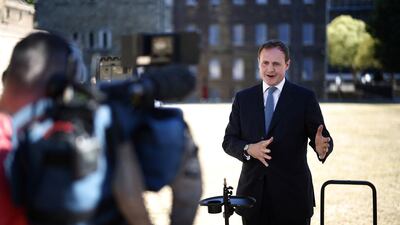
OUT OF THE RACE: Tom Tugendhat —Foreign Affairs Committee chairman and ‘Remainer’ aims to reverse the national insurance rise. He says the presence of Brexit party and Leave figures on his team is reassuring for Brexiteers. Reuters -
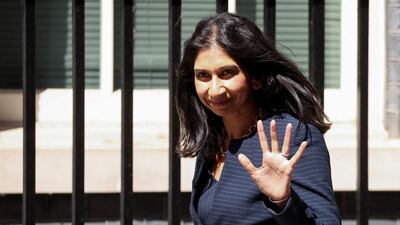
OUT OF THE RACE: Suella Braverman — current Attorney General has promised 'rapid and large tax cuts' to ease inflation. She has said the energy crisis means 'we must suspend the all-consuming desire to achieve net zero by 2050'. Reuters -
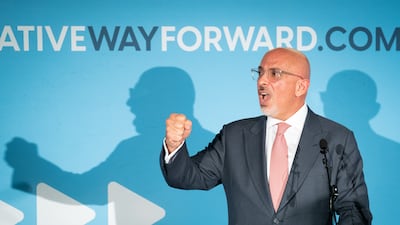
OUT OF THE RACE: Nadhim Zahawi — newly appointed Chancellor has promised to cut taxes and push ahead with the reforms he started in his previous role as education secretary, to ‘deliver a great education for every child’. PA -
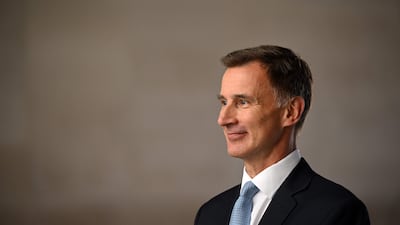
OUT OF THE RACE: Jeremy Hunt — runner-up to Boris Johnson in the 2019 leadership race, who has pledged to slash corporation tax to 15 per cent. He has also promised to back the Northern Ireland Protocol Bill. AFP -
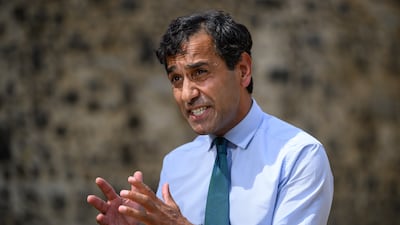
OUT OF THE RACE: Rehman Chishti — newly appointed Foreign Office minister had spoken of the importance of lower taxes and having a small state with a big society. 'It’s about aspirational conservatism, it’s about fresh ideas and then it comes down to having a fresh team.' Getty Images -
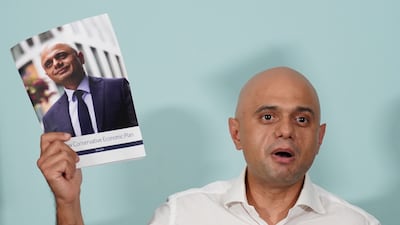
OUT OF THE RACE: Sajid Javid — experienced former health secretary had planned to scrap the government’s national insurance increase, bring forward the proposed 1p income tax cut to next year and introduce a further ‘significant’ temporary reduction on fuel duty. PA -
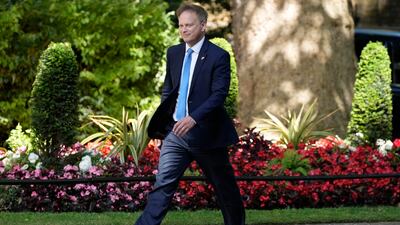
OUT OF THE RACE: Grant Shapps — the Transport Secretary had said on TV: 'I am interested in the bread-and-butter issues that your viewers will be thinking about every single day of the week.' AP


Sir Graham denied that the threshold for Wednesday and Thursday’s vote was too high for lesser-known candidates to make a mark.
“We do need to make sure there’s a decent period of time before the result is announced on September 5,” he said.
“We need to make sure there’s a reasonable chance for the party and the country to meet and question the candidates.”
The new rules were set a few hours after the Conservatives elected a new executive to the 1922 Committee, but with Sir Graham remaining as its chairman.
The remaining candidates will be subject to a series of live television debates, starting this Sunday on ITV then with Sky and potentially the BBC hosting the events, too.
Once Parliament goes into recess on Thursday, July 21, the Conservative Central Office will organise a hustings across the UK in which various Conservative Associations will be able to directly question the two remaining candidates.
In 2019, these took place in Belfast, Cardiff, Darlington, Nottingham, Perth and York.
Members will be balloted by a postal vote, with a deadline potentially set for late August or early September.
Conservative headquarters in London will host the final announcement of the winner, who will become next Tory party leader and Britain’s new prime minister.
The termination date for Mr Johnson’s premiership will mean that he serves 34 days longer than his predecessor, Theresa May, who he unseated in 2019.

