


Latest: UK airports hit by Easter cancellations, queues and chaos
Passengers at Heathrow Airport have reported lengthy waiting times for five days straight, with some weary travellers forced to join “a quarter of a mile long” queue after landing at Terminal 5.
The west London airport has been wracked by problems in the arrivals and check-in areas, prompting dozens of frustrated passengers to take to Twitter to demand answers.
A man named Bobby tweeted Heathrow to question why he was still queueing at immigration desks more than two-and-a-half hours after his flight arrived early on Wednesday.
"Terminal 2 plane lands 06.51 client is stuck in a queue with one desk open. Absolute disgrace!" he tweeted.
Another traveller hit out at the "exceptional queue" at immigration.
Richard Benyon, a former MP who now sits in the House of Lords, was one of hundreds of travellers caught up in the setbacks after landing at Terminal 5 early on Tuesday. He was forced to stand in a long line while waiting to be processed by Border Force staff.
“In a queue about a quarter of a mile long at Heathrow,” he tweeted. “No one telling us about what the problem is. No staff on hand at all. Welcome to Britain.”
Another passenger described the chaos as the “worst queue I have ever seen at any airport”.
“Seems over 100m long just to get to the main immigration area where there will be more queuing. What is going on?” they said.
On Monday, travellers touching down in Heathrow again reported longer-than-usual waiting times.
Passenger Martin Haven described the Terminal 5 queues as “VERY much longer” than the normal waiting period.
Theodora Lau said it took her “40 minutes to get through the queue” at immigration after landing at the UK’s busiest airport.
On Sunday, passengers also reported lengthy waiting times at Border Force desks.
Peter Anderton tweeted a photo of a packed hallway, saying: “Heathrow on Sunday night had a 100 metre queue to get into the arrivals hall which was also chaos. No explanation given.”
Julie Welham, who was at the airport on Sunday, said there were enormous queues at check-in desks.
“Queues like I have never seen – no way to work out which queue is which. 45 minutes so far waiting to check in and not even close to the front of the queue – and loads of check-in desks not even open,” she tweeted.
Marcelo Esquivel posted a photo of people queueing with trolleys at check-in desks.
"Big queues at Heathrow airport even for priority check in," he tweeted. "It looks like they don’t have enough staff for this high demand."
In pictures - decades of flight at Heathrow
-
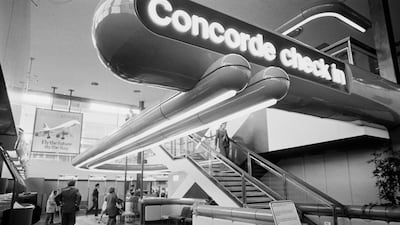
Heathrow Airport in London, the UK's busiest, has been a travel hub for decades. Here The National takes a look back at Heathrow through the years. All photos: Getty Images -
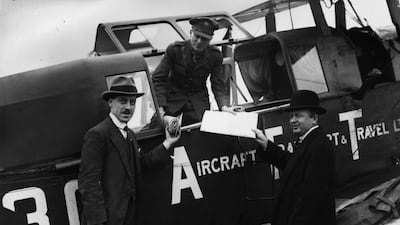
An Airco De Havilland biplane of the British airline, Aircraft Transport and Travel Limited, about to leave on the company’s inaugural flight from Hounslow Heath Aerodrome, later known as Heathrow, to Le Bourget, Paris, in August 1919 -
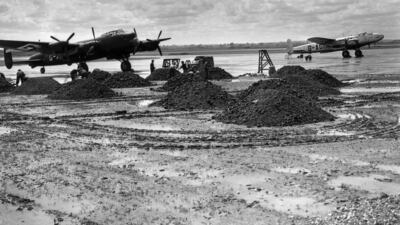
Waterlogged runways at London Airport - Heathrow's original name - one week before it became Britain's main aerial gateway to the US in 1946 -
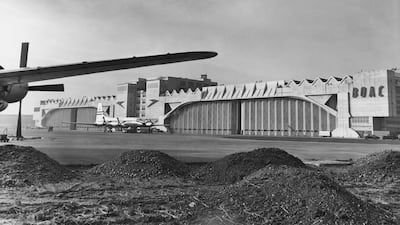
The new BOAC maintenance headquarters at London Airport circa 1955 -
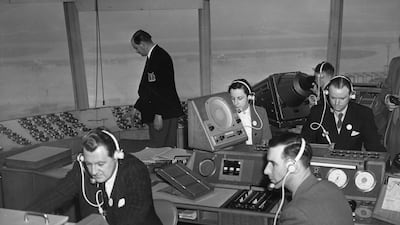
The air traffic control room at the airport's new terminal in 1955 -
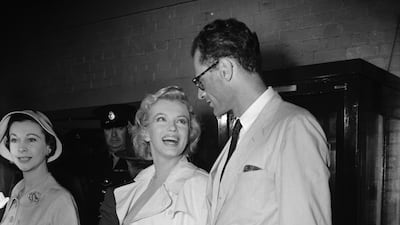
US film star Marilyn Monroe with her husband, playwright Arthur Miller, after arriving at the airport in July 1956 -
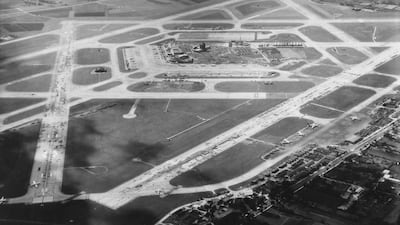
An aerial view showing the runways in 1958 -

The arrivals and departures board in 1960 -

A new airport gift shop, selling items by Chanel, Wedgwood and Pringle of Scotland, in 1961 -
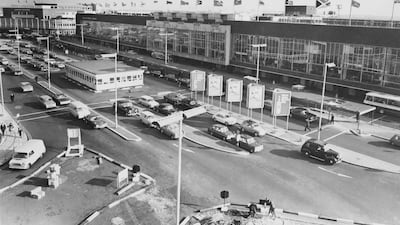
The Queen's Building and the No. 1 Building Europa at Heathrow in 1965 -
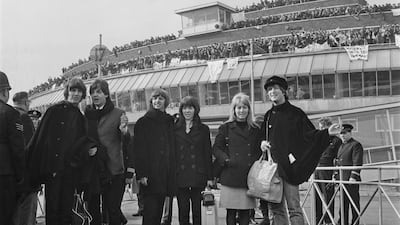
The Beatles leave Heathrow for Salzburg in Austria, to resume filming of the movie Help!, in 1965 -
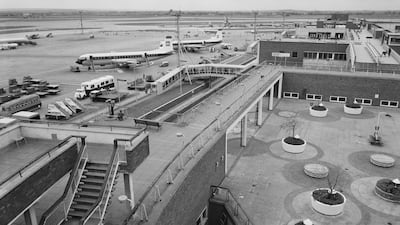
Passenger terminal gates at Heathrow in 1966 -
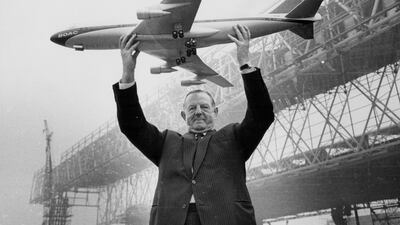
Keith Granville, managing director of BOAC, holding up a model of the Boeing 747 jet, with the new aircraft hangars under construction in the background, at Heathrow in 1969 -
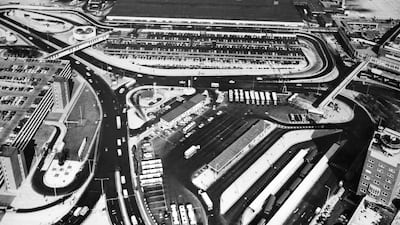
An aerial view of Heathrow in 1970 -
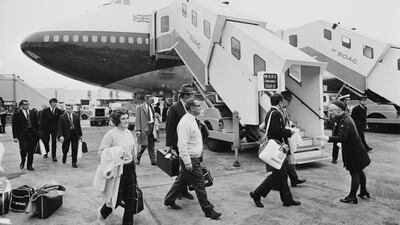
Passengers boarding the first BOAC Jumbo Jet 747 used for a commercial flight, from London Heathrow to New York, in 1971 -
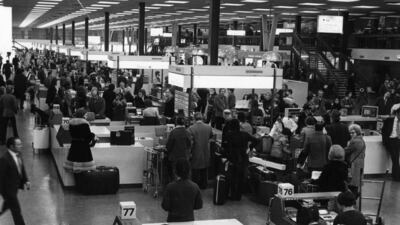
Passengers going through the departure lounge at Heathrow in 1973 -
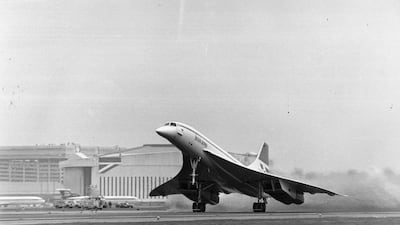
Concorde takes off from Heathrow on her first commercial flight for British Airways in 1976 -
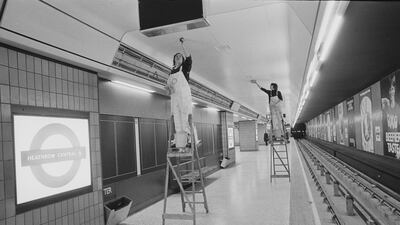
Men at work finalising the Heathrow Central underground station before its opening in 1977 -
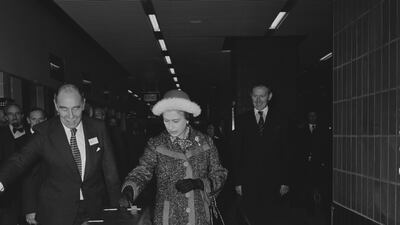
Queen Elizabeth II passing though the Tube gates at Heathrow Central station on its opening in 1977 -
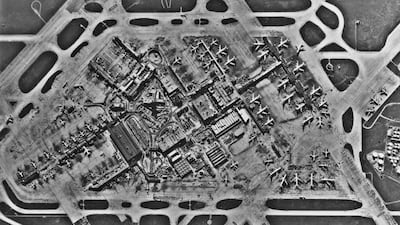
An aerial view of Heathrow in 1978 -

Passengers waiting near a departures board in 1979 -
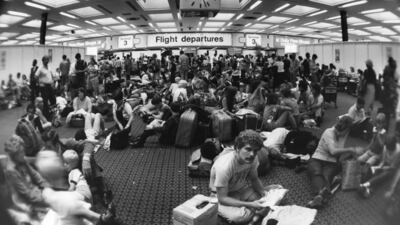
Holidaymakers waiting in the departure lounge at Terminal 3 of Heathrow in 1981 -
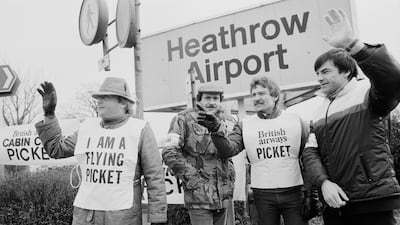
British Airways employees protesting at Heathrow in 1984 -
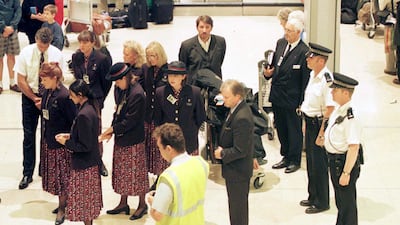
Passengers and staff observe a silence in Heathrow's Terminal One to mark the beginning of the funeral of Diana, Princess of Wales, in 1997 -
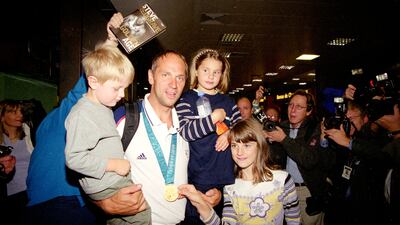
Rower Steve Redgrave at Heathrow with daughters Sophie and Natalie and son Zak after returning from the Sydney 2000 Olympic Games with his gold medal -
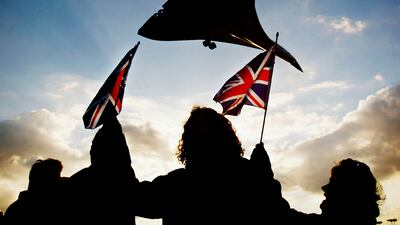
Spectators watch the last Concorde land at Heathrow in 2003 -
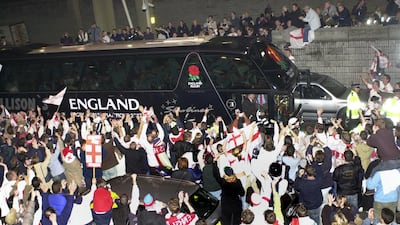
Fans surround the coach carrying the England rugby team at Heathrow, as they arrived from Sydney after winning the World Cup in 2003 -
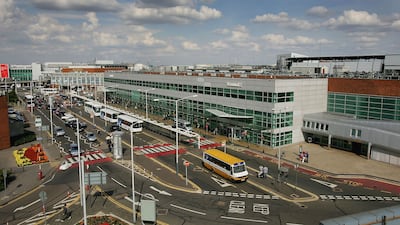
Heathrow's Terminal 2 in 2004 -
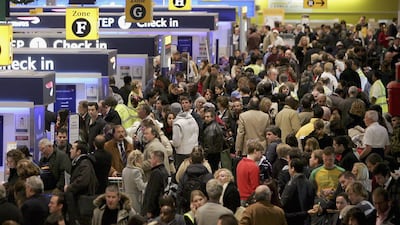
Passengers queue to check in at Terminal 1 of Heathrow Airport during the Christmas 2006 and New Year period -
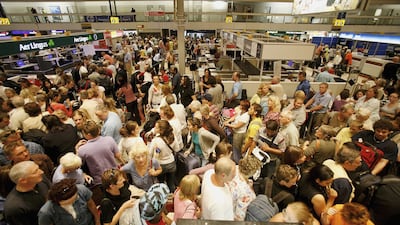
Passengers wait at Terminal 1 on August 10, 2006, after airport security was raised to critical when a terrorist plot to blow up planes in mid-flight from the UK to the US was disrupted by police -
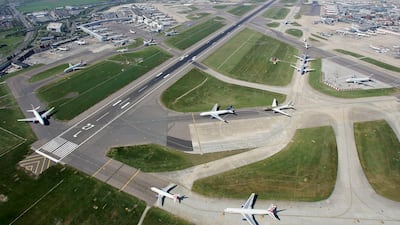
Planes queueing to take off at Heathrow in 2007 -
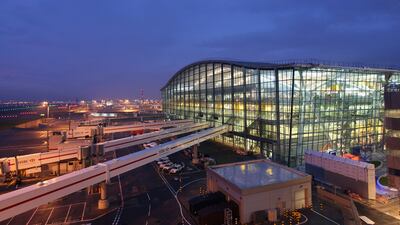
The new Terminal 5 at Heathrow in 2008 -
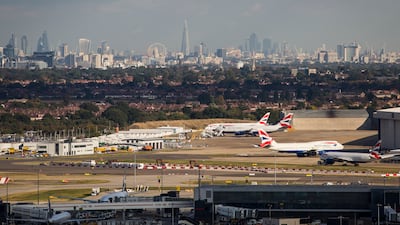
Aircraft at Heathrow Airport in front of the London skyline in 2016 -
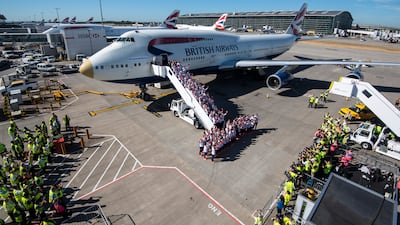
Members of Team GB arrive from Rio de Janeiro at Heathrow, after returning from the 2016 Olympics, which saw Great Britain's strongest performance at the Games in over a century -

A composite photo shows planes taking off from Heathrow in November 2016. Forty-two planes were captured between 10.17am and 11.17am and a montage was created from those single images -
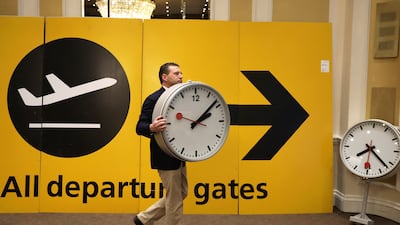
Items are arranged during an auction preview at Heathrow in 2018. The contents of Terminal 1, which closed in 2015, were being sold -
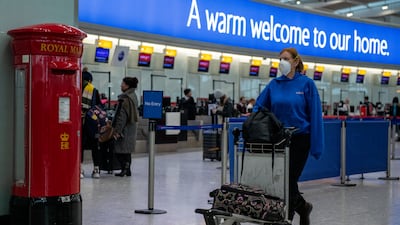
An airline passenger wearing a face mask pushes her bags through Heathrow's Terminal 5 during the coronavirus pandemic in 2020 -
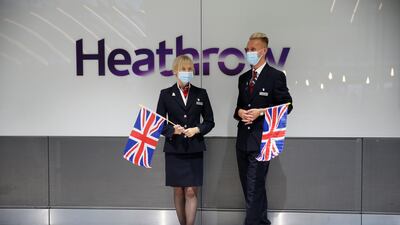
British Airways employees welcome Olympians returning from the Tokyo Olympics in 2021 -
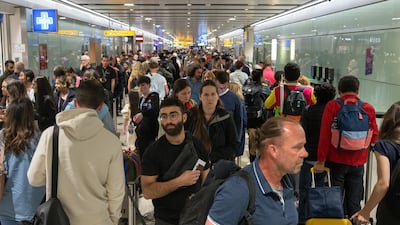
Travellers wait in a long queue to pass through the security check in 2022


Passengers at Heathrow last Saturday were also hit by chaos.
Dr Emma Chapman, a physicist at Imperial College London, shared a photo of a packed Terminal 5 showing hundreds of passengers sitting in lounge areas, cafes and restaurants waiting for flights.
She said there had been “chronic staff shortages at Heathrow” resulting in a “3 hour 20 minute delay so far”.
Last week Heathrow Airport dropped its mask mandate, meaning passengers and staff no longer need to wear face coverings.

