

Taliban officials are sending Afghan women to prison, supposedly to "protect" them from gender-based violence, a UN report published on Thursday said.
The report says the Taliban are imprisoning women if they have no male relatives to live with or if male relatives are considered unsafe.
Before the Taliban seized power in 2021, there were 23 state-sponsored women protection centres in Afghanistan, where survivors of gender-based violence could seek refuge.
Now there are none, the UN report explained.
Officials from the Taliban-led administration told the UN Assistance Mission in Afghanistan there was no need for such shelters, which they described as a western concept.
These tactics are “akin to how prisons have been used to accommodate drug addicts and homeless people in Kabul”, said the UN.
Authorities have asked male relatives for commitments or sworn statements that they will not harm a female relative, inviting local elders to witness the guarantee, the report added.
In October, the UN Security Council requested an independent assessment from Secretary General Antonio Guterres on how the UN should address Afghanistan's challenges, which could prove crucial to creating an inclusive government with respect for women's rights.
Before that, Roza Otunbayeva, UN special envoy for Afghanistan, collaborated with UN Women and the International Office for Migration on a report based on more than 500 interviews with Afghan women.
Among the findings, she said, 46 per cent of women were found to oppose any form of international recognition for the Taliban government, while half emphasised that recognition should be contingent on measurable improvements in women's rights.
-
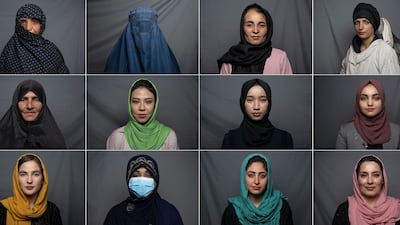
This combination of photos shows women posing for portraits in different cities in Afghanistan. Since their takeover two years ago, the Taliban have squeezed Afghan women out of public life, imposing suffocating restrictions on where they can work, how they can travel and what they can wear. All photos by AFP -
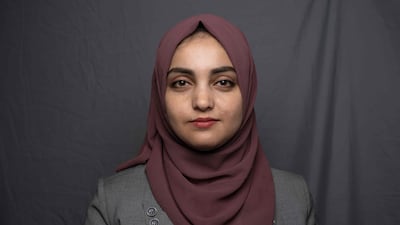
TOLOnews TV anchor Tahmina Usmani, 23, is one of a handful of female journalists who have been able to continue working in the sector. 'I was able to join TOLOnews and be the voice for women in Afghanistan, which makes me feel great,' she says. -
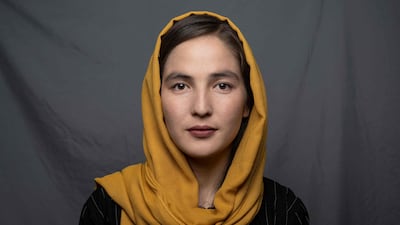
TV journalist and university student Farkhunda Muhibi, 21. Muhibi is one of a small number of female journalists who have been able to continue working under the Taliban regime. -
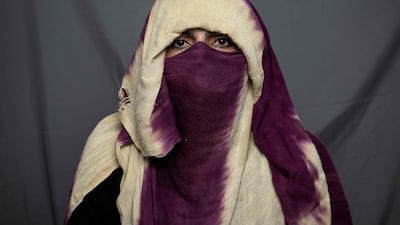
Baker Shapari, 40, poses for a portrait in Kandahar. 'During these hard times, it is my job that has made me happy,' she says. 'My husband is jobless, and staying at home. I am able to find food for my children.' -
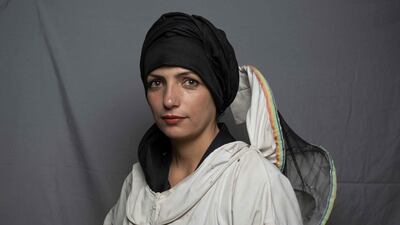
Businesswoman and beekeeper Ghuncha Gul Karimi, 35, poses for a portrait in Herat. Karimi expanded her beekeeping business to produce honey for sale after her husband left the country. 'I've taken up two extra jobs and bought a motorcycle to drive myself from the honey farm and back,' she says. 'I am determined to become the queen of honey bees.' -
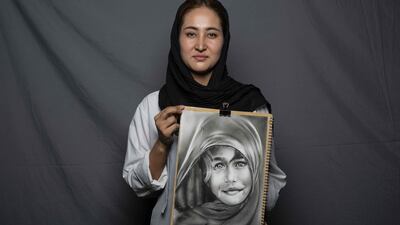
Artist and art teacher Manezha Sultani, 24, poses for a portrait in Herat. 'Before the Taliban took over, I had no fear - I used to attend exhibitions, go to events and see everything I desired. But when the takeover happened, I was afraid of how it would impact my job and my rights,' she says. 'I have not had any good experiences since the Taliban took over.' -
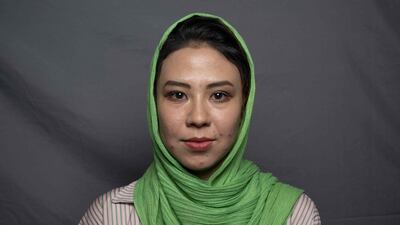
Mathematics and robotics teacher Sumaya Sultani, 27, poses for a portrait in Herat. 'Before the collapse, I participated in international technology events, and I used to work late nights on various projects and coach the Afghan girls’ robotics team. But after the Taliban takeover, everything we worked for and achieved turned to dust.' -
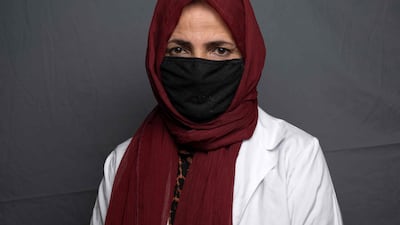
Doctor and mental health counsellor Mursal, 35, poses for a portrait at an undisclosed location in Afghanistan. Since their takeover a year ago, the Taliban have squeezed Afghan women out of public life, imposing suffocating restrictions on where they can work, how they can travel and what they can wear. -
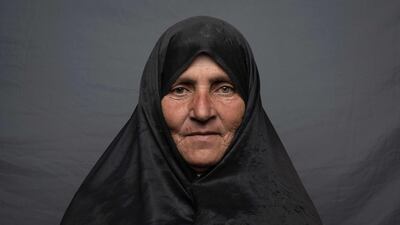
Silk weaver Maryam Osmani, 50, poses for a portrait in Herat. -
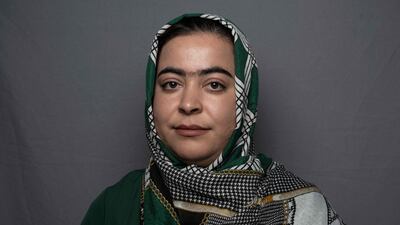
Afghanistan Women’s Chamber of Commerce and Industry director Nargis Hashimi, 27, poses for a portrait in Herat. -
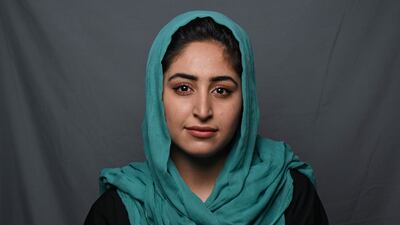
Radio journalist and artist Rozina Sherzad, 19, poses for a portrait in Kandahar. -
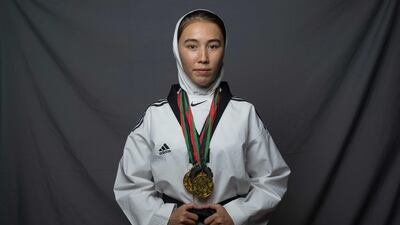
Taekwondo athlete Zarghunna Noori, 23, poses for a portrait in Herat. -
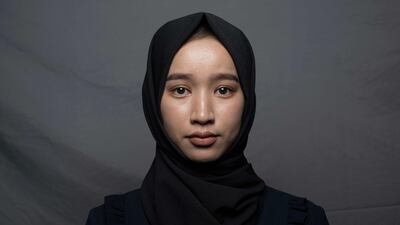
Student Mahtab Jamshidi, 17, poses for a portrait in Herat. -
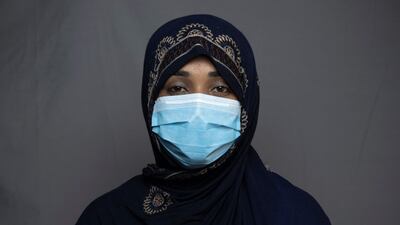
Seamstress Rozia Khpalwak, 23, poses for a portrait in Kandahar. -
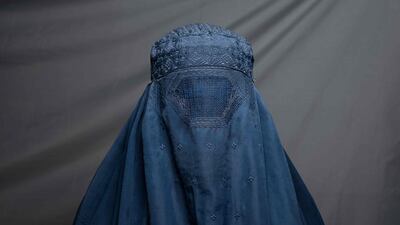
Shampoo factory worker Robina, 40, poses for a portrait in Kandahar. There is hardly a woman in the country who has not lost a male relative in successive wars, while many of their husbands, fathers, sons and brothers have also lost their jobs or seen their income shattered as a result of a deepening economic crisis. -
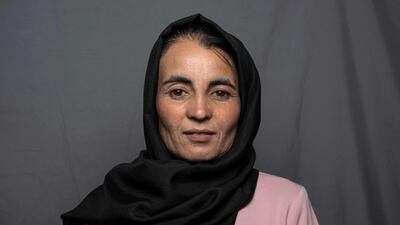
The deputy director of the women’s bazaar in Herat, Freshta Ishaqzai, 32. -
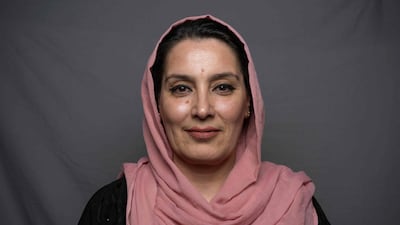
Shaima Wafa, 40, a cultural affairs reporter for an Iranian media outlet, poses for a portrait in Herat. -
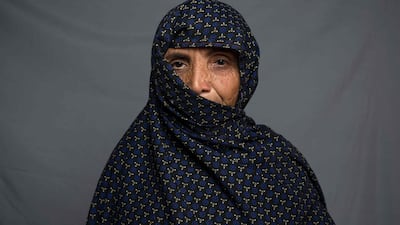
Knitter and garment maker Gul Guti, 55, poses for a portrait in Kandahar.


Women and girls have been barred from education beyond sixth grade since the Taliban takeover in 2021. Even home-based schooling programmes by international organisations are regularly shut down by the de facto authorities.
A report this year by UN education agency Unesco said 2.5 million Afghan girls and young women are not in the education system – 80 per cent of the age group.
Last week, the US imposed sanctions on two members of the Taliban accused of repressing women and girls in Afghanistan through prohibiting them from gaining access to secondary education.
They are required to take a male chaperone with them on journeys of more than 72 kilometres and follow a strict dress code.
A Taliban decree in July ordered the closure of all beauty salons, one of the few remaining places to where women could go outside the home or family environment.
Unesco has said Afghanistan has, for years, ranked among the worst places in the world to be born female and has one of the world's lowest literacy rates.
Associated Press contributed to this report

