

President Sheikh Mohamed has exchanged Ramadan greetings with a number of other Arab leaders, as the holy month began in the UAE on Thursday.
He shared his best wishes for the month ahead and called for “peace and harmony” for people in the UAE and across the globe.
The President spoke with Bahrain's King Hamad, Jordan's King Abdullah II, Egypt's President Abdel Fatah El Sisi and Tunisia's President Kais Saied, state news agency Wam reported on Thursday.
Sheikh Mohamed and the other Arab leaders expressed their hopes for sustained prosperity and progress in Arab and Muslim nations.
They also prayed to God for stability to prevail across the world.
Sheikh Mohammed bin Rashid, Vice President and Ruler of Dubai, also received similar messages marking the occasion.
On Thursday, Muslims in the UAE attended the first morning prayers of Ramadan this year.
The fajr morning prayer marks the beginning of daily fasting.
This year, Muslims in the Emirates will begin the month by fasting for about 14 hours 45 minutes.
As the days lengthen, the fasting time will increase. By the last day of the holy month, the fast will be about 46 minutes longer than on the first.
On Wednesday night, Ramadan cannons were fired twice to herald the beginning of the holy month.
Ramadan cannon firing takes place in a number of locations in the UAE, including in Abu Dhabi, Dubai, Ras Al Khaimah and Umm Al Quwain
During the holy month, these will be fired daily to announce maghrib — sunset — prayers.
After maghrib, Muslims break their fast with an iftar meal.
Ramadan 2023 first prayers - in pictures
-
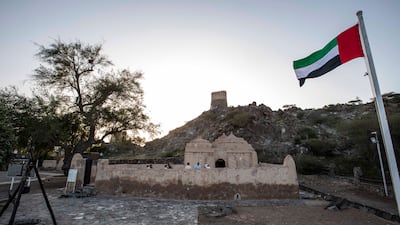
Al Bidya Mosque in Fujairah, which dates back to the 15th century. Leslie Pableo for The National -
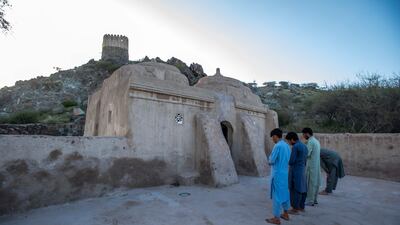
Worshippers outside Al Bidya Mosque, the oldest mosque in the UAE that is still in use. Leslie Pableo for The National -
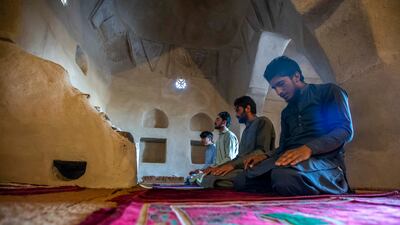
Inside Al Bidya mosque at the start of Ramadan. Leslie Pableo for The National -
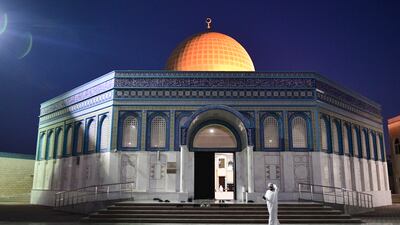
The Bani Hashim Mosque in Abu Dhabi, on the first morning of Ramadan. Khushnum Bhandari / The National -
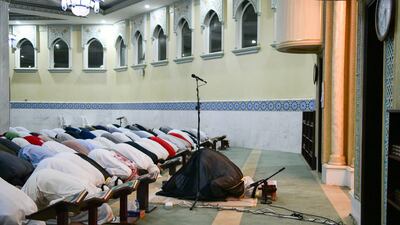
Worshippers at the first early morning Ramadan prayer at the Bani Hashim Mosque. Khushnum Bhandari / The National -
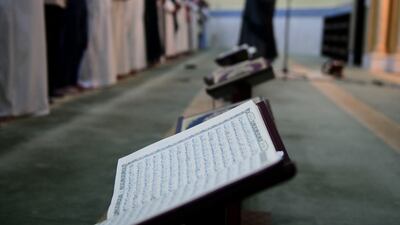
The first early morning Ramadan prayer at the Bani Hashim Mosque. Khushnum Bhandari / The National -
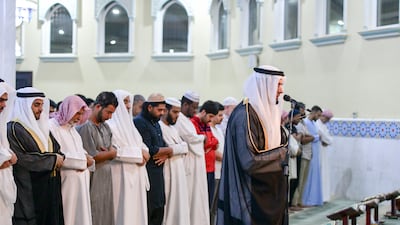
Imam Rashid Zobair, who is originally from Morocco, leads early morning Ramadan prayer at the Bani Hashim Mosque. Khushnum Bhandari / The National -
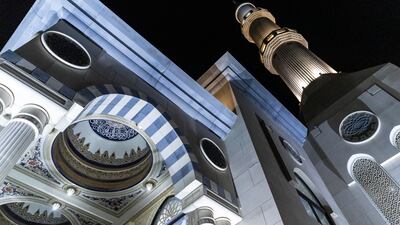
The Al Farooq Omar bin Al Khattab Mosque in Dubai. Antonie Robertson / The National -
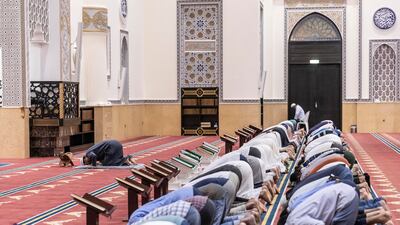
Worshippers at the Al Farooq Omar bin Al Khattab Mosque on the first morning of the holy month. Antonie Robertson/The National -
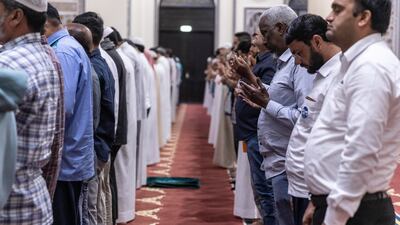
Worshippers at the Al Farooq Omar bin Al Khattab Mosque. Antonie Robertson/The National -
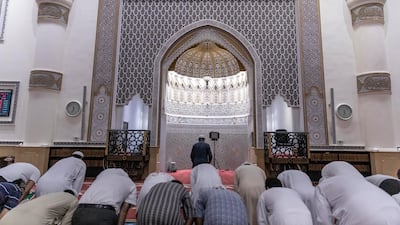
The first morning prayer of Ramadan at the Al Farooq Omar bin Al Khattab Mosque. Antonie Robertson/The National -
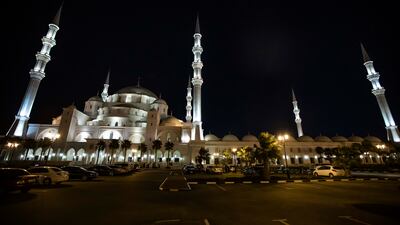
Sheikh Zayed Mosque in Fujairah during the first evening prayer of Ramadan. Leslie Pableo for The National -
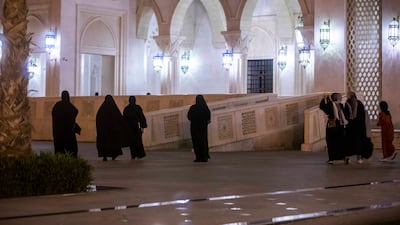
Worshippers arrive at Sheikh Zayed Mosque, the second largest in the UAE, for the first evening prayer of Ramadan. Leslie Pableo for The National -
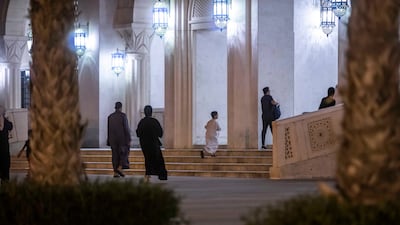
Worshippers at Sheikh Zayed Mosque for the start of the holy month. Leslie Pableo for The National



