

Follow the latest updates on the Covid-19 pandemic here
The UAE government on Sunday urged parents to vaccinate children over the age of three ahead of the new school year.
A major inoculation drive was launched as more than one million pupils prepare to get back to classes on August 29. After a 30-day grace period from August 29 to September 29, unvaccinated pupils over 12 will be tested every week.
Unvaccinated children under 12 will be tested once per month - likely with a saliva test rather than nasal swab - as will vaccinated children over 12.
The announcement, by a federal government spokeswoman live on television on Sunday, was for "all schools".
But private school regulators, including in Dubai, are expected to set out their own rules in the coming days.
In early August, the authorities approved the use of the Sinopharm Covid-19 vaccine for children aged 3 to 17. The decision by the Ministry of Health and Prevention came after a trial involving 900 children in Abu Dhabi.
Along with China, the Emirates would be among the first nation to vaccinate under 12s.
In May, the UAE approved the Pfizer-BioNTech Covid-19 vaccine for children aged 12 to 15 on an emergency basis after successful clinical trials and assessments.
The National takes a look at the global approach to immunising children during the pandemic.
-

Theyab bin Mohamed bin Zayed, Chairman of Abu Dhabi Crown Prince's Court, speaks to a girl as she waits to receive a vaccine dose in a new Sinopharm trial for children. -

Nine hundred children aged between 3 and 17 will receive the doses in the trial. -
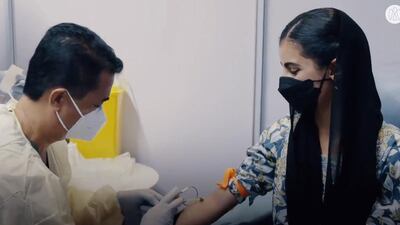
Volunteers are checked for side effects and monitored. -
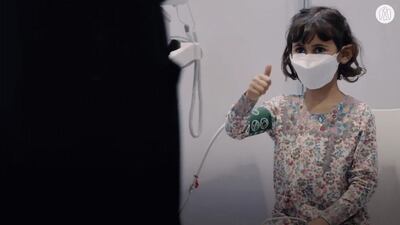
A girl gives a thumbs-up as she undergoes a basic medical check. -
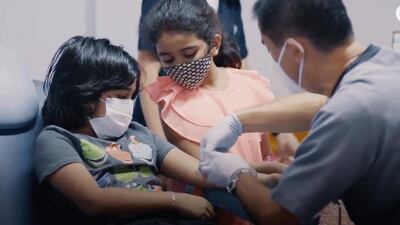
Although most adults have now received at least one vaccine shot, most children are not inoculated against the virus. -

In Dubai, vaccines have already been given to some children aged 12 to 15, and to many aged between 16 and 18.


China
China approved emergency use of the Sinovac vaccine in those aged between 3 and 17 on June 3.
Preliminary results from clinical trials showed the vaccine could trigger immune response in 3 to 17-year-olds, and most adverse reactions were mild.
Indonesia
The country approved the China's Sinovac vaccine for children aged 12 to 17 on June 28.
Singapore
The city state widened its vaccination programme on June 1 to include people aged from 12 to 18.
Hong Kong
Hong Kong began distributing the Pfizer-BioNTech vaccine to children aged 12 to 15 from June 11. Officials said the shot would initially be offered to about 240,000 children as part of a drive to bolster immunisation rates.
Japan
In June, Japan announced plans to vaccinate children aged 12 to 15 against Covid-19 during the summer break from school.
The Japanese Health Ministry lowered the minimum age for Pfizer-BioNTech's vaccine to 12 the previous month.
The Philippines
The Philippines on May 26 decided to allow Pfizer-BioNTech's vaccine for emergency use in children aged 12 to 15.
India
-
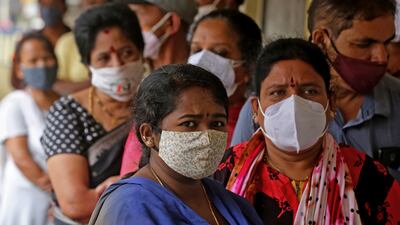
People queue to receive a vaccine shot against Covid-19 in Bangalore, India. -
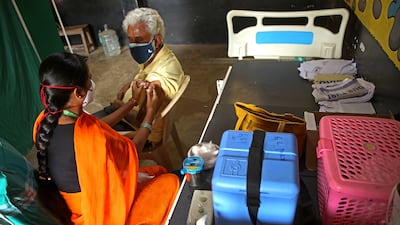
A man receives a vaccine shot against Covid-19 in Bangalore, India. -

A health worker administers a vaccine shot to a Naga woman in Imphal, India. -

A man receives a Covid-19 vaccine shot in Srinagar, the summer capital of Indian Kashmir. -
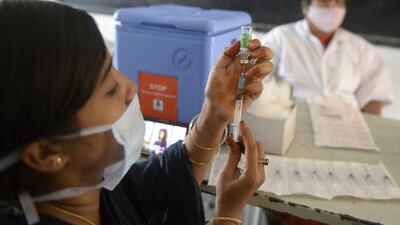
A health worker prepares to inoculate a resident during a vaccination drive for low-income citizens at a school in Hyderabad, India. -
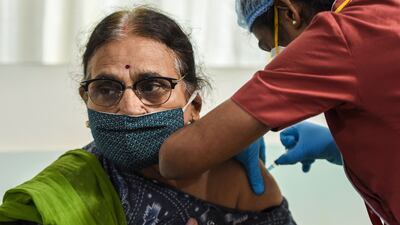
A woman gets inoculated with a dose of Russia's Sputnik V Covid-19 vaccine in Mumbai.


One of the country's hardest hit by the pandemic is likely to start vaccinating children this month, its Health Minister Mansukh Mandaviya said.
India has battled a surge in Covid-19 infections in recent months which has threatened to overwhelm its health services.
New Zealand
New Zealand's medicines regulator approved use of Pfizer-BioNTech's vaccine for 12 to 15 year olds, Prime Minister Jacinda Ardern said on June 21.
United States
US regulators authorised the Pfizer-BioNTech vaccine for children aged between 12 and 15 in May, in a step regarded as crucial to allowing schools to reopen safely.
US President Joe Biden described the decision as a "promising development in our fight against the virus".
Canada
Canada authorised the Pfizer-BioNTech shot for children aged 12 to 15 on May 5.
Mexico
The Central American nation with a population of more than 127 million approved the Pfizer-BioNTech vaccine for children aged 12 and older on June 24.
Brazil
Brazil – which has recorded one of the highest number of global cases of about 20 million to date – authorised the Pfizer-BioNTech vaccine for those aged 12 and older on June 11.
Chile
Chile approved the Pfizer-BioNTech vaccine for 12 to 16-year-olds on May 31, after granting emergency approval for its use in those aged 17 in December, 2020.
Paraguay

Paraguay is administering the Pfizer-BioNTech vaccine to children aged 12 to 17 with underlying health conditions.
Israel
Israel began vaccinating 12 to 15 year olds with the Pfizer-BioNTech drug in June as part of one of the world's fastest immunisation programmes.
Initial data from 200,000 inoculated Israeli children published last month indicated that the vaccine had no major side effects and almost none in general.
However, the report said more data was needed with a larger sample to draw definitive conclusions.
European Union countries
Denmark began to administer Pfizer-BioNTech vaccines for children aged 12-15 in July.
France started vaccinating those aged 12 and older in June, provided they had parental consent.
Germany announced on Monday it was to start offering coronavirus vaccinations for all children aged 12 and older.
German Health Minister Jens Spahn said the country had enough vaccines to cover all age groups.
Austria aims to have more than 340,000 children aged 12-15 vaccinated by the end of the month, the news site Vindobona reported.
Estonia is vaccinating children aged between 12 and 17 with the Pfizer-BioNTech drug with the aim of immunising large numbers before schools resume in September.
Hungary started vaccinating children aged 12 and older in June, having administered the shot to the 16-18 age group from the end of May.
Italy agreed to immunise children aged 12 to 15 with the Pfizer-BioNTech vaccine in June, while regulators endorsed the use of the Moderna vaccine for 12 to 17 year olds late last month.
Lithuania's Prime Minister Ingrida Simonyte said the country could start vaccinating children from age 12 in June, news site Delfi reported.
Spain's Health Minister Carolina Darias said in June that the country aimed to start vaccinating those aged 12 to 17 about two weeks before the start of the new school year in September.
Non EU countries:
United Kingdom
-

Arriving passengers queue at Terminal 5 of Heathrow Airport, in London. Hannah McKay / Reuters -

Tourists from Britain arrive at the airport in Mallorca, Spain, after England lifted quarantine requirements for travellers returning from the Balearic Islands. -

A woman reads a book while sitting between social distancing markers in Liverpool. -
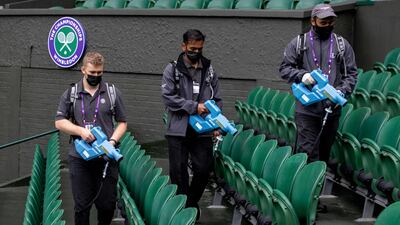
Workers disinfect seats in the Centre Court at The All England Tennis Club, in Wimbledon. -

Spectators, some wearing face masks, queue to enter the grounds at the 2021 Wimbledon Championships. -

People gather near Parliament in central London during a '#FreedomToDance' march organised by Save Our Scene, calling for an easing of restrictions for music events. -

People queue at a vaccination centre at Arsenal's Emirates Stadium, in London. -

People receive their vaccine doses at the Emirates Stadium.


The UK said children at higher risk of Covid-19 infection would be offered the Pfizer-BioNTech vaccine but the majority of children would not be immunised.
The decision was made after a review by the UK's Joint Committee on Vaccination and Immunisation.
It recommended vaccinating children aged 12-15 if they are at higher risk of Covid due to factors such as profound learning difficulties, severe neurodisabilities and severely weakened immune systems.
Switzerland
Switzerland approved vaccinating 12 to 15 year olds with the Pfizer-BioNTech drug on June 4.
Norway
The Norwegian Institute of Public Health recommended that 16 and 17 year olds were offered a vaccine, as soon as all over-18s are fully vaccinated. A final decision is expected next month.
San Marino
San Marino is offering vaccination for children aged 12 to 15, reported San Marino RTV, citing its Institute for Social Security.

