


Qatar has laid out the road to the World Cup for football fans aiming to drive to the global event.
The country's Ministry of Interior has confirmed entry procedures for 24-hour and five-day stays during the sporting event through the Abu Samra land border crossing with Saudi Arabia.
The procedures will be in place from November 1 until December 23, covering the entirety of the tournament, which will be held from November 20 to December 18.
Although shuttle flights remain the most popular form of travel — with about 5,000 extra flights by flydubai and Qatar Airways scheduled between the UAE and Doha — many people are planning to spend hours making the 700-kilometre desert drive from Dubai and the 600km trek from Abu Dhabi.
People making day trips to the event will not be allowed to enter the country via private car unless they have a Qatar-registered vehicle, but can instead use park-and-ride facilities at the Abu Samra border, completing the final 90km of the journey by bus.
Pre-registration opened for motorists on Saturday, October 15, with drivers required to notify the host nation they will be bringing their vehicles into the country.
The new travel rules offer several ways to enjoy the football festival in Qatar.
-
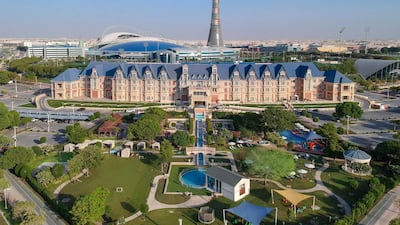
Qatar, Al Aziziyah Boutique Hotel. Photo: The Torch Hospitality -
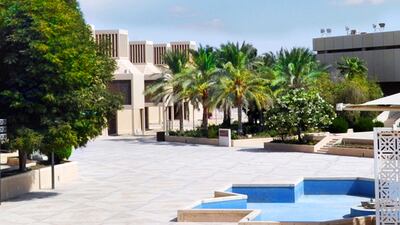
Argentina, Qatar University Hostel 1 (Qatar University pictured). Photo: Qatar University -
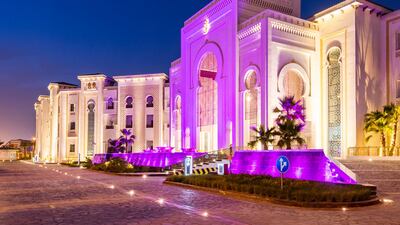
Poland, Ezdan Palace Hotel. Photo: Ezdan Palace Hotel -
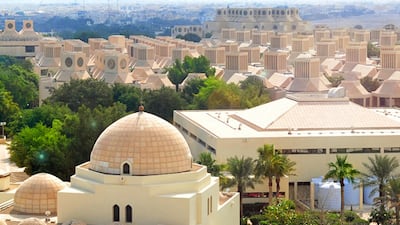
Spain, Qatar University Hostel 2 (Qatar University pictured). Photo: Qatar University -

Wales, Delta Hotels City Centre Doha. Render: Marriott -

South Korea, Le Meridien City Center Doha. Render: MZ & Partners -
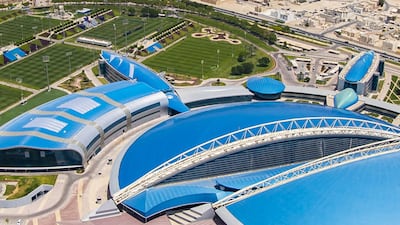
Australia, New Aspire Academy Athlete Accommodation (Aspire Academy pictured). Photo: Aspire -
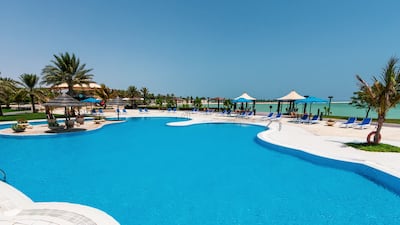
Mexico, Simaisma, A Murwab Resort. Photo: Murwab -

Ecuador, Hyatt Regency Oryx Doha. Photo: Hyatt -

Croatia, Hilton Doha. Photo: Hilton -

England, Souq Al Wakra Hotel Qatar by Tivoli. Photo: Tivoli -
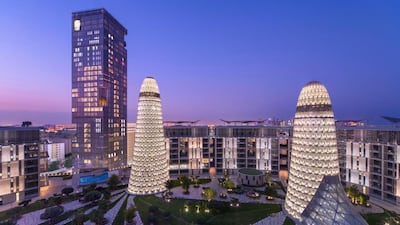
Cameroon, Banyan Tree Doha At La Cigale Mushaireb. Photo: Banyan Tree -
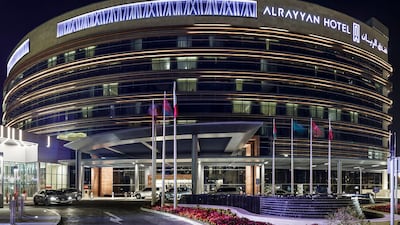
Iran, AlRayyan Hotel Doha, Curio Collection by Hilton. Photo: Chapman Taylor -
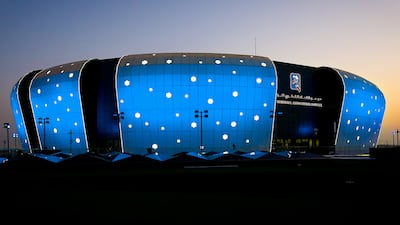
Senegal, Duhail Handball Sports Hall. Photo: Qatar Handball Association -
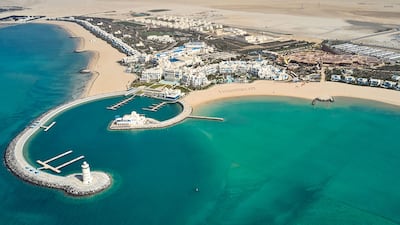
Belgium, Hilton Salwa Beach Resort and Villas. Photo: Hilton -
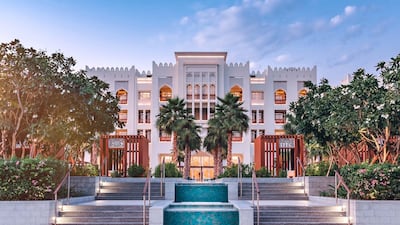
France, Al Messila A Luxury Collection Resort & Spa, Doha. Photo: Marriott -

Uruguay, Pullman Doha West Bay. Photo: Accor -
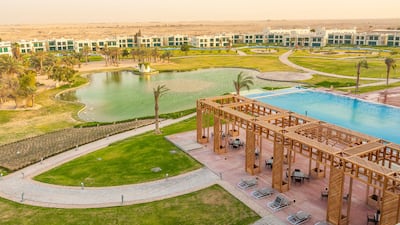
Denmark, Retaj Salwa Resort & SPA. Photo: Retaj Salwa Resort & SPA -
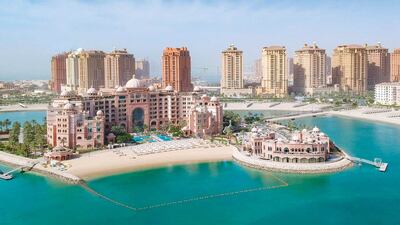
USA, Marsa Malaz Kempinski, The Pearl - Doha. Photo: Kempinski Hotels -
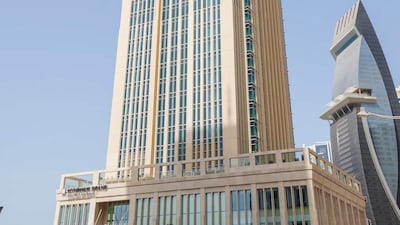
Tunisia, Wyndham Grand Doha West Bay Beach. Photo: Wyndham Hotels & Resorts -
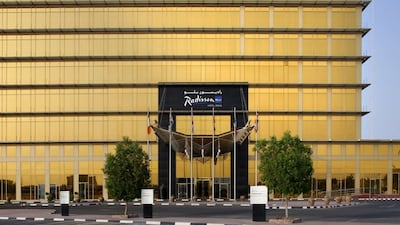
Japan, Radisson Blu Hotel Doha. Photo: Radisson Hotels -
Canada, Century Marina Hotel Lusail. Photo: Century Marina Hotel Lusail -

Morocco, Wyndham Doha West Bay. Photo: Wyndham Doha West Bay -
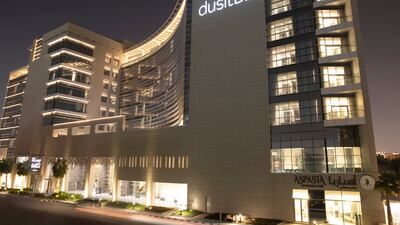
Costa Rica, dusitD2 Salwa Doha. Photo: Dusit -
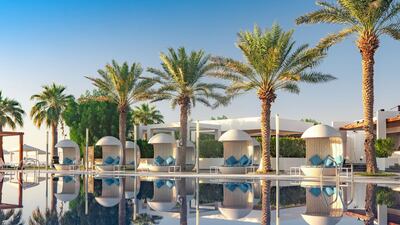
Saudi Arabia, Sealine Beach, a Murwab Resort. Photo: Murwab -
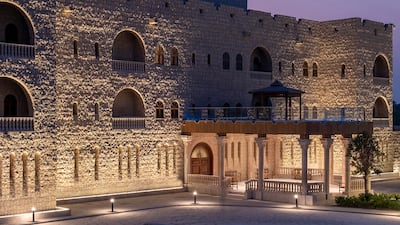
Portugal, Al Samriya Autograph Collection Hotel. Photo: Al Rayyan Tourism Investment Co -
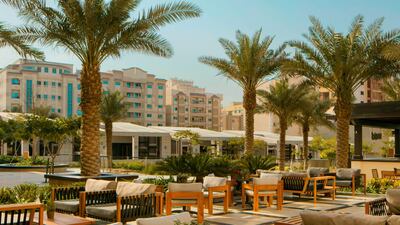
Brazil, The Westin Doha Hotel and Spa. Photo: Marriott -

Serbia, Rixos Gulf Hotel Doha. Photo: Accor -
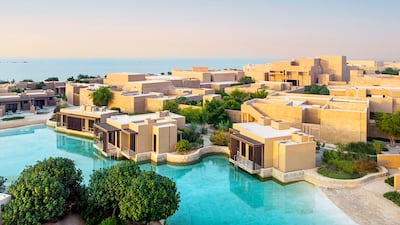
Germany, Zulal Wellness Resort. Photo: Chiva-Som -
Swtizerland, Le Royal Meridien, Doha. Photo: Marriott -
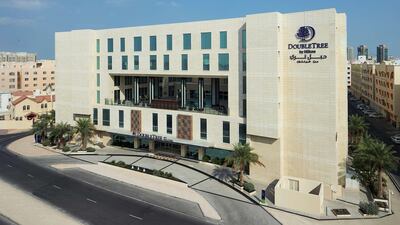
Ghana, DoubleTree by Hilton Doha Al Sadd. Photo: Hilton -
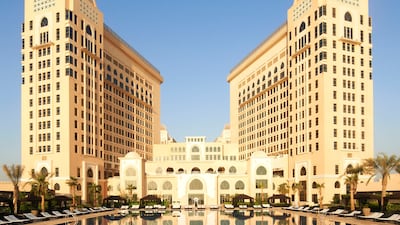
Netherlands, St Regis Doha. Photo: Marriott


Cars with Qatari plates
Citizens, residents and GCC citizens who hold a Qatari ID card and have a car with Qatari plates can enter through the border as usual without needing a Hayya card, which will act as an entry visa for football fans during the event and is needed to secure match tickets.
One-day stays
Those attending one or more matches in 24 hours and do not require a hotel reservation must hold a one-day fan category Hayya card and pre-book a parking space through the Hayya platform before arrival.
Parking is free for the first 24 hours, with a charge of 1,000 Qatari riyals for a second day. Vehicles will be towed and another QR1,000 charge will be imposed if the car remains parked for more than 48 hours after entry.
Free buses will transport fans on the 2km route from the Abu Samra checkpoint to the Friends Meet and Greet Area in Al Qalayel. Public transport will also connect them with Doha Central Station in Al Messila, about 90km away.
The parking reservation service is open from November 1.
Commercial vehicles looking to enter the country will be restricted during the tournament between 11pm and 6am to prioritise fan traffic. This will be in place from November 15 until December 22.
All payments for parking can be made via the Hayya app.
The Abu Samra border crossing with Saudi Arabia has been expanded to welcome fans, with improved facilities, free parking and a capacity to receive 4,000 travellers every hour.
So far, the organising committee said more than 1.5 million people have applied for a Hayya card for the tournament.
How to enter Doha without Qatari car registration
Exceptional vehicle entry permits must be applied for in advance via the official Hayya online platform. A link will then be sent to purchase required insurance to drive in the country.
The driver must also have confirmed accommodation approved through Hayya for five nights.
There must be a minimum of three people travelling in the vehicle and a maximum of six, all of whom must have a Hayya card.
A non-refundable QAR 5,000 (Dh5,043) fee must be paid within 24 hours to complete the process.
Permits are single entry only, and repeat visits can only be completed with a secondary application.
International fans that already have a Hayya card can invite three fans to attend the tournament without a ticket.
Non-ticketed fans applying through a Hayya with Me (1+3) voucher can be any age, must hold a valid passport, but cannot be Qatar ID holders.
Travel will not be allowed on the A and B ring roads or connecting intersections.
Can I take the bus?
Fans staying in nearby Saudi Arabia will be able to take a bus into Qatar, as long as they are in possession of a Hayya card.
After checking in at the arrivals hall, a connecting bus can be taken into central Doha.
-

Laurie and Danny Navarro, who live in Washington DC, will base themselves in the UAE for two weeks and travel to Doha thanks to the Emirates Skywards miles they have saved. All photos: Danny Navarro -

Laurie Navarro, from Mexico, has saved thousands of dollars in travel costs for her World Cup trip to Qatar in November. -
Danny Navarro is planning a trip to the Qatar World Cup using air miles to avoid expensive flight prices from the US. -
Danny Navarro at a World Cup qualifier for Mexico at the Azteca Stadium, Mexico City. He has written a travel guide for fans visiting Qatar.


High demand for World Cup road trips
“Many people coming from overseas do not want to take shuttle flights,” said Mercedes Basutto, an agent with Travel Counsellors who has visited Qatar twice in recent weeks to understand the needs of supporters and tourists during the tournament.
“They want to rent a car and cross the border, it will take them around seven hours or so, but it is not an easy process.
“Thousands of people will not have booked shuttle flights, so there will be plenty who plan to drive across.”
Hayya has been expanded to allow entry into Saudi Arabia.
Saudi Arabia’s Ministry of Foreign Affairs announced holders can obtain a free electronic visa to enter the kingdom.

