Pilar Mazas, 90, resident at the elderly home Ballesol, waits to receive the second dose of the Pfizer-BioNTech Covid-19 vaccine, in Madrid, Spain, January 25. Reuters

What private hospitals have learnt from this pandemic


  • English
  • Arabic

At the start of January, most people were relieved to say goodbye to 2020 and approach 2021 with a clean slate. Since the pandemic was confirmed in March 2020, it felt like we were faced with crisis after crisis. And one month into the new year, it seems as though wese are tackling many of the same challenges as last year.

One thing to be positive about is that we now have a better understanding of Covid-19 and the solutions that can help us get back to normal. More clarity provides a refreshing change from the endless uncertainty and unpredictability of 2020. As the head of a private healthcare company in the UAE and Saudi Arabia, I know that those in my sector have learnt a lot that will help us chart a path forward and, in some cases, identify where we can all improve.

From what we have seen so far this year, the introduction of new vaccines and treatments and their distribution around the world are likely to continue to dominate the global health agenda. As we move through 2021 and beyond, we can expect to benefit from the addition of another five to 10 new vaccines, which will be crucial in our efforts to fight transmission of the virus and return to more normal social interaction.

Several of these vaccines use a technology called mRNA, which trains the immune system directly with a single protein, instead of injecting a weakened live or killed virus, which is how traditional vaccines work. Prior to Covid-19, mRNA vaccines had never been licensed for use. Yet last month, two mRNA candidates won emergency approval from regulators in several countries. This approach will allow researchers to fast-track various stages of vaccine research and development, and could even help identify solutions for other diseases that may not have come about had it not been for the heightened urgency created by the pandemic.

Many healthcare professionals and policymakers hope that some of the lower-cost Covid-19 vaccines will become more readily available to developing countries. Global partnerships such as the Access to Covid-19 Tools Accelerator, a collaboration launched by the World Health Organisation and its partners, are helping to expedite development, production and equitable access to the vaccines, diagnostics and therapeutics that the world needs.

The transparency of studies and data showing the results of vaccine trials will be critical to building trust and confidence in medical innovation around the world, as will our success in treating those infected. As we continue to learn more about the virus as well as our immune response to it, we can hope to see the mortality rate decrease throughout the year.

Consolidation of data will help patients play a greater role in their own treatment plans

It seems unlikely that doctors will have a silver-bullet treatment in our arsenal any time soon. However, we should find that earlier, more effective interventions result in fewer hospitalisations and ICU admissions. This will help reduce the impact of Covid-19 patients on overwhelmed healthcare systems.

Another way to free up hospital beds for patients suffering from serious Covid-19 symptoms or any other critical illnesses is to deliver non-critical care outside of hospitals. Throughout 2020, my company’s long-term care and rehabilitation facilities accepted more than 350 non-critical care patients from hospitals, proving that moving some patients outside of hospitals and into more appropriate and comfortable settings can help achieve greater capacity.

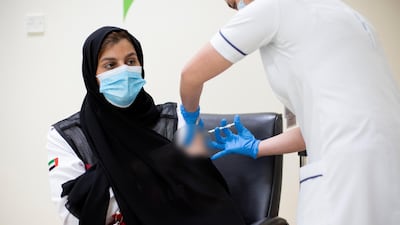
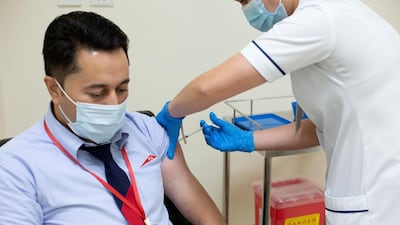
  • A Dubai ambulance worker is vaccinated with the Pfizer-BioNtech vaccine in Dubai.
    A Dubai ambulance worker is vaccinated with the Pfizer-BioNtech vaccine in Dubai.
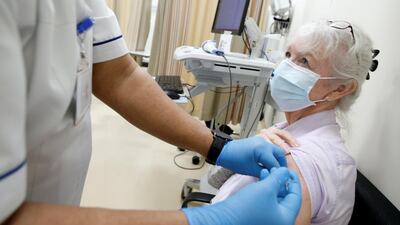
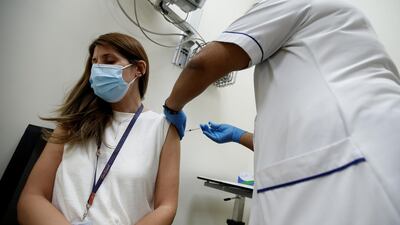
  • An older resident receives her first shot at Zabeel Health Centre on December 27, 2020.
    An older resident receives her first shot at Zabeel Health Centre on December 27, 2020.
  • The vaccine is expected to be rolled out to all age groups once people in the essential categories have been vaccinated.
    The vaccine is expected to be rolled out to all age groups once people in the essential categories have been vaccinated.
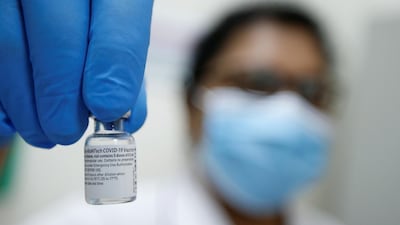
  • A nurse holds a dose of the Pfizer-BioNTech vaccine, which was approved for use by Dubai's emergency and crisis authority and the federal Ministry of Health.
    A nurse holds a dose of the Pfizer-BioNTech vaccine, which was approved for use by Dubai's emergency and crisis authority and the federal Ministry of Health.
  • An employee from Roads and Transport Authority receives a dose of the Pfizer-BioNTech vaccine in Dubai.
    An employee from Roads and Transport Authority receives a dose of the Pfizer-BioNTech vaccine in Dubai.
  • A woman receives a dose of the Pfizer-BioNTech vaccine at Zabeel Health Centre in Dubai on 27 December, 2020.
    A woman receives a dose of the Pfizer-BioNTech vaccine at Zabeel Health Centre in Dubai on 27 December, 2020.
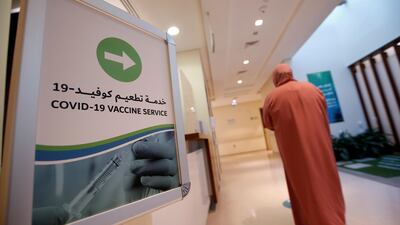
  • The city has six vaccine centres where the Pfizer-BioNTech shot is available.
    The city has six vaccine centres where the Pfizer-BioNTech shot is available.
  • A man waits to receive the first of two doses at Zabeel Health Centre in Dubai on 27 December, 2020.
    A man waits to receive the first of two doses at Zabeel Health Centre in Dubai on 27 December, 2020.
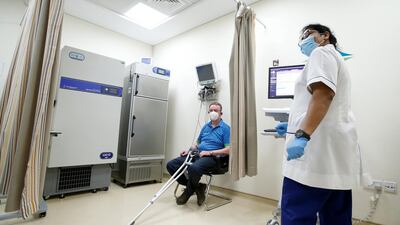
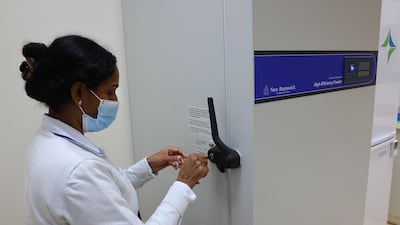
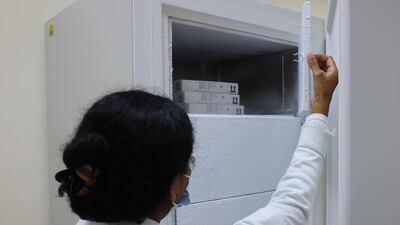
  • A nurse opens a freezer at Barsha Health Centre. The Pfizer-BioNTech vaccine must be kept at minus 70C when transported.
    A nurse opens a freezer at Barsha Health Centre. The Pfizer-BioNTech vaccine must be kept at minus 70C when transported.
  • A nurse opens a freezer at Barsha Health Centre. The Pfizer-BioNTech vaccine must be kept at minus 70C when transported.
    A nurse opens a freezer at Barsha Health Centre. The Pfizer-BioNTech vaccine must be kept at minus 70C when transported.
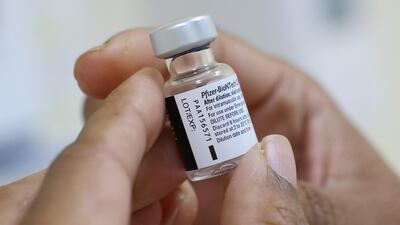
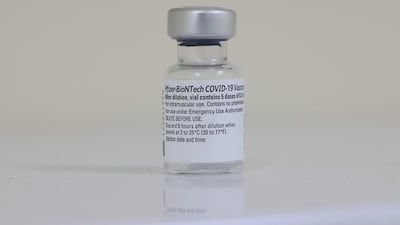
  • A vial of the vaccine is seen at Barsha Health Centre. AFP
    A vial of the vaccine is seen at Barsha Health Centre. AFP
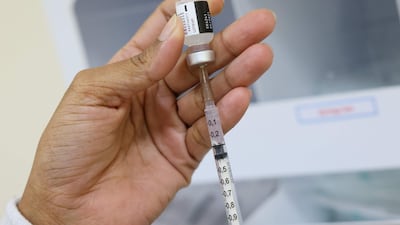
  • A nurse prepares a dose of the Pfizer-BioNTech vaccine at al-Barsha Health Centre in Dubai. AFP
    A nurse prepares a dose of the Pfizer-BioNTech vaccine at al-Barsha Health Centre in Dubai. AFP

This pandemic also accelerated an existing trend of providing healthcare where the patient is located, as patients increasingly used telemedicine to interact with clinicians for consultations and to monitor chronic diseases from the safety of their homes. It’s likely that these practices will continue as long as Covid-19 transmission risks remain and wearables medical devices become more widely used.

All in all, this could make a broader range of data accessible to healthcare providers and patients, which would be an improvement on the fragmented data sets scattered across various hospitals and facilities. The consolidation of data will help patients play a greater role in their own treatment plans while allowing care providers to plan more customised and effective treatments.

On a national level, regional data centres can compile these enormous sets of anonymised patient data from sophisticated electronic medical records for entire populations. Data on this scale will provide health authorities with a clearer picture of population health, allowing them to tailor healthcare policies and preventive programmes more effectively, leading to better overall health outcomes at significantly lower cost for the general population.

Healthcare providers will watch closely to see how these trends play out over 2021. While 2020 taught us that predicting the future may be a futile endeavour, what we can be sure of is that the pandemic has manifested itself in every part of our lives, exposing inefficiencies and systems that weren’t working before. Let’s hope that this provides an opportunity for healthcare providers to deliver even more successful care over the year ahead.

Dr Howard Podolsky is the group chief executive of Cambridge Medical and Rehabilitation Centre

Tips for newlyweds to better manage finances

All couples are unique and have to create a financial blueprint that is most suitable for their relationship, says Vijay Valecha, chief investment officer at Century Financial. He offers his top five tips for couples to better manage their finances.

Discuss your assets and debts: When married, it’s important to understand each other’s personal financial situation. It’s necessary to know upfront what each party brings to the table, as debts and assets affect spending habits and joint loan qualifications. Discussing all aspects of their finances as a couple prevents anyone from being blindsided later.

Decide on the financial/saving goals: Spouses should independently list their top goals and share their lists with one another to shape a joint plan. Writing down clear goals will help them determine how much to save each month, how much to put aside for short-term goals, and how they will reach their long-term financial goals.

Set a budget: A budget can keep the couple be mindful of their income and expenses. With a monthly budget, couples will know exactly how much they can spend in a category each month, how much they have to work with and what spending areas need to be evaluated.

Decide who manages what: When it comes to handling finances, it’s a good idea to decide who manages what. For example, one person might take on the day-to-day bills, while the other tackles long-term investments and retirement plans.

Money date nights: Talking about money should be a healthy, ongoing conversation and couples should not wait for something to go wrong. They should set time aside every month to talk about future financial decisions and see the progress they’ve made together towards accomplishing their goals.

Ferrari 12Cilindri specs

Engine: naturally aspirated 6.5-liter V12

Power: 819hp

Torque: 678Nm at 7,250rpm

Price: From Dh1,700,000

Available: Now

It

Director: Andres Muschietti

Starring: Bill Skarsgard, Jaeden Lieberher, Sophia Lillis, Chosen Jacobs, Jeremy Ray Taylor

Three stars

MATCH INFO

What: 2006 World Cup quarter-final
When: July 1
Where: Gelsenkirchen Stadium, Gelsenkirchen, Germany

Result:
England 0 Portugal 0
(Portugal win 3-1 on penalties)

If you go...

Etihad flies daily from Abu Dhabi to Zurich, with fares starting from Dh2,807 return. Frequent high speed trains between Zurich and Vienna make stops at St. Anton.

UAE currency: the story behind the money in your pockets
GAC GS8 Specs

Engine: 2.0-litre 4cyl turbo

Power: 248hp at 5,200rpm

Torque: 400Nm at 1,750-4,000rpm

Transmission: 8-speed auto

Fuel consumption: 9.1L/100km

On sale: Now

Price: From Dh149,900

What's in the deal?

Agreement aims to boost trade by £25.5bn a year in the long run, compared with a total of £42.6bn in 2024

India will slash levies on medical devices, machinery, cosmetics, soft drinks and lamb.

India will also cut automotive tariffs to 10% under a quota from over 100% currently.

Indian employees in the UK will receive three years exemption from social security payments

India expects 99% of exports to benefit from zero duty, raising opportunities for textiles, marine products, footwear and jewellery

The President's Cake

Director: Hasan Hadi

Starring: Baneen Ahmad Nayyef, Waheed Thabet Khreibat, Sajad Mohamad Qasem 

Rating: 4/5

Company%20profile
%3Cp%3E%3Cstrong%3ECompany%20name%3A%20%3C%2Fstrong%3EHakbah%0D%3Cbr%3E%3Cstrong%3EStarted%3A%20%3C%2Fstrong%3E2018%0D%3Cbr%3E%3Cstrong%3EFounder%3A%20%3C%2Fstrong%3ENaif%20AbuSaida%0D%3Cbr%3E%3Cstrong%3EBased%3A%20%3C%2Fstrong%3ESaudi%20Arabia%0D%3Cbr%3E%3Cstrong%3ESector%3A%20%3C%2Fstrong%3EFinTech%0D%3Cbr%3E%3Cstrong%3ECurrent%20number%20of%20staff%3A%20%3C%2Fstrong%3E22%20%0D%3Cbr%3E%3Cstrong%3EInitial%20investment%3A%20%3C%2Fstrong%3E%24200%2C000%0D%3Cbr%3E%3Cstrong%3EInvestment%20stage%3A%20%3C%2Fstrong%3Epre-Series%20A%0D%3Cbr%3E%3Cstrong%3EInvestors%3A%20%3C%2Fstrong%3EGlobal%20Ventures%20and%20Aditum%20Investment%20Management%0D%3Cbr%3E%3Cbr%3E%3C%2Fp%3E%0A
How%20champions%20are%20made
%3Cp%3E%0D%3Cstrong%3EDiet%3C%2Fstrong%3E%20%0D%3Cbr%3E7am%20-%20Protein%20shake%20with%20oats%20and%20fruits%0D%3Cbr%3E10am%20-%205-6%20egg%20whites%0D%3Cbr%3E1pm%20-%20White%20rice%20or%20chapati%20(Indian%20bread)%20with%20chicken%0D%3Cbr%3E4pm%20-%20Dry%20fruits%20%0D%3Cbr%3E7.30pm%20-%20Pre%20workout%20meal%20%E2%80%93%20grilled%20fish%20or%20chicken%20with%20veggies%20and%20fruits%0D%3Cbr%3E8.30pm%20to%20midnight%20workout%0D%3Cbr%3E12.30am%20%E2%80%93%20Protein%20shake%20%0D%3Cbr%3E%3Cstrong%3ETotal%20intake%3A%3C%2Fstrong%3E%204000-4500%20calories%20%0D%3Cbr%3E%3Cstrong%3ESaidu%E2%80%99s%20weight%3A%3C%2Fstrong%3E%20110%20kg%0D%3Cbr%3E%3Cstrong%3EStats%3A%3C%2Fstrong%3E%20Biceps%2019%20inches.%20Forearms%2018%20inches%3C%2Fp%3E%0A
Europe’s rearming plan
  • Suspend strict budget rules to allow member countries to step up defence spending
  • Create new "instrument" providing €150 billion of loans to member countries for defence investment
  • Use the existing EU budget to direct more funds towards defence-related investment
  • Engage the bloc's European Investment Bank to drop limits on lending to defence firms
  • Create a savings and investments union to help companies access capital
EA Sports FC 25