


Live updates: Follow the latest news on Israel-Gaza
The UK government has pledged £5 million (£6.7m) in aid for Unicef's work in Lebanon, Development Minister Anneliese Dodds said, after deadly air strikes and rocket fire that Israel and Hezbollah have exchanged since the start of the week.
The aid will go towards medical supplies, hygiene kits, fuel for water stations, and emergency teams working in health and nutrition, the the Foreign, Commonwealth and Development Office said.
The government also confirmed that Royal Air Force aircraft and helicopters are on standby, with a UK presence at RAF Akrotiri near Limassol in Cyprus, and in the eastern Mediterranean with two ships – the RFA Mounts Bay and HMS Duncan.
Israel and Lebanon cross-border strikes - in pictures
-
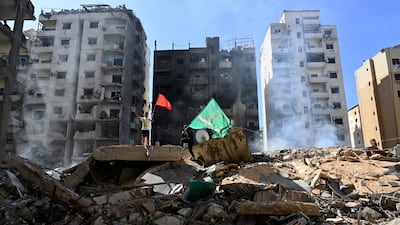
Damage in Beirut after an overnight Israeli strike. EPA -
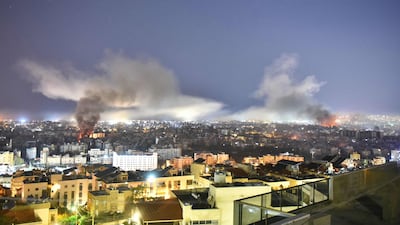
Smoke rises from the site of an Israeli strike in the south of Lebanon's capital. AFP -
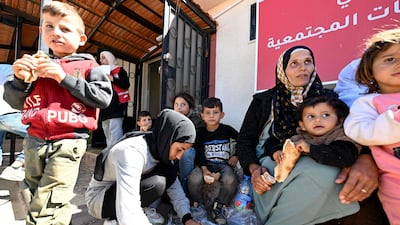
Displaced Syrians and Lebanese enter Syria from Lebanon at the Jusiyah border crossing. AFP -

The site of the Israeli air strike that killed Hezbollah leader Hassan Nasrallah, in Beirut. AP -
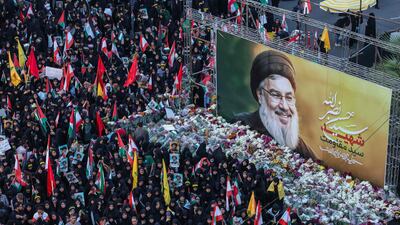
Iranians lay flowers before a portrait of Nasrallah. AFP -

Smoke billows over Tyre, southern Lebanon following an Israeli strike. Reuters -
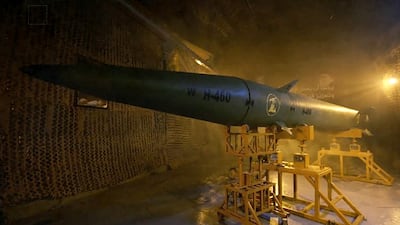
A Qader 1 ballistic missile from Hezbollah's arsenal. AFP -
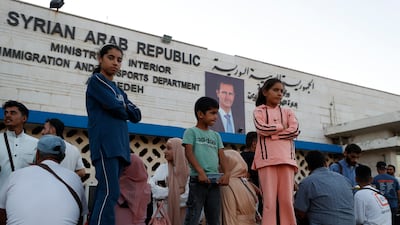
Syrians fleeing the war in Lebanon arrive at the Syrian-Lebanese border crossing in Jdeidet Yabous. AP -
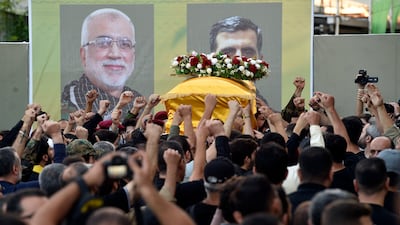
Hezbollah fighters carry the coffin of Hezbollah commander Ibrahim Qubaisi during his funeral in Beirut. EPA -
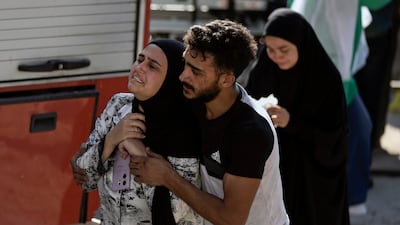
People react at the scene of an Israeli air strike in the town of Maisara, north of Beirut. AP -
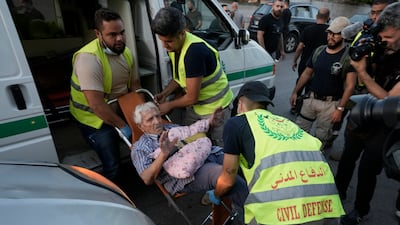
Civil defence workers carry an elderly man who fled from the south of Lebanon, as he arrives at a school turned into a displaced shelter in Beirut. AP -
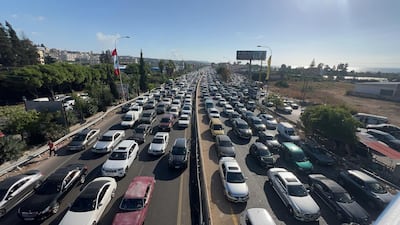
A traffic jam in Ghazieh as people fleeing from the south of Lebanon drive towards Sidon and Beirut. EPA -
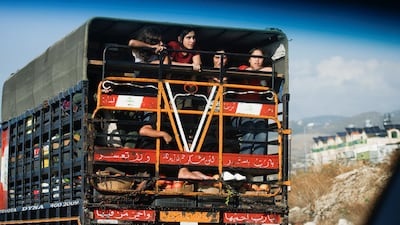
People in heavy traffic drive north from Lebanon's southern coastal city of Sidon, as they flee Israeli bombardment. Reuters -
Smoke billows over southern Lebanon following Israeli strikes, as seen from Tyre. Reuters -
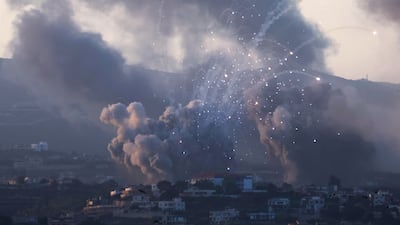
Smoke billows over southern Lebanon following Israeli strikes, as seen from Tyre. Reuters -
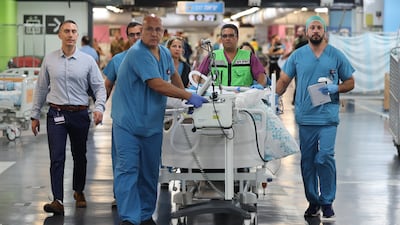
Medics move patients at Rambam Hospital's underground emergency centre, in Haifa, northern Israel. EPA -
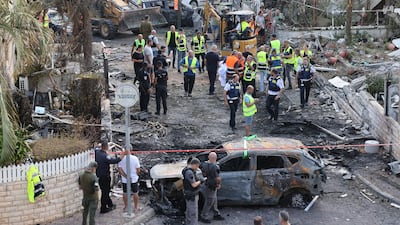
Israeli emergency teams work at the scene of a missile strike on a residential neighbourhood in Kiryat Bialik, northern Israel. EPA -
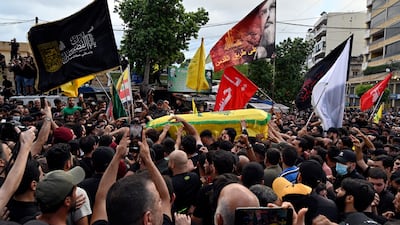
Hezbollah fighters carry the coffin of the group's senior commander Ibrahim Aqil, who was killed in an Israeli strike on September 20, in Beirut. EPA -
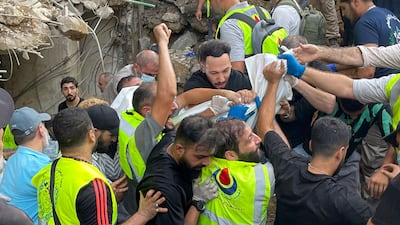
Rescuers carry a body at the scene of a missile strike in the southern suburbs of Beirut. AP


Border Force and Foreign Office officials, and 700 troops, were sent to Cyprus on Tuesday.
“The situation in Lebanon is deeply concerning,” Ms Dodds said.
She said her department has reopened its “register your presence” portal, which British nationals in Lebanon can fill in to notify the UK government of their whereabouts.
“While we continue to urge British nationals to leave and have launched our ‘register your presence portal’ to aid their departure, the UK will always be a strong supporter of the Lebanese people," Ms Dodds said.
“That is why we are providing £5 million to Unicef to support civilians who have been displaced and are facing a humanitarian emergency.
“We need to see an immediate ceasefire from both sides to prevent further civilian casualties and ensure that displaced people can return to their homes.”
The UK government has estimated that between 4,000 and 6,000 British nationals remain in Lebanon.
“I call on the Security Council to seek political solutions that can break repeating cycles of violence like that in the Middle East. The region is at the brink," British Prime Minister Keir Starmer told the UN body in New York on Wednesday.
“We need an immediate ceasefire between Israel and Lebanese Hezbollah and the implementation of a political plan which allows Israeli and Lebanese civilians to return to their homes to live in peace and security. That security will come through diplomacy – not escalation. There is no military solution here.”
Mr Starmer earlier told the BBC: “We need the situation to de-escalate but I say to British nationals, ‘Don’t wait, leave now’. We are ramping up the contingency plans for an evacuation as you would expect but my message is, ‘Don’t wait for that’.
“There are commercial flights still coming out. It is important to leave and to leave now.”

