
Ramadan, the holiest month in the Islamic calendar, will begin in the third week of February. Across the world, Muslims will begin fasting from sunrise (fajr) to sunset (maghrib) for 29-30 days.
The exact date Ramadan begins in each country varies depending on whether or not the new crescent Moon has been sighted.
In the UAE, a moon-sighting committee will convene after the sun sets on the 29th day of Shaban, the month preceding Ramadan, which correlates with February 17 on the Gregorian calendar. If the new Moon is sighted, Ramadan will begin on February 18. If not, it will begin the day after.

An official at the Emirates Astronomical Society forecast Ramadan would begin in the UAE on Thursday, February 19.
Muslim holidays and observations fall earlier with every passing year as the Islamic (or Hijri) calendar - based on lunar cycles - is 10-12 days shorter than the Gregorian calendar year.
Dubai mosques light up for Ramadan - in pictures
-
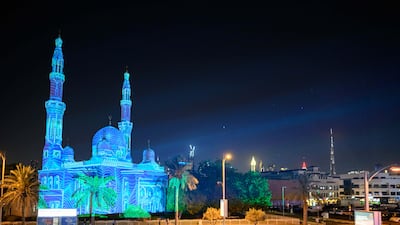
Jumeirah Grand Mosque is one of four Dubai mosques that are being illuminated with light projections throughout Ramadan. All photos: Dubai Media Office -
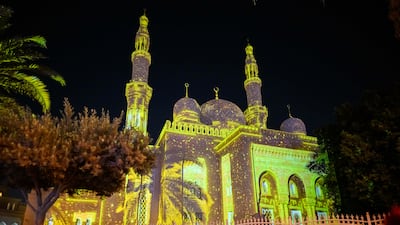
The illuminations are a highlight of 2025’s #RamadanInDubai campaign -
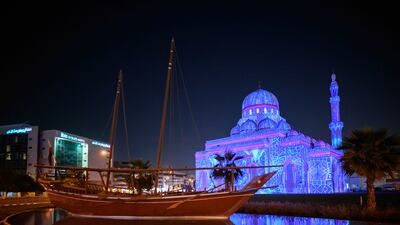
Sheikh Rashid Bin Mohammed Mosque, as well as Jumeirah Grand Mosque, Al Khawaneej Mosque and Zabeel Grand Mosque are illuminated -
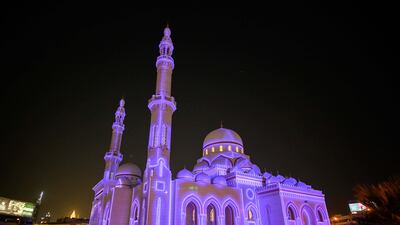
The entire mosque buildings, including their minarets and domes, are lit up with intricate designs -
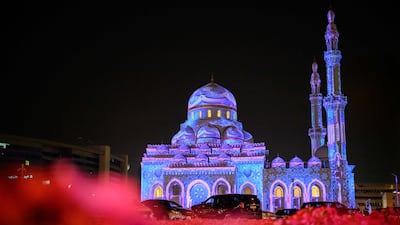
The spectacular lighting effects also extend to the mosque floors -
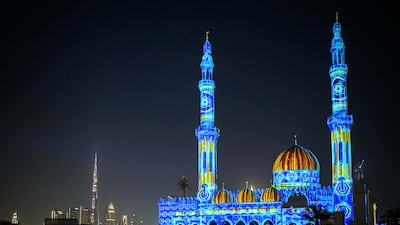
The initiative is part of a new project titled Anwaar Dubai by Brand Dubai, the creative arm of the Government of Dubai Media Office -
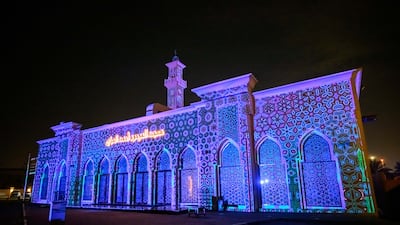
The light projections at Al Khawaneej Mosque


This year, Muslims in the UAE can expect to fast between 12 hours and 45 minutes at the beginning of Ramadan to 13 hours and 30 minutes by the end of it, as daylight hours lengthen over the course of the month.
Each day, fasting must begin 10-15 or so minutes before fajr prayers are called - at a time called imsak (meaning to abstain or refrain). The fast is broken at maghrib, once the call to prayer is heard.
What is Ramadan?
The month of Ramadan is when able Muslims fast from food, drink and oral medicine from sunrise (fajr) to sunset (maghrib). Once the Sun sets, Muslims break their fast with a meal called iftar.
Considered the holiest month in the Islamic – or Hijri – calendar, Ramadan is believed to be when the Quran was revealed to the Prophet Mohammed. It is a time when Muslims strengthen their faith through prayer, recitation of the holy book and charitable acts.

