


Motorists have been urged to exercise caution and be respectful on the UAE’s roads after the first Monday of Ramadan.
The holy month began on Saturday and motorists have now returned for the regular weekday commute.
The day can be challenging, as Ramadan means people adjust to a new schedule, some school runs change and people tackle the commute while fasting.
“It was busier everywhere,” said Tolga Sayman, a German resident who has lived in the UAE on and off for 15 years. “The drive from Jebel Ali to Al Quoz at 8am usually takes 30 minutes but today it took an hour,” said Mr Sayman, who is fasting. "I saw two accidents.”
Mr Sayman said some drivers may not have been in a good mood because they were fasting but, for him, this doesn’t change anything. “The point is to maintain your composure," he said.
Residents have been increasingly forced to deal with busier roads as the economy booms and people pour into the country. Official figures from the Ministry of Interior showed traffic accidents in the UAE increased by 8 per cent last year, with 4,748 recorded across the country, compared to 4,391 in 2023.
But Thomas Edelmann, founder and managing director of campaign group Road Safety UAE, said ministry statistics showed it was a bit of an “urban myth” that road deaths and accidents surged during the holy month. “There is no spike,” he said.

Other statistics shared by Road Safety UAE based on insurance claims during previous Ramadans indicate that of the accidents that do take place during the holy month, more than 50 per cent are the fault of a third party and in 36 per cent of case the fault was shared. Mr Edelmann said this showed the importance of watching how other motorists interact with you and of being aware of their limitations.
Most accidents (35 per cent) take place shortly before iftar, followed by the late morning rush hour from 9am to noon (21 per cent). Wednesdays are the most dangerous weekdays, while weekends are the safest on the roads.
The statistics indicate drivers aged 30 to 39 followed by those aged 40 to 49 that were responsible for most accidents during Ramadan. During the rest of the year it is younger drivers.
Fasting can result in dehydration and low blood sugar levels, which can diminish concentration. Later nights and unusual sleeping patterns can also affect driving.
“Younger people have the ability to [adapt] to the change in lifestyle easier,” said Mr Edelmann. “It is not just about fasting but eating more around iftar, longer nights and getting up early to eat. The older we are, the more difficult it is to cope with this change of lifestyle. People get behind wheel and fatigue kicks in. There is a feeling of discomfort.”
Ismaeel, a South African resident in Dubai, starts his commute later during the holy month. He drives from near the Saudi German Hospital in Al Barsha to Umm Suqeim.
Usually it takes him 20 minutes but on Monday it was only 10. But he left at 10.45am rather than the usual 8.30am start. “The roads felt more quiet," he said. "In terms of driving, it is the same. For me it is just another day.”
Road Safety UAE has published a guide for driving during Ramadan, detailed below, but Mr Edelmann advised those not fasting to avoid the road during peak times if possible.
"It is a special month for a reason," he said. "It is a time of being together and it would be wonderful if we celebrated that on the roads."
How to drive during Ramadan
- Be aware of your own limitations
- Watch out for other traffic participants
- Expect the unexpected
- Start your trip early, considering possible delays
- You can run a little bit late
- Watch out during pre-iftar time
- Watch out in the late morning rush-hour
- Stay off the roads in these two key accident periods, if possible
- Avoid fatigue and get enough sleep
- Pull over immediately when you are becoming drowsy
- Use public transport or taxis
- Always wear your seat belt – Ramadan is a good time to start this habit
- Don’t drive distracted
- Be respectful to others and don’t swerve – use your indicator
- Maintain the safety distance – no tailgating
First day of Ramadan around the world - in pictures
-
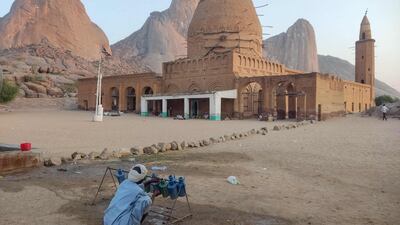
Men gather for iftar in Sudan's eastern city of Kassala on the first day of Ramadan. AFP -
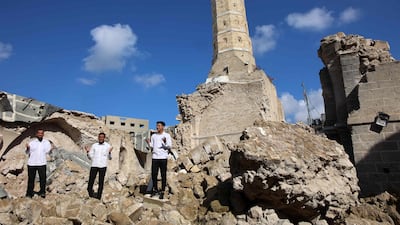
Muslims pray amid the rubble and ruins in a destroyed part of Gaza city's historic Omari Mosque on the first day of Ramadan. AFP -
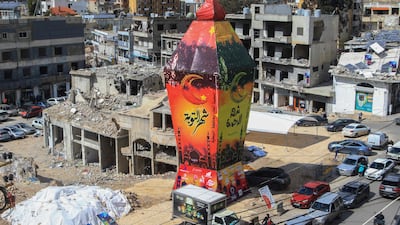
Cars drive past a giant lantern in the main square of the southern Lebanese city of Nabatieh, on the first day of Ramadan. AFP -
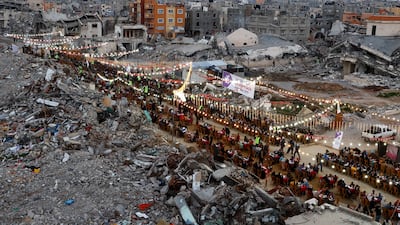
Palestinians break their fast near the rubble of buildings, amid a ceasefire between Israel and Hamas, in Rafah, in the southern Gaza Strip. Reuters -
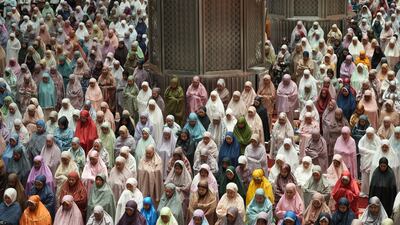
Indonesian Muslims during taraweeh prayer at Istiqlal Mosque in Jakarta, Indonesia. AP -

The first iftar cannon of Ramadan 2025 fired by Dubai Police at Expo City. Antonie Robertson/The National -
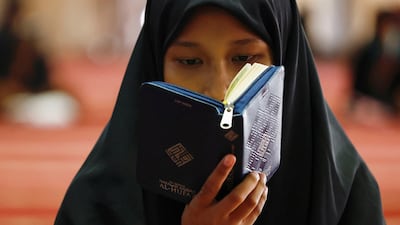
A woman recites the Quran at the Grand Mosque of Istiqlal in Jakarta, Indonesia. Reuters -

Worshippers attend Friday prayers ahead of the beginning of Ramadan at London Islamic Cultural Society mosque in London. Reuters -

People take part in a Ramadan parade on Fifth Avenue in the Brooklyn borough in New York City. AFP -
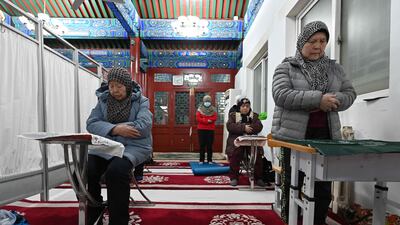
Muslims offer prayers to mark the start of Ramadan at Fayuan mosque in Beijing. AFP -

Malaysia's Islamic Authority's officers stand in silhouettes as they perform 'rukyah', the sighting of the new moon, which signals the start of Ramadan, in Putrajaya, Malaysia. Reuters -

Kyrgyz Muslim worshippers pray inside the Abdulkarim Satuq Bughra Khan Mosque in Bishkek. AFP -

Palestinians hold a collective suhoor meal in Khan Younis, southern Gaza Strip. AP -
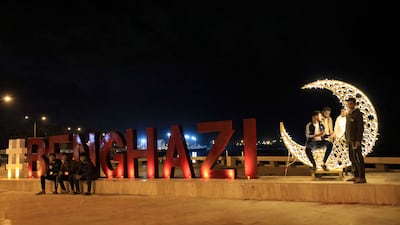
People gather along the decorated seaside corniche in Libya's second-largest city of Benghazi. AFP -

Worshippers perform a night prayer called 'Tarawih' at the Hagia Sophia mosque in Istanbul, Turkey. AP -
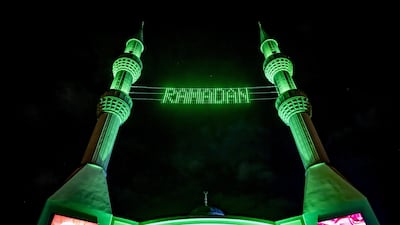
The Mevlana mosque in Rotterdam, the Netherlands. EPA



