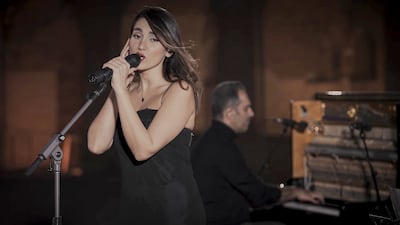
Iran's flogging of singer Parastoo Ahmadi and four members of her production team has reignited debate over social freedoms in the country, with analysts and insiders saying the punishment reflects the clerical leadership's attempts to project authority amid mounting economic and political pressure.
Ms Ahmadi, 29, and her team each received 74 lashes on Monday over a livestreamed concert in which she appeared without a headscarf and with her shoulders uncovered while performing alongside male musicians, in defiance of Iran's strict dress and conduct codes.
The punishment, carried out two years after footage of the performance near the holy city of Qom first appeared online, shocked many Iranians who had grown accustomed to a more relaxed enforcement of morality laws following nationwide protests that erupted in 2022.
"I think the authorities are sending a message of fear through the flogging," said London-based Iranian singer Saba Robatjazy, who performs under the stage name Emma and sang with Ms Ahmadi as a child.
Iran's leadership is facing growing economic hardship exacerbated by months of conflict and lingering public discontent following anti-government demonstrations that challenged clerical rule.
Several Iranian officials and establishment insiders told Reuters the punishment was intended to deter dissent and reassure hardline supporters who are increasingly alarmed by declining compliance with compulsory veiling and other social restrictions.
The Iranian government maintains that the judiciary operates independently and that such punishments are not politically motivated.
Analysts say concern is rising within the ruling establishment ahead of the anniversary of last winter's mass protests over the economy. There are fears that economic grievances could once again trigger unrest.
"They know it's going to be a hard winter," Alex Vatanka of the Middle East Institute told Reuters. "They do worry about public protests and they sometimes take decisions like this one just to flex muscle."
Since the death in custody of Mahsa Amini in 2022 sparked months of demonstrations, many Iranian women have openly defied mandatory hijab rules, in one of the most visible challenges to the regime's authority since the 1979 revolution.
While President Masoud Pezeshkian has urged caution in dealing with social and cultural issues, conservative politicians have pressed for tougher enforcement of morality laws and have accused authorities of allowing public standards to erode.
Some insiders said Ahmadi's punishment could be an attempt to appease hardliners without resorting to a broader nationwide crackdown that could provoke a public backlash.
The episode has highlighted a widening gap between the demands of Iran's conservative base and the aspirations of many younger Iranians, particularly women, for greater personal freedoms.
"I think that the punishment that they gave Parastoo and her band members is only bringing up more anger from people," Ms Robatjazy said.
For hardliners, insiders said, failing to punish such an open challenge to compulsory veiling would risk signalling retreat on one of the ideological foundations of the regime.
"The regime has made a clear and concerted effort to continue to police the way women express themselves in public and the way that they move about their daily lives," said Skylar Thompson, deputy director of the Human Rights Activists News Agency.
But critics argue that punishments such as Ahmadi's may only deepen public resentment at a time when many Iranians are already struggling with war, economic uncertainty and growing frustration with the country's restrictions.

