• A Syrian refugee man walks on the main market street in Al Zaatari refugee camp in the Jordanian city of Mafraq, near the border with Syria on July 30, 2018. Muhammad Hamed / Reuters
    A Syrian refugee man walks on the main market street in Al Zaatari refugee camp in the Jordanian city of Mafraq, near the border with Syria on July 30, 2018. Muhammad Hamed / Reuters
  • Syrian refugees prepare to return to their homelands of Jarablus, Damascus, Aleppo, A'zaz, Al Bab and Afrin in Syria. Here they are seen loading their belongings onto buses and waiting to depart from Esenyurt Municipality garden in Istanbul, Turkey, on November 9, 2019. Emrah Gurel for The National
    Syrian refugees prepare to return to their homelands of Jarablus, Damascus, Aleppo, A'zaz, Al Bab and Afrin in Syria. Here they are seen loading their belongings onto buses and waiting to depart from Esenyurt Municipality garden in Istanbul, Turkey, on November 9, 2019. Emrah Gurel for The National
  • Syrian refugee students take part in a washing hands activity during an awareness campaign about coronavirus on March 11, 2020. Reuters
    Syrian refugee students take part in a washing hands activity during an awareness campaign about coronavirus on March 11, 2020. Reuters
  • The Zaatari camp in Marfaq, south of the Syrian border, became Jordan’s first official camp for Syrian refugees fleeing violence in their country. In the photo: Aya stands with her neighbours in Zaatari camp in Jordan. She is one of 60,000 children in Zaatari camp. WFP
    The Zaatari camp in Marfaq, south of the Syrian border, became Jordan’s first official camp for Syrian refugees fleeing violence in their country. In the photo: Aya stands with her neighbours in Zaatari camp in Jordan. She is one of 60,000 children in Zaatari camp. WFP
  • Millions of Syrians have been forced to flee their country since the war began in 2011. AFP
    Millions of Syrians have been forced to flee their country since the war began in 2011. AFP
  • Refugee children at a refugee camp in Lebanon watch a magic show in Syria. Courtesy Magic for Smiles
    Refugee children at a refugee camp in Lebanon watch a magic show in Syria. Courtesy Magic for Smiles
  • A boy roller skates at Seven Hills Skate Park in Downtown Amman, Jordan, on September 22, 2020. The Seven Hills is a Jordanian non-profit organisation that uses skateboarding as a tool to encourage social cohesion, youth leadership and gender equality. Andre Pain / EPA
    A boy roller skates at Seven Hills Skate Park in Downtown Amman, Jordan, on September 22, 2020. The Seven Hills is a Jordanian non-profit organisation that uses skateboarding as a tool to encourage social cohesion, youth leadership and gender equality. Andre Pain / EPA
  • Girls enjoy skateboarding at Seven Hills Skate Park in Downtown Amman, Jordan, on September 22, 2020. The Seven Hills is a Jordanian non-profit organisation that uses skateboarding as a tool to encourage social cohesion, youth leadership and gender equality.
    Girls enjoy skateboarding at Seven Hills Skate Park in Downtown Amman, Jordan, on September 22, 2020. The Seven Hills is a Jordanian non-profit organisation that uses skateboarding as a tool to encourage social cohesion, youth leadership and gender equality.
  • The family of Ali Kinno pose for a photograph at a temporary apartment in the coastal town of Jiyeh, south of Beirut, Lebanon, on September 15, 2020. The Kinno family from Syria's Aleppo region was devastated in the wake of the August 4 explosion at the Beirut port, their tragic story reflects the particular pain of Syrian refugee families in Lebanon, which is now home to about a million Syrians. Hassan Ammar / AP
    The family of Ali Kinno pose for a photograph at a temporary apartment in the coastal town of Jiyeh, south of Beirut, Lebanon, on September 15, 2020. The Kinno family from Syria's Aleppo region was devastated in the wake of the August 4 explosion at the Beirut port, their tragic story reflects the particular pain of Syrian refugee families in Lebanon, which is now home to about a million Syrians. Hassan Ammar / AP

Mental Health Day: war and Covid-19 strain leave many in Middle East suffering in silence


Nick Webster
  • English
  • Arabic

Prolonged conflicts and the coronavirus pandemic have left mental-health services in the Middle East in crisis, with Lebanon and Syria worst hit.

Doctors Without Borders said twothirds of people seeking mental health support had symptoms of anxiety and depression.

Two months after a massive explosion ripped through Beirut port, demand has significantly increased.

“Although by now many people have had their physical wounds treated and have secured their basic needs for housing, electricity and water, many still cry at night or are startled by the slightest sound,” said MSF psychologist Sara Tannoury.

More than half those asking for help said the blast on August 4 was responsible for their condition.

What people are going through today is a normal reaction to abnormal events

Of those with existing mental illness, 82 per cent said their symptoms worsened after the blast and resulting political and social unrest.

Symptoms cited by MSF’s patients included panic attacks, insomnia, loss of appetite, forgetfulness, lack of focus, loss of interest and negative thoughts.

Data was taken from 98 patients, of which 17 were children, who required medical attention between August 14 and September 30.

As hospitals that escaped serious damage were rapidly overwhelmed, the wounded were forced to take long journeys to seek medical help, often passing devastating scenes of the blast’s aftermath.

That experience scarred many who are now struggling to come to terms with the aftermath.

A 70-year-old woman who lost sight in both eyes after she was hit by debris from the explosion told medics she wished she had not survived.

“She keeps saying that it should have been her dying in the blast, instead of the young men and women who lost their lives,” Ms Tannoury said.

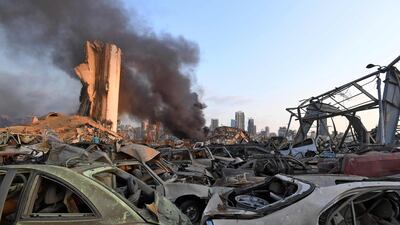
  • Damaged cars are pictured in front of billowing smoke behind the grain silos at the port of Beirut. AFP
    Damaged cars are pictured in front of billowing smoke behind the grain silos at the port of Beirut. AFP
  • A drone picture shows smoke from the scene of an explosion at the seaport of Beirut. AP Photo
    A drone picture shows smoke from the scene of an explosion at the seaport of Beirut. AP Photo
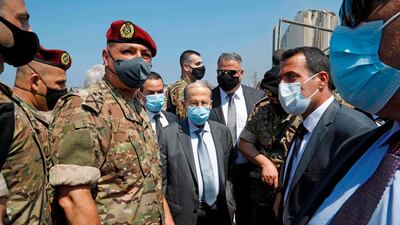
  • Lebanon's President Michel Aoun wears a protective face mask as he visits the scene of Tuesday's explosion in Beirut. AFP
    Lebanon's President Michel Aoun wears a protective face mask as he visits the scene of Tuesday's explosion in Beirut. AFP
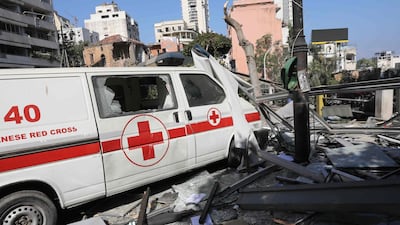
  • An emergency command vehicle of the Lebanese Red Cross is pictured in the aftermath of yesterday's blast. AFP
    An emergency command vehicle of the Lebanese Red Cross is pictured in the aftermath of yesterday's blast. AFP
  • A man inspects the damage of yesterday's blast. AFP
    A man inspects the damage of yesterday's blast. AFP
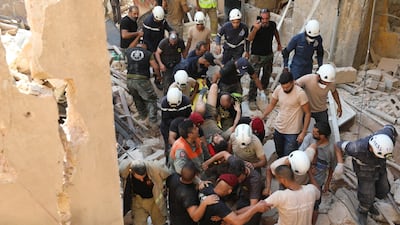
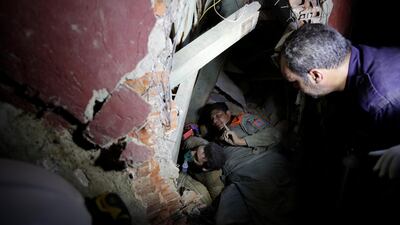
  • A survivor is taken out of the rubble after a massive explosion in Beirut. AP Photo
    A survivor is taken out of the rubble after a massive explosion in Beirut. AP Photo
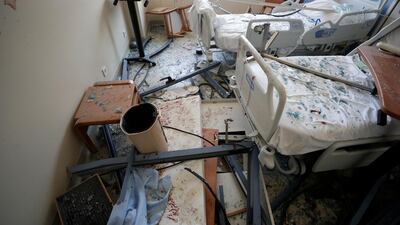
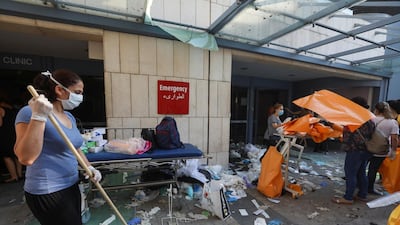
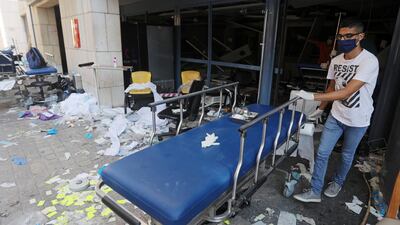
  • A damaged hospital is seen after a massive explosion in Beirut. AP Photo
    A damaged hospital is seen after a massive explosion in Beirut. AP Photo
  • Lebanese soldiers search for survivors after a massive explosion in Beirut.AP Photo
    Lebanese soldiers search for survivors after a massive explosion in Beirut.AP Photo
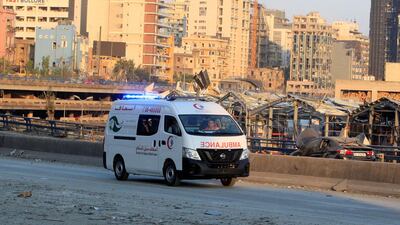
  • An ambulance drives near the site of Tuesday's blast in Beirut's port area. Reuters
    An ambulance drives near the site of Tuesday's blast in Beirut's port area. Reuters
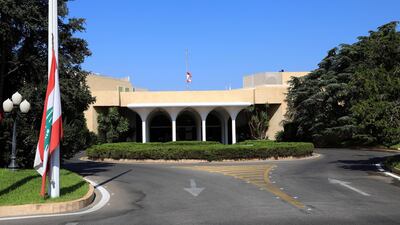
  • Lebanese national flags fly at half-mast outside the presidential palace in Baabda, following Tuesday's blast in Beirut's port area. Reuters
    Lebanese national flags fly at half-mast outside the presidential palace in Baabda, following Tuesday's blast in Beirut's port area. Reuters
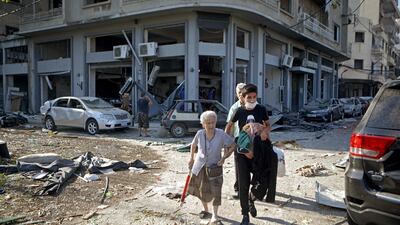
  • A woman is evacuated from the partially destroyed Beirut neighbourhood of Mar Mikhael. AFP
    A woman is evacuated from the partially destroyed Beirut neighbourhood of Mar Mikhael. AFP
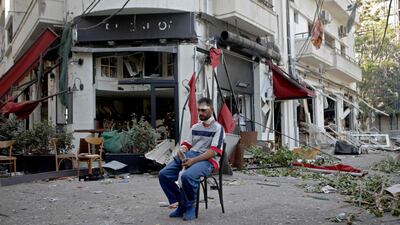
  • An injured man sits next to a restaurant in the trendy partially destroyed Beirut neighbourhood of Mar Mikhael. AFP
    An injured man sits next to a restaurant in the trendy partially destroyed Beirut neighbourhood of Mar Mikhael. AFP
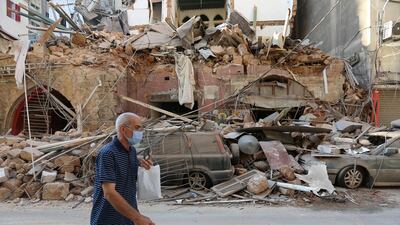
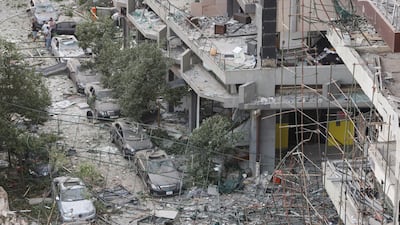
  • A man walks past damaged building and vehicles near the site of Tuesday's blast in Beirut's port area. Reuters
    A man walks past damaged building and vehicles near the site of Tuesday's blast in Beirut's port area. Reuters
  • A man wearing a protective face mask walks past damaged buildings and vehicles near the site of Tuesday's blast in Beirut's port area. Reuters
    A man wearing a protective face mask walks past damaged buildings and vehicles near the site of Tuesday's blast in Beirut's port area. Reuters
  • A woman sweeps at a damaged hospital following Tuesday's blast, in Beirut. Reuters
    A woman sweeps at a damaged hospital following Tuesday's blast, in Beirut. Reuters
  • A man wearing a face mask moves a gurney at a damaged hospital following Tuesday's blast in Beirut. Reuters
    A man wearing a face mask moves a gurney at a damaged hospital following Tuesday's blast in Beirut. Reuters
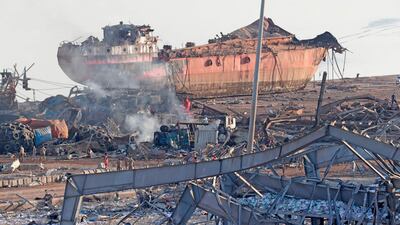
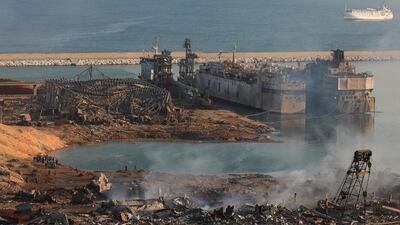
  • The wreckage of a ship is seen following yesterday's blast at the port of Lebanon's capital Beirut. AFP
    The wreckage of a ship is seen following yesterday's blast at the port of Lebanon's capital Beirut. AFP
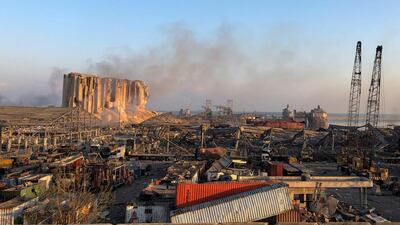
  • A view shows the aftermath at the site of Tuesday's blast in Beirut's port area. Reuters
    A view shows the aftermath at the site of Tuesday's blast in Beirut's port area. Reuters
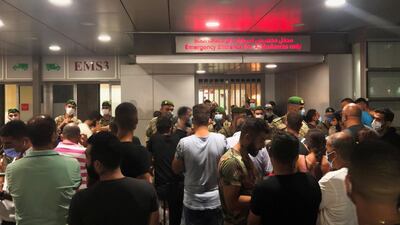
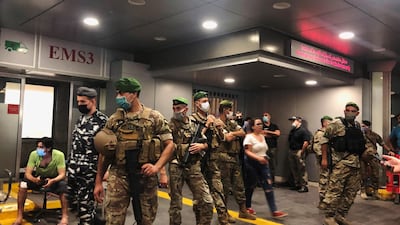
  • Lebanese soldiers and people gather outside American University of Beirut medical centre following the explosion in Beirut. Reuters
    Lebanese soldiers and people gather outside American University of Beirut medical centre following the explosion in Beirut. Reuters
  • An injured man sits outside American University of Beirut medical centre following an explosion in Beirut. Reuters
    An injured man sits outside American University of Beirut medical centre following an explosion in Beirut. Reuters
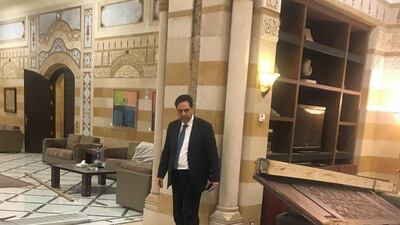
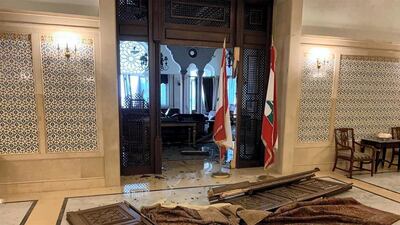
  • The explosion caused damage to Lebanon's PM Hassan Diab's office
    The explosion caused damage to Lebanon's PM Hassan Diab's office
  • The damage at Lebanon's PM Hassan Diab's office following the blast.
    The damage at Lebanon's PM Hassan Diab's office following the blast.
  • Pictures of the damage at Lebanon's PM Hassan Diab's office
    Pictures of the damage at Lebanon's PM Hassan Diab's office
  • People gather outside American University of Beirut medical centre following the explosion in Beirut. Reuters
    People gather outside American University of Beirut medical centre following the explosion in Beirut. Reuters
  • Lebanese soldiers stand outside American University of Beirut medical centre following the explosion in Beirut. Reuters
    Lebanese soldiers stand outside American University of Beirut medical centre following the explosion in Beirut. Reuters
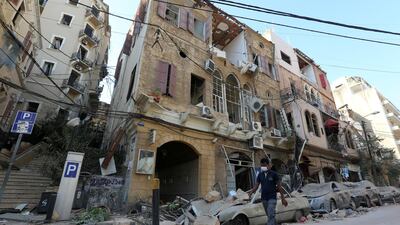
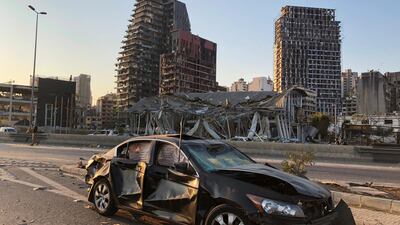
  • Damaged vehicle and buildings near the scene of Tuesday's blast in Beirut's port area. Reuters
    Damaged vehicle and buildings near the scene of Tuesday's blast in Beirut's port area. Reuters
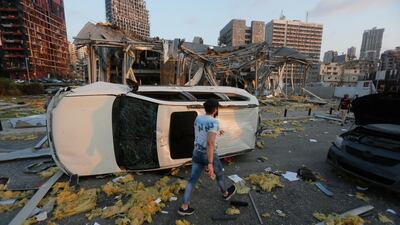
  • A man walks by an overturned car and destroyed buildings. Getty Images
    A man walks by an overturned car and destroyed buildings. Getty Images
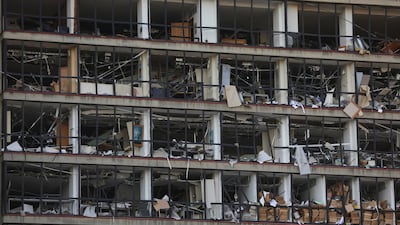
  • A view shows the damaged facade of a building following Tuesday's blast in Beirut's port area. Reuters
    A view shows the damaged facade of a building following Tuesday's blast in Beirut's port area. Reuters
  • A view shows the aftermath of yesterday's blast at the port of Beirut. AFP
    A view shows the aftermath of yesterday's blast at the port of Beirut. AFP
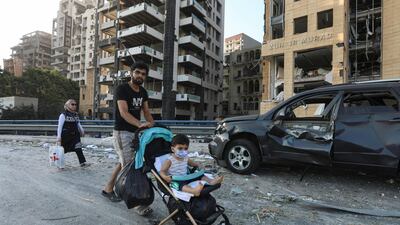
  • A man pushes a buggy with a child on Wednesday past a damaged vehicle near the scene of overnight blast in Beirut's port area. Reuters
    A man pushes a buggy with a child on Wednesday past a damaged vehicle near the scene of overnight blast in Beirut's port area. Reuters
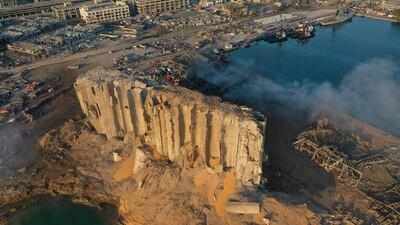
  • In this drone picture, the destroyed silo sits in rubble and debris. AP Photo
    In this drone picture, the destroyed silo sits in rubble and debris. AP Photo
  • People inspect the damage near the scene of Tuesday's blast in Beirut's port area. Reuters
    People inspect the damage near the scene of Tuesday's blast in Beirut's port area. Reuters
  • People inspect the scene of Tuesday's blast in Beirut's port area. Reuters
    People inspect the scene of Tuesday's blast in Beirut's port area. Reuters
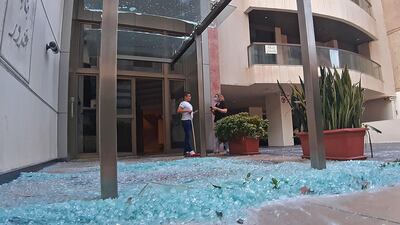
  • Shattered glass lies in front of a building following a blast in the Lebanese capital Beirut. AFP
    Shattered glass lies in front of a building following a blast in the Lebanese capital Beirut. AFP
  • Lebanese army troops carry a wounded man evacuated from a ship at Beirut's port. AFP
    Lebanese army troops carry a wounded man evacuated from a ship at Beirut's port. AFP
  • This picture shows damage at Beirut-Rafic Hariri International Airport. Courtesy Lebanese Plane Spotters / Facebook
    This picture shows damage at Beirut-Rafic Hariri International Airport. Courtesy Lebanese Plane Spotters / Facebook

“Some children are now bearing responsibilities beyond their age.

“One young boy had to call his father to come and rescue his mother who was trapped under a fallen wall.

“In the past in Beirut, society and communal networks – family, friends, neighbours – would have normally been the first point of informal support for a troubled person.

“Today, these networks are all equally impacted and people are turning to mental-health specialists.

“What people are going through today is a normal reaction to abnormal events.”

To help cover the gaps in mental-health services in Lebanon, MSF is in discussions with the Lebanon National Mental Health Programme – which is part of the Ministry of Public Health – with the aim of integrating its support within their national plan.

It aims to ensure a long-term strategy that meets the increase in needs.

“The blast in itself is a traumatic incident that generates its own short-term acute psychological consequences,” Ms Tannoury said.

Jordan, Zaatari Refugee Camp, June 2013 On 29 July, the Zaatari camp in Marfaq, south of the Syrian border, became Jordan’s first official camp for Syrian refugees fleeing violence in their country. As Jordan continues to receive tens of thousands of Syrians, opening this camp had become necessary to accommodate terrified families. On World Refugee Day, WFP PI Officer Dina El-Kassaby walked around the camp and spoke with refugees about their expectations and hopes for the future. In the photo: Aya stands with her neighbours in Zaatari camp in Jordan. She is one of 60,000 children in Zaatari camp who miss something from home. Aya tells a WFP staffer that her mother promised her she could return home to Syria as soon as possible to collect her teddy bears and bring them back to Jordan where they can sleep with her in her tent in Zaatari camp. Photo: WFP/Dina El-Kassaby

“But if these are left untreated, these could erode people’s psychological well-being in the long term.

“We need to look at mental health as an integral part of a person’s well-being."

Meanwhile in Syria, years of conflict have severely weakened the health sector to the point of collapse in some regions.

Vital services are either completely unavailable or functioning at only 50 per cent.

A shortage of qualified mental-health professionals, impaired access because of safety and security reasons and the loss of many health services left the most vulnerable with nowhere to turn for support.

Before the civil war broke out in 2011, access to psychological and psychiatric help was already rare.

It is estimated there are only 50 psychiatrists in Syria to service the whole population, after 50 fled the country because of the conflict.

As a result, a significant number of Syrians suffering from mental health conditions remain undiagnosed and untreated, said the International Committee of the Red Cross.

Read More

Since 2018, the ICRC has tried to rebuild capacity in the country to treat a problem only worsening as a result of the Covid-19 pandemic.

Until August, 120 patients benefited from a psychological and mental services programme for patients with physical disabilities in the ICRC Physical Rehabilitation Centre in Aleppo.

Isolation and travel restrictions brought on by the pandemic revived terrifying memories of war for some.

Nazha El Hallaq, a Syrian refugee who works in a hairdressing salon in Aarsal in Lebanon, is among those who suffer flashbacks of conflict.

"When self-isolation started, we found ourselves in the house not being able to move around," she told a Red Cross researcher before World Mental Health Day.

“It reminded me of a time when we were in Syria and we had to stay home because of the shelling and bombing.”

Last year, the ICRC provided specialised mental-health care and psychological and psychosocial support to 23,829 people, including 2,840 children.

It also supported 6,964 professionals or community members through training.

In the ICRC's latest survey, more than half (51 per cent) of respondents said the Covid-19 pandemic had harmed their mental well-being.

Nearly three in four (73 per cent) said front-line health workers and first responders have more need for mental-health support than the average person.

"The Covid-19 health crisis has exacerbated the psychological distress of millions of people already living through conflicts and disasters,” said Robert Mardini, the ICRC's director general.

“Lockdown restrictions, a loss of social interaction, and economic pressures are all impacting people's mental health and access to care.”


What to watch out for:

Algae, waste coffee grounds and orange peels will be used in the pavilion's walls and gangways

The hulls of three ships will be used for the roof

The hulls will painted to make the largest Italian tricolour in the country’s history

Several pillars more than 20 metres high will support the structure

Roughly 15 tonnes of steel will be used

Ruwais timeline

1971 Abu Dhabi National Oil Company established

1980 Ruwais Housing Complex built, located 10 kilometres away from industrial plants

1982 120,000 bpd capacity Ruwais refinery complex officially inaugurated by the founder of the UAE Sheikh Zayed

1984 Second phase of Ruwais Housing Complex built. Today the 7,000-unit complex houses some 24,000 people.  

1985 The refinery is expanded with the commissioning of a 27,000 b/d hydro cracker complex

2009 Plans announced to build $1.2 billion fertilizer plant in Ruwais, producing urea

2010 Adnoc awards $10bn contracts for expansion of Ruwais refinery, to double capacity from 415,000 bpd

2014 Ruwais 261-outlet shopping mall opens

2014 Production starts at newly expanded Ruwais refinery, providing jet fuel and diesel and allowing the UAE to be self-sufficient for petrol supplies

2014 Etihad Rail begins transportation of sulphur from Shah and Habshan to Ruwais for export

2017 Aldar Academies to operate Adnoc’s schools including in Ruwais from September. Eight schools operate in total within the housing complex.

2018 Adnoc announces plans to invest $3.1 billion on upgrading its Ruwais refinery 

2018 NMC Healthcare selected to manage operations of Ruwais Hospital

2018 Adnoc announces new downstream strategy at event in Abu Dhabi on May 13

Source: The National

Biog

Mr Kandhari is legally authorised to conduct marriages in the gurdwara

He has officiated weddings of Sikhs and people of different faiths from Malaysia, Sri Lanka, Russia, the US and Canada

Father of two sons, grandfather of six

Plays golf once a week

Enjoys trying new holiday destinations with his wife and family

Walks for an hour every morning

Completed a Bachelor of Commerce degree in Loyola College, Chennai, India

2019 is a milestone because he completes 50 years in business


GAC GS8 Specs

Engine: 2.0-litre 4cyl turbo

Power: 248hp at 5,200rpm

Torque: 400Nm at 1,750-4,000rpm

Transmission: 8-speed auto

Fuel consumption: 9.1L/100km

On sale: Now

Price: From Dh149,900