

Lebanese authorities on Tuesday released without charge a gunman who held up a bank in Beirut last week and demanded access to his trapped savings so he could pay for his father's medical treatment.
Bassam Al Sheikh Hussein was detained after the incident on Thursday, when he took several hostages at the Federal Bank in Hamra. All were released unharmed.
While the Federal Bank has dropped its complaint against Mr Al Sheikh Hussein, he technically could be charged by prosecutors in the future, a legal source with knowledge of the situation told The National.
Mr Al Sheikh Hussein had to register his address and is subject to being summoned for further questioning.
An image that circulated on social media after his release showed Mr Al Sheikh Hussein meeting with his unwell father.
A major road in Beirut was briefly blocked off earlier on Tuesday as dozens of people protested against the continued detention of Mr Al Sheikh Hussein.
Supporters demonstrated outside the Justice Palace, where a judge was deciding what to do next.
The protesters said they would return on Wednesday morning if he remained detained.
Moving from outside the Justice Palace to the Sami Al Solh Road — only metres away — one of Mr Al Sheikh Hussein’s lawyers told The National: “We are blocking the streets, we want him out now.”
The group left the road shortly after.
Before his release, lawyer Rami Ollaik said Mr Al Sheikh Hussein had remained on hunger strike in protest against his detention.
Last week's seven-hour standoff ended after Mr Al Sheikh Hussein agreed to a settlement that would allow him about $35,000 of his $210,000 trapped savings.
-
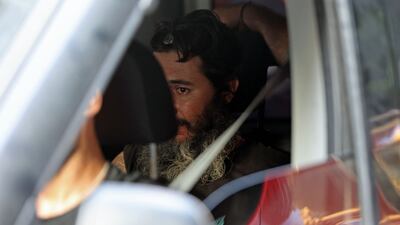
Bassam Al Sheikh Hussein, an armed man who took hostages at a Federal Bank branch in Beirut, sits in a police car after his arrest. AFP -
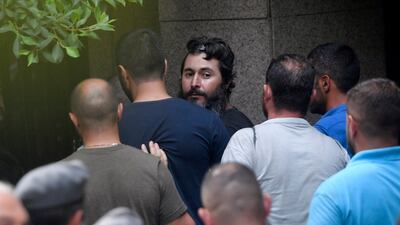
He was arrested as he left the bank. EPA -
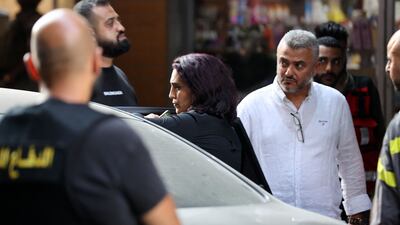
He held several customers hostage as he demanded the return of his bank deposits so that he could pay his father's medical bills. AFP -
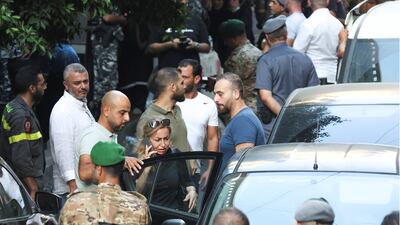
A woman who was held hostage inside the Federal bank of Lebanon enters a car after her release. Reuters -
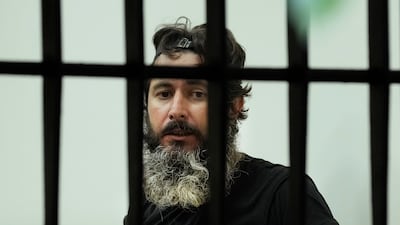
Mr Al Sheikh Hussein was reportedly armed with a rifle and is said to have doused the interior of the bank with petrol. AP -
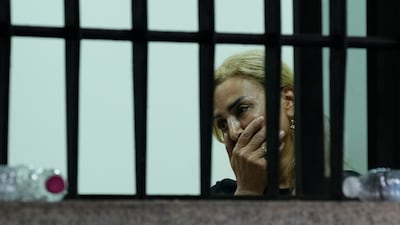
A woman held hostage in the bank cries. AP -
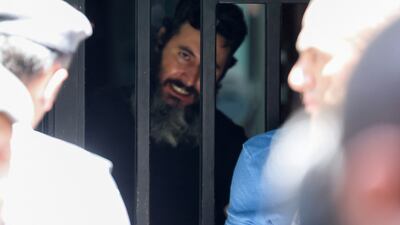
The siege ended without violence eight hours later on Thursday when the gunman reportedly left the bank and was arrested. Reuters -
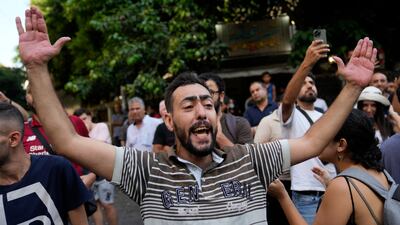
Many sympathised with Mr Al Sheikh Hussein and took part in protests outside the bank as they denounced local lenders and chanted 'We are all Bassam'. AP -
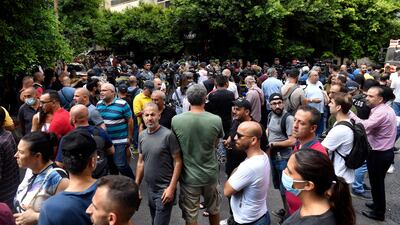
Lebanese bank customers stand near the bank where the armed man took customers and employees hostage. EPA -
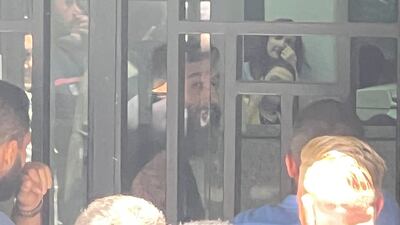
A Lebanese security official said Mr Al Sheikh Hussein was threatening to set himself ablaze unless he received his savings. AP -
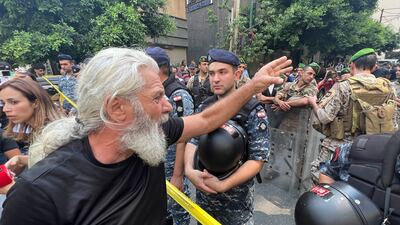
The demonstrations grew more heated, with protesters facing off against security forces dressed in riot gear. AP -
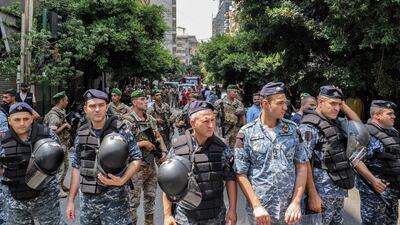
Army soldiers, behind, and security forces, front, stand guard outside the bank in Beirut. AFP -
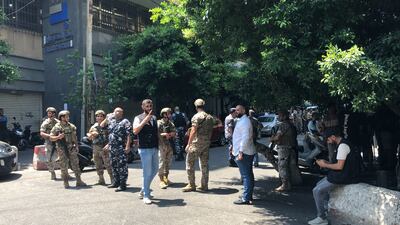
The incident is the latest between local banks and angry depositors unable to access their savings because of informal capital controls. Jamie Prentis / The National -
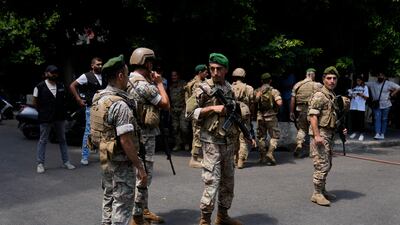
At least two shots were heard after the man entered the branch just before noon, according to witnesses and local media. Some customers managed to escape before he shut the branch doors. AP -

The Lebanese Red Cross on standby outside the bank, which was cordoned off by security forces. Reuters -

Lebanon’s National News Agency reported that Mr Al Sheikh Hussein was demanding to withdraw $210,000 and had threatened to set himself ablaze and kill everyone at the bank. Reuters -
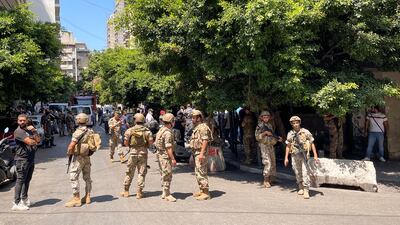
His father was in hospital and required $50,000 worth of treatment, according to the Association of Depositors in Lebanon. Reuters


As part of the deal, it was also hoped that he would be released shortly after, which had not been the case until Tuesday.
"We demand that he comes out free, that he gets released immediately with no criminal measures taken against him," said Mr Ollaik.
Threats to kill hostages
Mr Al Sheikh Hussein doused the interior of the bank with petrol and threatened to kill his hostages and set himself on fire if he could not take out his $210,000 savings to pay for medical treatment for his father.
His actions garnered some support from the wider public because of the financial situation in Lebanon. Protesters had gathered last Thursday as the hostage situation unfolded, shouting: "down with the rule of the banks!"
An economic collapse that first became apparent in 2019 has plunged much of the nation into poverty and caused the local currency to tumble in value by more than 90 per cent.
Inflation is rampant and there are widespread shortages of water, bread, electricity, medicine and other basic supplies.
In 2019, banks imposed informal capital controls, severely restricting access to hard currency, which compounded difficulties for people in Lebanon.
Banks stopped giving dollars to depositors, allowing withdrawals only in vastly devalued Lebanese pounds.
In January, coffee shop owner Abdallah Assaii held up a branch of Lebanese bank BBAC in the Bekaa Valley.
He held seven employees hostage until he received $50,000 of his own money. He then surrendered to police.

