

In a grainy black-and-white clip, a defiant Gamal Abdel Nasser stood in front of several thousand supporters and recounted how the British media insulted him in reports about his military's involvement in Yemen’s civil war.
The video is from the height of Egypt’s anti-colonial fervour in the 1950s and 1960s.
“How dare they insult us when they know that our newspapers can also insult the queen and her prime minister?,” the late authoritarian leader boasted, to the crowd’s wild cheers.
“When the BBC says Abdel Nasser is a dog, we tell them 'you are all sons of 60 dogs'.”
The clip is one of the best surviving examples of the acrimony felt by Abdel Nasser and many Egyptians towards their country’s former colonial power and its symbolic head, Queen Elizabeth II, who was laid to rest on Monday.
-
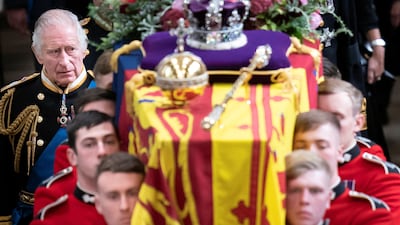
King Charles III follows behind the coffin of Queen Elizabeth II, draped in the Royal Standard with the Imperial State Crown and the Sovereign's orb and sceptre on top, as it is carried out of Westminster Abbey after her state funeral. Reuters -
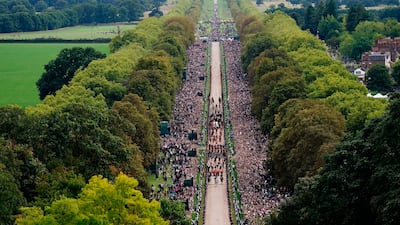
The ceremonial procession of the coffin of Queen Elizabeth travels down the Long Walk as it arrives at Windsor Castle for the Committal Service at St George's Chapel. AP -
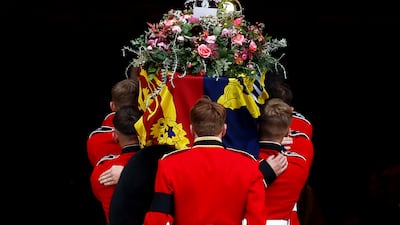
Pall bearers carry the coffin into St. George's Chapel, in Windsor. AP -
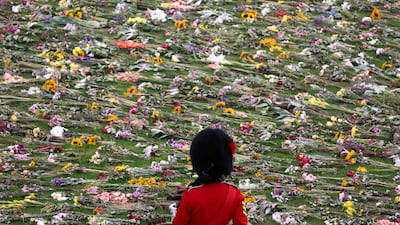
A Royal Guard stands by floral tributes at Windsor Castle. AFP -

The coffin of Queen Elizabeth is pulled on a gun carriage by Royal Navy sailors to Westminster Abbey. Getty Images -
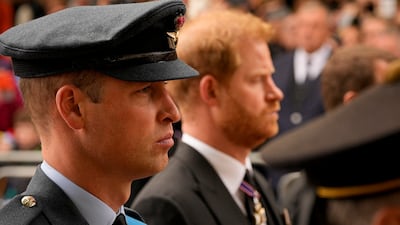
Prince William and Prince Harry follow the coffin of the queen after her state funeral in Westminster Abbey. AP -

Emma, the monarch's fell pony, stands as Queen Elizabeth's coffin passes at Windsor Castle. PA -

Members of the royal household stand with Queen Elizabeth's Corgis, Muick and Sandy, as they await the funeral cortege at St. George's Chapel, Windsor. AP -
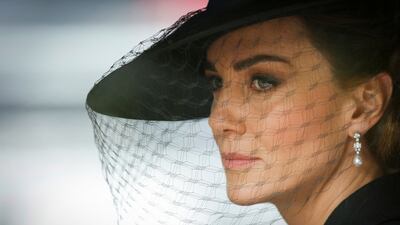
Catherine, Princess of Wales, attends the state funeral service in London. AFP -
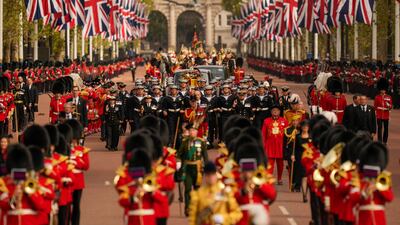
The coffin of Queen Elizabeth is pulled along The Mall following her funeral service in Westminster Abbey. AP -
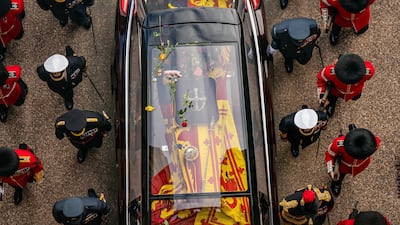
Flowers thrown by the public lie on the hearse carrying the coffin as it arrives at Windsor Castle. AP -

King Charles at the state funeral in London. Reuters -
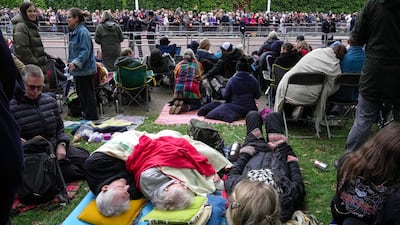
People sleep before the funeral service at Westminster Abbey. AFP -

A giant screen honouring the late queen at Piccadilly Circus in London. EPA -
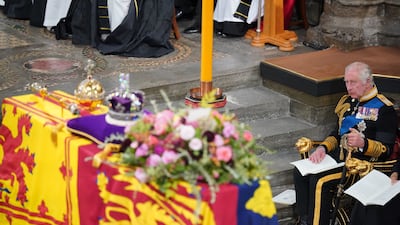
King Charles looks towards the coffin of his mother at Westminster Abbey. Getty Images -
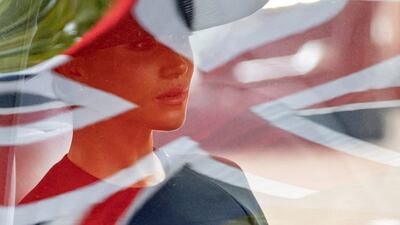
Meghan, Duchess of Sussex, sitting in a car as a British flag is reflected in its window. AFP -
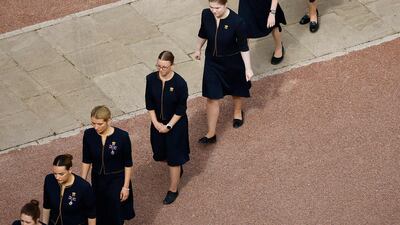
Buckingham Palace household staff return through the gates of the palace after paying their respects. AFP -
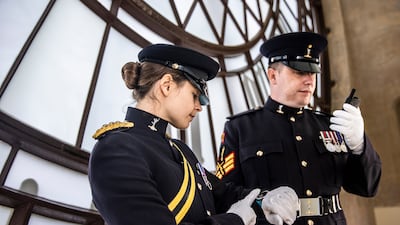
Staff Sergeant Yeoman Darren Fowler, right, and Captain Rebecca Cooper from the Royal Signals at the Elizabeth Tower, checking that Big Ben Chimes in time with gunfire during the state funeral procession. EPA -
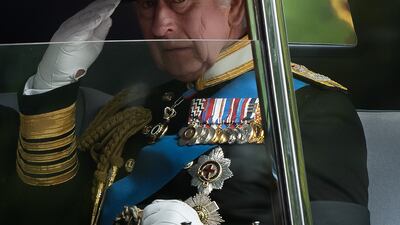
King Charles salutes as he is driven past Wellington Arch in London. Getty Images -

The London skyline is seen as the procession moves down The Mall. Getty Images -
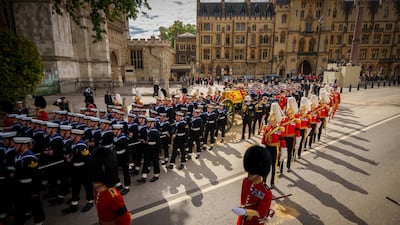
The coffin of the queen is pulled on a gun carriage by Royal Navy sailors from Westminster Abbey. Getty Images -
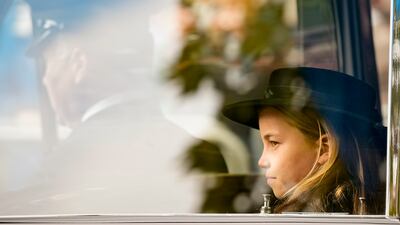
Princess Charlotte arrives by car ahead of the funeral in central London. AP -
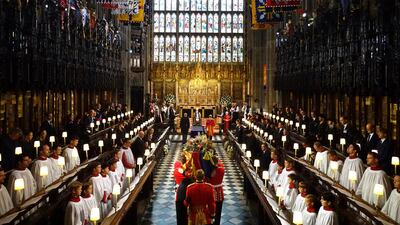
The coffin is carried into St George's Chapel for the Committal Service, in Windsor Castle. AP -

A woman cries in London's Hyde Park while watching the funeral service. AP -
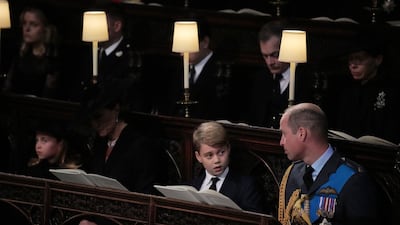
Prince George looks towards his father Prince William during the Committal Service at St George's Chapel. Getty Images -
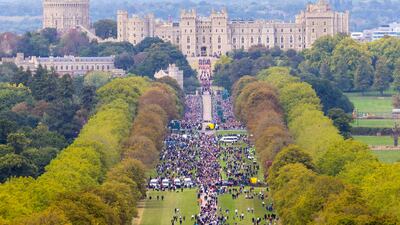
Queen Elizabeth's coffin is driven along the Long Walk towards Windsor Castle. Reuters -
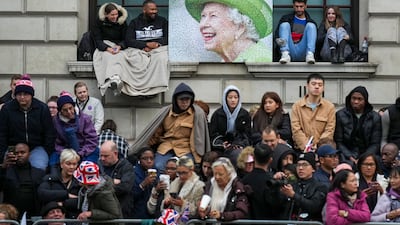
People waiting along the route that the coffin will be pulled on a gun carriage in central London. AP -

King Charles and the Queen Consort Camilla follow the coffin at St George's Chapel. AP -

The Royal State Hearse arrives at Windsor Castle. Getty Images -
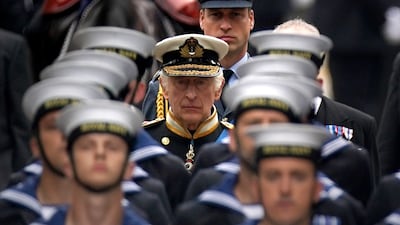
King Charles follows the State Gun Carriage as it carries the coffin at Westminster Abbey. PA -
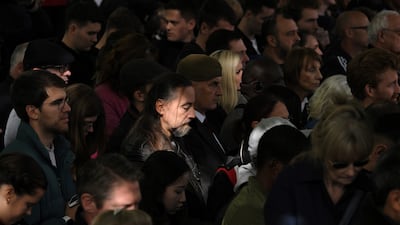
Members of the public gather to see the coffin as it travels from Westminster Abbey to Wellington Arch in London. Getty Images -
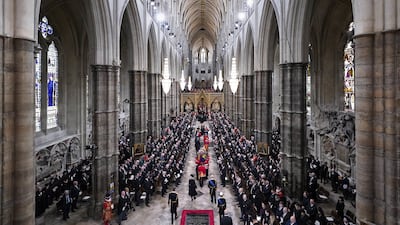
King Charles and members of the royal family follow behind the coffin as it is carried into Westminster Abbey. PA -
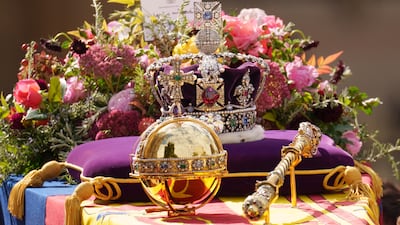
The Imperial State Crown resting on the coffin. Getty Images -
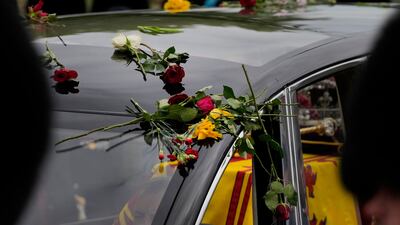
The hearse transporting the coffin is covered in flowers thrown by the public. AFP -
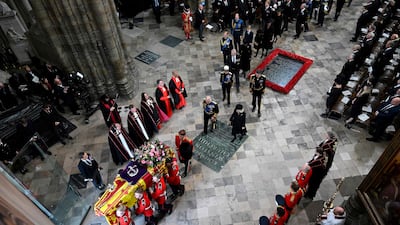
The Bearer Party of The Queen's Company, 1st Battalion Grenadier Guards carries the coffin from Westminster Abbey. AFP


But in the years between her taking the throne in 1953 and her death in 2022, that acrimony, once strongly felt, morphed into nearly 4.9 billion Egyptian pounds worth of bilateral trade in 2020, billions more in investments, frequent joint military drills, cordial diplomatic relations and regular intelligence sharing.
In words that would have been unimaginable to his predecessor half a century ago, Egypt’s pragmatic president of eight years, Abdel Fattah El Sisi, has praised the queen and mourned her death.
“I offer my sincerest condolences in my name and on behalf of the Egyptian people to the royal family, the British government and the people of the United Kingdom on the death of Queen Elizabeth II, who led her country for many decades with extreme wisdom,” he wrote on Facebook.
And that was not all.

Mr El Sisi, who welcomed King Charles III and his wife Queen Consort Camilla in Egypt last November, reviewed regional and international issues, including climate change, with the new British monarch in a phone conversation on Saturday night.
Mr El Sisi, a former army general, sent his prime minister, Mustafa Madbouly, to attend the queen’s funeral in London on Monday.
Remembering the Suez crisis
The Egyptian leader’s reaction to the queen’s death is in deep contrast to the tumultuous days over 60 years ago when Egypt defended itself against a tripartite invasion by Britain, France and Israel in 1956 after Abdel Nasser nationalised the Suez Canal.
Commonly known as the Suez Crisis, the invasion, just three years after the queen's coronation, failed to regain control of the vital canal and has been widely interpreted as symbolising Britain's decline as a global power and the emergence of the US as its replacement.
At the time, a young and idealistic Queen Elizabeth was in the early years of her 70-year reign, sitting on the throne of a once-mighty but fast-waning empire. Meanwhile, Abdel Nasser was riding high on his popularity, boosted by his Arab nationalist and anti-western rhetoric.
He engineered the overthrow of the British-backed monarchy shortly after he led army officers in staging a 1952 coup and later negotiated the end of Britain’s 70-year occupation of Egypt.
Abdel Nasser went on to adopt socialist policies, sided with the Soviet bloc in the Cold War and become an authoritarian leader whose rule saw large-scale human rights abuses, the suppression of freedoms and a crushing defeat at the hands of Israel in the 1967 Arab-Israeli war.
While many Egyptians see British rule as an unmitigated evil, a significant minority remain indifferent or dismissive of the entire subject. British rule in Egypt displayed far less of the brutality shown in other parts of the empire, where the topic of the colonial legacy still ignites controversy and resentment.
Broadly speaking, the end of colonial rule and the legacy has faded from public memory over the last 50 years and it is rarely a topic of national conversation in Egypt.
-
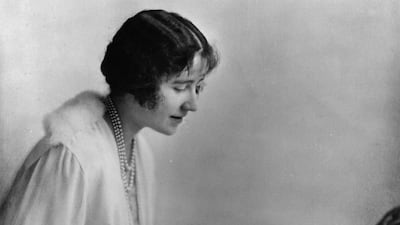
April 21, 1926: Elizabeth, Duchess of York (1900-2002), gives birth to Princess Elizabeth Alexandra Mary Windsor, her first child and the future queen. Getty -
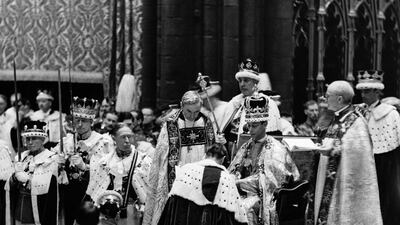
December 11, 1936. Elizabeth becomes heiress presumptive when her father becomes King George VI. Getty -
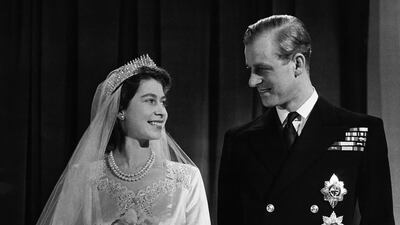
November 20, 1947. Princess Elizabeth marries Phillip, Duke of Edinburgh. Getty -
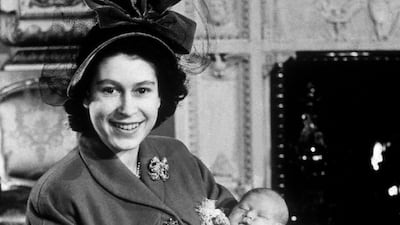
November 14, 1948: Princess Elizabeth gives birth to her eldest child Prince Charles. Getty -
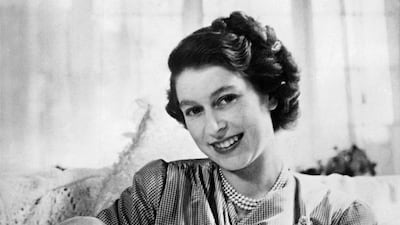
August 18 1950: Elizabeth gives birth to her second child, Princess Anne. AFP -
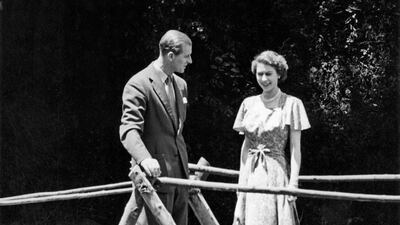
1952. Princess Elizabeth ascends to the throne, learning of her ascension on a trip to Kenya with the Duke of Edinburgh on February 6. Getty -
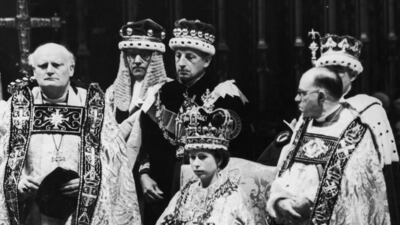
June 2,1953: Crowned Queen Elizabeth II by Archbishop of Canterbury Dr Geoffrey Fisher at Westminster Abbey. Getty -
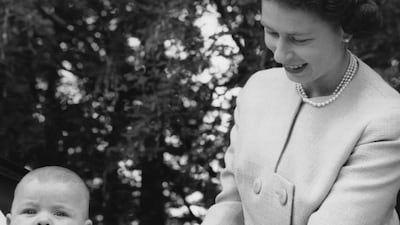
February 19, 1960: Queen Elizabeth gives birth to her third child, Prince Andrew. Getty -
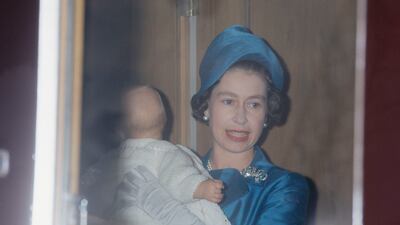
March 10, 1964. Queen Elizabeth II gives birth to her fourth and last child, Prince Edward. Getty -
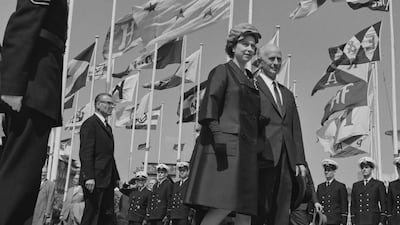
May 18, 1965: Queen Elizabeth II with Paul Nevermann (1902 - 1979), the Mayor of Hamburg, in Hamburg during a an official trip to West Germany - her first state visit. Getty -
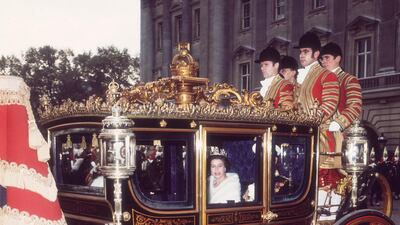
June 2, 1977: Livery-clad coachmen accompany the state coach bearing Queen Elizabeth II on her Silver Jubilee. Getty -

June 29. 1981: Prince Charles And Princess Diana marry. Getty -
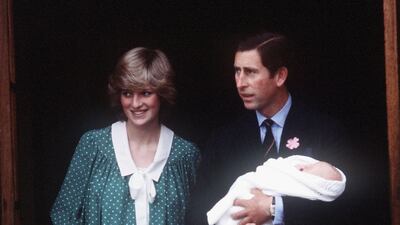
June 21, 1982: Diana gives birth to Prince William. Getty -
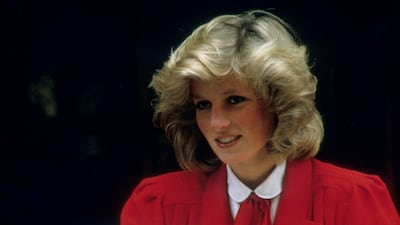
September 16, 1984: Diana gives birth to her second child with Prince Charles, Prince Harry. Getty -
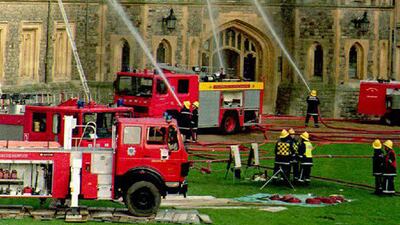
November 20 1992: Flames rip through private apartments in the east wing of Windsor Castle. AFP -
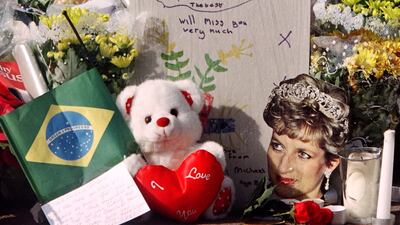
September 1, 1997: Diana dies after a car crash in Paris, sending the UK and world into shock. AFP -
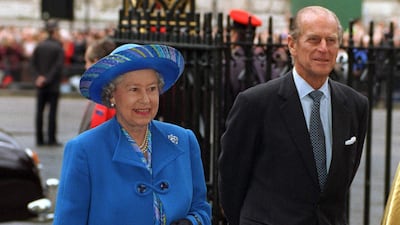
November 20, 1997: The Queen and Prince Philip celebrate their Golden Wedding Anniversary at Westminster Abbey. Getty -

June 4, 2002: The Queen and her husband the Duke of Edinburgh wave to well-wishers, as they ride the Gold State Coach from Buckingham Palace to St Paul's Cathedral in London, for a service of thanksgiving to celebrate her Golden Jubilee. AP -
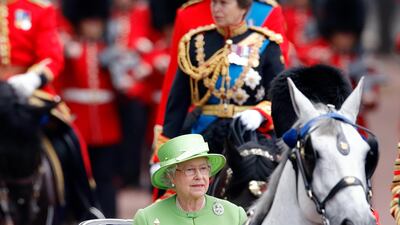
2007: Queen Elizabeth becomes oldest UK monarch on her actual birthday of April 21, and celebrates on her sovereign birthday of June 16 during the annual Trooping the Colour Parade. Getty -
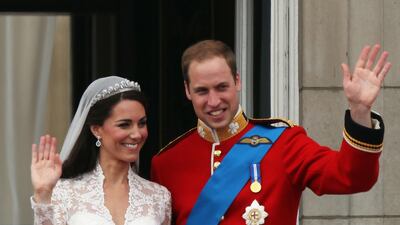
April 29, 2011: The Queen's oldest grandchild Prince William, Duke of Cambridge and Catherine, Duchess of Cambridge marry. Getty -
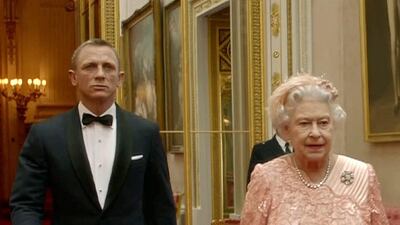
2012: Queen celebrates her diamond jubilee, which included a cameo in the London 2012 Olympics alongside actor Daniel Craig in his guise as James Bond. Getty -
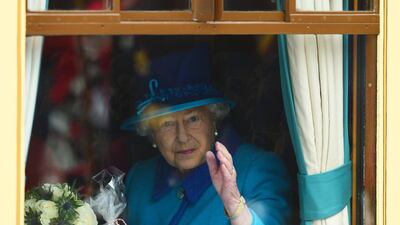
September 9, 2015. Queen Elizabeth II becomes the longest reigning monarch in British history. Getty -
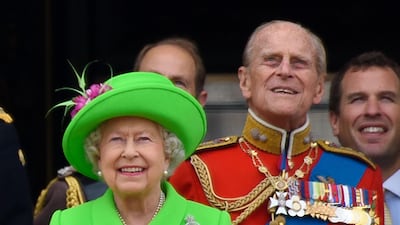
June 11, 2016 . Queen Elizabeth celebrates her 90th birthday. Getty Image -

February 5, 2017: Queen Elizabeth becomes the first British monarch to reach their sapphire jubilee. Getty -
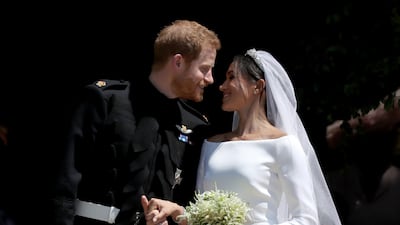
May 19, 2018: Grandson Prince Harry, Duke of Sussex and Megahn Markle, The Duchess of Sussex marry at St George's Chapel at Windsor Castle. Getty -
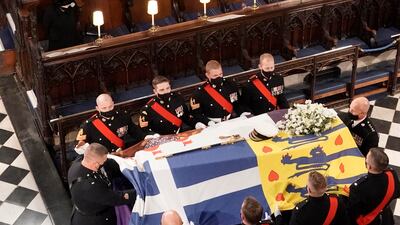
April 9, 2021: Queen Elizabeth's husband Prince Philip dies months short of his 100th birthday. Getty -
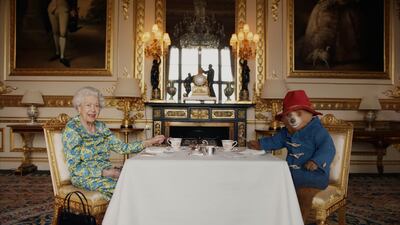
June 2022: Queen Elizabeth II and Paddington Bear have cream tea at Buckingham Palace as part of celebrations for her platinum jubilee. Getty


Nevertheless, her death has revived a small-scale conversation about the memory of those days of mutual hostility in the 1950s and 1960s. There has also been a debate among social media users, academics and commentators on the queen’s legacy.
On the face of it, a debate focused on whether she is to blame for staying silent on some of imperial Britain’s misdeeds seems academic now, or even irrelevant. But others say it's important to reckon with the past even if it's not possible to change it.
“History will always be with us,” said Mohamed Anis Salem, a retired Egyptian diplomat who closely follows British political and social trends.
“It’s not going anywhere. We should study and document history, but never be held hostage by the past
Now a member of the Egyptian Council for Foreign Affairs — a Cairo-based think tank — Mr Salem sees plenty of common ground that has emerged between the two nations over the years, with both countries functioning as magnets for education and the arts.
“But there’s also that approach by those who still have a [axe] to grind and want to relive the past and re-fight its battles,” he said.
HA Hellyer, a fellow at Cambridge university’s faculty of Asian and Middle Eastern studies, noted the diversity of reactions in Egypt to the queen’s death. The late sovereign could not be held responsible for the British government’s policies in Egypt during her reign, he said.
“But, given all the symbolism around the queen’s role as monarch, it’s not very surprising that many people do indeed do so,” he said. “I can understand that, even as a Brit, and I don’t think anyone should be so enraged by it. It goes with the territory.”
Mr Hellyer explains that those moved or saddened by the queen’s death are primarily western-educated Egyptians whose connection to the West has led them to relate to the queen as a contemporary figure of modernity.
“Ultimately, the queen’s passing doesn’t impact Egypt one way or another … it’s fundamentally a very British affair even if, externally, people show a lot about themselves in terms of how they do or do not react to it,” he said.
While some online have held her up as an icon of unity or good governance, Egyptian-born novelist and political analyst Shady Lewis Botros has posted extensively on Facebook against such reverence.
A dual British-Egyptian national, Mr Botros has established himself as a harsh critic of what he sees as the West’s condescending attitude towards people in developing countries, like Egyptians, or the reluctance of western nations to own up to their colonial crimes.
“I don’t see the reaction of Egyptians to the queen’s death as relevant to British colonial rule of Egypt,” he said.
“Rather, their reaction is related to intense and popularised globalisation in which the queen is removed from politics and historical context.”

