Banks provide a person’s salary details as part of regular submissions to Al Etihad Credit Bureau. Silvia Razgova / The National

Al Etihad Credit Bureau introduces expense-to-salary ratio in credit reports


Deepthi Nair
  • English
  • Arabic

Al Etihad Credit Bureau’s credit reports will now include an expense-to-salary ratio (ESR) as it seeks to offer more insight into the creditworthiness of potential borrowers in the UAE by assessing their non-banking monthly payment obligations.

The ESR will be indicated as a percentage ranging from zero to 100 and represent a person’s financial obligations as share of their salary, the regulator said on Friday.

It will take into account active loan instalments, credit card limits and monthly telecoms and utility bills, the AECB said.

Credit reports are a direct reflection of an individual’s appeal and payment behaviour to lenders like banks and financial institutions, but are also as important for other entities such as property managers and telecom service providers,” said AECB chief executive Marwan Lutfi.

“The addition of the ESR to the AECB reports is a natural step in our ongoing path towards generating data-driven insight for lenders to assess the creditworthiness of individuals, while taking into consideration their regular non-banking monthly payment obligations, such as utility bills and telecommunication bills.”

Set up in November 2014, the bureau brings transparency to the lending industry by assembling a credit record of the UAE’s financially active residents. It collects data such as loan, mortgage, credit card and phone bill payments.

An individual’s credit report documents their entire credit history in the UAE, showing the credit cards, loans or other finance products they have signed up for, along with their payment behaviour.

Therefore, bounced cheques and any payment defaults will be recorded. The document also lists a person's full name and Emirates ID number.

A UAE resident's report is generated only when they have a credit card, loan, mortgage or a phone bill. The AECB collects data from banks, finance companies and telecom companies.

A credit score for individuals is a three-digit number between 300 and 900 that represents a borrower’s creditworthiness and how likely they are to make credit card or loan payments on time. A low score indicates they are a higher risk for a lender while a higher score indicates a lower risk.

The new ratio will indicate a potential borrower’s total obligations as a share of their reported monthly salary, the credit bureau said.

Banks provide an individual’s salary details as part of regular data submissions to the AECB.

The feature will serve as an “additional parameter in assessing creditworthiness and affordability for individuals and banks alike”, the credit bureau said.

“ESR not only provides banks and credit report users with insights on the individual’s spending behaviour, but is also a barometer for individuals themselves that will allow them to gauge their own spending habits and — hopefully — consider a more financially responsible alternative should their ESR be less than ideal,” Mr Lutfi said.

Meanwhile, AECB’s ChequeScore service, which allows businesses and people to instantly assess the risk of a cheque bouncing, is now live on the credit bureau’s website.

ChequeScore, which covers cheques issued by UAE-licensed banks and calculates the issuer’s credit score, payment behaviour, issuance frequency and clearance history in real time, was unveiled as an app in February.

“It serves to lower the number of bounced cheques and provides a push for financial accountability,” the credit bureau said.

________________________

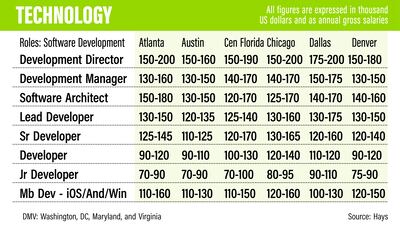
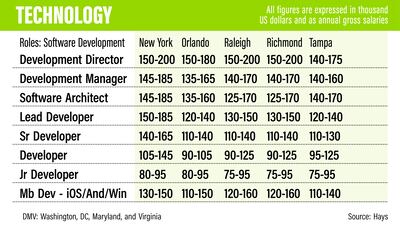
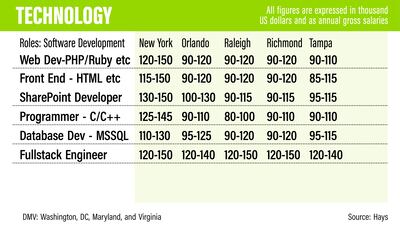
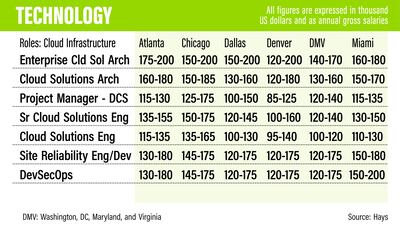
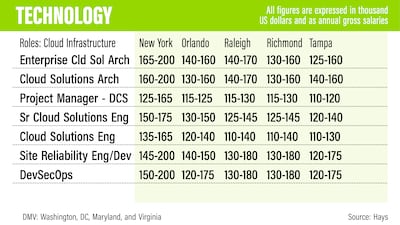
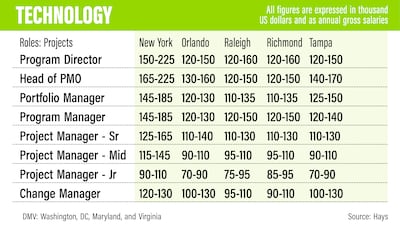
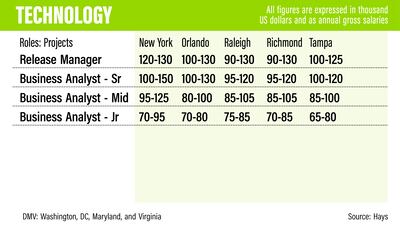
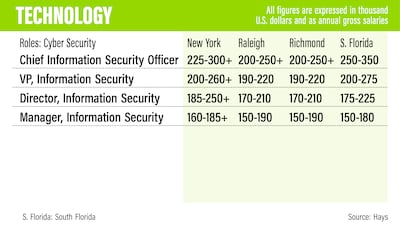
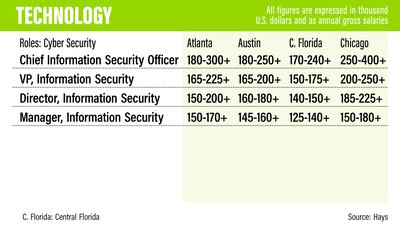
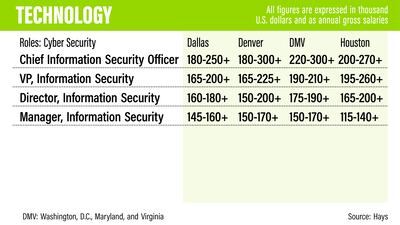
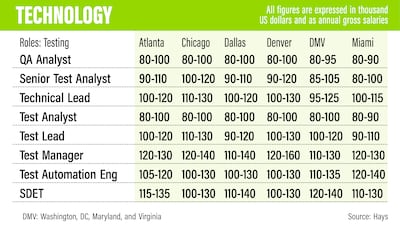
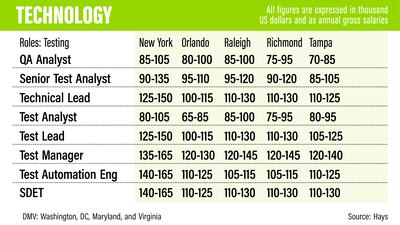
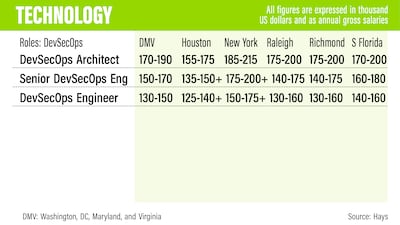
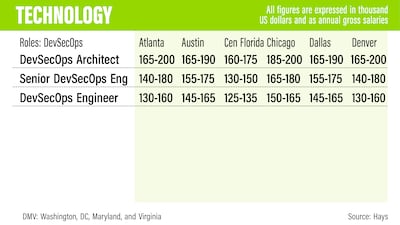
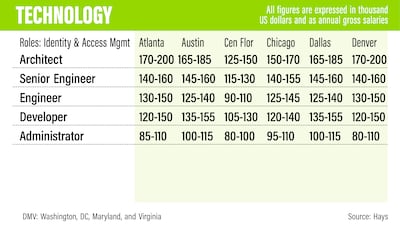
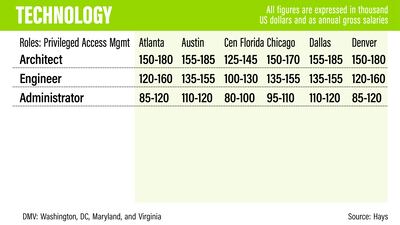
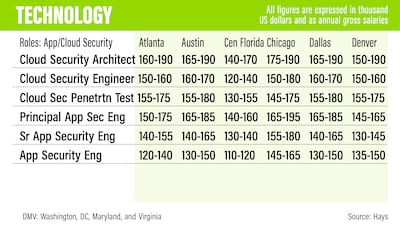
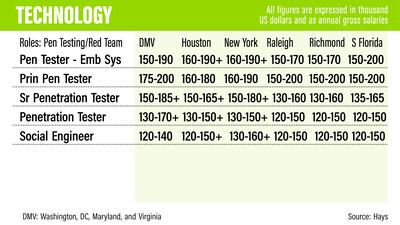
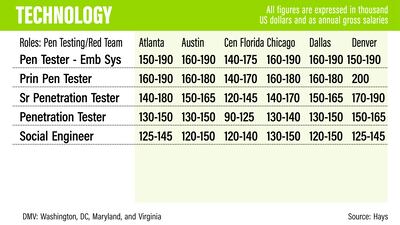
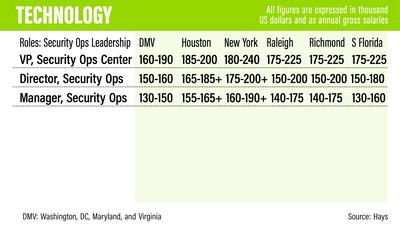
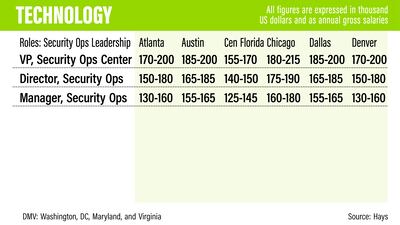
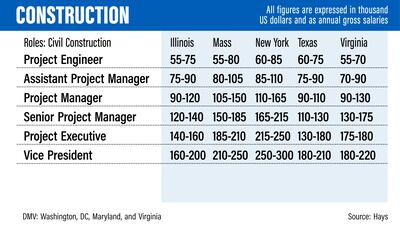
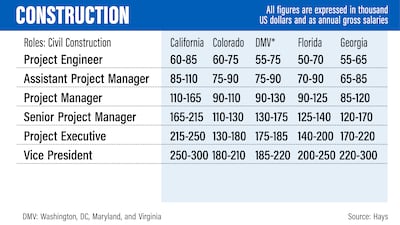
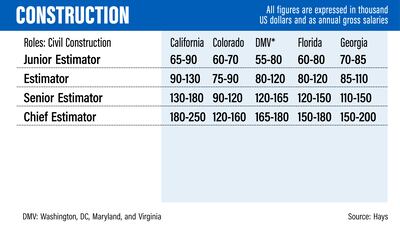
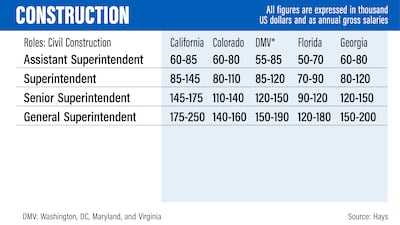
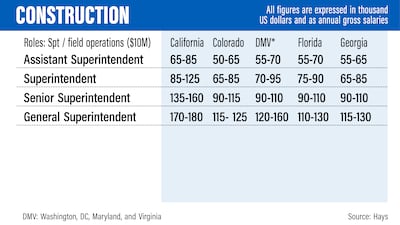
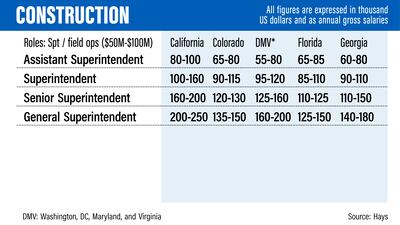
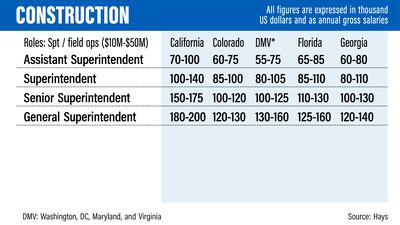
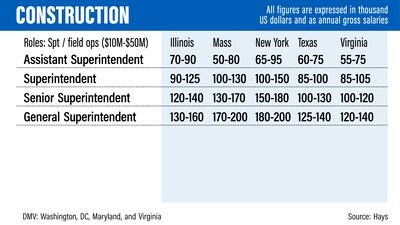
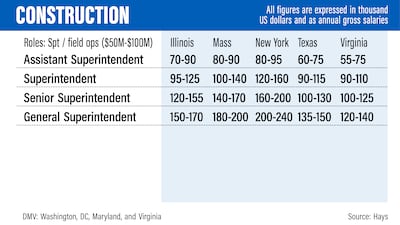
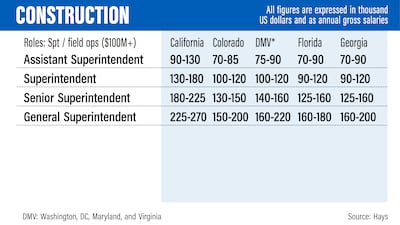
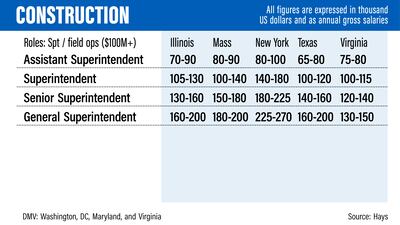
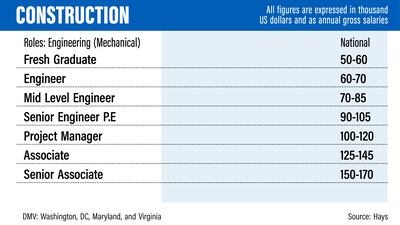
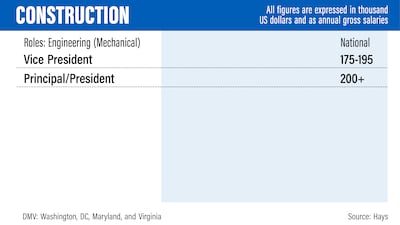
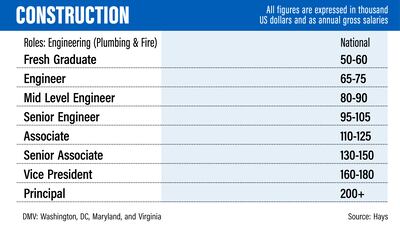
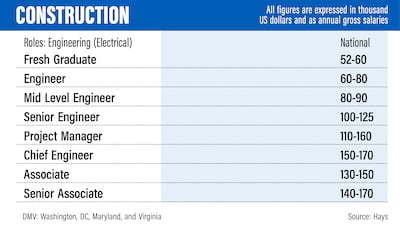
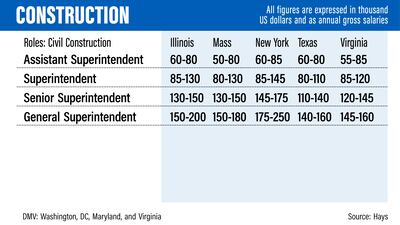
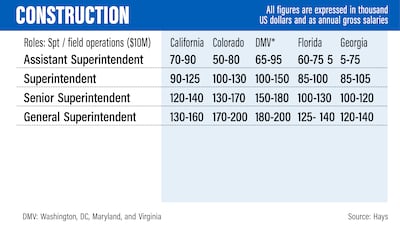
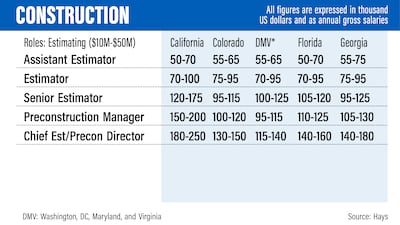
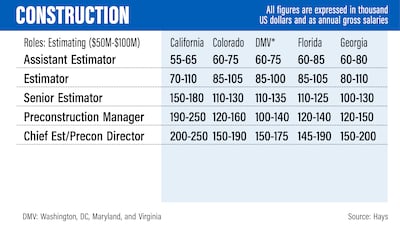
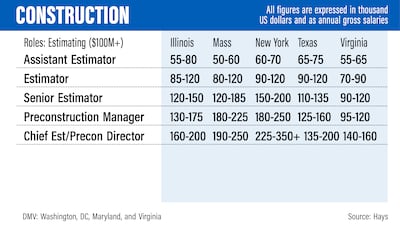
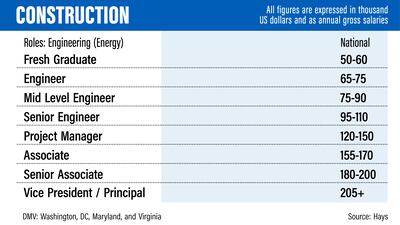
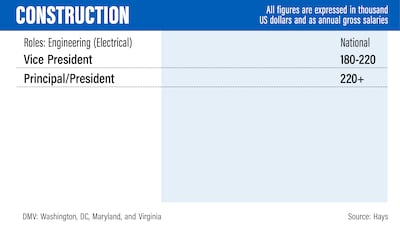
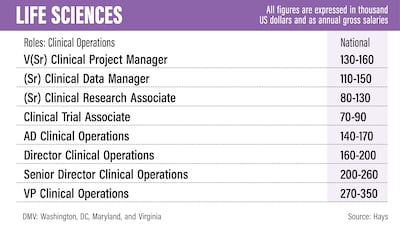
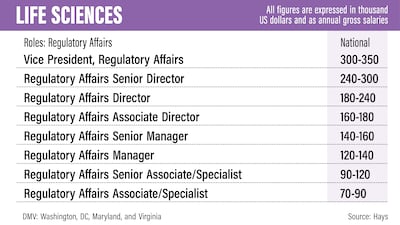
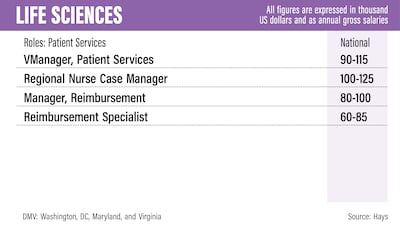
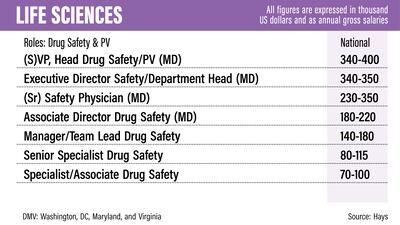
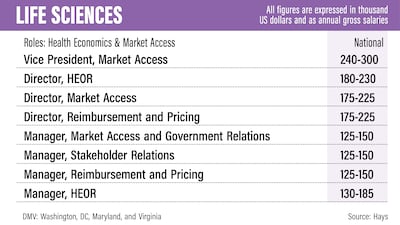
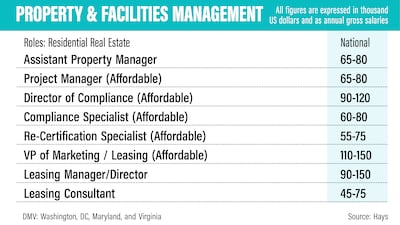
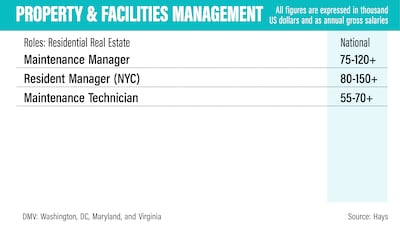
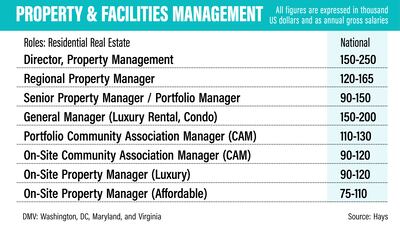
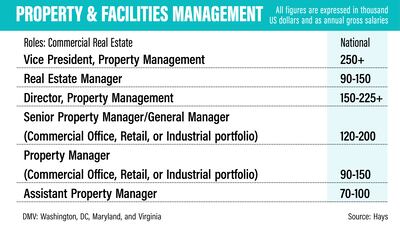
UAE salary guide 2022

  • US salary guide 2022 - Hays
    US salary guide 2022 - Hays
  • US salary guide 2022 - Hays
    US salary guide 2022 - Hays
  • US salary guide 2022 - Hays
    US salary guide 2022 - Hays
  • US salary guide 2022 - Hays
    US salary guide 2022 - Hays
  • US salary guide 2022 - Hays
    US salary guide 2022 - Hays
  • US salary guide 2022 - Hays
    US salary guide 2022 - Hays
  • US salary guide 2022 - Hays
    US salary guide 2022 - Hays
  • US salary guide 2022 - Hays
    US salary guide 2022 - Hays
  • US salary guide 2022 - Hays
    US salary guide 2022 - Hays
  • US salary guide 2022 - Hays
    US salary guide 2022 - Hays
  • US salary guide 2022 - Hays
    US salary guide 2022 - Hays
  • US salary guide 2022 - Hays
    US salary guide 2022 - Hays
  • US salary guide 2022 - Hays
    US salary guide 2022 - Hays
  • US salary guide 2022 - Hays
    US salary guide 2022 - Hays
  • US salary guide 2022 - Hays
    US salary guide 2022 - Hays
  • US salary guide 2022 - Hays
    US salary guide 2022 - Hays
  • US salary guide 2022 - Hays
    US salary guide 2022 - Hays
  • US salary guide 2022 - Hays
    US salary guide 2022 - Hays
  • US salary guide 2022 - Hays
    US salary guide 2022 - Hays

  • US salary guide 2022 - Hays

    US salary guide 2022 - Hays
  • US salary guide 2022 - Hays
    US salary guide 2022 - Hays
  • US salary guide 2022 - Hays
    US salary guide 2022 - Hays
  • US salary guide 2022 - Hays
    US salary guide 2022 - Hays
  • US salary guide 2022 - Hays
    US salary guide 2022 - Hays
  • US salary guide 2022 - Hays
    US salary guide 2022 - Hays
  • US salary guide 2022 - Hays
    US salary guide 2022 - Hays
  • US salary guide 2022 - Hays
    US salary guide 2022 - Hays
  • US salary guide 2022 - Hays
    US salary guide 2022 - Hays
  • US salary guide 2022 - Hays
    US salary guide 2022 - Hays
  • US salary guide 2022 - Hays
    US salary guide 2022 - Hays
  • US salary guide 2022 - Hays
    US salary guide 2022 - Hays
  • US salary guide 2022 - Hays
    US salary guide 2022 - Hays
  • US salary guide 2022 - Hays
    US salary guide 2022 - Hays
  • US salary guide 2022 - Hays
    US salary guide 2022 - Hays
  • US salary guide 2022 - Hays
    US salary guide 2022 - Hays
  • US salary guide 2022 - Hays
    US salary guide 2022 - Hays
  • US salary guide 2022 - Hays
    US salary guide 2022 - Hays
  • US salary guide 2022 - Hays
    US salary guide 2022 - Hays
  • US salary guide 2022 - Hays
    US salary guide 2022 - Hays
  • US salary guide 2022 - Hays
    US salary guide 2022 - Hays
  • US salary guide 2022 - Hays
    US salary guide 2022 - Hays
  • US salary guide 2022 - Hays
    US salary guide 2022 - Hays
  • US salary guide 2022 - Hays
    US salary guide 2022 - Hays
  • US salary guide 2022 - Hays
    US salary guide 2022 - Hays
  • US salary guide 2022 - Hays
    US salary guide 2022 - Hays
  • US salary guide 2022 - Hays
    US salary guide 2022 - Hays
  • US salary guide 2022 - Hays
    US salary guide 2022 - Hays
  • US salary guide 2022 - Hays
    US salary guide 2022 - Hays
  • US salary guide 2022 - Hays
    US salary guide 2022 - Hays
  • US salary guide 2022 - Hays
    US salary guide 2022 - Hays
  • US salary guide 2022 - Hays
    US salary guide 2022 - Hays
  • US salary guide 2022 - Hays
    US salary guide 2022 - Hays
  • US salary guide 2022 - Hays
    US salary guide 2022 - Hays
  • US salary guide 2022 - Hays
    US salary guide 2022 - Hays
  • US salary guide 2022 - Hays
    US salary guide 2022 - Hays
  • US salary guide 2022 - Hays
    US salary guide 2022 - Hays
  • US salary guide 2022 - Hays
    US salary guide 2022 - Hays
  • US salary guide 2022 - Hays
    US salary guide 2022 - Hays
  • US salary guide 2022 - Hays
    US salary guide 2022 - Hays
  • US salary guide 2022 - Hays
    US salary guide 2022 - Hays
  • US salary guide 2022 - Hays
    US salary guide 2022 - Hays
  • US salary guide 2022 - Hays
    US salary guide 2022 - Hays
  • US salary guide 2022 - Hays
    US salary guide 2022 - Hays
  • US salary guide 2022 - Hays
    US salary guide 2022 - Hays
  • US salary guide 2022 - Hays
    US salary guide 2022 - Hays
  • US salary guide 2022 - Hays
    US salary guide 2022 - Hays
  • US salary guide 2022 - Hays
    US salary guide 2022 - Hays
  • US salary guide 2022 - Hays
    US salary guide 2022 - Hays
  • US salary guide 2022 - Hays
    US salary guide 2022 - Hays
  • US salary guide 2022 - Hays
    US salary guide 2022 - Hays
  • US salary guide 2022 - Hays
    US salary guide 2022 - Hays
  • US salary guide 2022 - Hays
    US salary guide 2022 - Hays
  • US salary guide 2022 - Hays
    US salary guide 2022 - Hays
  • US salary guide 2022 - Hays
    US salary guide 2022 - Hays
  • US salary guide 2022 - Hays
    US salary guide 2022 - Hays
  • US salary guide 2022 - Hays
    US salary guide 2022 - Hays
  • US salary guide 2022 - Hays
    US salary guide 2022 - Hays
  • US salary guide 2022 - Hays
    US salary guide 2022 - Hays
Real estate tokenisation project

Dubai launched the pilot phase of its real estate tokenisation project last month.

The initiative focuses on converting real estate assets into digital tokens recorded on blockchain technology and helps in streamlining the process of buying, selling and investing, the Dubai Land Department said.

Dubai’s real estate tokenisation market is projected to reach Dh60 billion ($16.33 billion) by 2033, representing 7 per cent of the emirate’s total property transactions, according to the DLD.

Email sent to Uber team from chief executive Dara Khosrowshahi

From: Dara

To: Team@

Date: March 25, 2019 at 11:45pm PT

Subj: Accelerating in the Middle East

Five years ago, Uber launched in the Middle East. It was the start of an incredible journey, with millions of riders and drivers finding new ways to move and work in a dynamic region that’s become so important to Uber. Now Pakistan is one of our fastest-growing markets in the world, women are driving with Uber across Saudi Arabia, and we chose Cairo to launch our first Uber Bus product late last year.

Today we are taking the next step in this journey—well, it’s more like a leap, and a big one: in a few minutes, we’ll announce that we’ve agreed to acquire Careem. Importantly, we intend to operate Careem independently, under the leadership of co-founder and current CEO Mudassir Sheikha. I’ve gotten to know both co-founders, Mudassir and Magnus Olsson, and what they have built is truly extraordinary. They are first-class entrepreneurs who share our platform vision and, like us, have launched a wide range of products—from digital payments to food delivery—to serve consumers.

I expect many of you will ask how we arrived at this structure, meaning allowing Careem to maintain an independent brand and operate separately. After careful consideration, we decided that this framework has the advantage of letting us build new products and try new ideas across not one, but two, strong brands, with strong operators within each. Over time, by integrating parts of our networks, we can operate more efficiently, achieve even lower wait times, expand new products like high-capacity vehicles and payments, and quicken the already remarkable pace of innovation in the region.

This acquisition is subject to regulatory approval in various countries, which we don’t expect before Q1 2020. Until then, nothing changes. And since both companies will continue to largely operate separately after the acquisition, very little will change in either teams’ day-to-day operations post-close. Today’s news is a testament to the incredible business our team has worked so hard to build.

It’s a great day for the Middle East, for the region’s thriving tech sector, for Careem, and for Uber.

Uber on,

Dara

Business Insights
  • Canada and Mexico are significant energy suppliers to the US, providing the majority of oil and natural gas imports
  • The introduction of tariffs could hinder the US's clean energy initiatives by raising input costs for materials like nickel
  • US domestic suppliers might benefit from higher prices, but overall oil consumption is expected to decrease due to elevated costs
Scoreline

Australia 2-1 Thailand

Australia: Juric 69', Leckie 86'
Thailand: Pokklaw 82'

Yahya Al Ghassani's bio

Date of birth: April 18, 1998

Playing position: Winger

Clubs: 2015-2017 – Al Ahli Dubai; March-June 2018 – Paris FC; August – Al Wahda

Mercer, the investment consulting arm of US services company Marsh & McLennan, expects its wealth division to at least double its assets under management (AUM) in the Middle East as wealth in the region continues to grow despite economic headwinds, a company official said.

Mercer Wealth, which globally has $160 billion in AUM, plans to boost its AUM in the region to $2-$3bn in the next 2-3 years from the present $1bn, said Yasir AbuShaban, a Dubai-based principal with Mercer Wealth.

Within the next two to three years, we are looking at reaching $2 to $3 billion as a conservative estimate and we do see an opportunity to do so,” said Mr AbuShaban.

Mercer does not directly make investments, but allocates clients’ money they have discretion to, to professional asset managers. They also provide advice to clients.

“We have buying power. We can negotiate on their (client’s) behalf with asset managers to provide them lower fees than they otherwise would have to get on their own,” he added.

Mercer Wealth’s clients include sovereign wealth funds, family offices, and insurance companies among others.

From its office in Dubai, Mercer also looks after Africa, India and Turkey, where they also see opportunity for growth.

Wealth creation in Middle East and Africa (MEA) grew 8.5 per cent to $8.1 trillion last year from $7.5tn in 2015, higher than last year’s global average of 6 per cent and the second-highest growth in a region after Asia-Pacific which grew 9.9 per cent, according to consultancy Boston Consulting Group (BCG). In the region, where wealth grew just 1.9 per cent in 2015 compared with 2014, a pickup in oil prices has helped in wealth generation.

BCG is forecasting MEA wealth will rise to $12tn by 2021, growing at an annual average of 8 per cent.

Drivers of wealth generation in the region will be split evenly between new wealth creation and growth of performance of existing assets, according to BCG.

Another general trend in the region is clients’ looking for a comprehensive approach to investing, according to Mr AbuShaban.

“Institutional investors or some of the families are seeing a slowdown in the available capital they have to invest and in that sense they are looking at optimizing the way they manage their portfolios and making sure they are not investing haphazardly and different parts of their investment are working together,” said Mr AbuShaban.

Some clients also have a higher appetite for risk, given the low interest-rate environment that does not provide enough yield for some institutional investors. These clients are keen to invest in illiquid assets, such as private equity and infrastructure.

“What we have seen is a desire for higher returns in what has been a low-return environment specifically in various fixed income or bonds,” he said.

“In this environment, we have seen a de facto increase in the risk that clients are taking in things like illiquid investments, private equity investments, infrastructure and private debt, those kind of investments were higher illiquidity results in incrementally higher returns.”

The Abu Dhabi Investment Authority, one of the largest sovereign wealth funds, said in its 2016 report that has gradually increased its exposure in direct private equity and private credit transactions, mainly in Asian markets and especially in China and India. The authority’s private equity department focused on structured equities owing to “their defensive characteristics.”

The%20specs
%3Cp%3E%3Cstrong%3EEngine%3A%3C%2Fstrong%3E%20Twin%20electric%20motors%20and%20105kWh%20battery%20pack%0D%3Cbr%3E%3Cstrong%3EPower%3A%20%3C%2Fstrong%3E619hp%0D%3Cbr%3E%3Cstrong%3ETorque%3A%20%3C%2Fstrong%3E1%2C015Nm%0D%3Cbr%3E%3Cstrong%3ETransmission%3A%20%3C%2Fstrong%3ESingle-speed%20auto%0D%3Cbr%3E%3Cstrong%3ETouring%20range%3A%20%3C%2Fstrong%3EUp%20to%20561km%0D%3Cbr%3E%3Cstrong%3EOn%20sale%3A%20%3C%2Fstrong%3EQ3%20or%20Q4%202022%0D%3Cbr%3E%3Cstrong%3EPrice%3A%20%3C%2Fstrong%3EFrom%20Dh635%2C000%3C%2Fp%3E%0A
UAE players with central contracts

Rohan Mustafa, Ashfaq Ahmed, Chirag Suri, Rameez Shahzad, Shaiman Anwar, Adnan Mufti, Mohammed Usman, Ghulam Shabbir, Ahmed Raza, Qadeer Ahmed, Amir Hayat, Mohammed Naveed and Imran Haider.

Manchester City (0) v Liverpool (3)

Uefa Champions League, quarter-final, second leg

Where: Etihad Stadium
When: Tuesday, 10.45pm
Live on beIN Sports HD

THE%20HOLDOVERS
%3Cp%3E%3Cstrong%3EDirector%3A%20%3C%2Fstrong%3EAlexander%20Payne%3C%2Fp%3E%0A%3Cp%3E%3Cstrong%3EStarring%3A%3C%2Fstrong%3E%20Paul%20Giamatti%2C%20Da'Vine%20Joy%20Randolph%2C%20Dominic%20Sessa%3C%2Fp%3E%0A%3Cp%3E%3Cstrong%3ERating%3A%3C%2Fstrong%3E%204.5%2F5%3C%2Fp%3E%0A
Gulf Under 19s final

Dubai College A 50-12 Dubai College B

If%20you%20go
%3Cp%3EThere%20are%20regular%20flights%20from%20Dubai%20to%20Kathmandu.%20Fares%20with%20Air%20Arabia%20and%20flydubai%20start%20at%20Dh1%2C265.%3Cbr%3EIn%20Kathmandu%2C%20rooms%20at%20the%20Oasis%20Kathmandu%20Hotel%20start%20at%20Dh195%20and%20Dh120%20at%20Hotel%20Ganesh%20Himal.%3Cbr%3EThird%20Rock%20Adventures%20offers%20professionally%20run%20group%20and%20individual%20treks%20and%20tours%20using%20highly%20experienced%20guides%20throughout%20Nepal%2C%20Bhutan%20and%20other%20parts%20of%20the%20Himalayas.%3C%2Fp%3E%0A
Citadel: Honey Bunny first episode

Directors: Raj & DK

Stars: Varun Dhawan, Samantha Ruth Prabhu, Kashvi Majmundar, Kay Kay Menon

Rating: 4/5

Ten tax points to be aware of in 2026

1. Domestic VAT refund amendments: request your refund within five years

If a business does not apply for the refund on time, they lose their credit.

2. E-invoicing in the UAE

Businesses should continue preparing for the implementation of e-invoicing in the UAE, with 2026 a preparation and transition period ahead of phased mandatory adoption. 

3. More tax audits

Tax authorities are increasingly using data already available across multiple filings to identify audit risks. 

4. More beneficial VAT and excise tax penalty regime

Tax disputes are expected to become more frequent and more structured, with clearer administrative objection and appeal processes. The UAE has adopted a new penalty regime for VAT and excise disputes, which now mirrors the penalty regime for corporate tax.

5. Greater emphasis on statutory audit

There is a greater need for the accuracy of financial statements. The International Financial Reporting Standards standards need to be strictly adhered to and, as a result, the quality of the audits will need to increase.

6. Further transfer pricing enforcement

Transfer pricing enforcement, which refers to the practice of establishing prices for internal transactions between related entities, is expected to broaden in scope. The UAE will shortly open the possibility to negotiate advance pricing agreements, or essentially rulings for transfer pricing purposes. 

7. Limited time periods for audits

Recent amendments also introduce a default five-year limitation period for tax audits and assessments, subject to specific statutory exceptions. While the standard audit and assessment period is five years, this may be extended to up to 15 years in cases involving fraud or tax evasion. 

8. Pillar 2 implementation 

Many multinational groups will begin to feel the practical effect of the Domestic Minimum Top-Up Tax (DMTT), the UAE's implementation of the OECD’s global minimum tax under Pillar 2. While the rules apply for financial years starting on or after January 1, 2025, it is 2026 that marks the transition to an operational phase.

9. Reduced compliance obligations for imported goods and services

Businesses that apply the reverse-charge mechanism for VAT purposes in the UAE may benefit from reduced compliance obligations. 

10. Substance and CbC reporting focus

Tax authorities are expected to continue strengthening the enforcement of economic substance and Country-by-Country (CbC) reporting frameworks. In the UAE, these regimes are increasingly being used as risk-assessment tools, providing tax authorities with a comprehensive view of multinational groups’ global footprints and enabling them to assess whether profits are aligned with real economic activity. 

Contributed by Thomas Vanhee and Hend Rashwan, Aurifer

Labour dispute

The insured employee may still file an ILOE claim even if a labour dispute is ongoing post termination, but the insurer may suspend or reject payment, until the courts resolve the dispute, especially if the reason for termination is contested. The outcome of the labour court proceedings can directly affect eligibility.


- Abdullah Ishnaneh, Partner, BSA Law 

Updated: April 29, 2022, 9:45 AM