



RELATED: UAE salary guide: how much can Emiratis earn in Dubai and Abu Dhabi?
About 50 per cent of white-collar professionals in the UAE would consider a start-up for their next career move, according to recruitment company Robert Walters.
Forty-two per cent of professionals in the UAE are employed by SMEs, Robert Walters said in a report on Monday, which surveyed 2,000 white-collar workers between January and February.
The figure is expected to grow to about 60 per cent as the government accelerates its support for start-ups through relaxed visa rules, business reforms that streamline company ownership laws and funding to boost foreign direct investment in the country, it said.
The UAE, the Arab world’s second-largest economy, aims to become home to 20 unicorns, or start-ups valued at more than $1bn, by 2031 under the Entrepreneurial Nation initiative, which it launched in November last year.
“These relatively new 10 to 30-person companies are managing to draw some of the UAE’s top talent away from established firms, which typically offer much higher levels of job security,” Jason Grundy, managing director of Robert Walters Middle East, said.
“Post-pandemic, we have seen a seismic shift in what professionals want from their employer – with purpose, culture and people rated above competitive pay and the well mapped out corporate ladder.”
The jobs market in the UAE has recovered strongly from the pandemic-induced slowdown on the back of the government’s fiscal and monetary measures.
managing director of Robert Walters Middle East
Last month, a survey by recruitment company Robert Half found that a majority of white-collar workers in the UAE had held on to jobs in anticipation of New Year bonuses and pay rises and would continue to be “market curious” throughout the year.
The UAE was ranked first across the Middle East and North Africa last year in terms of the number of deals and funding, according to data platform Magnitt. It found that Emirates-based start-ups raised $1.17bn across 155 transactions in 2021.
Almost a third of total funding raised by UAE start-ups went towards FinTech, the Robert Walters report found. Traditional financial institutions could face a mass exodus if they don’t start to “act like a FinTech” sooner, the company said.
Forty-seven per cent of respondents to the Robert Walters survey said an opportunity to be innovative was the main factor that attracted them to a start-up company.
-
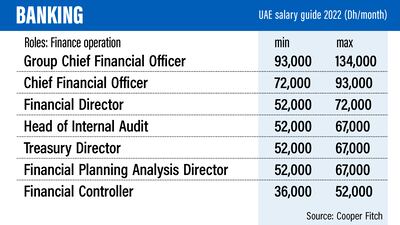
UAE salary guide 2022 -
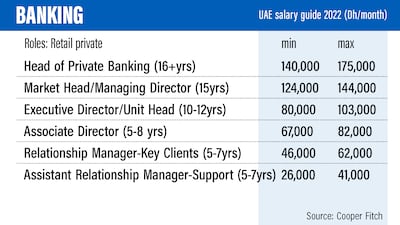
UAE salary guide 2022 -
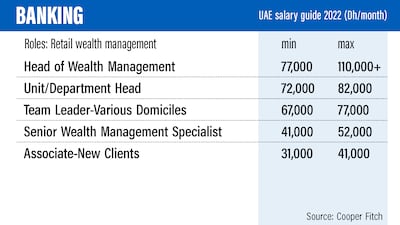
UAE salary guide 2022 -
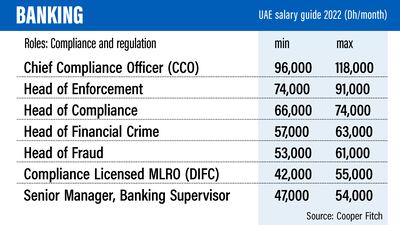
UAE salary guide 2022 -
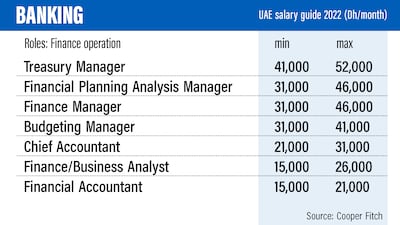
UAE salary guide 2022 -
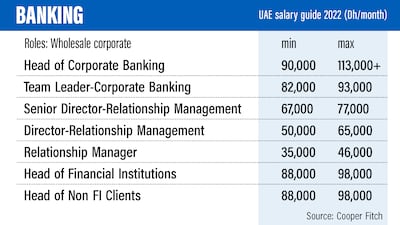
UAE salary guide 2022 -
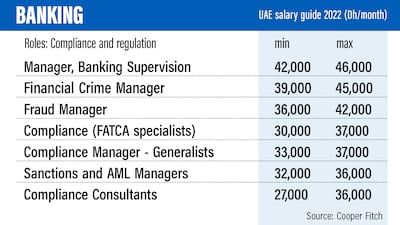
UAE salary guide 2022 -
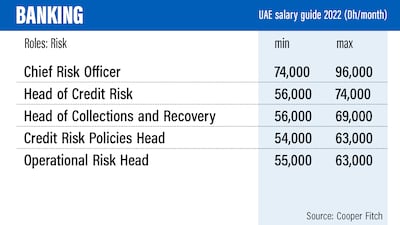
UAE salary guide 2022 -
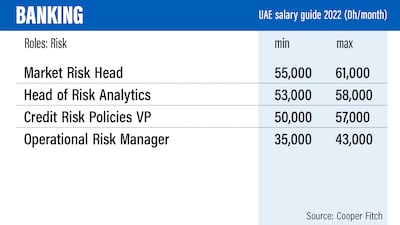
UAE salary guide 2022 -
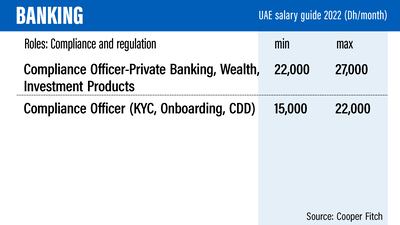
UAE salary guide 2022 -
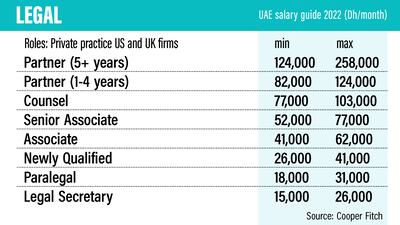
UAE salary guide 2022 -
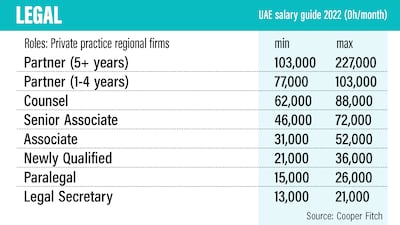
UAE salary guide 2022 -
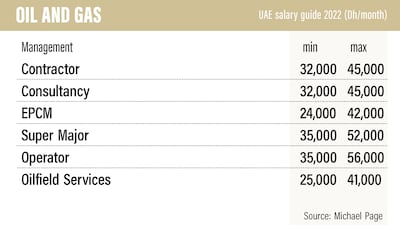
UAE Salary guide 2022 -
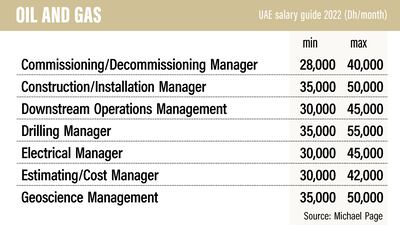
UAE Salary guide 2022 -
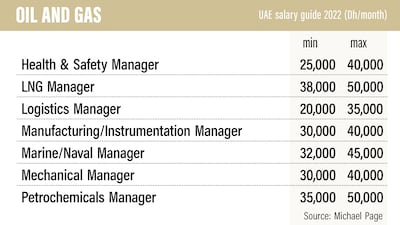
UAE Salary guide 2022 -
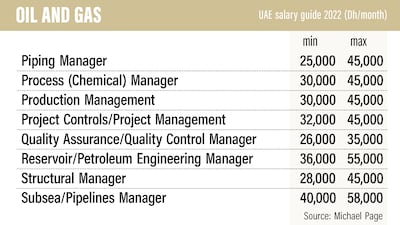
UAE Salary guide 2022 -
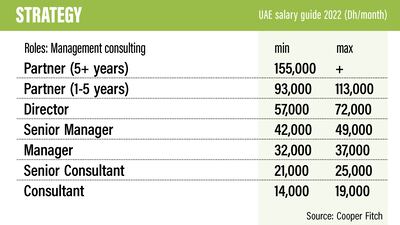
UAE salary guide 2022 -
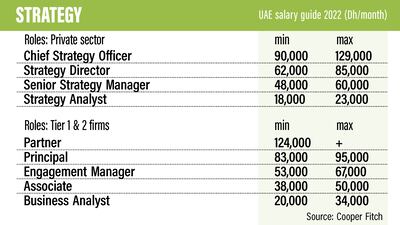
UAE salary guide 2022 -
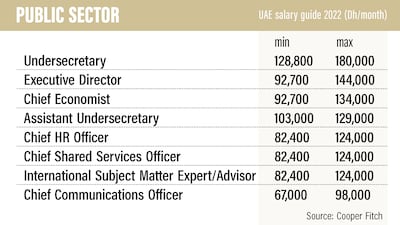
UAE salary guide 2022 -
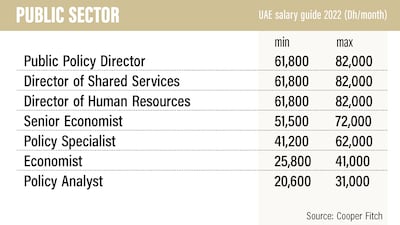
UAE salary guide 2022 -
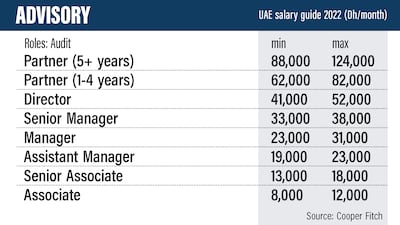
UAE salary guide 2022 -
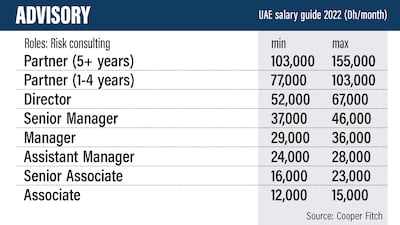
UAE salary guide 2022 -
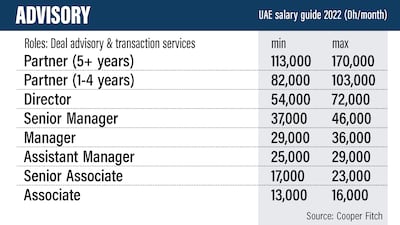
UAE salary guide 2022 -
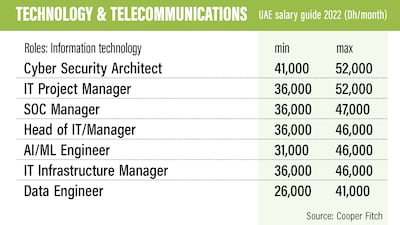
UAE salary guide 2022 -
UAE salary guide 2022 -

UAE salary guide 2022 -
UAE salary guide 2022 -
UAE salary guide 2022 -
UAE salary guide 2022 -
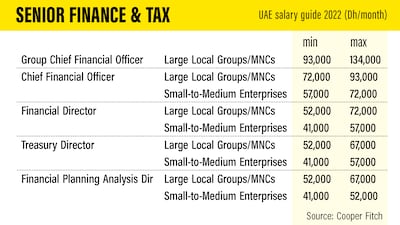
UAE salary guide 2022 -
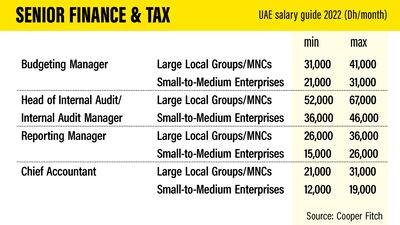
UAE salary guide 2022 -
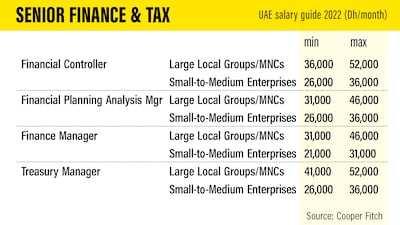
UAE salary guide 2022 -
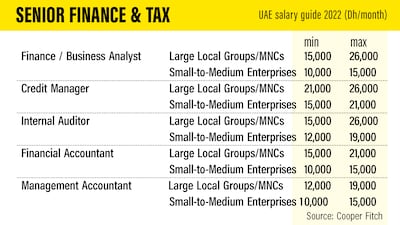
UAE salary guide 2022 -
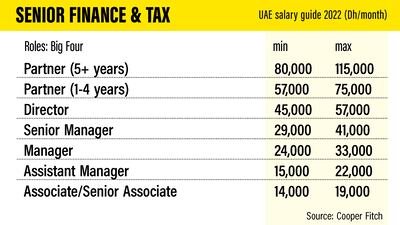
UAE salary guide 2022 -
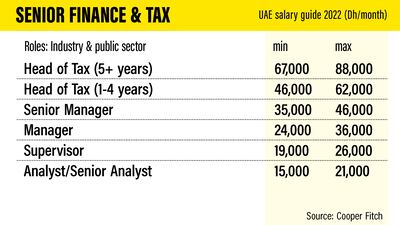
UAE salary guide 2022 -
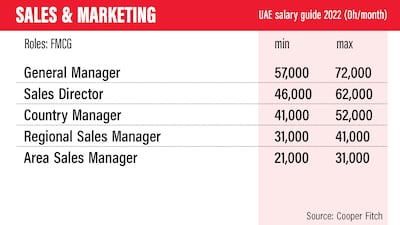
UAE salary guide 2022 -
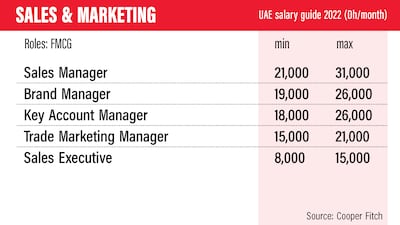
UAE salary guide 2022 -

UAE salary guide 2022 -

UAE salary guide 2022 -
UAE salary guide 2022 -
UAE salary guide 2022 -
UAE salary guide 2022 -

UAE salary guide 2022 -

UAE salary guide 2022 -
UAE salary guide 2022 -
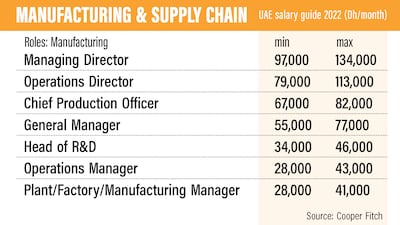
UAE salary guide 2022 -
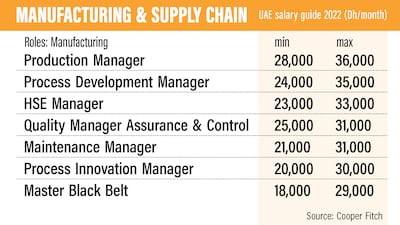
UAE salary guide 2022 -
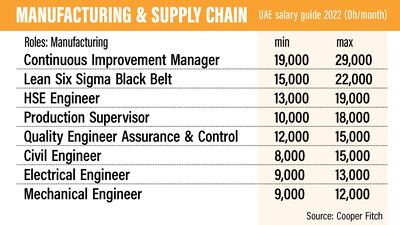
UAE salary guide 2022 -
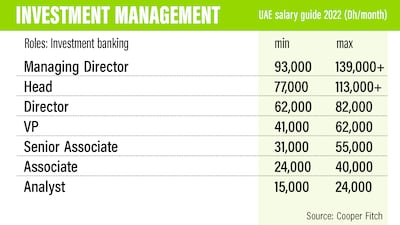
UAE salary guide 2022 -
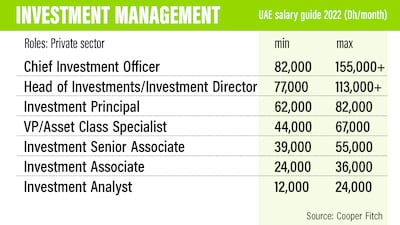
UAE salary guide 2022 -
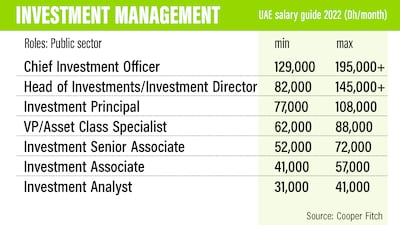
UAE salary guide 2022 -
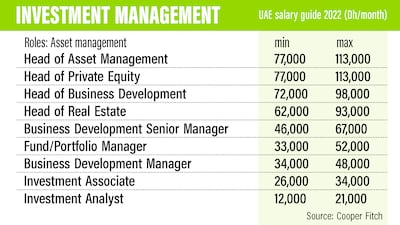
UAE salary guide 2022 -
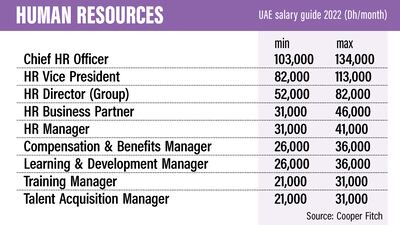
UAE salary guide 2022 -
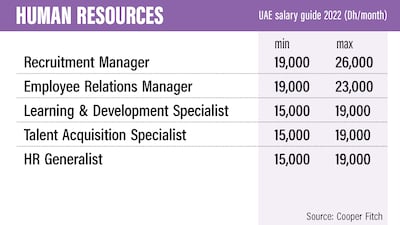
UAE salary guide 2022 -
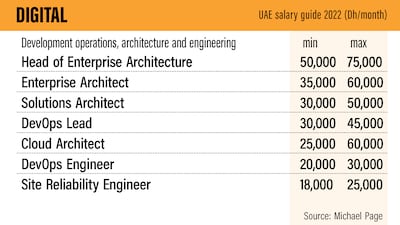
UAE Salary guide 2022 -
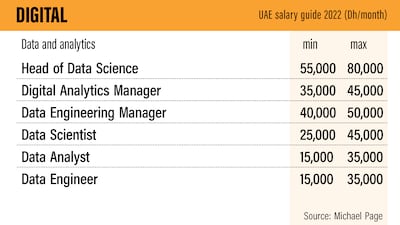
UAE Salary guide 2022 -
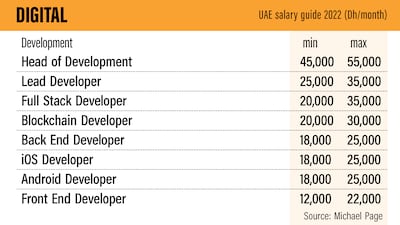
UAE Salary guide 2022 -

UAE Salary guide 2022 -
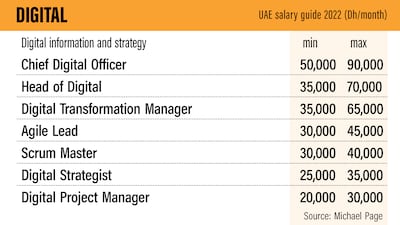
UAE Salary guide 2022 -
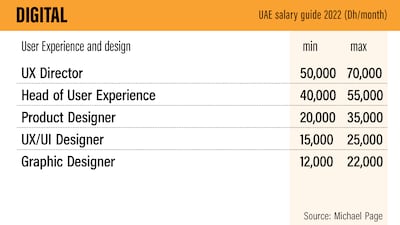
UAE Salary guide 2022 -
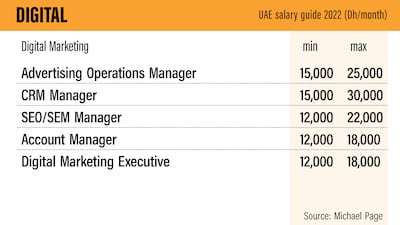
UAE Salary guide 2022 -
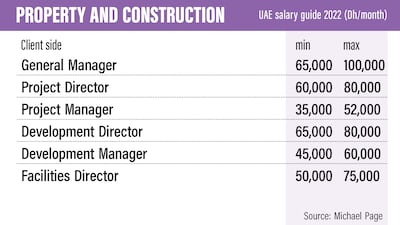
UAE Salary guide 2022 -
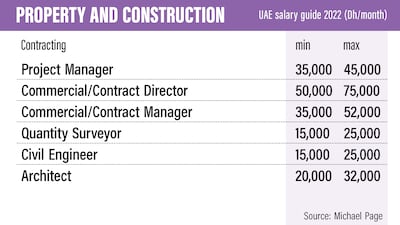
UAE Salary guide 2022 -
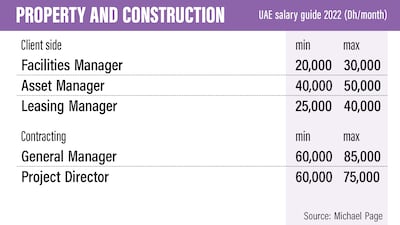
UAE Salary guide 2022 -

UAE Salary guide 2022 -
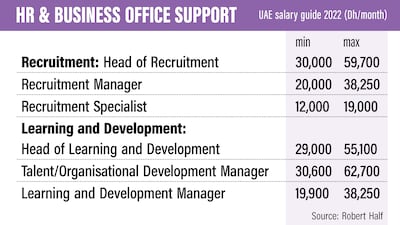
UAE Salary guide 2022 -
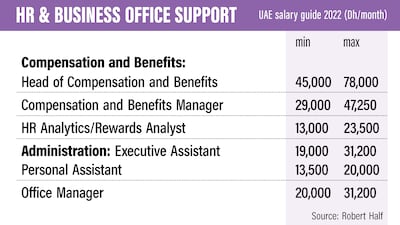
UAE Salary guide 2022 -
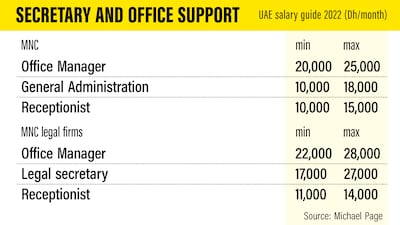
UAE Salary guide 2022 -
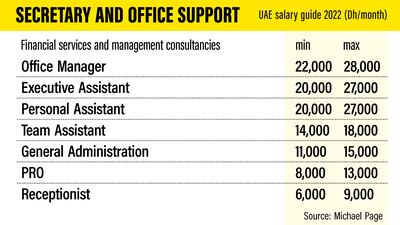
UAE Salary guide 2022 -
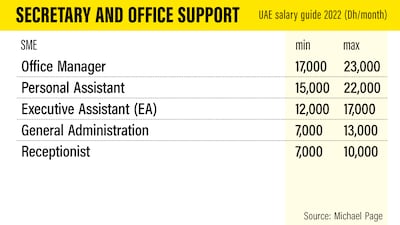
UAE Salary guide 2022 -
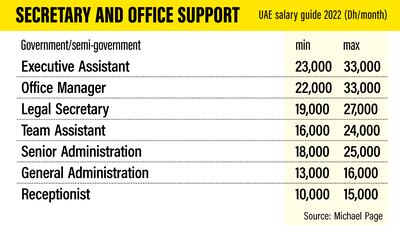
UAE Salary guide 2022 -
UAE Salary guide 2022 -
UAE Salary guide 2022 -
UAE Salary guide 2022 -
UAE Salary guide 2022 -
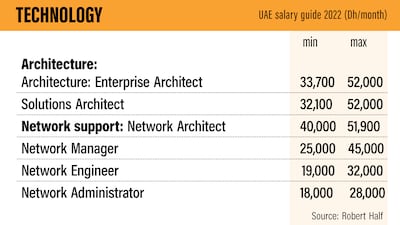
UAE Salary guide 2022 -
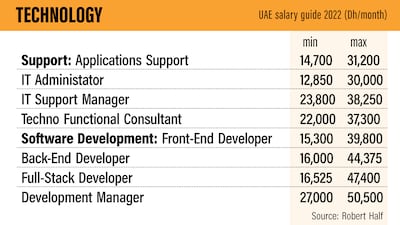
UAE Salary guide 2022 -
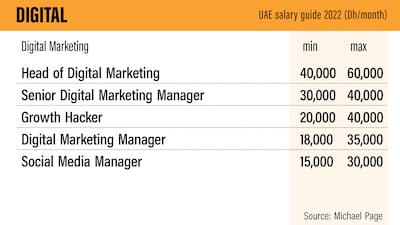
UAE Salary guide 2022 -
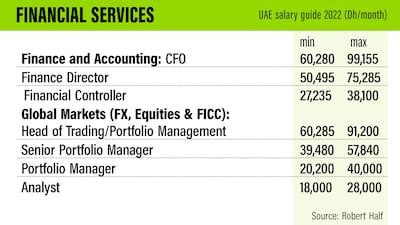
UAE Salary guide 2022 -
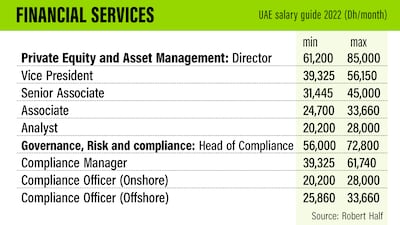
UAE Salary guide 2022 -
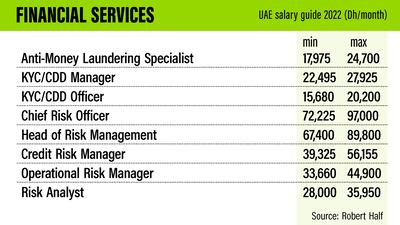
UAE Salary guide 2022 -
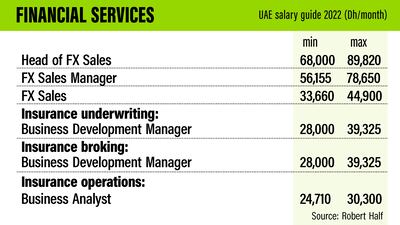
UAE Salary guide 2022 -
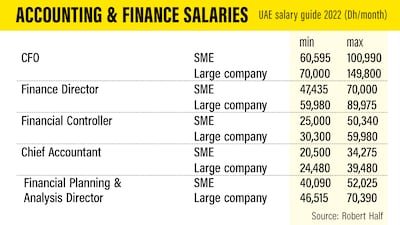
UAE Salary guide 2022 -
UAE Salary guide 2022 -
UAE Salary guide 2022 -
UAE Salary guide 2022 -

UAE Salary guide 2022


About 34 per cent wanted to work for a start-up because of the ability to undertake interesting work, 30 per cent wanted exposure to open and effective management and 28 per cent highlighted high levels of autonomy, the report said.
Fifty-two per cent of those polled said they would move to a start-up for lower pay if they saw an opportunity to progress much more quickly than would occur within a corporate set-up, the research found.
Meanwhile, 42 per cent of respondents said they want to work in a culture that inspires them to do their best and a further 30 per cent are seeking employers whose social values align with their own, such as equity, mental health or the environment, Robert Walters said.
“By nature, large corporates may be slower to adopt new and emerging values, instead opting to stick with traditional ways that have been a mainstay for over 10 years,” Mr Grundy said.
“Start-ups, on the other hand, are on the front foot, listening to what is important to their employees and then acting swiftly to help ‘do their bit’.”
Separately, 62 per cent of working professionals in the UAE believe that their salaries will either rise or stay the same this year, according to a new survey by jobs portal Bayt.com and market research company YouGov.
Fifty-two per cent of those polled expect to receive a salary increment this year, while 25 per cent received a wage increase of up to 10 per cent last year, according to the survey, which polled 4,771 respondents from countries including the UAE, Saudi Arabia, Lebanon and Egypt, among others, from January 19 to February 2.
About 27 per cent of UAE employees believe an increase in opportunities and economic growth are driving higher salaries, while 25 per cent cited good corporate performance or increased profitability and 22 per cent said inflation was driving the wage rises, Bayt.com said on Monday.
Personal medical insurance is the top benefit for 36 per cent of respondents in the UAE, followed by annual air tickets (31 per cent), gratuities and company-provided accommodation (22 per cent) and a transportation allowance (21 per cent), Bayt.com said.
“While financial rewards are key to attracting talent to organisations, non-financial rewards can be essential differentiators when it comes to retaining talent and developing a more engaged, productive workforce,” Zafar Shah, research director at YouGov, said.

