


Saudi Arabia's Public Investment Fund has raised its target for assets under management by 2030 to $2.67 trillion, up nearly 43 per cent from its original target of $1.87 trillion, after exceeding its goal for last year.
PIF assets reached $941.3 billion last year, exceeding its target of $880 billion and representing a 390 per cent increase since 2016, according to the annual report released by the Saudi government's Vision 2030 initiative.
The sovereign wealth fund's "strong performance" has been driven by a "proactive, diversified investment strategy", a portfolio with 40 per cent exposure to Saudi companies, including giga-projects and "strategic international investments in promising global sectors", the report said.
Saudi megaprojects – in pictures
-
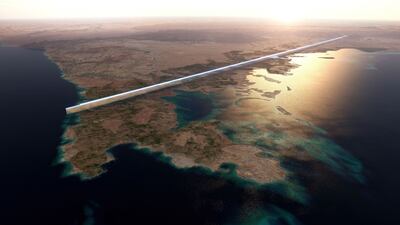
The Line, which made international headlines when it was announced in 2021 for its sheer ambitiousness, is 170km-long, 500-metre-tall dual tower project that is part of the futuristic Neom development. Photo: Neom -
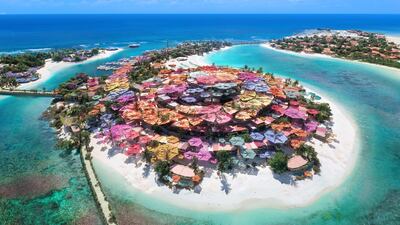
Grand Hyatt The Red Sea is part of phase one of the mega-tourism project in Saudi Arabia. Photo: Red Sea Global -
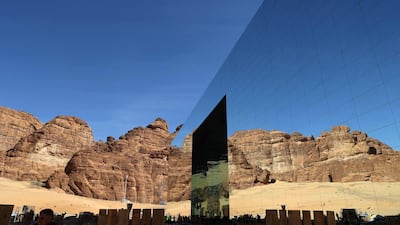
The Maraya, the world's largest mirrored building, is part of the AlUla project. AFP -
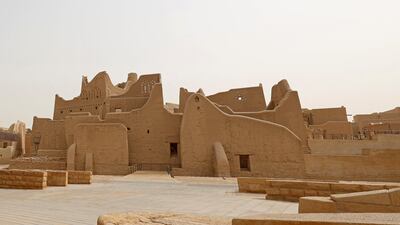
An 18th-century palace built from mud and straw, where the kingdom's royal family is said to have plotted its conquest of the Arabian Peninsula, in the historic district of Diriyah, on the outskirts of Riyadh. AFP -
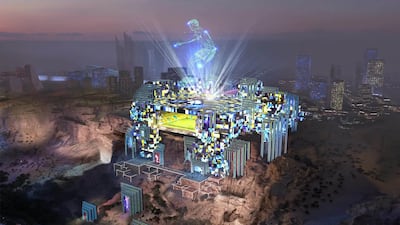
A rendering of the Prince Mohammed bin Salman Stadium, which will be built in Qiddiya and feature a retractable roof. Photo: Qiddiya -
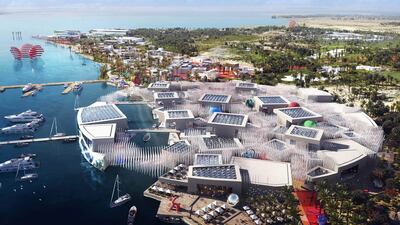
Amaala will have more than 25 hotels, luxury residences and 200 fine-dining outlets when completed in 2027. Photo: SCTH -
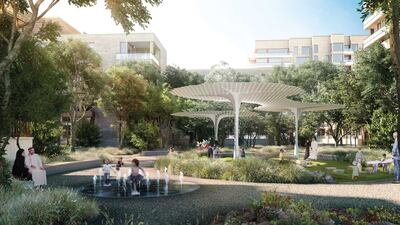
The King Salman Park covers an area of more than 16 square kilometres. Photo: Royal Commission for Riyadh -
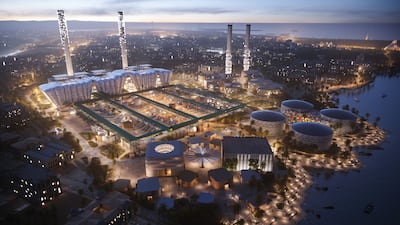
The Jeddah Central Project will be home to an industrial museum. Photo: Jeddah Central Project -
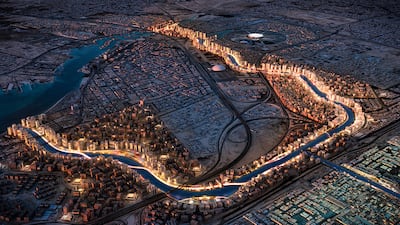
Marafy canal will include water taxis and offer a direct canal link to King Abdulaziz International Airport. Photo: Roshn -
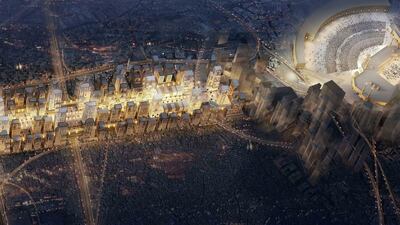
Masar is an urban development project in Makkah covering 1.2 square kilometres. Photo: Masar -
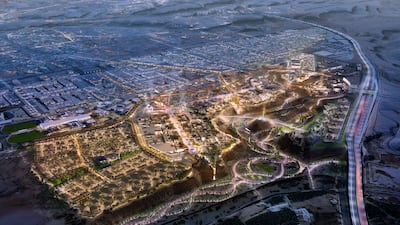
The Mohammed bin Salman Non-Profit City, better known as Misk, is a district in Riyadh that will act as an incubator for youth volunteer groups, as well as local and international non-profits. Photo: Misk -
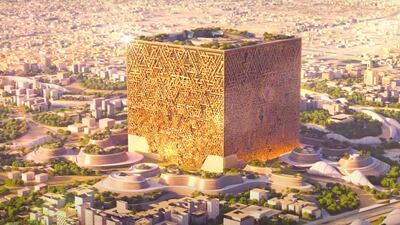
New Murabba is Riyadh’s new city centre and will include a museum, a technology and design university, a multipurpose immersive theatre and more than 80 cultural and entertainment venues. Photo: New Murabba Development Company -

The masterplan for Expo 2030 Riyadh, which was unveiled last June. Photo: Expo 2030 Riyadh -
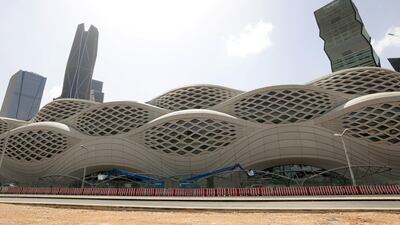
A Riyadh metro station in the King Abdullah Financial District. AFP


The PIF is leading Saudi Arabia's Vision 2030 initiative, which aims to diversify its economy away from oil.
It lost its position as the world's most active sovereign wealth fund last year, with Abu Dhabi's Mubadala emerging as the top spender, a report by industry specialist Global SWF found.
The Saudi fund's investment spending dropped by 37 per cent to $19.9 billion last year, from $31.6 billion in 2023, the report said.
The PIF saw its US equity portfolio decline by 24 per cent last year. At the start of 2024, the fund sold shares in 18 companies, valued at about $13 billion, including from gaming major Activision Blizzard, cruise company Carnival and entertainment company Live Nation, the report said.
The fund plans to cut its foreign portfolio by about a third as “there is a big paradigm shift in how PIF is deploying investments”, its governor Yasir Al Rumayyan said in October. It plans to focus heavily on the local market, he said at the time.
The fund's domestic holdings include Saudi mining and mineral giant Maaden, petrochemicals major Sabic and the kingdom's biggest lender, Saudi National Bank. It has also launched Riyadh Air – Saudi Arabia’s new national carrier – which is set to begin flying this year, the Electric Vehicle Infrastructure Company (EVIQ) and Lifera, a pharmaceutical investment company.
It has also continued making some key international investments. In December, the PIF and Ardian completed a €4 billion ($4.2 billion) deal to buy a combined 37.62 per cent stake in Heathrow from Spanish construction firm Ferrovial and other shareholders of FGP Topco, the parent company of Heathrow Airport Holdings.
The PIF has four main sources of funding: capital injections from the government, government asset transfers, retained earnings from investments, and loans and debt instruments.
The fund, which received 8 per cent more of Aramco shares from the government last year, also secured $15 billion in syndicated credit facilities as part of efforts to increase its liquidity and financial flexibility.
Meanwhile, private investments across PIF projects between 2021 and the third quarter of 2024 reached $37.3 billion, the latest Vision 2030 report found.
The fund has helped create 1.1 million jobs and set up 93 new companies in the kingdom as of 2024, up from 77,700 jobs and 45 companies in 2021, it said.
The number of asset managers has grown from five in 2019 to 36 last year.
"Through strategic investment and regulatory enablement, PIF has helped expand Saudi Arabia’s asset management industry, growing both the number of licensed managers and the value of managed assets," the report said.
Vision 2030 progress
Launched in 2016, Vision 2030 is aimed at shifting the kingdom's economy away from its heavy reliance on oil and gas revenue with a focus on sectors such as tourism, culture, renewable energy and mining.
"By the close of 2024, many performance indicators had already surpassed their 2030 targets – particularly in areas linked to economic diversification, social development, and institutional efficiency," the report said.
While some indicators have faced "technical or economic" headwinds, "corrective actions are being implemented to accelerate delivery and realign initiatives and indicators, ensuring that Vision 2030 objectives remain within reach", it added.
The Vision 2030 initiative enters its third and final phase of delivery in 2026, when the focus will shift towards ensuring the sustainability of the private sector, the report said.
This includes reducing reliance on government support while continuing to enable opportunity through regulation, infrastructure, and strategic investment.

