


A zoo in Miami, Florida, has apologised after footage showing visitors petting and handling a kiwi led to outrage in New Zealand, for whom the bird has great cultural significance.
During a paid “Kiwi Encounter” at Zoo Miami, the bird – named Paora – was brought to an area with a number of people that pet, fed and handled it, as the nocturnal kiwi was kept awake with artificial lighting.
New Zealand-based wildlife photographer Holly Neill posted the footage on Twitter, describing it as “appalling”.
“I'm so mad about this. It's being kept awake during the day despite being a nocturnal species,” she wrote. “When it runs to hide in a dark box, they open the lid.
“It's so upsetting to see taonga treated like this,” she added, referring to the Maori word for a treasured possession, particularly one of historical cultural significance.
Paora was hatched in Zoo Miami in 2019 as part of a breeding programme aimed at ensuring the species' survival, the BBC reported.
The kiwi is a small, flightless bird native to New Zealand. Four of the five species of kiwi are vulnerable due habitat loss and predators, as well as a low hatch rate for their eggs.
The birds, which once numbered about 12 million in New Zealand, have seen their population plummet to only 68,000, according to the Save the Kiwi charity.
A much-beloved symbol of New Zealand, the bird is the basis for the nickname people from the country are often referred to.
The “Kiwi Encounter” led to outrage in New Zealand, with a Change.org petition set up to save the “mistreated” bird.
“Kiwi are nocturnal animals, who should be kept in suitable dark enclosures, and minimally handled,” the petition reads.
“He is unable to exercise natural behaviour, which is one of the necessary freedoms outlined in the Animal Welfare Act.”
Zoo Miami responded to the backlash by releasing a statement that said: “Though Paora has thrived at Zoo Miami while receiving the best care available, the development of the Kiwi Encounter was, in hindsight, not well conceived with regard to the national symbolism of this iconic animal and what it represents to the people of New Zealand, especially the Maori.”
It went on to say that the bird is normally kept out of public view in a quiet area.
“This area provides him with a special shelter that enables him to remain in relative darkness during the day so that he can, at his discretion, come out and explore his habitat in the quiet of the evening,” the statement said.
“Plans are presently under way to build a special habitat for him that will continue to provide him with the shelter that he needs while respecting and supporting his natural instincts.”
The zoo added that it was "deeply sorry".
London Zoo animal X-rays – in pictures
-

An X-ray of a Western diamondback rattlesnake taken by London Zoo's veterinary team while caring for its 14,000 animals from 400 species. PA -

The reptile as it is usually seen. The zoo released a series of X-rays of exotic creatures to showcase its work over the past decade. Reuters -

An X-ray of a Moholi bushbaby at the zoo. PA -
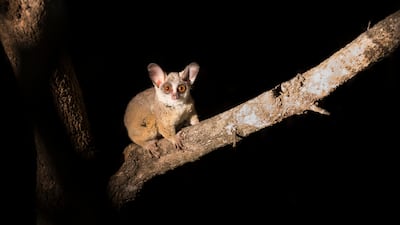
The bushbaby in its natural habitat. Getty -
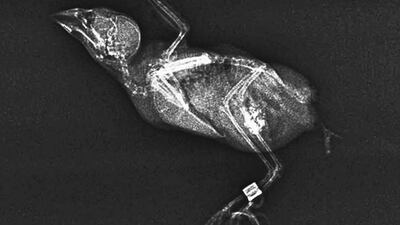
An X-ray of a parrot finch at the zoo. PA -
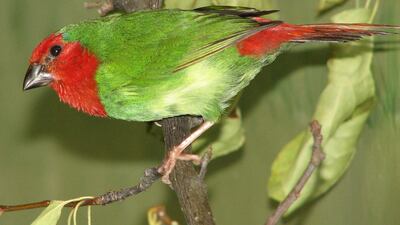
The parrot finch shows its true colours. Photo: Wikimedia Commons -
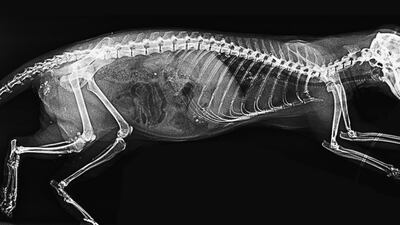
An X-ray of a meerkat in the zoo's care. PA -
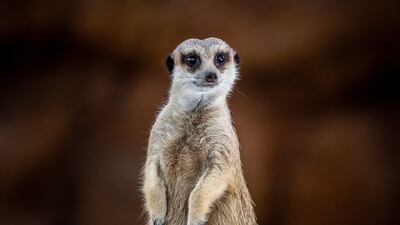
The meerkat is a familiar zoo favourite. AFP -

An X-ray of a Cape porcupine's skull. PA -
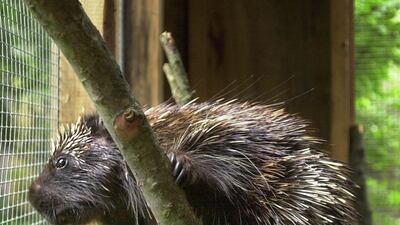
The porcupine is native to central and southern Africa. Getty -
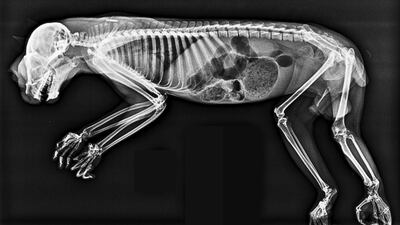
The zoo's X-ray of a pygmy slow loris. PA -
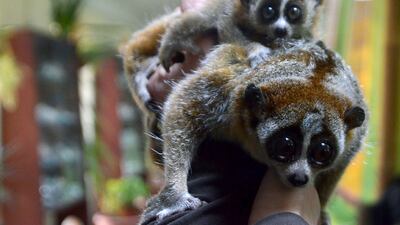
A baby slow loris clings on to its mother's back. The squirrel-sized creatures are the only venomous primates. AFP -
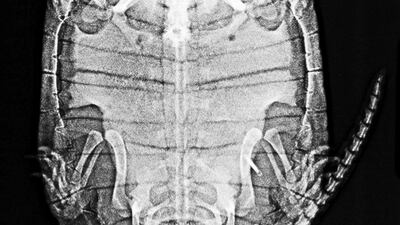
A zoo X-ray of a big-headed turtle. PA -

The zoo's big-headed turtle shows how it got its name. AFP -
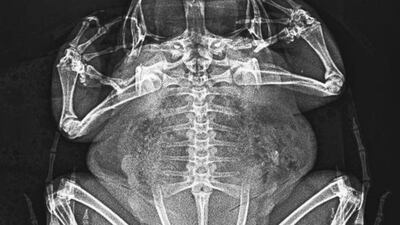
An X-ray of a mountain chicken frog taken by London Zoo vets. PA -
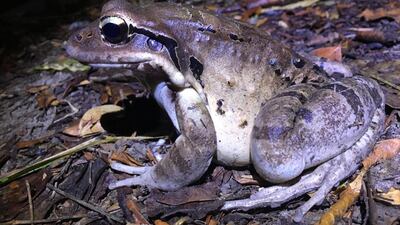
The endangered mountain chicken frog is native to the Caribbean islands of Dominica and Montserrat. Photo: Luke Brannon/ Mountain Chicken Recovery Programme



