

A boy, 10, had part of his leg amputated after being bitten by a shark while snorkelling on vacation in the Florida Keys, his family has said.
Jameson Reeder Jr was attacked on Saturday at Looe Key Reef, the Florida Fish and Wildlife Conservation Commission said.
A Facebook post by his uncle Joshua Reeder said the boy had gone on a boat trip with his parents and three other siblings.
The uncle said the boy was snorkelling in a shallow reef when he "took a crushing blow below his knee", by what they believed was a 2.5-metre bull shark.
Jameson was able to hold on to a noodle float and was rescued by his father, who applied a tourniquet to the leg and flagged down another, faster boat that raced the family ashore.
Jameson was then flown to the Miami Children's Hospital where a medical team saved his life, but was forced to amputate the leg below the knee.
"He is now out of surgery and resting," wrote his uncle.
While a higher than normal number of shark encounters off the coast of New York this summer have attracted attention, the overall risk of being bitten by a shark remains low.
-
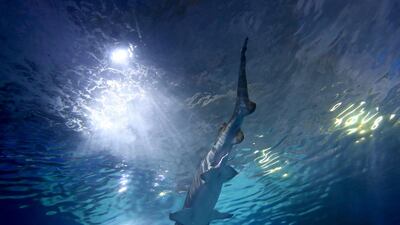
A shark at Melbourne Sea Life aquarium. Getty Images -
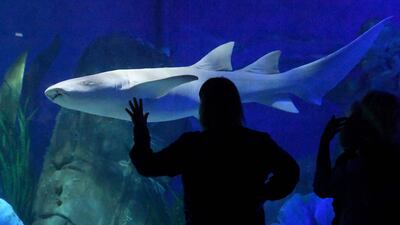
A shark at Melbourne Sea Life aquarium. Getty Images -
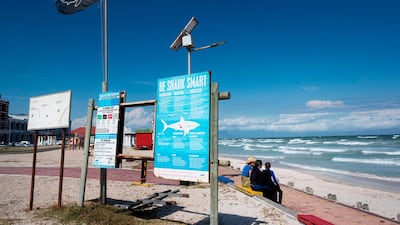
A group of people sit next to shark-education signs and a shark-warning flag at Muizenberg beach in Cape Town. AFP -
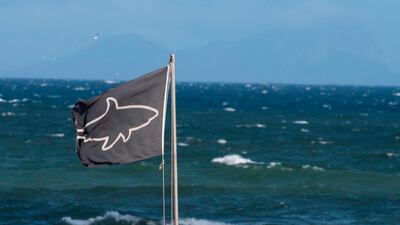
The shark-warning flag at Muizenberg beach, a popular swimming and surfing venue in South Africa’s Cape Town. AFP -
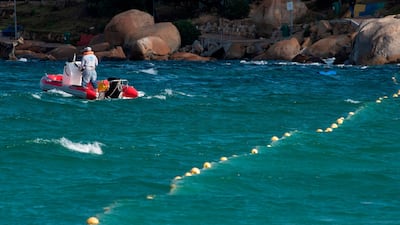
Members of the Shark-spotter crew begin to loosen the exclusion net at Fish Hoek beach. AFP -
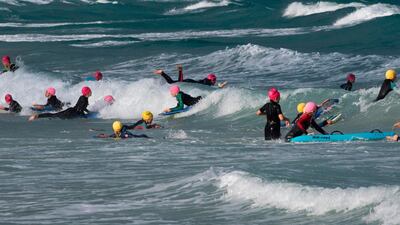
Junior lifesavers swim at Fish Hoek beach, a popular swimming and surfing spot in Cape Town. AFP -
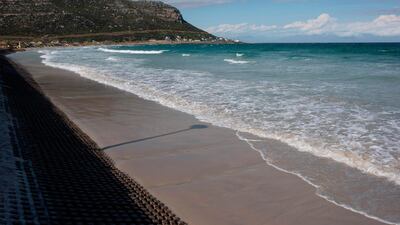
A view of at Fishoek beach, a popular swimming and surfing spot in Cape Town, has also been the site of shark attacks. AFP -
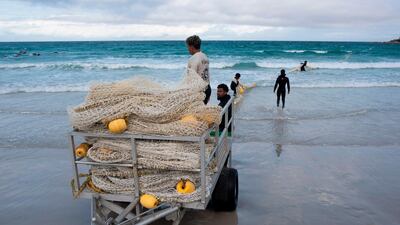
Members of the Shark-spotter crew pull in the exclusion net at Fish Hoek beach, a popular swimming and surfing spot in Cape Town. AFP -
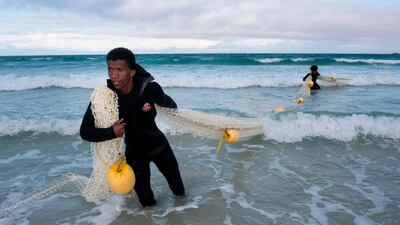
Members of the Shark-spotter crew pull in the exclusion net at Fishoek beach, a popular swimming and surfing spot in Cape Town. AFP


Global trends are now fairly stable after rising slightly over the past 30 years, partly due to increased recreational activity by humans and recovery of vulnerable shark populations.
Last year, there were 73 unprovoked attacks globally, according to the Florida Museum. Nearly every attack is a result of mistaken identity as sharks do not intentionally go for humans.
Most attacks in the US occur off the Atlantic coast of Florida, home to choppy waters and bait fish that several shark species feed on.
US Virgin Islands — in pictures
-
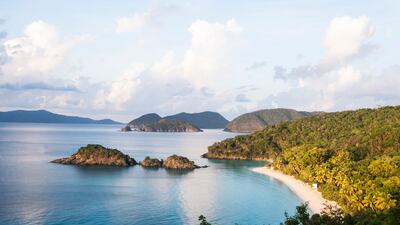
Trunk Bay is named for the leatherback turtles, which are endemic to the islands and locally known as trunks. Photo: Anne Finney / National Parks Service -
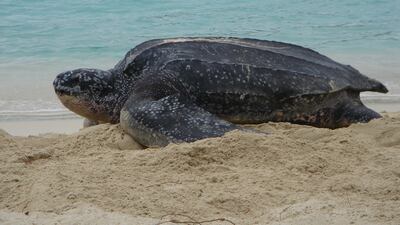
A leatherback sea turtle roams the sandy shores. Photo: Caroline Rogers / National Parks Service -
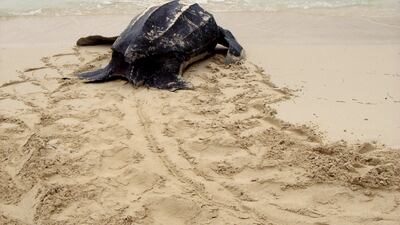
A leatherback sea turtle returns to the water at the US Virgin Island National Park. Photo: Caroline Rogers / National Parks Service -
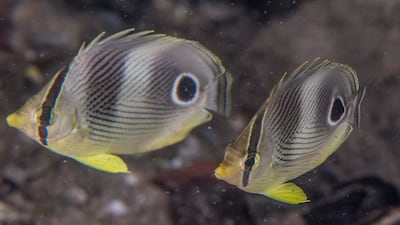
You might spot a four-eye butterflyfish while snorkeling. Photo: Susanna Pershern / National Parks Service -
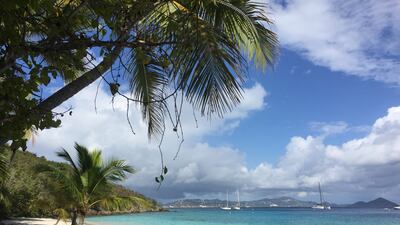
Salomon Beach, looking west. Photo: Anne Finney / National Parks Service -
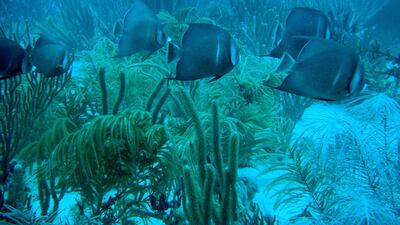
People come from all over the world to snorkel in the Virgin Islands, where these gray angelfish were spotted. Photo: National Parks Service -

Cinnamon Bay Beach is St John's longest beach. Photo: Anne Finney / National Parks Service -
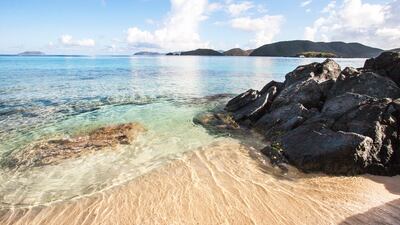
Only a select few know Little Cinnamon Beach, west of Cinnamon Bay Beach. Photo: Anne Finney / National Parks Service -
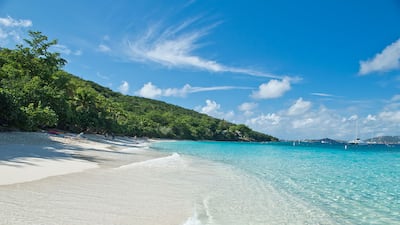
Honeymoon Beach is tucked away and often empty. Photo: David Pinardi / National Parks Service



