


Two UK government ministers, Anne-Marie Trevelyan and Tom Tugendhat, have urged the Prime Minister Rishi Sunak to significantly raise defence spending to at least 2.5 per cent of Gross Domestic Product (GDP), up from the current level of just over 2 per cent.
This appeal comes amid growing concerns from Conservative MPs and military experts regarding Chancellor Jeremy Hunt's recent spring budget, which failed to include additional defence funding.
The ministers' call reflects the urgency of responding to what Defence Secretary Grant Shapps has described as a “prewar world”.
Ms Trevelyan, a Foreign Office Minister and former defence minister, alongside Mr Tugendhat, the Security Minister and an experienced soldier, made their case in an online article unexpectedly not approved by Downing Street.
Posted on Ms Trevelyan's LinkedIn page, the article argues for the UK to lead by enhancing its defence and security budget beyond the current spending, highlighting the initial efforts made by former defence secretary Ben Wallace and former prime minister Boris Johnson.
They emphasised that while previous efforts remedied funding shortfalls, growth in defence spending is now critically needed.
The ministers outlined key investment areas, including the UK's nuclear deterrent, expansion of the Royal Navy, additional weapons and ammunition, and faster development of new fighter jets.
They stressed the investment would not only protect the UK's future economic security but also promote growth in the nation's defence industrial base.
“The sad truth is that the world is no longer benign,” they said.
“Protecting ourselves requires investment. And effective investment means that our industrial complex must grow and strengthen at much greater pace than at present.
“We cannot turn on the complex platforms and weapons which ensure military advantage overnight. We must start that growth now, invest at pace to support our allies and stay ahead of our adversaries.”
The context of this call includes significant increases in defence budgets by global powers such as China and Russia, with China announcing a 7.2 per cent rise in its defence budget to $230 billion (£179 billion), and Russia dedicating 40 per cent of its expenditure to defence and security.
-
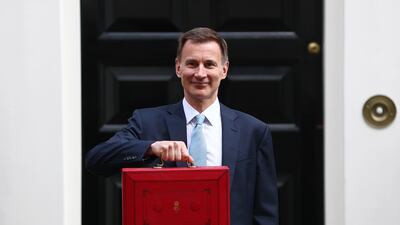
Jeremy Hunt, Chancellor of the Exchequer, leaves No 11 Downing Street to deliver his budget to Parliament in London. Getty Images -
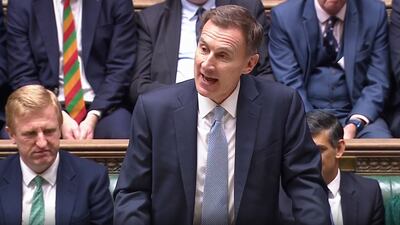
Mr Hunt delivering his budget speech to the House of Commons. PA -
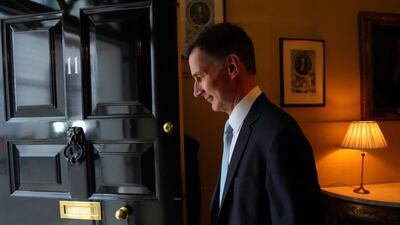
Mr Hunt makes his way out of No 11 Downing Street. AFP -

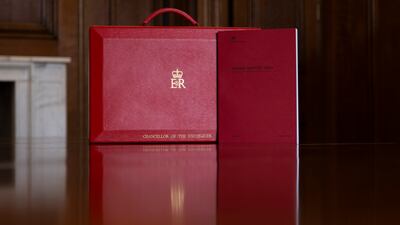
Mr Hunt presents his ministerial box to the media. PA -
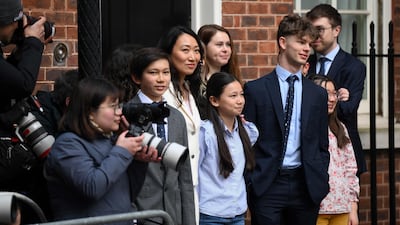
Lucia Hunt, wife of Mr Hunt, with their children as he leaves 11 Downing Street. AFP -

Mr Hunt with his team outside No 11 Downing Street. AFP -

A 2p cut in national insurance was among expected new measures. Photo: HM Treasury -
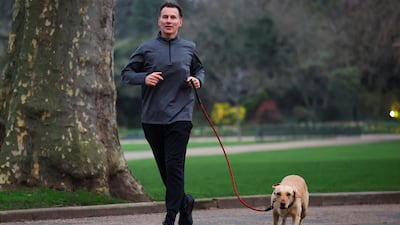
Mr Hunt gets some exercise with his dog Poppy before his budget statement. Reuters -
Mr Hunt aims to have debt falling as a share of GDP by 2029. Photo: HM Treasury -

Mr Hunt holds a meeting in preparation for the budget in his office. Photo: HM Treasury


In a Sunday Times interview, Mr Sunak defended his record on funding the military.
“I would just point to our record here as chancellor when I oversaw the largest increase in the defence budget since the end of the Cold War with a £24 billion uplift,” he said.
“The whole point is, we recognised that the world that we’re living in was becoming more dangerous, and we had to invest more to protect the country against that.”
Meanwhile, the UK's defence budget has increased by 28 per cent over the last decade, from £43 billion to £55 billion.
Ms Trevelyan and Mr Tugendhat's appeal for increased defence spending highlights the strategic necessity for Europe to secure its borders, especially as the US pivots towards addressing the challenge posed by China.

