


The Bank of England has raised interest rates to 1.25 per cent from 1 per cent — the highest level since January 2009.
Many analysts and traders had expected the regulator's monetary policy committee (MPC) to decide on a 25-basis-point rise in the benchmark lending rate to 1.25 per cent, as it fights soaring inflation which sits at 9 per cent and is expected to top 11 per cent later this year.
The move is much less severe than the US Federal Reserve's historic 75-basis-point increase on Wednesday.
Sterling lost ground against the dollar and euro earlier in the day with traders' attention on the central bank's interest rate decision. The pound slumped as much as 0.9 per cent against the dollar to $1.2070. Against the euro, it was down 0.4 per cent at 86.03p.
Three of the nine-person committee voted for an even bigger increase, arguing that rates should rise as high as 1.5 per cent.
The committee had been under pressure from some to order a more aggressive increase than the expected quarter-percentage-point rise amid concern such a move would do little to combat price increases that have pushed inflation to a 40-year high.
Policymakers led by Governor Andrew Bailey hinted that they may join a growing global trend for larger hikes if inflation continues to soar, saying the MPC “would be particularly alert to indications of more persistent inflationary pressures, and would if necessary act forcefully in response.”
Crucially, that language was endorsed by all the BOE’s voters, a departure from May when two declined to sign up to guidance that more hikes were on the cards.
_____________________________
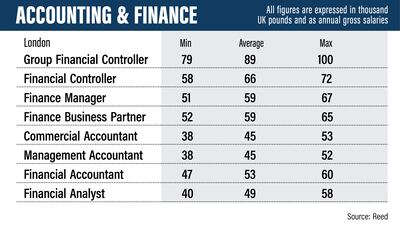
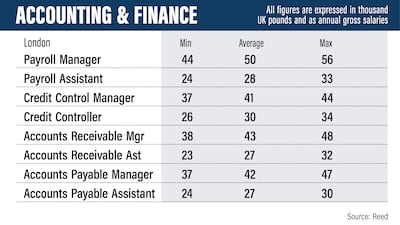
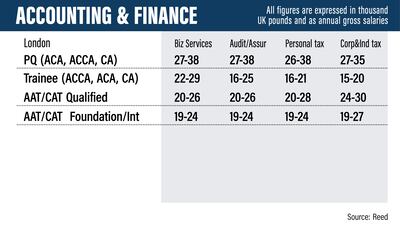
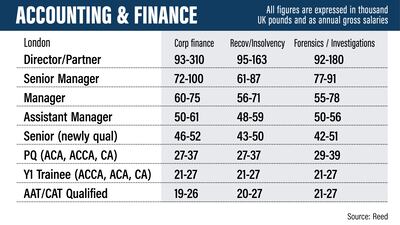
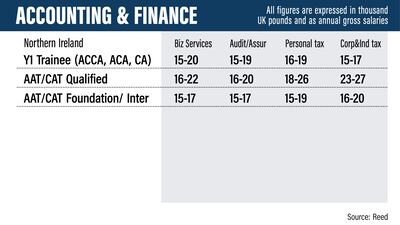
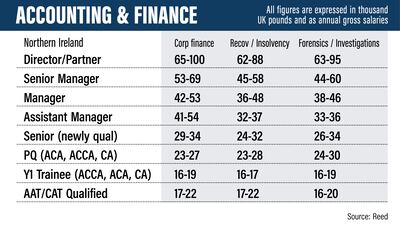
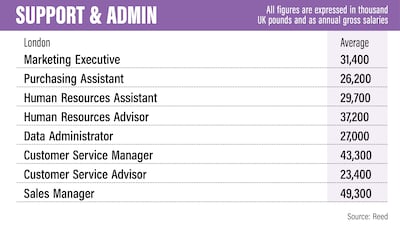
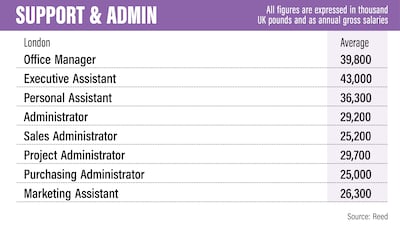
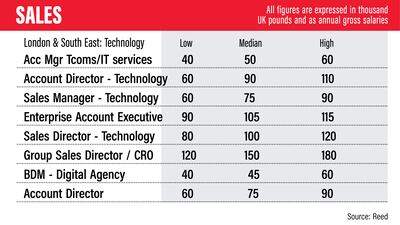
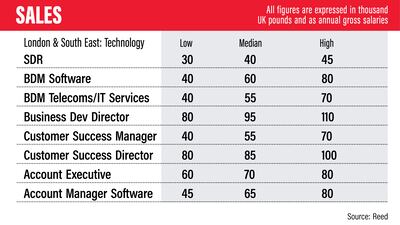
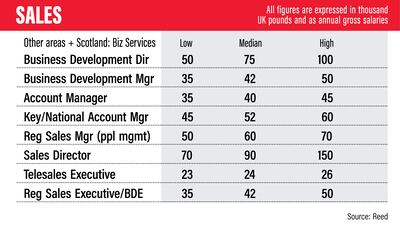
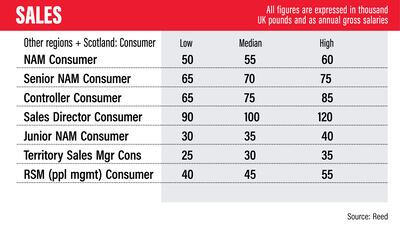
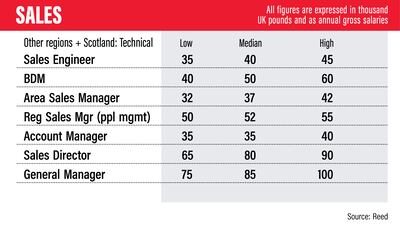
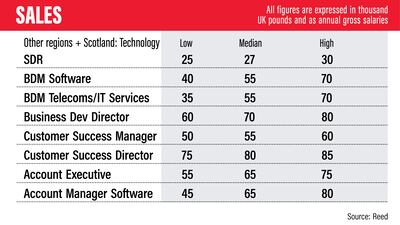
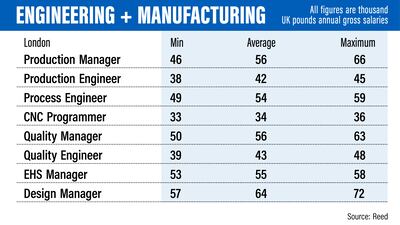
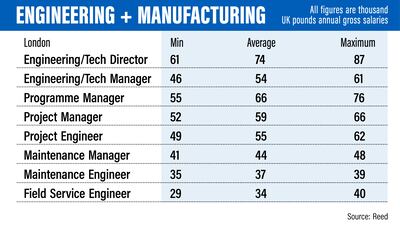
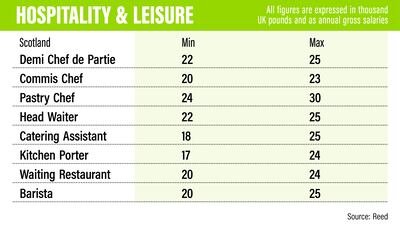
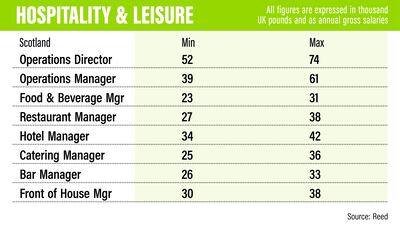
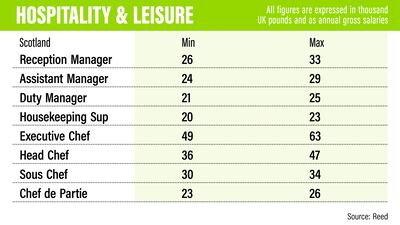
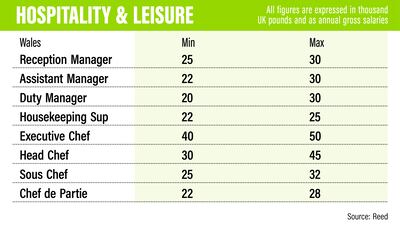
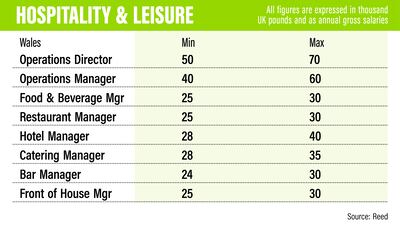
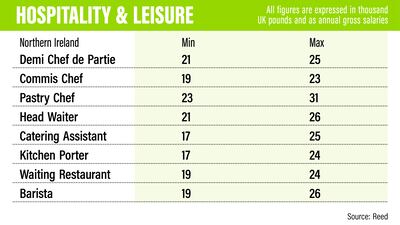
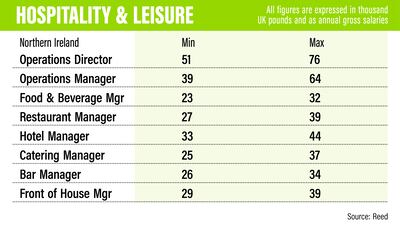
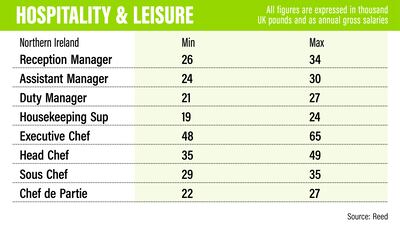
UK salary guide 2022: how much should you be earning?
-
UK salary guide -
UK salary guide -

UK salary guide -
UK salary guide -
UK salary guide -
UK salary guide -

UK salary guide -
UK salary guide -
UK salary guide -
UK salary guide -
UK salary guide -
UK salary guide -
UK salary guide -
UK salary guide -
UK salary guide -
UK salary guide -
UK salary guide -
UK salary guide -
UK salary guide -
UK salary guide -
UK salary guide -
UK salary guide -
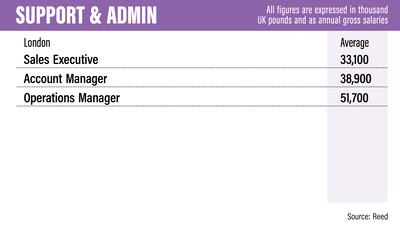
UK salary guide -
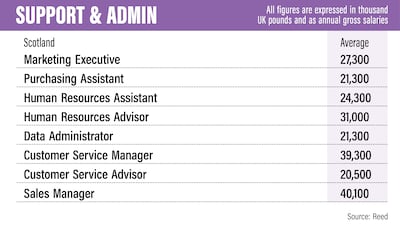
UK salary guide -
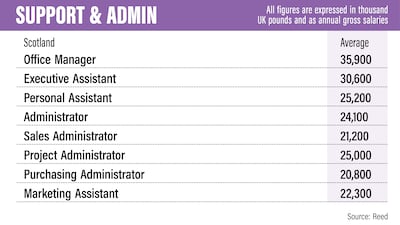
UK salary guide -
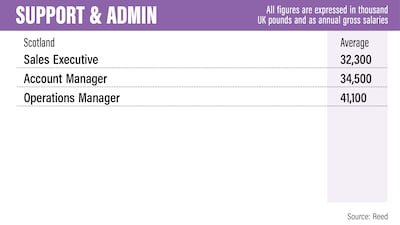
UK salary guide -
UK salary guide -

UK salary guide -
UK salary guide -
UK salary guide -

UK salary guide -

UK salary guide -
UK salary guide -
UK salary guide -
UK salary guide -
UK salary guide -
UK salary guide -
UK salary guide -
UK salary guide -
UK salary guide -
UK salary guide -
UK salary guide -

UK salary guide -
UK salary guide -
UK salary guide -
UK salary guide -
UK salary guide -

UK salary guide -
UK salary guide -
UK salary guide -
UK salary guide -
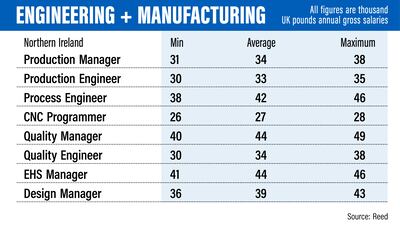
UK salary guide -

UK salary guide -
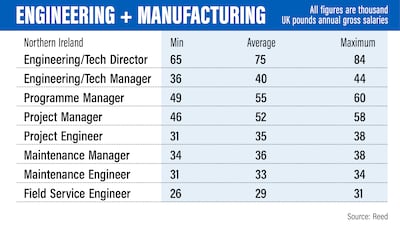
UK salary guide -
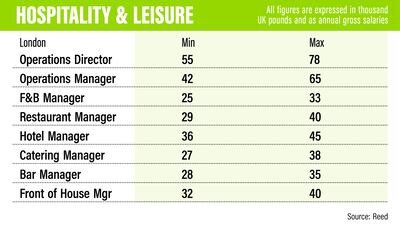
UK salary guide -

UK salary guide -
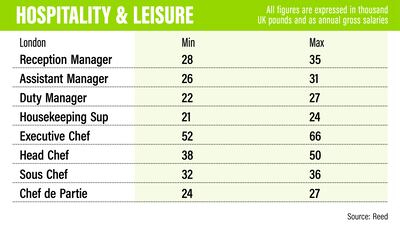
UK salary guide -
UK salary guide -
UK salary guide -
UK salary guide -
UK salary guide -

UK salary guide -
UK salary guide -
UK salary guide -
UK salary guide -
UK salary guide


_____________________________
The BoE also raised its forecast for the peak of inflation this year to “slightly above” 11 per cent, reflecting the planned increase in the energy price cap in October, and said it now expects the economy to contract in the current quarter.
The central bank warned that prices for households across the country might increase even further than previously thought.
“In view of continuing signs of robust cost and price pressures, including the current tightness of the labour market, and the risk that those pressures become more persistent, the committee voted to increase the Bank rate by 0.25 percentage points,” the MPC said in a notice.
The cost of living has been soaring for months, with consumer prices index (CPI) inflation hitting a 40-year high of 9 per cent in April when the energy price cap was raised. Experts have warned that regulator Ofgem could put up energy prices even further, from £1,971 per year to around £2,800.
This, alongside other pressures in the economy, could lead to inflation topping 11 per cent in October, the bank said.
Just a month ago it had predicted inflation would peak at above 10 per cent.
“The economy has recently been subject to a succession of very large shocks,” Governor Andrew Bailey wrote in a letter to Chancellor Rishi Sunak, setting out why inflation was so much higher than its 2 per cent target.
“These shocks have pushed global energy and tradable goods prices to elevated levels.
“Those price increases have raised UK inflation and, since the United Kingdom is a net importer of these items, will necessarily weigh on most UK households’ real incomes and many UK companies’ real profits.”

Naeem Aslam, chief market analyst at Ava Trade, said a steeper increase had been expected. “The BoE has surprised the markets by increasing the interest rate by only 25 basis points only when market players were expecting the bank to raise the rate by 50 basis point,” he said. “The move has brought weakness for sterling which itself doesn’t really help the inflation situation which the bank is trying to resolve. This is because a weaker currency brings more inflation for the UK as imports become troublesome.
“For the equity markets, the FTSE 100 index has also moved lower because traders believe that the bank needs to buckle up more and be more strict with interest rate hikes even if it comes with some pain.”
Chieu Cao, chief executive of Mintago, said the central bank's latest rise “will hardly be celebrated” by cash-strapped Britons who feel their finances are “spiralling out of control”.
“Given soaring inflation, many individuals feel they don’t have enough money to live on, let alone save,” he said. “Indeed, Mintago’s research found that 72 per cent of Britons in full-time employment feel they are prioritising immediate financial commitments [e.g. mortgages or utility bills] over their long-term financial goals. And with pressure likely to remain for some time, many will feel like their finances are spiralling out of control.”
Earlier, Michael Hewson, chief market analyst at CMC Markets UK, said in a note to clients that “radical action” is needed to provide stability to the economy. “It is quickly becoming apparent that more radical action is needed for the Bank of England to establish some sense of stability, because tinkering around the edges simply isn’t cutting it,” he said.
The US Federal Reserve on Wednesday announced its biggest interest rate increase since 1994, raising its benchmark rate by three quarters of a percentage point to a range of 1.5 per cent to 1.75 per cent.
While it began raising interest rates earlier than its counterparts, the UK central bank is now trailing the Fed in the global battle against inflation fuelled by soaring food and energy prices.
Russia’s invasion of Ukraine in February caused household costs to shoot up, with the war continuing to disrupt shipments of oil, natural gas, grain and cooking oil. This factor added to the already higher prices recorded last year as the global economy began to recover from the Covid-19 pandemic.
The Bank of England's policymakers have been cautious about increasing interest rates too quickly, arguing that many of the inflationary pressures facing the UK economy are external and beyond bankers’ control.
But price increases are now becoming embedded in the economy, giving rise to demands for higher wages amid slowing economic growth as consumers and businesses curtail purchases.
Gold prices fell on Thursday after the Fed’s announcement, as the dollar recovered slightly.
Spot gold prices fell by 0.17 per cent to $1,830.93 per ounce as of 7.30am UK time, while gold futures rose by 0.72 per cent to $1,832.75 per ounce.
The Swiss National Bank raised its policy interest rate for the first time in 15 years in a surprise move on Thursday, and said it was ready to increase it further.
The landlocked country’s central bank increased its policy rate to minus 0.25 per cent, from the minus 0.75 per cent level it put in place in 2015.

