

Adel Al Jubeir, the Saudi Minister of State for Foreign Affairs, warned that oil prices could have shot to $150 a barrel for months after the attack on the Aramco oil plants and advised against complacency with the continuing Iranian threat.
On the sidelines of the UN General Assembly, Mr Al Jubeir said the perpetrator of the attack could not go unpunished because of the risk of more incidents.
“If it were not for Aramco’s professionalism and superior design the impact would have lasted much longer and you could have oil at $150 for months,” he said.
“The impact was minimal but we shouldn’t be complacent because they were able to do this. I don’t want people to think the world is not in danger.”
With a rebalance of global oil markets since the rise of fracking production in the US, Mr Al Jubeir said it was delusional to assume any country was immune from escalation and instability in the Arabian Gulf.
-
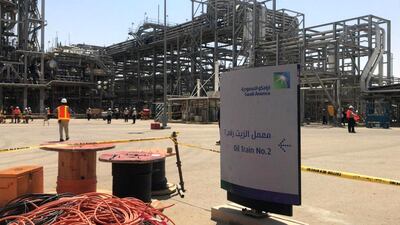
Workers are seen at the damaged site of Saudi Aramco oil facility in Khurais. Reuters -
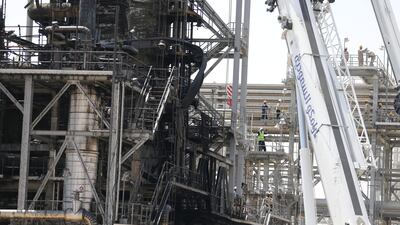
Workers are seen at the damaged site of Saudi Aramco oil facility in Khurais. Reuters -
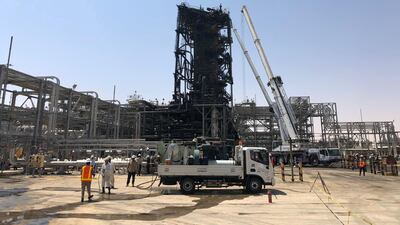
Workers are seen at the damaged site of Saudi Aramco oil facility in Khurais. Reuters -
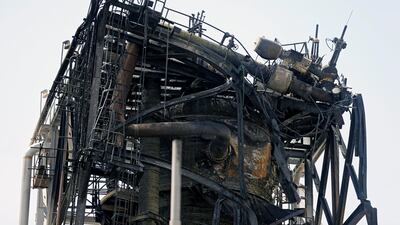
A view of the damaged site of Saudi Aramco oil facility in Khurais. Reuters -
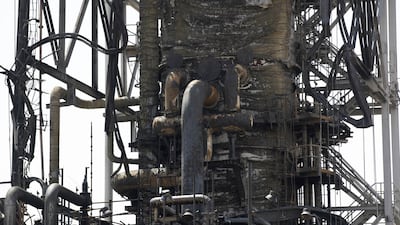
Charred pipework sits on a processing unit at Saudi Aramco's Khurais oil field plant. Bloomberg -
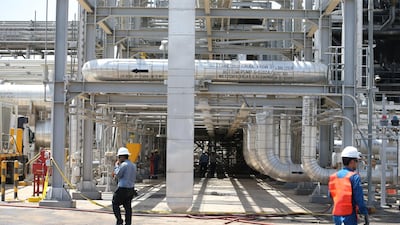
Workers are seen at the damaged site of Saudi Aramco oil facility in Khurais. Reuters -
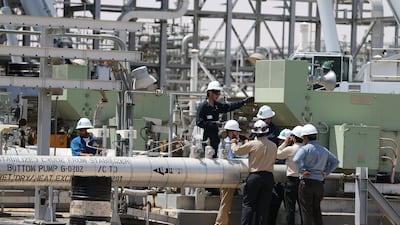
Workers are seen at the damaged site of Saudi Aramco oil facility in Khurais. Reuters -
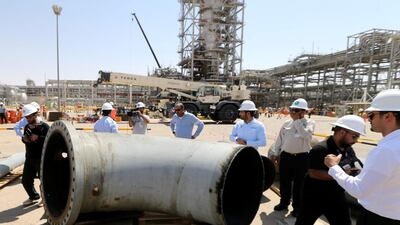
A damaged pipeline is seen at Saudi Aramco oil facility in Khurais. Reuters -
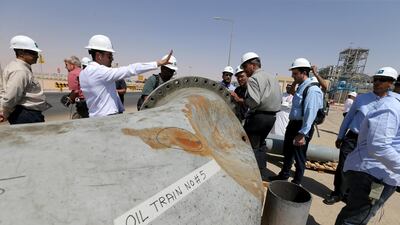
A damaged pipeline is seen at Saudi Aramco oil facility in Khurais. Reuters -
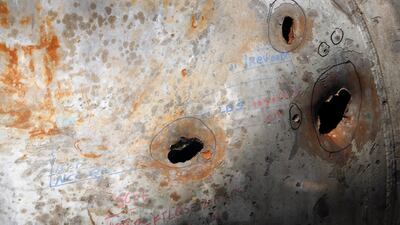
Holes caused by fragments of a missile are seen in a damaged pipe in the Aramco's Khurais oil field. AP Photo -
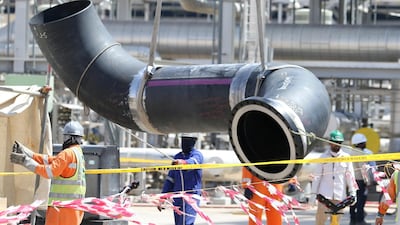
Workers fix a new section pipeline in Khurais. Reuters -
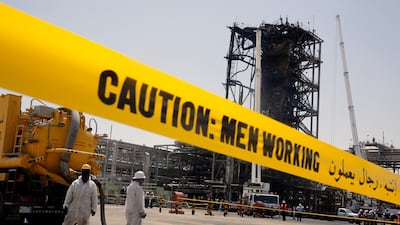
Workers at Aramco's oil processing facility in Khurais, near Dammam. AP Photo -
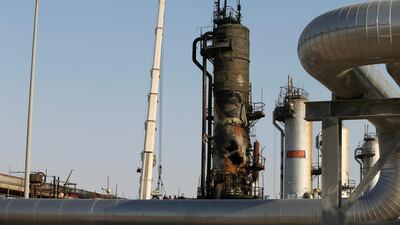
View of the damaged site of Saudi Aramco oil facility in Abqaiq. Reuters -

View of the damaged site of Saudi Aramco oil facility in Abqaiq. Reuters -
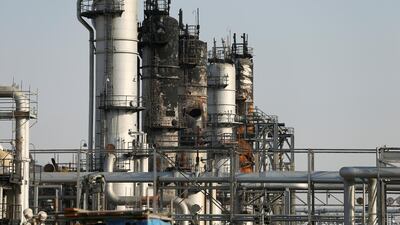
View of the damaged site of Saudi Aramco oil facility in Abqaiq. Reuters -
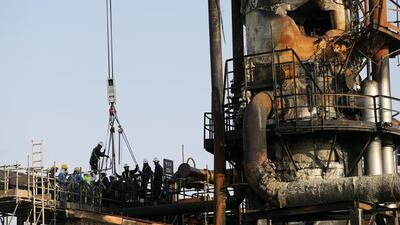
Workers are seen at the damaged site of Saudi Aramco oil facility in Abqaiq. Reuters -
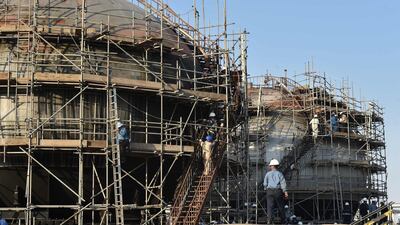
Employees work in Abqaiq oil processing plant. AFP -
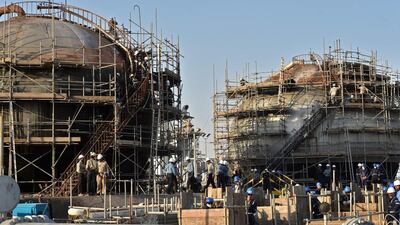
Employees work in Abqaiq oil processing plant. AFP -
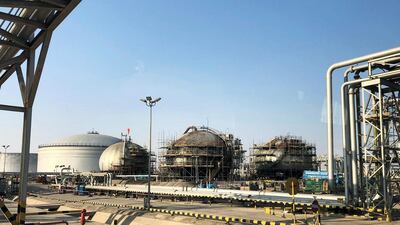
A general view of the damaged site of Saudi Aramco oil facility in Abqaiq. Reuters


“Oil is fungible even if you’re an oil exporter," he said. "If there is a shortage of oil in Asia it’s going to drive the price of oil up everywhere."
Mr Al Jubeir said Saudi Arabia was convinced that the missiles involved in the September 14 attacks were launched from Iran, not Yemen, where the Houthi militias claimed responsibility.
He said the kingdom would wait for the result of investigations by the UN and French before deciding on the nature of the response.
“We are certain the equipment used are Iranian made,” Mr Al Jubeir said. “They came from the north, not the south, and the Houthis don’t have capacity for that.
“Once the investigation is concluded and we have the proof we will take action. There are diplomatic, economic and military options and we are consulting with the US and others on how to proceed.
“This cannot go unanswered. You can’t take out 5 per cent, 6 per cent [of global supply] and suffer no consequences."
He welcomed a joint statement by Britain, France and Germany on Monday that blamed Iran for the attacks.
Mr Al Jubeir was sceptical about the prospect of negotiations with Iran to contain its nuclear and missile programmes and end its regional meddling.
“We care about the policy of the Iranian government pursues,” he said. “Appeasement has not worked and will not work.”

