
As the number of dogs being abandoned or poisoned increases across Lebanon during the coronavirus crisis, one man is doing his part to look after the country's canines.
Mahmoud Youssef, 88, lives with about 80 dogs in a blue shipping container on the outskirts of Tripoli, in northern Lebanon.
Mr Youssef, who used to be a farmer, has always enjoyed the company of dogs.
Known locally as "Uncle Mahmoud", he rescues abandoned dogs in the area and puts them up for adoption.
But his pack has grown during the coronavirus pandemic and he has taken in more than 20 dogs in the past two months as Lebanon was hit by an outbreak that worsened its economic crisis.
“If those who threw dogs away had a speck of humanity, they would not leave these little creatures out in the street to die,” he said.
With the help of volunteers, Mr Youssef feeds the dogs with scraps of meat from local butchers, restaurants and slaughterhouses.
He also treats the dogs that are wounded or sick.
“People think dogs transmit disease, but that’s not true,” said Sally Lababidi, who used to work for an animal’s rights organisation.
“We [humans] transmit the disease.”
She said she dropped by Mr Youssef's home three times a week to inspect the health of the dogs, who live alongside a few cats and chickens.
-
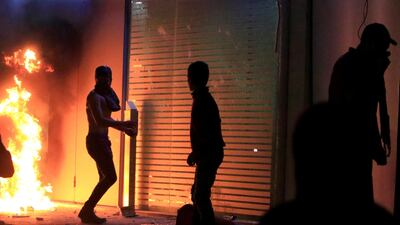
A demonstrator is seen next to a burning fire in front of a bank during a protest against growing economic hardship in Sidon, Lebanon. Reuters -

A detained demonstrator stands near Lebanese army soldiers during a protest against growing economic hardship in Sidon, Lebanon. Reuters -
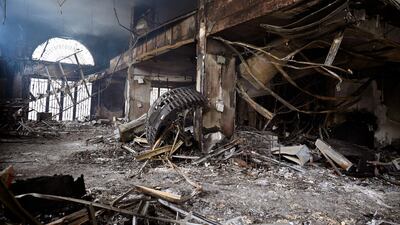
Interior view of a damaged bank that was set ablaze by protesters in Tripoli, northern Lebanon. EPA -
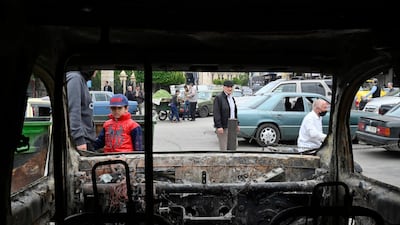
Lebanese people inspect a burnt out car of the Lebanese Internal Security Forces which was set ablaze by protesters in Tripoli, northern Lebanon. EPA -
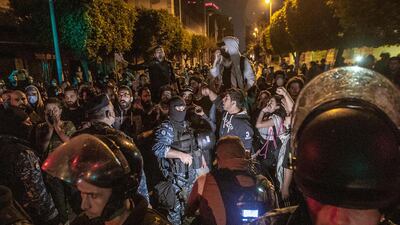
Anti-government protesters shout slogans during a protest against the collapsing Lebanese currency and the price hikes of goods, in front the central bank in Beirut, Lebanon. EPA -
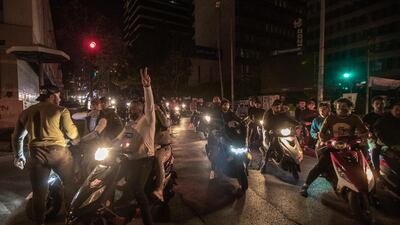
Anti-government protesters ride their motorcycles during a protest against the collapsing Lebanese currency and the price hikes of goods, in front the central bank in Beirut, Lebanon. EPA -

Lebanese men inspect a burnt out car of the Lebanese Internal Security Forces which was set ablaze by protesters in Tripoli, northern Lebanon. EPA -

Workers install metallic barriers on the facade of a bank as a protective measure against vandalism in Tripoli, northern Lebanon. EPA -
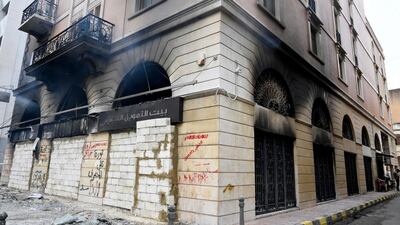
Exterior view of a damaged bank that was set ablaze by protesters in Tripoli, northern Lebanon. EPA -
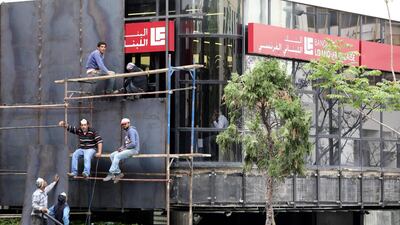
Workers install metallic barriers along the facade of a bank as a protective measure against vandalism in the Lebanese capital Beirut. AFP -

Anti-government protesters shout slogans during a protest against the collapsing Lebanese currency and the price hikes of goods, in front the central bank in Beirut, Lebanon. EPA -
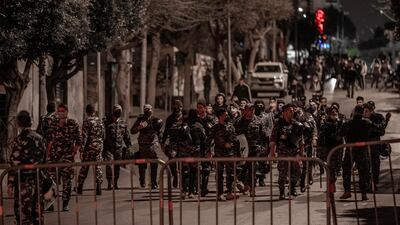
Lebanese riot control police watch as annti-government protesters gather during a demonstration against the collapsing Lebanese currency and the price hikes of goods, in Beirut, Lebanon. EPA -
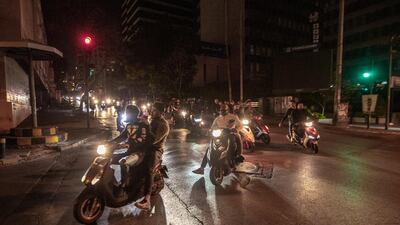
Anti-government protesters ride their motorcycles during a protest against the collapsing Lebanese currency and the price hikes of goods, in front the central bank in Beirut, Lebanon. EPA -
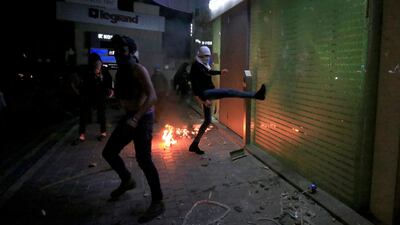
A demonstrator smashes a window of a bank during a protest against growing economic hardship in Sidon, Lebanon. Reuters


Volunteers noticed a sharp increase in the number of dogs being poisoned and abandoned after a local TV report in late March suggested Covid-19 could be transmitted from pets to their owners.
This claim is disputed by scientists.
“There is ignorance in our society,” Mrs Lababidi said.
“Even before the coronavirus, people thought that animals spread disease.”
An online petition asking the Lebanese ambassador to the US, Gabriel Issa, to put an end to dog poisoning in Lebanon has collected more than 30,000 signatures.
But people are not only abandoning their pets due to fears of being infected – people are also running out of money.
“Now, because of [worsening] living conditions, people cannot eat and can’t feed their animals, so they throw them out, unfortunately,” Mrs Lababidi said.
Lebanon is reeling from the worst economic crisis in its history. People’s purchasing power has plummeted as the local currency is in a free fall.
“The coronavirus can’t come here. The dogs protect us,” Mr Youssef said.

