


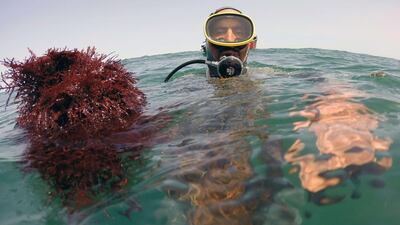
The rocky coastline of El Jadida province lies at the heart of the harvest for seaweed, known locally as ‘red gold’. But over-harvesting has raise concerns the mineral-rich plant may cause long-term damage, prompting authorities to set prices and quotas to protect the resource.
-
-
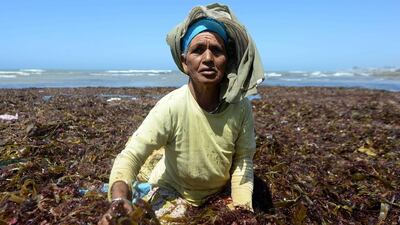
Collected during three months of summer on a narrow stretch of coastline, the red seaweed is used to produce “agar-agar” – a natural gelling agent popular with cooks and professional chefs. Fadel Senna/AFP Photo -
‘There are more and more divers and less and less red seaweed,’ Mr Lemkhanter sighed as he worked on a beach in El Jadida, about 100 kilometres south-west of Casablanca. Fadel Senna/AFP Photo -
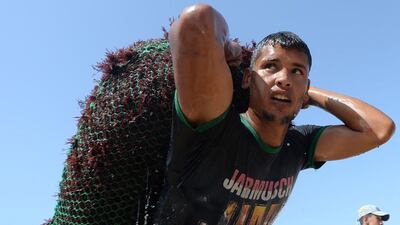
Morocco is a key exporter and topped the global producers’ list until 2006, when it was overtaken by China and Chile. Fadel Senna/AFP Photo -
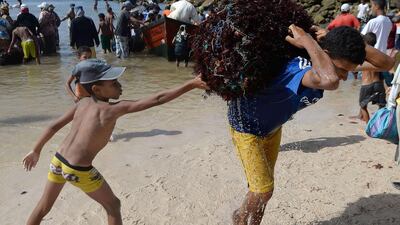
The rocky coastline of El Jadida province lies at the heart of the harvest. Fadel Senna/AFP Photo -
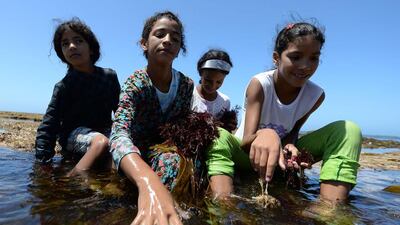
There are no reliable figures for how many people make their living from the seaweed but hundreds, if not thousands, take part in the harvest every year. Fadel Senna/AFP Photo -
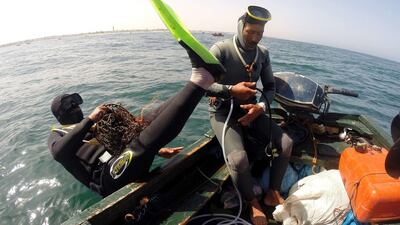
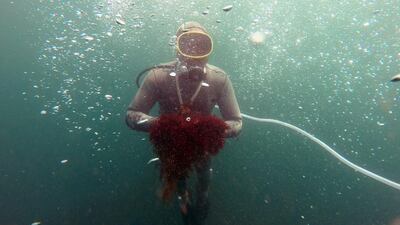
It can be dangerous work, especially for the many divers using obsolete equipment to reach depths of between 20 and 25 metres. Fadel Senna/AFP Photo -
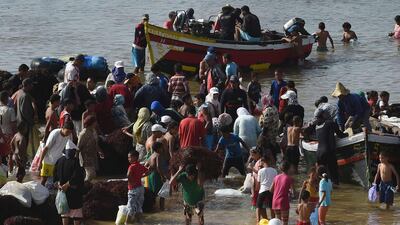
Since 2010, Morocco has fixed a reference price for the seaweed to save it from extinction. Fadel Senna/AFP Photo -
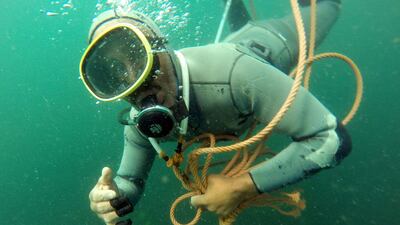
As part of wider reforms to the fishing industry, authorities have also set quotas and seasonal bans on collecting the red seaweed. Fadel Senna/AFP Photo -
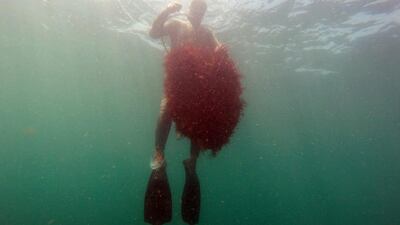
Due to the rising demand and fall in supplies, the export price of red seaweed has gone up from 12 to 30 Moroccan dirhams a kilogram. Fadel Senna/AFP Photo
In pictures: Harvesting ‘red gold’ in Morocco
Most popular today

