

Education leaders have been angered by a shortage of coronavirus tests in the UK which means teachers and pupils cannot get tested, leaving the door open for the virus to spread through schools.
Hospitals and health trusts have been given priority for testing to prevent staff taking time off sick or self-isolating with coronavirus symptoms.
The shortage of tests means that hospital staff are waiting too long for coronavirus tests, just as the NHS tries to catch up with a backlog caused by the pandemic – but it could also mean schools not being safe places.
The testing controversy comes a day after new lockdown rules came into force, which essentially ban mingling.
Geoff Barton, general secretary at the Association of School and College Leaders, said heads had contacted him saying they felt “hoodwinked’.
Mr Barton told BBC’s Radio 4 Today programme that a head teacher had told him: “Everything we have put in place with the one-way systems and bubbles, and now we are being tripped, whether it is a child or a member of staff.
“I don’t know whether I can staff classes tomorrow or next week.”

He added: “If someone shows symptoms the guidance is contact public health officials and one of the frustrations is people spending six hours on the phone trying to get a decision, and that has left heads defaulting to the bubble [of pupils] stays at home.”
He said without changes to the testing system, there could be a “lockdown by default” with so many classes and school, pupils and staff, at risk.
In a letter printed in The Times, a head teacher outlined the problem.
-

England tightened its lockdown rules from Monday after the daily coronavirus cases in Britain surged to around 3,000. Reuters -
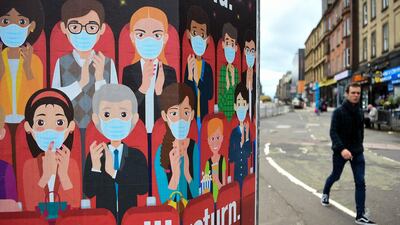
Social gatherings of more than six people in England have been outlawed. AFP -
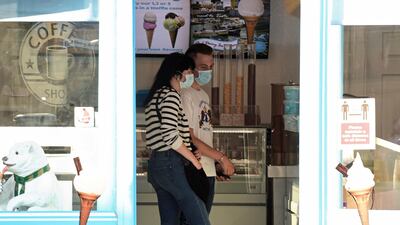
The rule of six restrictions do not apply to schools, workplaces or weddings, funerals or team sports. Reuters -
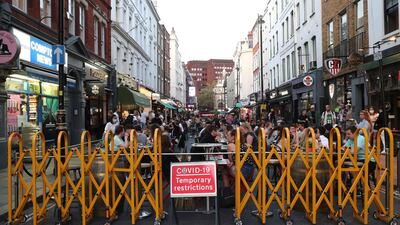
People dine out in Soho, London. They rules do apply to gatherings in restaurants. PA via AP -

People dine out in Chinatown, London. PA via AP -
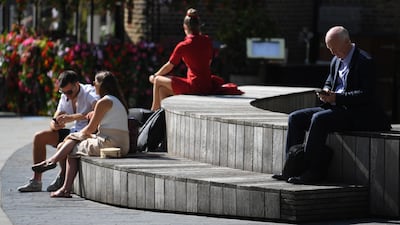
People sit in the sunshine in Kings Cross in London, Britain. EPA -
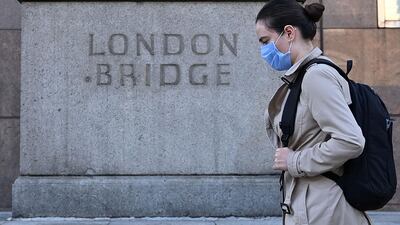
A commuter walks across London Bridge toward the City of London. AFP -
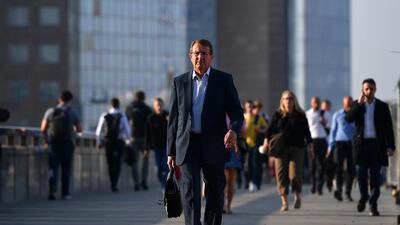
Commuters walk across London Bridge toward the City of London. AFP -
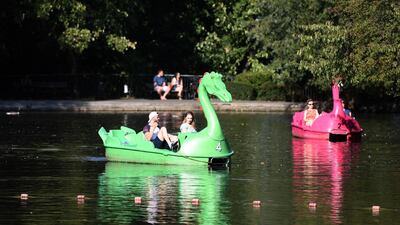
People peddle boats in the sunshine at Alexandra Palace in London, Britain. EPA -
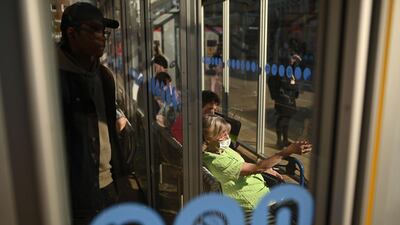
A woman waits in a bus stop in Solihull, central England. AFP -
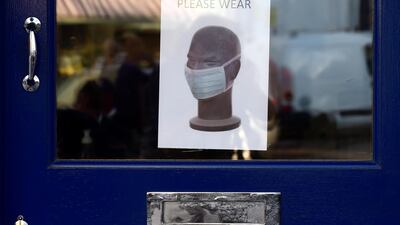
A poster is seen on a door requiring to wear a mask in Tenby, Wales. Reuters -
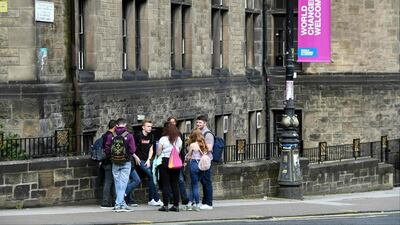
People stand on the pavement to socialise in the West End of Glasgow. AFP -

People sit in the sunshine in Kings Cross in London, Britain. EPA -
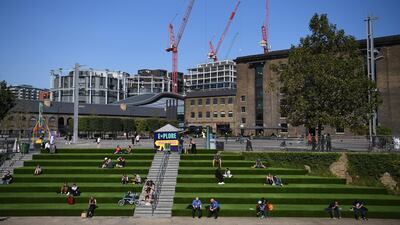
People sit in the sunshine in Kings Cross in London, Britain. EPA -
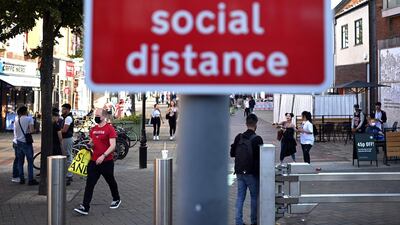
People walk past a sign encouraging social distance in a shopping street in Solihull, central England. AFP


“Schools have worked incredibly hard to bring back children for a new term, as rightly requested by the government. In return we were promised, and desperately need, a testing system that is efficient and, above all, fast.
“The government has failed to keep its side of the bargain and it is evident that the testing laboratories simply do not have the capacity to cope with the [entirely predictable] increase in demand,” wrote Mark Mortimer of Bryanston School in Dorset.
And another teaching union, the NASUWT has contacted Education Secretary Gavin Williamson threatening legal action for breach of care and injury to staff, The HuffPost reported.
Union' general secretary Dr Patrick Roach said: “Teachers, support staff and children and young people are unable to access tests where they have Covid-19 symptoms.
“Employers are struggling to deal with the implications and consequences.”
Justice Secretary Robert Buckland said Britain will do whatever it takes to get the Covid-19 testing system working properly,
"Laboratory capacity has been an issue, we are working our way through that," he told Sky News. "We're increasing the number of test centres, we've got 400 test centres, getting it up to 500 but clearly there are still real challenges.
Last week, when schools reopened, about 88 per cent of pupils were present compared with 95 per cent for the same period in 2019, according to Department for Education figures.
The figures also showed about 92 per cent of state schools were fully open on Thursday September 10.
Schools are considered to be not fully open if they cannot provide face-to-face teaching for all pupils for the whole school day and have asked a group of pupils to self-isolate.
Only one in hundred schools said they were not fully open on September 10 due to suspected or confirmed cases of coronavirus.
The government is expected to publish its priority list for testing over the next few days and NHS staff is expected to be ahead of school staff.
Health Secretary Matt Hancock said he did "not shirk from decisions" about who should be prioritised.

